Top sight
Top sight
Java's cultural soul — royal palaces, UNESCO batik, and authentic street food without the tourist crowds.
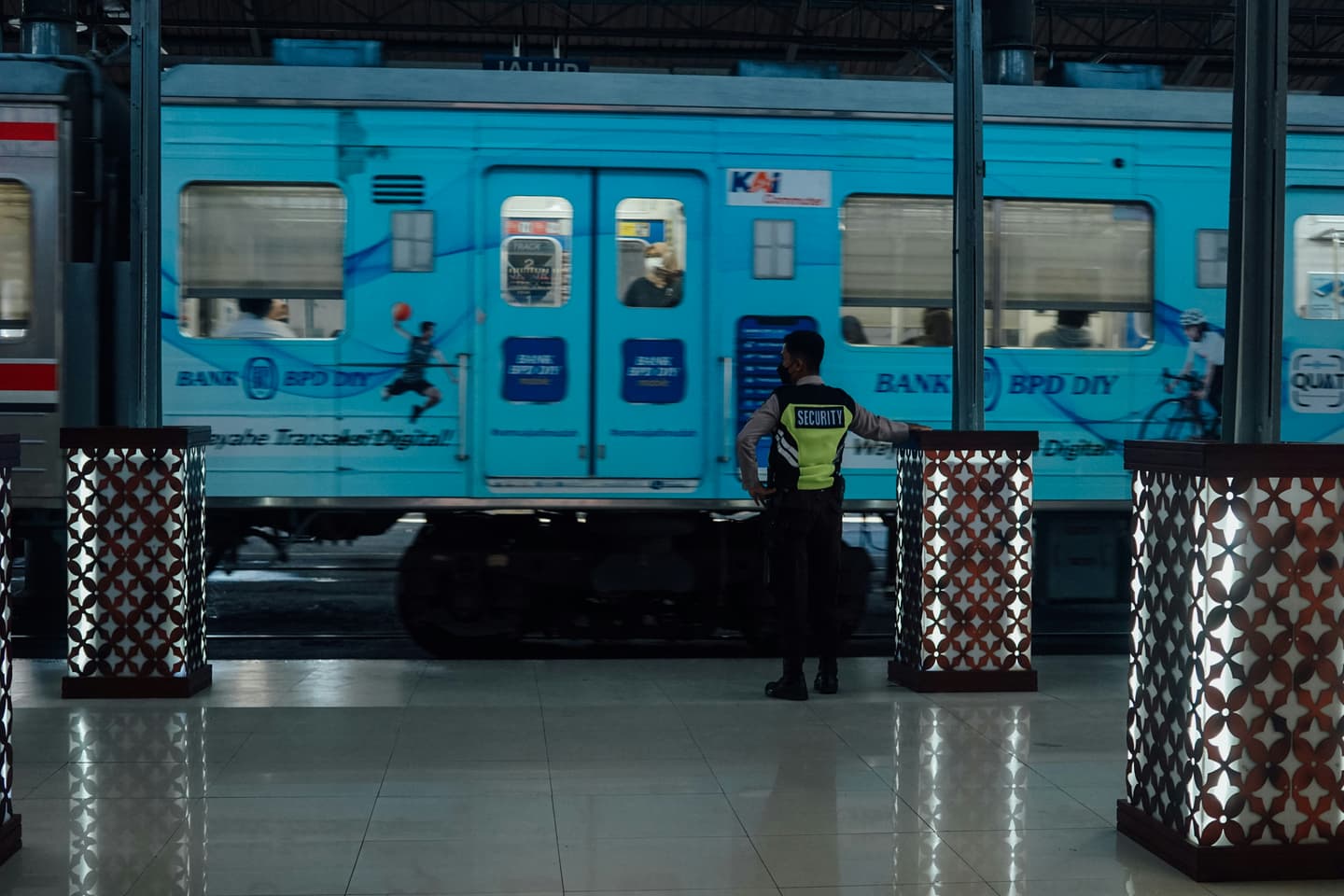
Surakarta, universally known as Solo, is the guardian of traditional Javanese culture in the heart of Central Java. Two living royal palaces, centuries-old batik workshops, and a legendary street-food scene make it one of Java's most rewarding destinations. Less commercialized than Yogyakarta yet just an hour away by train, Solo rewards curious travelers with gamelan performances, wayang puppet theater, and warm Javanese hospitality at remarkably affordable prices.
More cities for these months: Where to go in May · Where to go in June · Where to go in July · Where to go in August · Where to go in September

Insider tips · Wanderlust Pro
Practical tips on the sights and neighbourhoods in this Surakartaguide — when to go, what most visitors miss. Written with AI about the guide's own places; double-check details before you go. Pro members see every tip.
The quick answers travelers want before they commit to flights, neighborhoods, and how long to stay.
Solo is accessible by air, rail, and bus. **By air:** Adi Soemarmo International Airport (SOC) receives direct domestic flights from Jakarta and Bali, plus regional international connections from Singapore and Kuala Lumpur. **By train:** Solo Balapan is the main station; executive and business class trains connect Solo with Jakarta (~8 hours), Yogyakarta (~1 hour), and Surabaya (~4 hours). From Yogyakarta, the commuter train costs around USD 2.50 and takes just over an hour. Trains also stop at Purwosari and Jebres stations. **By bus:** Tirtonadi Bus Terminal connects Solo to most major Javanese cities for budget travelers.
Solo is a compact city and most central sights are reachable on foot or a short ride. **Batik Solo Trans (BST):** The city's public bus network covers at least six main corridors and six feeder routes, linking all key areas affordably. **Ride-hailing:** Grab and Gojek operate city-wide and are the most convenient option for tourists — book directly from the app. **Becak (cycle rickshaws):** A charming way to explore the historic core; negotiate fares before boarding. **Werkudara Heritage Bus:** A double-decker sightseeing bus departing from the Manahan Transportation Office on a ~3-hour city loop for IDR 20,000 (~USD 1.25) per ticket. **Taxis** are widely available as a fallback.
Solo's tropical monsoon climate means warm temperatures year-round (24–33°C / 75–91°F), with the key variable being rainfall. The dry season from May through September is the standout window: precipitation probability falls to just 7–10% in June–August, humidity eases, and skies stay clear for palace courtyards and open-air markets. July is peak festival season — the spectacular Solo Batik Carnival typically parades through the city, and Indonesia's Independence Day lights things up in mid-August. Tourism here remains far calmer than Yogyakarta or Bali even at its busiest. For the best balance of good weather, lower accommodation rates, and fewer visitors, aim for September, when the dry season still holds and crowds thin out noticeably. The rainy season (November–March) brings heavy but short tropical bursts — January and February see the most precipitation — though budget-seekers and indoor cultural experiences (batik workshops, museum visits, wayang performances) remain very rewarding year-round.
Start at Keraton Kasunanan Surakarta Hadiningrat, the 1744 sultan's palace, to explore royal artifacts, gamelan collections, and the iconic Menara Sanggabuwana tower. Walk next to Pura Mangkunegaran, the elegant 18th-century secondary palace with grand carved pavilions.
Browse Pasar Gede, the Dutch-colonial covered market, for local snacks and produce. Lunch on Selat Solo (Javanese-European beef stew) at Warung Selat Mbak Lies nearby. Visit the Museum Radya Pustaka — one of Indonesia's oldest museums — for Javanese manuscripts, wayang puppets, and royal heirlooms.
Head to Galabo (Gladag Langen Bogan) open-air night market on Jl. Slamet Riyadi for sate buntel, nasi liwet on banana leaves, and serabi pancakes. End with a stroll around Ngarsopuro Night Market (weekends) for antiques and street atmosphere.
Spend the morning in Kampung Batik Laweyan, Solo's historic batik village. Join a hands-on wax-resist dyeing workshop at one of the family-run studios to try making your own batik — a UNESCO Intangible Cultural Heritage craft. Browse the Museum Batik Danar Hadi, which houses over 1,000 antique and contemporary batik pieces.
Explore Pasar Triwindu (Ngarsopuro Antique Market) for vintage Javanese collectibles. Ride the Werkudara double-decker heritage bus (~IDR 20,000) along Jl. Slamet Riyadi for a relaxed city overview. Stop at Taman Sriwedari park for street food stalls and local atmosphere.
Attend the Wayang Orang Sriwedari performance (Mon–Sat, 8 PM) at Gedung Wayang Orang Sriwedari — a two-hour traditional Javanese dance-theater show based on Mahabharata and Ramayana epics.
Take an early driver or rental car ~40 km east to Candi Sukuh, an enigmatic 15th-century Hindu temple perched 900 m up the slopes of Mount Lawu with pyramid-like architecture and sweeping valley views. Continue to nearby Candi Cetho, a serene terraced temple set amid pine and tea plantations.
Stop in Tawangmangu hill town for lunch and cool mountain air. Visit Jumog Waterfall for a refreshing break in lush tropical forest. Alternatively, head northwest to Sangiran UNESCO World Heritage Site — one of the world's most important Homo erectus fossil discovery sites — for a fascinating half-day.
Return to Solo for a final dinner at a local warung near the Keraton. Try Nasi Liwet Wongso Lemu in the Keprabon neighborhood for the city's most celebrated version of Solo's signature coconut-milk rice dish.
Real coworking spaces, laptop-friendly cafés, and libraries mapped near the center of the city — the closest, best-rated desks first.
No coworking-ready spots surfaced for this city yet.
Pick a different category or check back once we’ve indexed more desks for this city.
Ask for cafés, quiet neighborhoods, date-night spots, or a first 48-hour plan.
Mention calls, Wi-Fi needs, or how much of the day has to stay laptop-friendly.
Get faster answers on where to stay, when to move neighborhoods, and what to skip.
Written by signed-in Wanderlust members. We don't check that a reviewer has visited.
No reviews of Surakarta yet.
Tell the planner your dates, who's coming, your budget and pace, and it drafts a day-by-day itinerary you can edit.
Wanderlust Pro
Insider tips for Surakarta, unlimited AI-built itineraries, and travel companions you can invite to plan a trip together. From $5.00/month, billed annually.
Insider tips · Wanderlust Pro
Practical tips on the sights and neighbourhoods in this Surakartaguide — when to go, what most visitors miss. Written with AI about the guide's own places; double-check details before you go. Pro members see every tip.