Top sight
Top sight
Vietnam's misty highland gem — rice terraces, Hmong culture, and the Roof of Indochina at your doorstep.
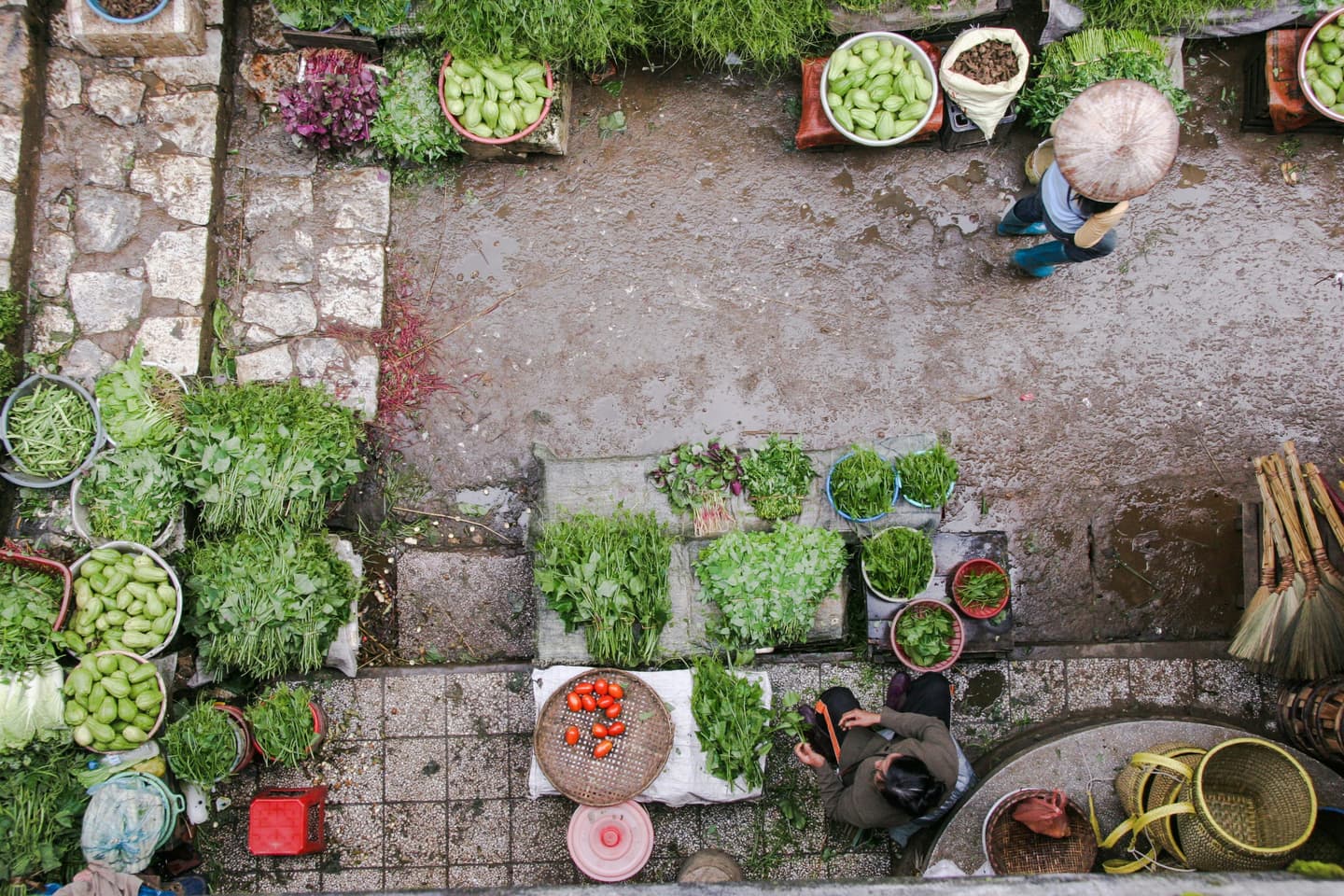
Sa Pa is a highland town in northwestern Vietnam's Hoang Lien Son mountains, celebrated for its cascading rice terraces, cool mountain air, and the ethnic minority communities — H'mong, Red Dao, Tay, Giay, and Xa Pho — who give the region its distinct cultural identity. It serves as the gateway to Fansipan, the highest peak in Indochina at 3,143 m, accessible by cable car or a two-to-three-day trek. While the town centre has grown heavily touristed, the surrounding valleys of Muong Hoa and villages like Ta Van and Lao Chai remain immersive and authentic. Sa Pa rewards visitors who explore beyond the main strip with some of Vietnam's most dramatic landscapes and traditional highland hospitality.
More cities for these months: Where to go in March · Where to go in April · Where to go in May · Where to go in September · Where to go in October · Where to go in November
Insider tips · Wanderlust Pro
Practical tips on the sights and neighbourhoods in this Sa Paguide — when to go, what most visitors miss. Written with AI about the guide's own places; double-check details before you go. Pro members see every tip.
The quick answers travelers want before they commit to flights, neighborhoods, and how long to stay.
Sa Pa has no airport — the nearest is Noi Bai International Airport (HAN) in Hanoi, approximately 320 km away. From Hanoi, three main options connect you to Sapa:
**Overnight Train + Transfer (most scenic):** Trains SP1 (departs 21:35) and SP3 (departs 22:00) run nightly from Hanoi Railway Station to Lao Cai, arriving around 05:30–06:00. Basic soft-sleeper berths on Vietnam Railways cost roughly VND 290,000–380,000 (~$12–15); private tourist carriages with deluxe 4-berth cabins run $30–80, and private 2-berth cabins $130–225. From Lao Cai station, a 35 km shuttle transfer (~1 hour, ~$4) brings you into Sapa town. Total door-to-door: ~9 hours.
**Direct Bus/Limousine Van (most popular):** Buses and VIP limousine vans depart Hanoi throughout the day and evening, arriving in Sapa in approximately 5–6 hours via the Noi Bai–Lao Cai Expressway. Bus fares start from USD 9.49; VIP limousine vans cost around VND 500,000–600,000 (~$20–25) and include hotel pickup. Many operators (Sapa Express, EcoSapa, G8 Sapa Open Tour) offer hotel-to-accommodation service.
**Private Car:** A private car or SUV covers the ~320 km in 4–5 hours with door-to-door service. Rates typically run $150–200 per vehicle one-way. Best for groups of 3–5. Book via trusted operators like A21 Tours or 12GoAsia.
Sapa town is compact — roughly 2×2 km — and walkable for most central attractions. For the surrounding valleys and villages, several options are available:
**On foot:** The most rewarding way to explore. Most treks to Muong Hoa Valley, Cat Cat Village, and nearby hamlets begin directly from town. Guided treks are strongly recommended for multi-day routes.
**Motorbike rental:** Available for ~VND 100,000 (~$4/day), though roads are steep and winding; experienced riders only. Most roads around town are unpaved and can be treacherous, especially in wet weather.
**Taxi & private car:** Local taxis and ride-hailing via Grab (available in Sa Pa) are the safest option for village transfers. A private car with driver costs from VND 2,000,000 (~$80/day) for a small car.
**Guided tours:** For village treks, booking through reputable local operators such as Ethos, Sapa Sisters, or Nomad Trails is recommended by Lonely Planet. Tours include transport to trailheads.
**Fansipan Cable Car:** The Muong Hoa funicular train runs from Sun Plaza in Sapa town to the cable car station; the 6 km cable car then takes ~15 minutes to reach Fansipan summit (3,143 m). Round-trip tickets run approximately £30 (~$38); book in advance to avoid queues.
Sa Pa's best windows are **spring (March–May)** and **autumn (September–November)**, when skies are clear, temperatures are comfortable, and trekking trails are at their most manageable. Spring brings mild temperatures around 15–22°C, blooming flowers, and water-flooded terraces that create spectacular mirror reflections at sunrise. Autumn is the photographers' favourite: from mid-September to early October the terraced fields transform into a radiant golden sea during rice harvest, with cool temperatures of 15–20°C and reliably dry weather ideal for Fansipan ascents.
**Summer (June–August)** sees the terraces turn bright green and lush, but heavy rains — particularly in June and July — make trails slippery and can cause landslides. It's also peak domestic tourism season, with higher prices and crowded weekends. **Winter (December–February)** is cold and foggy, with temperatures occasionally dipping to 0°C at night. Sa Pa is one of the only places in Vietnam that sometimes sees snow, creating a magical atmosphere — but pack warm layers. Visiting on weekdays in any season helps avoid the large domestic tour groups that descend on weekends year-round.
Arrive from your overnight bus or train transfer from Hanoi. Check in and recover with a Vietnamese highland breakfast — try Thang Co (traditional H'mong stew) or fresh pho at the market. Stroll Sapa town centre and visit the Stone Church.
Take the funicular from Sun Plaza to the Fansipan cable car and ride the 6 km cable car to the summit of Fansipan (3,143 m) — the Roof of Indochina. Explore the pagoda complex and Buddha statue at the top. Book tickets in advance to avoid queues.
Return to town and head to Ham Rong Mountain Garden for panoramic valley views at sunset. Dine on local specialties — grilled stream fish, smoked buffalo, or corn wine — at a restaurant in the town centre.
Join a guided village trek into Muong Hoa Valley, departing early to beat the crowds. Walk through bamboo forests and terraced fields toward Lao Chai and Ta Van villages, home to H'mong and Giay communities.
Continue through the valley to Y Linh Ho or Ta Giang Phinh village. Share a home-cooked lunch with a local family. Observe — or participate in — traditional weaving or indigo dyeing.
Return to Sapa town or stay the night in a valley homestay for a true highland experience. If staying in town, visit the Saturday night Love Market to watch ethnic minorities gather for music, dance, and cultural exchange.
Take a taxi or motorbike (~15 km) to Ta Phin Village to experience the Red Dao community. Between December and March, go strawberry picking. Explore the village on foot and browse hand-embroidered textiles and silver jewellery.
Indulge in a traditional Red Dao herbal bath — tubs infused with foraged mountain herbs including elderberry, Vietnamese balm, and wild pepper leaves — at a local-run facility in Ta Phin or a spa back in Sapa town. Perfect post-trek recovery.
Head to Bac Ha (1 hour away) if your departure falls on a Sunday for the famous tribal market, or browse Sapa market for ethnic handicrafts before catching your overnight bus or train back to Hanoi.
Real coworking spaces, laptop-friendly cafés, and libraries mapped near the center of the city — the closest, best-rated desks first.
No coworking-ready spots surfaced for this city yet.
Pick a different category or check back once we’ve indexed more desks for this city.
Ask for cafés, quiet neighborhoods, date-night spots, or a first 48-hour plan.
Mention calls, Wi-Fi needs, or how much of the day has to stay laptop-friendly.
Get faster answers on where to stay, when to move neighborhoods, and what to skip.
Written by signed-in Wanderlust members. We don't check that a reviewer has visited.
No reviews of Sa Pa yet.
Tell the planner your dates, who's coming, your budget and pace, and it drafts a day-by-day itinerary you can edit.
Wanderlust Pro
Insider tips for Sa Pa, unlimited AI-built itineraries, and travel companions you can invite to plan a trip together. From $5.00/month, billed annually.
Insider tips · Wanderlust Pro
Practical tips on the sights and neighbourhoods in this Sa Paguide — when to go, what most visitors miss. Written with AI about the guide's own places; double-check details before you go. Pro members see every tip.