City guide · Updated June 2026
AsiaVietnam10.8° · 106.7°
Ho Chi Minh City,Vietnam.
Saigon's electric streets serve up history, world-class street food, and a skyline that never sleeps.
Ho Chi Minh City · VN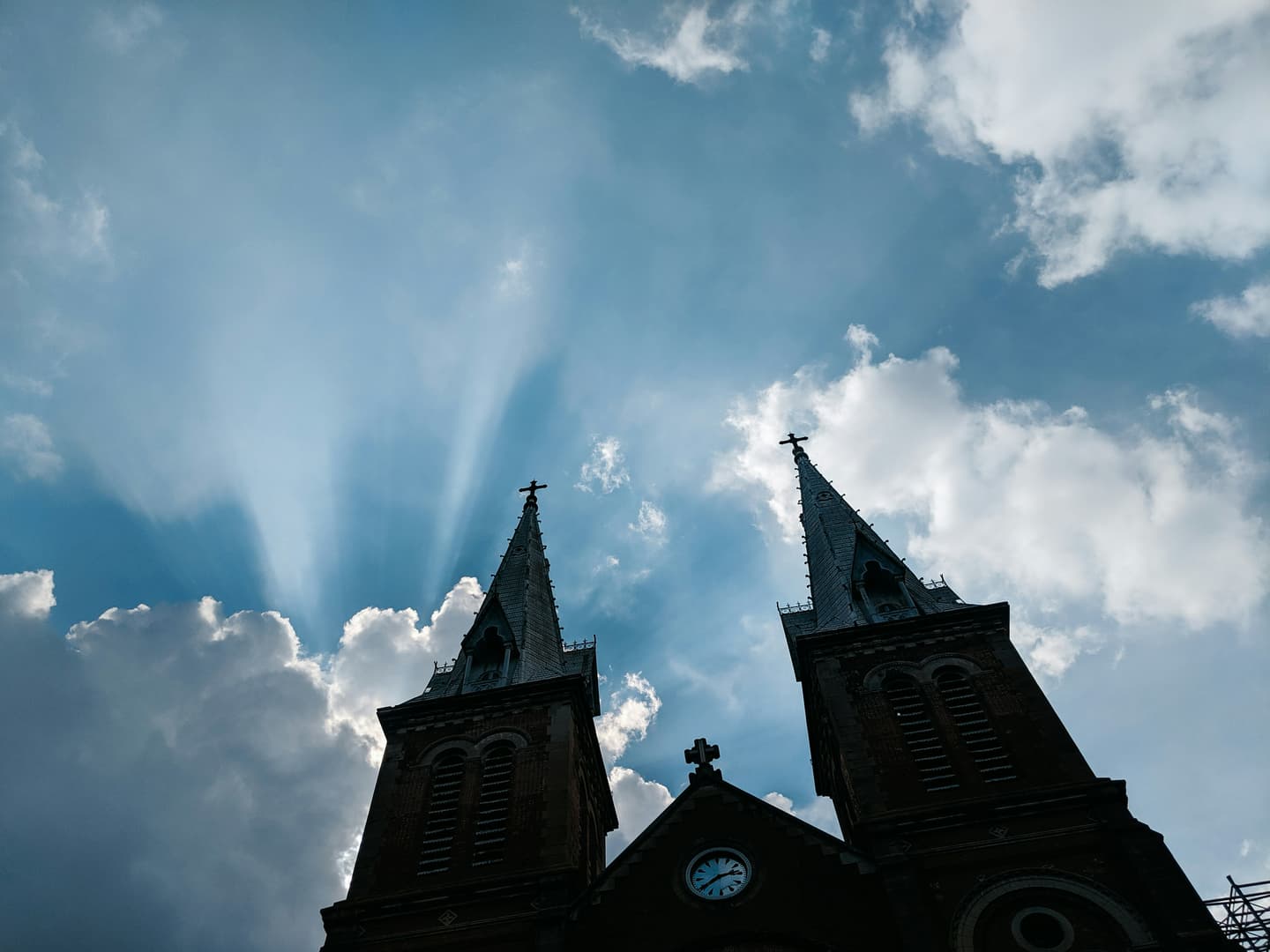
Ho Chi Minh CityVietnam
★
Tan Son Nhat International Airport (SGN)NEAREST AIRPORT
Population
7,653,930
Total residents
Global rank
#713
Wanderlust index
Best time
December to March
Peak window
Time zone
Asia/Ho_Chi_Minh
Local time
Currency
Vietnamese Dong (VND)
Money in use
Language
Vietnamese
Spoken locally
01 · Overview
About Ho Chi Minh City
Saigon's electric streets serve up history, world-class street food, and a skyline that never sleeps.
Ho Chi Minh City — still widely called Saigon — is Vietnam's largest metropolis and its commercial engine, where French colonial architecture stands beside gleaming skyscrapers and centuries-old temples hide behind bustling markets. The atmosphere is fast-paced and full of contrasts: rooftop bars, motorbike-choked avenues, profound war-era landmarks, and an extraordinary culinary scene all compete for your attention. As the gateway to southern Vietnam, it's also the launchpad for iconic day trips to the Cu Chi Tunnels and the Mekong Delta.
02 · Wanderlust scorecard
How Ho Chi Minh City scores
Ratings run 0 to 5 unless marked. They come from our AI-assisted research and are refreshed on a rolling basis.
5
/ 5
Cost of living
Affordability, 0–5. Higher means cheaper.
4
/ 5
Leisure
Leisure rating, 0–5.
96
Mbps
Connectivity
Median internet speed.
3
/ 5
Safety
Safety rating, 0–5. Higher is safer.
3.5
/ 5
Overall livability
Overall rating, 0–5.
2.5
/ 5
Air quality
Air-quality rating, 0–5. Higher is cleaner.
6.6
index
Index score
Wanderlust ranking, 0–10: overall, safety, internet, cost, leisure and air quality, weighted.
03 · Weather & when to go
Best time to visit Ho Chi Minh City
Current weather and the forecast, and the months our research rates best for a visit.
Month by month
Best months Either side Other months
Jan
Feb
Mar
Apr
May
Jun
Jul
Aug
Sep
Oct
Nov
Dec
Sweet spot: December to March — the heart of the dry season — offers the most comfortable sightseeing weather with clear skies and manageable humidity..
More cities for these months: Where to go in January · Where to go in February · Where to go in March · Where to go in December
04 · Things to do
Things to do in Ho Chi Minh City
Top sights from our AI-assisted research, and other places we have photos of.
Top sight
Top sight
Reunification Palace (Independence Palace)
Top sight
Top sight
Bui Vien Walking Street
05 · Monthly cost of living
Cost of living in Ho Chi Minh City
Estimated monthly totals in USD from our AI-assisted research, one per profile. Treat them as a starting point for a budget, not a quote.
$1,100
estimated monthly spend · USDProfileExpat
Price references — vs. profile benchmarks
Nomadmonthly spend · USD
$1,186
+8%
Expatmonthly spend · USD
$1,100
baseline
Familymonthly spend · USD
$3,386.6
+208%
Localmonthly spend · USD
$855.1
-22%
Median fiber speeddownload · Mbps
96
Mbps
06 · Neighborhoods
Where to stay in Ho Chi Minh City
Neighborhoods our AI-assisted research lists as popular with visitors.
District 1 (City Centre)
District 3
District 5 – Chinatown (Cho Lon)
District 2 / Thu Duc City
07 · Insider tips
Sights and neighbourhoods, with a tip each.
Practical tips on places from this Ho Chi Minh City guide, written with AI. One is free; Pro members see the rest. Double-check details before you go.
Insider tips · Wanderlust Pro
Practical tips on the sights and neighbourhoods in this Ho Chi Minh Cityguide — when to go, what most visitors miss. Written with AI about the guide's own places; double-check details before you go. Pro members see every tip.
08 · Practical notes
Practical information for Ho Chi Minh City
The essentials from this guide's data, in one place.
01
Getting there
- Nearest airport — Tan Son Nhat International Airport (SGN)
02
Money
- Currency — Vietnamese Dong (VND)
- Affordability — 5/5 on the Wanderlust index (higher is cheaper)
03
Internet
- Median speed — 96 Mbps
- Internet score — 1.9/5
04
Safety
- Safety score — 3/5 from our AI-assisted research
05
Language
- Primary language — Vietnamese
06
Timing
- Best window — December to March — the heart of the dry season — offers the most comfortable sightseeing weather with clear skies and manageable humidity.
- Time zone — Asia/Ho_Chi_Minh
Questions
Frequently asked, plainly answered.
The quick answers travelers want before they commit to flights, neighborhoods, and how long to stay.
Is Ho Chi Minh City safe for travelers?+
Ho Chi Minh City has a safety rating of 3 out of 5.
What is the best time to visit Ho Chi Minh City?+
The best time to visit Ho Chi Minh City is December to March — the heart of the dry season — offers the most comfortable sightseeing weather with clear skies and manageable humidity..
How expensive is Ho Chi Minh City?+
Ho Chi Minh City has an affordability score of 5 out of 5, where 5 is most affordable.
What is the internet speed in Ho Chi Minh City?+
Ho Chi Minh City has an average internet speed of 96 Mbps.
What currency does Ho Chi Minh City use?+
The currency used in Ho Chi Minh City is Vietnamese Dong (VND).
What language is spoken in Ho Chi Minh City?+
The primary language spoken in Ho Chi Minh City is Vietnamese.
Researched city guide
Getting there, getting around and when to go
Written with AI-assisted web research. Where we have sources, they are listed under each part.
What works
- Exceptionally low cost of living — comfortable nomad lifestyle from ~USD 1,200/month
- World-class street food and coffee culture on virtually every corner
- Brand-new Metro Line 1 (opened Dec 2024) eases cross-city transit
- Fast, affordable broadband (~96–163 Mbps) perfect for remote work
- Rich historical depth: war museums, colonial architecture, and Cu Chi Tunnels day trips
- Vibrant 24/7 nightlife, rooftop bars, and an energetic social scene
What to weigh
- Heavy traffic and air pollution remain persistent city-wide challenges
- Intense heat and humidity, especially March–May
- Rainy season (May–November) can cause localised flooding
- Noise and chaos of motorbike traffic takes adjustment for first-timers
- Public healthcare is not accessible to foreigners — private insurance is essential
Getting in
How to arrive
Tan Son Nhat International Airport (SGN) is Vietnam's busiest airport and sits just 6–8 km from District 1, making it one of the most centrally located airports in Asia. The journey to the city centre typically takes 20–45 minutes depending on traffic. By metered taxi, expect to pay around 150,000–200,000 VND (~USD 6–8) plus a 10,000 VND airport surcharge. Ride-hailing apps Grab, Be, and Xanh SM are slightly cheaper at roughly 130,000–170,000 VND (~USD 5–7) and let you lock in a price before boarding. Budget travellers can take Bus 109 (airport express) or Bus 152 directly to Ben Thanh Market for just 6,000 VND, though the ride takes around 45–50 minutes. Intercity trains and long-distance buses also connect HCMC to Hanoi, Da Nang, and other Vietnamese cities from the Saigon Railway Station.
Getting around
Moving through the city
HCMC's brand-new Metro Line 1 — opened December 2024 — runs 19.7 km (12.2 miles) with 14 stops from historic Ben Thanh Market to Thu Duc City in the northeast, passing landmarks like the Opera House and Nguyen Hue boulevard. Trains run every 8 minutes at peak times and accept contactless payment via Visa, Mastercard, Apple Pay, Google Pay, and Samsung Pay. For everything else, ride-hailing apps Grab and Be are the go-to choice: a GrabBike across town costs USD 1–3 and a GrabCar USD 3–8. Traditional metered taxis (Mai Linh, Vinasun) are plentiful and reliable. Motorbike rental runs USD 50–80 per month for the truly city-immersed. Public buses are extensive and extremely cheap — a single ride is about USD 0.25–0.40 — but routes can be hard to navigate without the Vietnamese-language map app. Traffic remains heavy citywide, so the metro and motorbike are the fastest options during rush hour.
When to go
Timing your trip
HCMC has a tropical climate with just two seasons: dry (December–April) and rainy (May–November). The dry season is the sweet spot for most visitors — skies stay clear, humidity drops, and average temperatures hover between 28°C and 35°C (82–95°F). December and January are the most comfortable months for walking tours and rooftop dining, while the festive energy of Tet (Vietnamese Lunar New Year, usually January–February) transforms the city with vivid decorations, dragon dances, and buzzing night markets — just note that some businesses close for the holiday. March and April remain largely dry but grow hotter, making them a quieter and slightly cheaper alternative. The rainy season brings dramatic afternoon downpours that typically clear within an hour, leaving the air fresher and the Mekong Delta countryside a vivid green. Accommodation and tour prices dip significantly from June to October, and major attractions see far fewer crowds — a worthwhile trade-off for travellers who don't mind an umbrella.
Plan your trip
3 days in Ho Chi Minh City: a sample itinerary
A ready-made starting point. Make it your own — clone it into an editable journey and reshape every stop.
Day 01
Day 1 – Colonial Core & War History
Morning
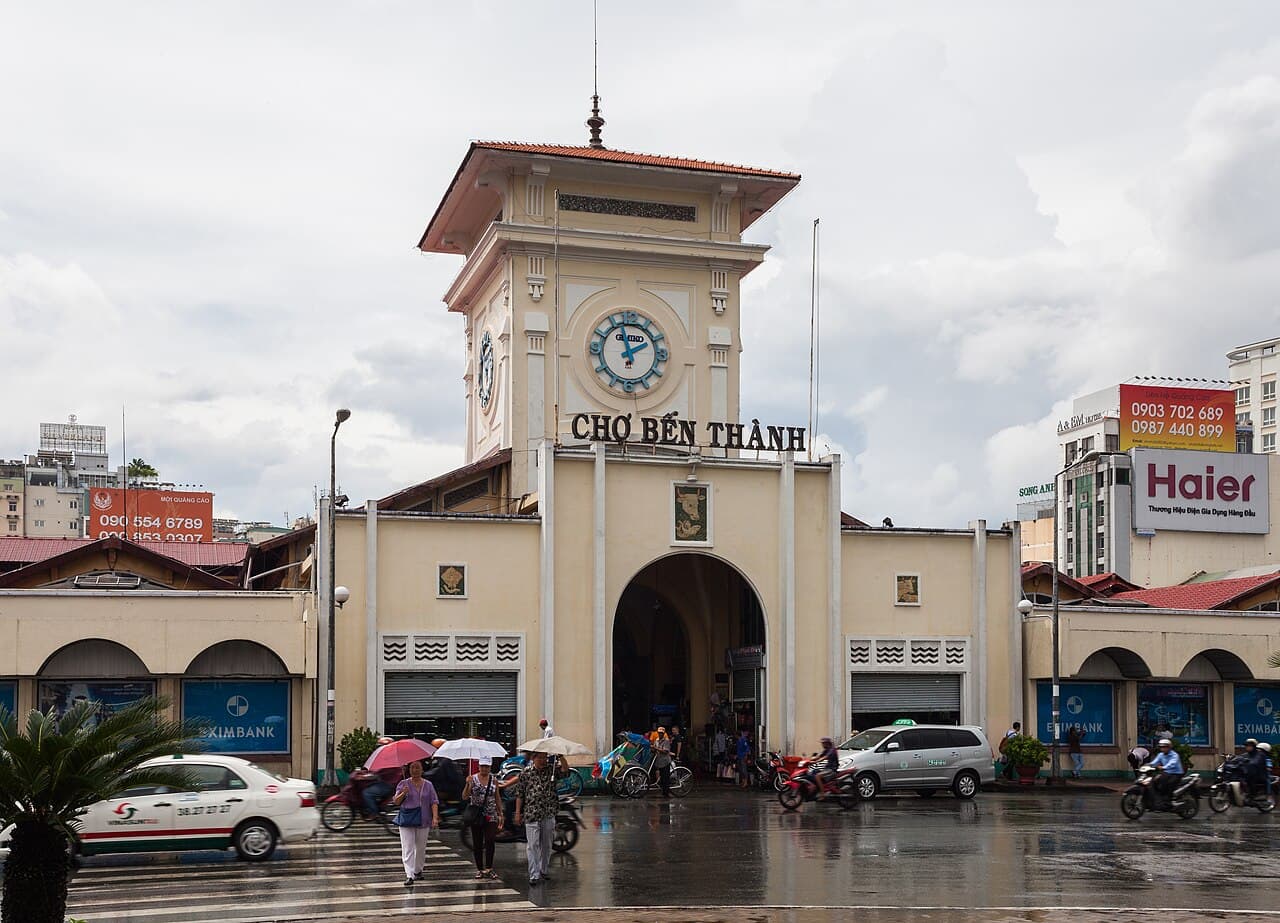
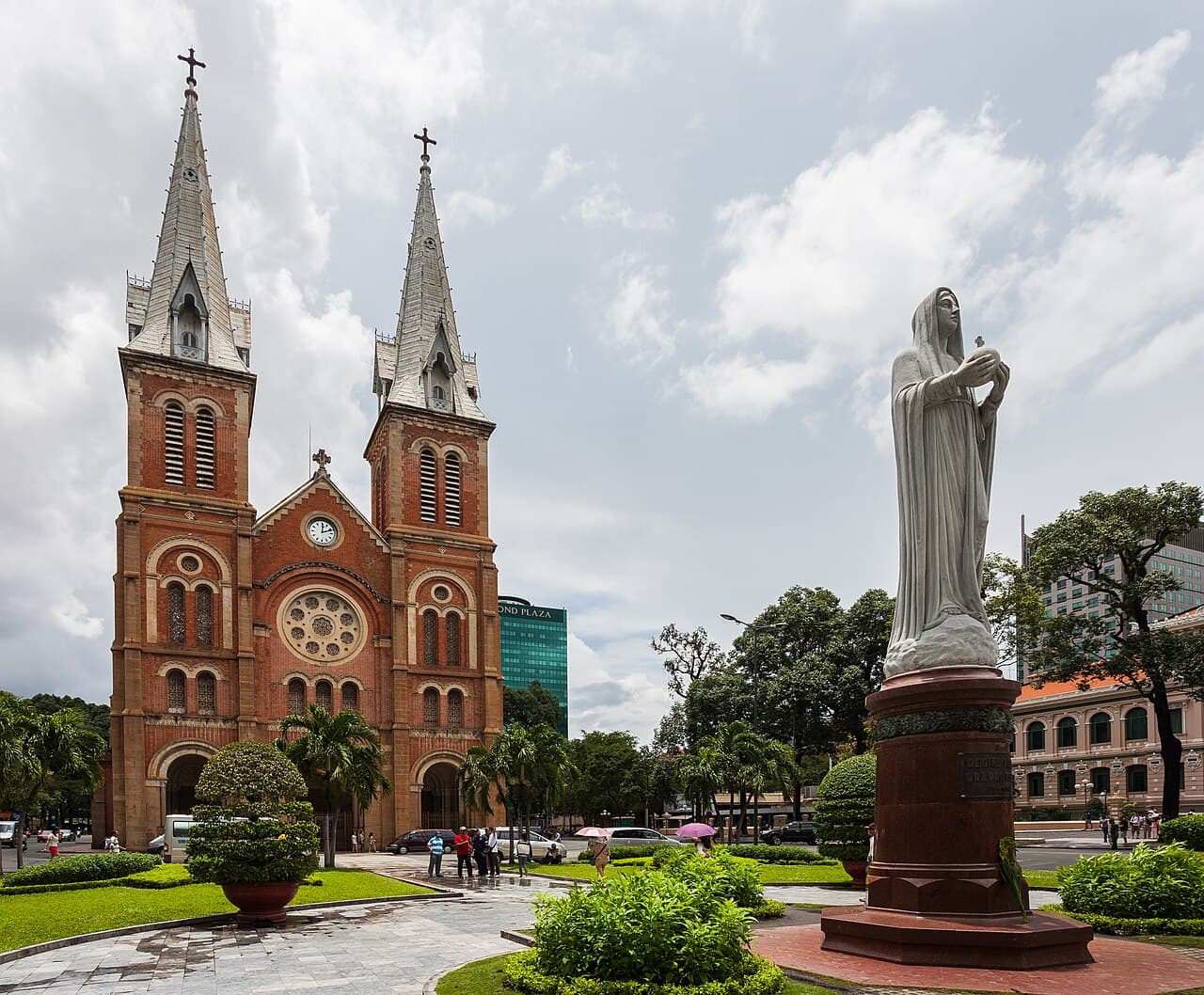
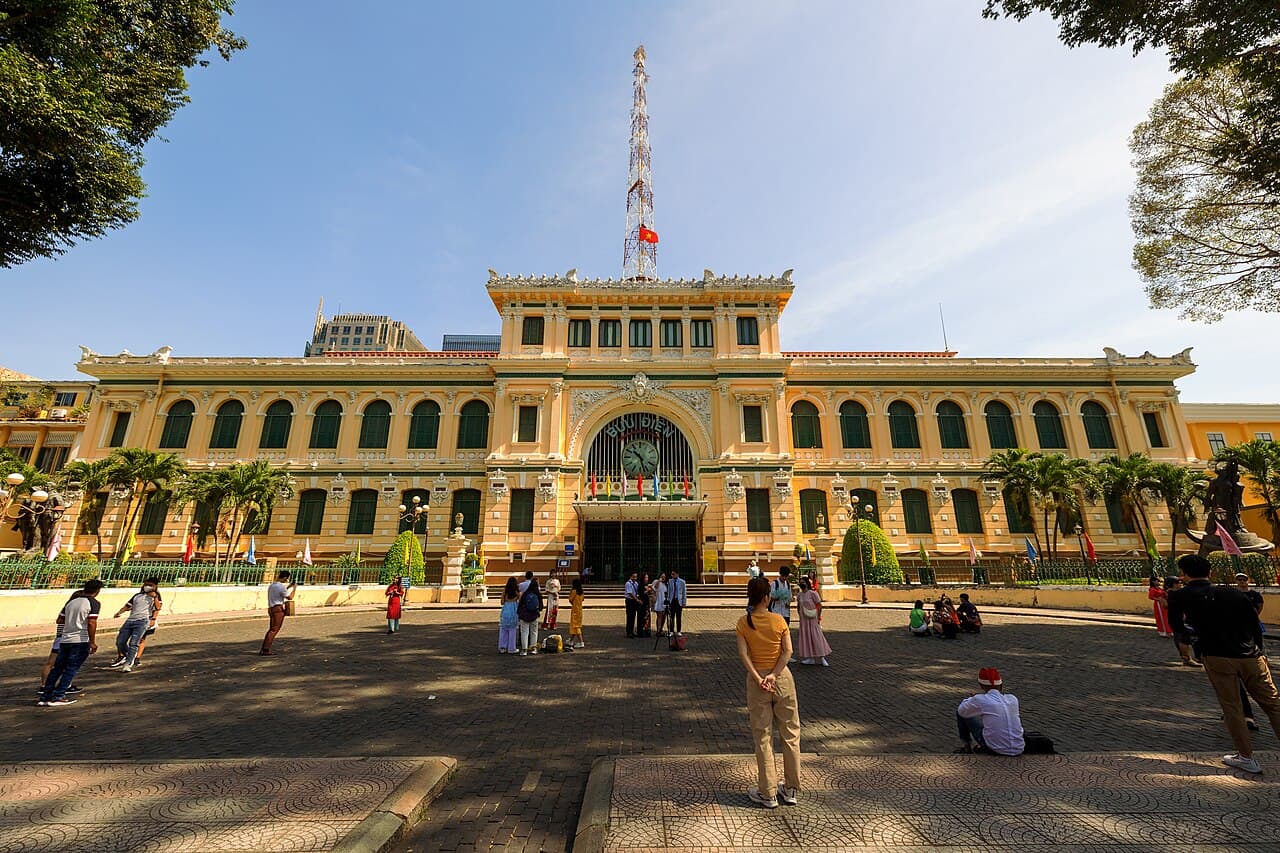
Start at the Notre Dame Cathedral Basilica and the ornate Saigon Central Post Office, both iconic French colonial landmarks in District 1. Walk the pedestrianised Nguyen Hue boulevard to Ben Thanh Market for breakfast pho and a first taste of local life.
Afternoon
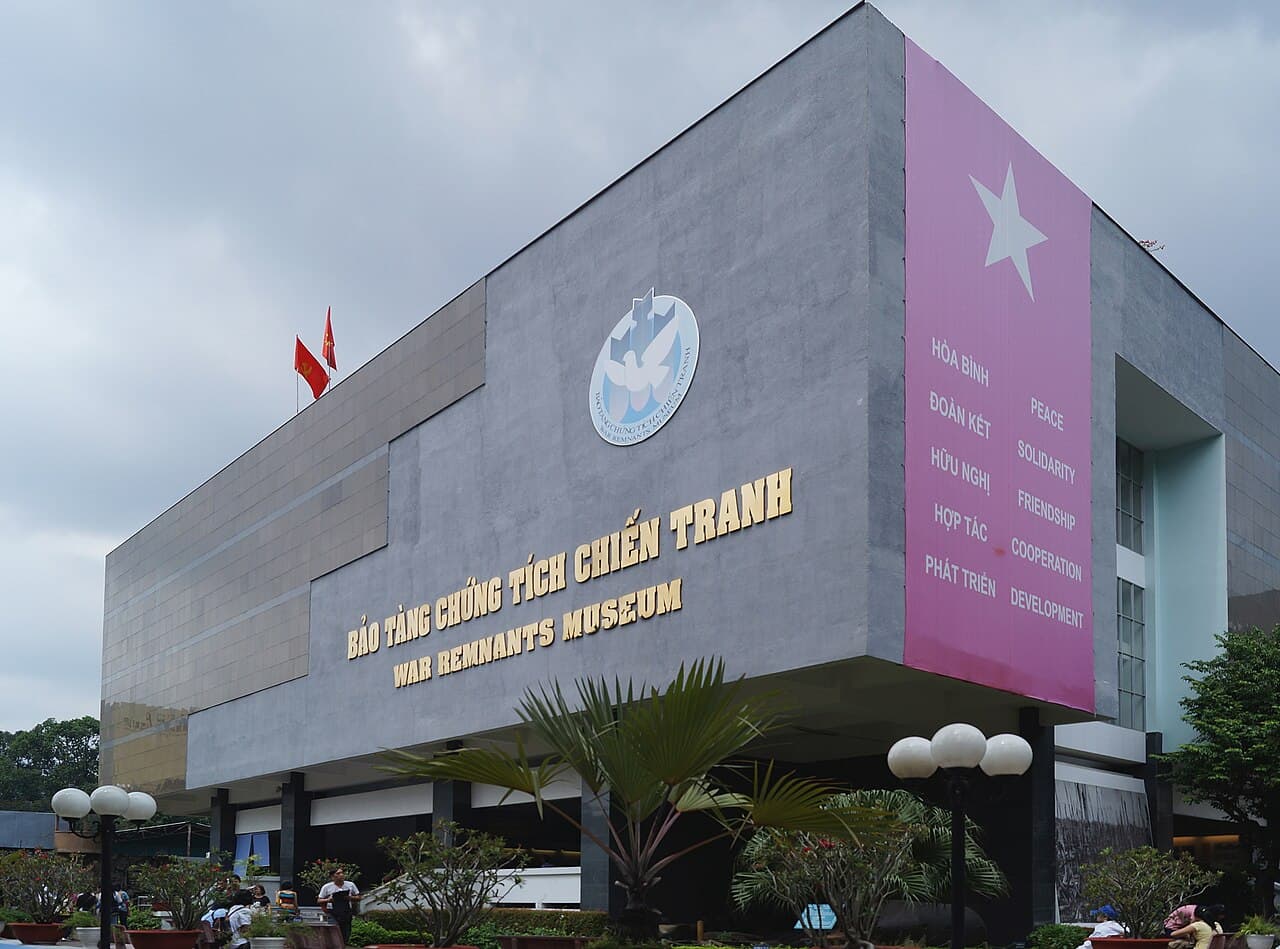
Head to the sobering War Remnants Museum to understand Vietnam's 20th-century history, then cross to the Reunification Palace (Independence Palace) for a self-guided tour of its remarkably preserved 1970s interiors.
Evening
Grab a pre-dinner Vietnamese iced coffee at a pavement cafe, then climb to a rooftop bar above District 1 for sunset views over the Saigon River. Dinner on buzzing Bui Vien Walking Street — beer hoi (fresh draught beer) and grilled seafood await.
Day 02
Day 2 – Chinatown, Markets & the New Metro
Morning
Ride Metro Line 1 to explore Thu Duc City or hop off near the Opera House. Double back to District 5's Cho Lon (Chinatown) — the largest in Vietnam — to wander Binh Tay Market, the Chua Quan Am Temple, and the spice-laden Hai Thuong Lan Ong street.
Afternoon
Return to District 1 for lunch at a local com tam (broken rice) restaurant, then visit the Ho Chi Minh City Museum (the former Governor's Palace) for artefacts spanning the city's layered colonial and revolutionary past.
Evening
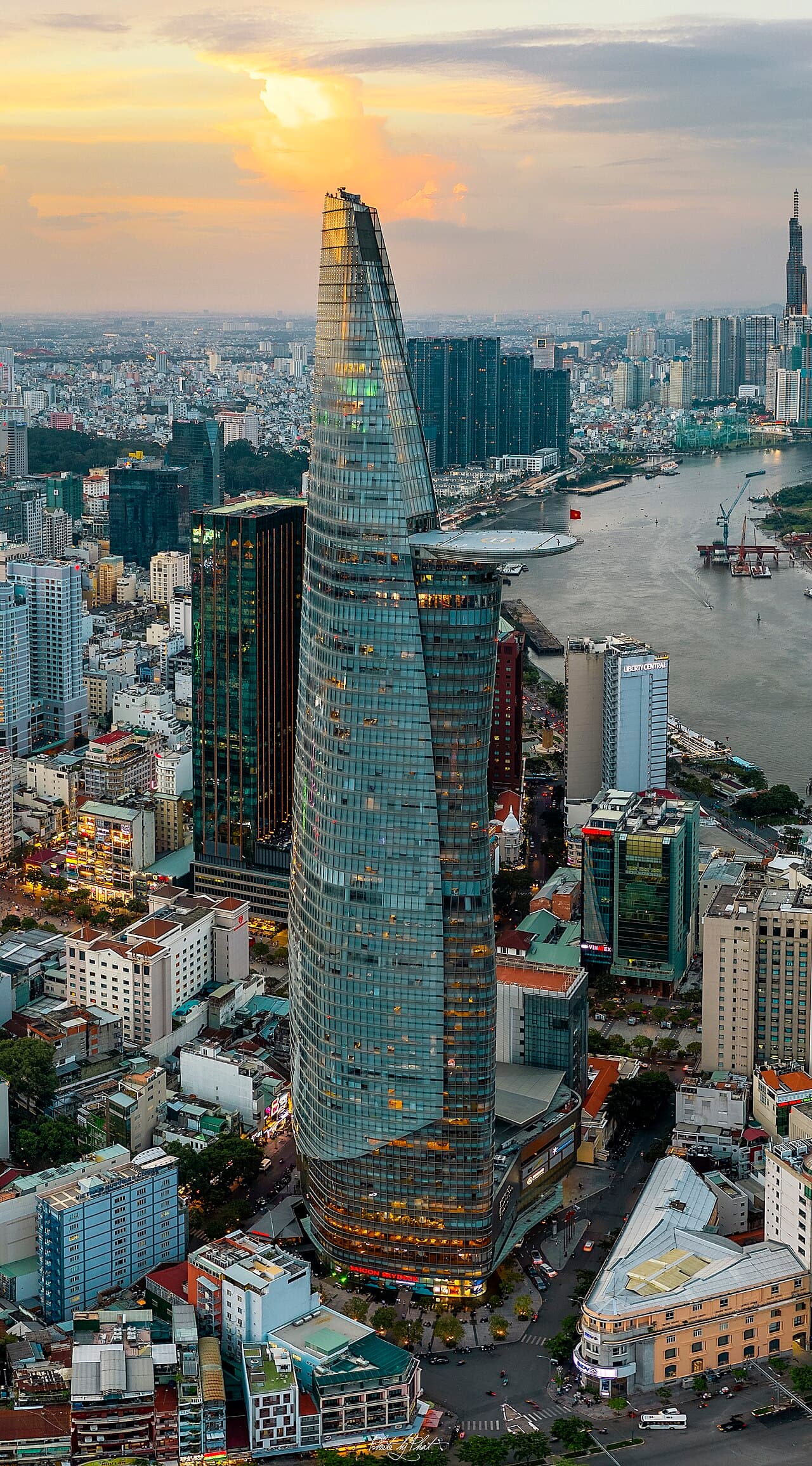
Take a sunset Saigon River cruise for a different perspective on the skyline, then wind up the evening at the rooftop observation deck of Bitexco Financial Tower for panoramic night views.
Day 03
Day 3 – Cu Chi Tunnels Day Trip
Morning
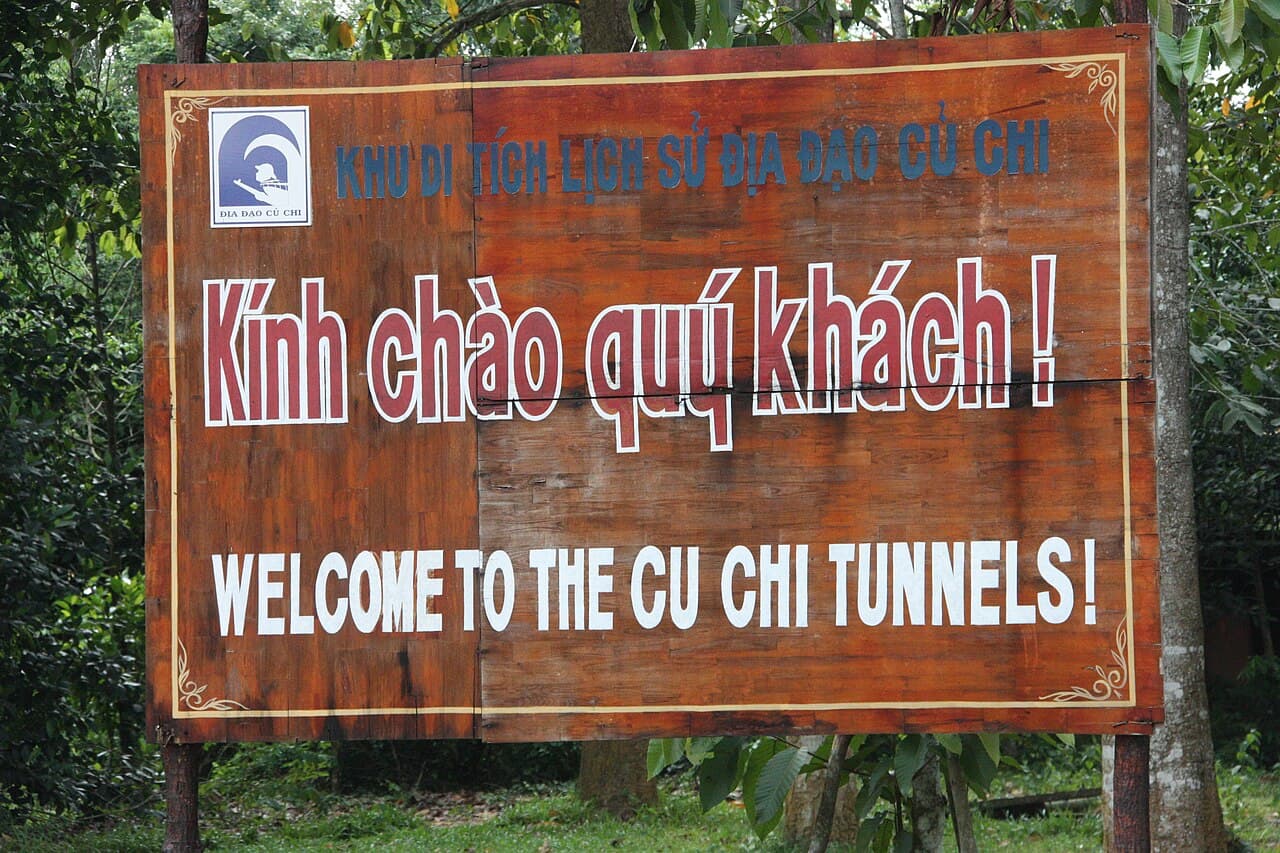
Join an early morning guided tour to the Cu Chi Tunnels (~40 km northwest). Descend into the claustrophobic wartime tunnel network used by the Viet Cong, see booby-trap exhibits, and learn about guerrilla warfare tactics at this extraordinary underground complex.
Afternoon
Return to the city by early afternoon. Decompress with a local lunch in District 4, famous for its authentic street food stalls — try banh mi, bun mam, or freshly grilled banh trang nuong.
Evening
End your trip with a leisurely foodie stroll through the backstreets of District 3, sampling Vietnamese dessert soups (che) and stopping at a neighbourhood coffee shop for a final ca phe sua da before heading home.
Work-ready layer
Coworking spots and laptop-friendly anchors.
Real coworking spaces, laptop-friendly cafés, and libraries mapped near the center of the city — the closest, best-rated desks first.
Spots surfaced0
Categories—
Mapped0
No coworking-ready spots surfaced for this city yet.
Map pending
No mapped workspace points yet.
Pick a different category or check back once we’ve indexed more desks for this city.
Concierge
Ask the Ho Chi Minh City concierge.
Share your travel style, must-see spots, or work schedule and the concierge will help turn this guide into something personal.
Personal trip brief
Tell it what kind of trip you're trying to have, and it will tighten the plan.
01
Travel style
Ask for cafés, quiet neighborhoods, date-night spots, or a first 48-hour plan.
02
Work constraints
Mention calls, Wi-Fi needs, or how much of the day has to stay laptop-friendly.
03
Real tradeoffs
Get faster answers on where to stay, when to move neighborhoods, and what to skip.
Traveler reviews
Reviews of Ho Chi Minh City
Written by signed-in Wanderlust members. We don't check that a reviewer has visited.
★★★★★
Ho Chi Minh City: A Vibrant Mélange of Past and Present
“Ho Chi Minh City, often still referred to as Saigon by locals and tourists alike, pulsates with an energy unmatched by most cities around the world. A melting pot of historic charm and modern dynamism, the city entices visitors with its French colonial landmarks juxtaposed against sleek skyscrapers, frenzied traffic zipping past bustling street food stalls, and vibrant markets that sing the tales of its rich past. The city's resilience shines through its people's infectious warmth and entrepreneurial spirit, making Ho Chi Minh City not just a place to explore, but an experience to be imbibed and cherished.”
M
mike
4/5 · August 2023
Plan a trip to Ho Chi Minh City.
Tell the planner your dates, who's coming, your budget and pace, and it drafts a day-by-day itinerary you can edit.
★ 4.0 (1 member review)
Saved by 1 Wanderlusters
Wanderlust Pro
Insider tips for Ho Chi Minh City, unlimited AI-built itineraries, and travel companions you can invite to plan a trip together. From $5.00/month, billed annually.