Top sight
Top sight
Vietnam's "Pearl Island" — turquoise Gulf waters, lush national park, and a visa-free gateway to Southeast Asia.

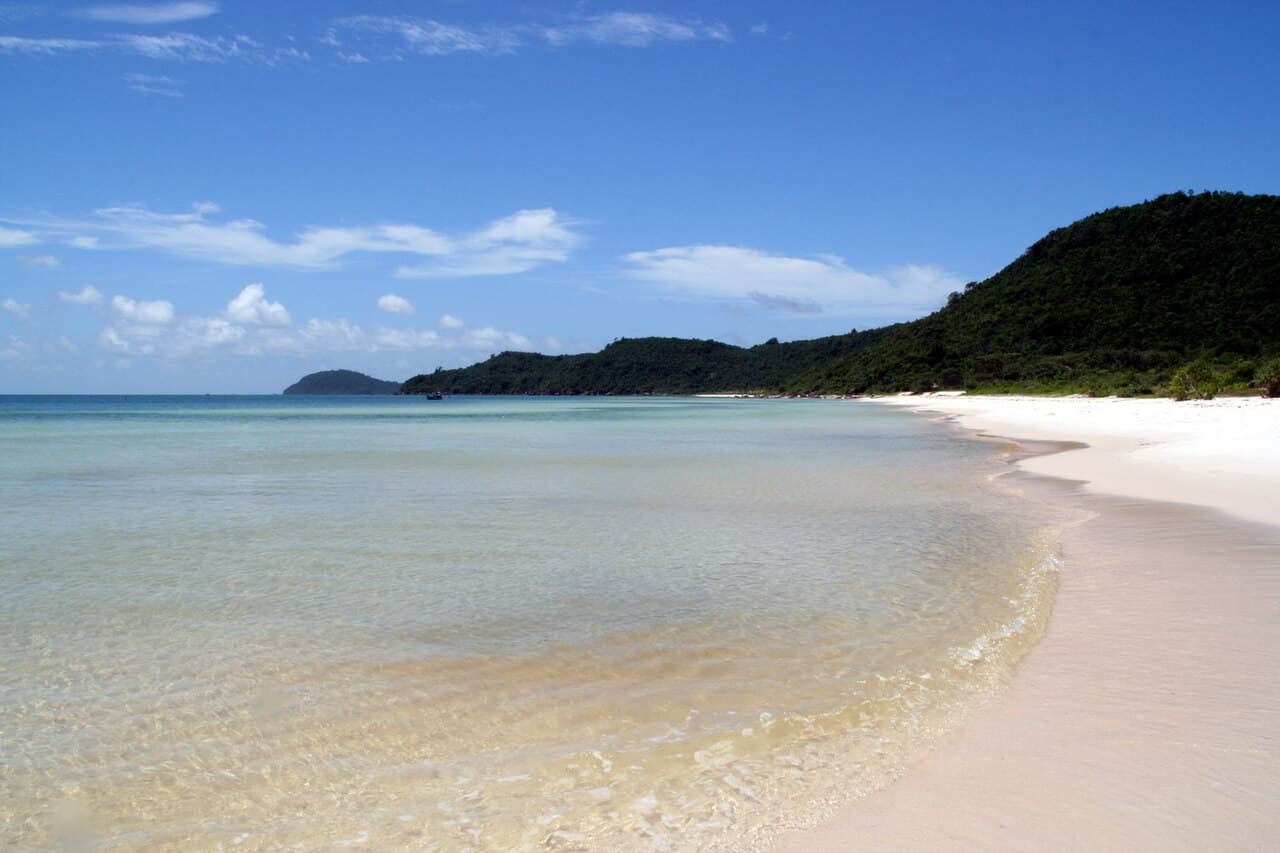
Phu Quoc is Vietnam's largest island, sitting in the Gulf of Thailand off the southwestern coast and often called the "Emerald Island" for its powdery white-sand beaches and jungle-covered interior. Its 150-kilometre coastline, framed by 99 mountains and dense primeval forest, earned it recognition as Asia's most beautiful island (Condé Nast Traveler 2025) and four consecutive "World's Leading Nature Island Destination" titles. Beyond the beaches, visitors find traditional fishing villages, world-famous fish sauce and pepper farms, a vast national park, and a fast-growing resort and entertainment scene anchored by VinWonders and Grand World.
More cities for these months: Where to go in January · Where to go in February · Where to go in March · Where to go in April · Where to go in November · Where to go in December
Insider tips · Wanderlust Pro
Practical tips on the sights and neighbourhoods in this Phu Quocguide — when to go, what most visitors miss. Written with AI about the guide's own places; double-check details before you go. Pro members see every tip.
The quick answers travelers want before they commit to flights, neighborhoods, and how long to stay.
**By Air (recommended):** Phu Quoc International Airport (PQC) sits just 10 minutes from Duong Dong town and is the main gateway to the island. Direct domestic flights operate from Ho Chi Minh City (~1 hr), Hanoi (~2 hrs), Da Nang, and other Vietnamese cities; one-way fares start from around 1,500,000 VND (~$60 USD). International direct connections link PQC with Seoul, Taipei, Hong Kong, Bangkok, and Kuala Lumpur — and, crucially, Phu Quoc offers a 30-day visa-free stay for most nationalities arriving directly by air from abroad, without the need for a Vietnamese visa. Note: transiting via another Vietnamese city voids this exemption. **By Ferry:** If you are already in southern Vietnam, high-speed ferries run daily from Ha Tien (~1–1.5 hrs) and Rach Gia (~1.5–3 hrs depending on operator). Superdong ferries from Rach Gia cost approximately 240,000–330,000 VND; Phu Quoc Express from the same port runs 270,000–540,000 VND. Ferries also carry motorbikes.
**Motorbike rental** is the most popular and flexible way to explore the island. Rentals cost approximately 120,000–200,000 VND/day (~$5–8 USD) from shops along Hai Ba Trung Street in Duong Dong or from most hotels. Roads are wide and gentle compared to Vietnam's mainland cities, making it a trip highlight for many visitors. **Ride-hailing apps:** Grab and Xanh SM (XanhSM) operate island-wide with clear upfront pricing; XanhSM also offers half-day or full-day island tours for 500,000–1,300,000 VND. **Free VinBus:** Phu Quoc's free electric VinBus shuttle connects PQC Airport with Duong Dong, Grand World, VinWonders, and key Long Beach resorts, running every 15–30 minutes from 5 AM to 10 PM; paid routes on other lines cost just $0.80–$2 USD. **Buses:** Public bus fares range from $2–$3 USD and cover several island routes. **Taxis:** Mai Linh and Vinasun are reputable metered taxi options. **Boat:** Day-boat rentals for island hopping run approximately $100/boat for up to 4 people.
Phu Quoc enjoys a tropical monsoon climate with year-round warmth averaging 27–28°C. The island divides neatly into two seasons. The **dry season (November–April)** is peak travel time: skies are clear, seas are calm, humidity is low, and underwater visibility can reach 20 metres — ideal for snorkelling and diving, with December–March being the sweet spot. This is also when island-hopping tours to the An Thoi Archipelago run reliably. Prices and crowds peak from December to February, so book accommodation well ahead. The **wet/rainy season (May–October)** brings afternoon downpours, rougher western-facing seas, and higher humidity, but also lusher green landscapes, fewer tourists, and noticeably lower prices. The east and south coasts (Sao Beach, Khem Beach) remain calmer during monsoon months. Shoulder months — April and October — offer a useful middle ground: manageable weather, lighter crowds, and transitional natural beauty.
Arrive at PQC Airport — take the free VinBus or a short taxi to Duong Dong. Check in, then stroll the town: browse the Dinh Cau Night Market area by day, visit the Dinh Cau Temple at the river mouth, and pick up locally produced black pepper and fish sauce from market stalls.
Head south along Long Beach (Bai Truong) — rent a sunlounger, swim in the gentle Gulf waters, and explore the beachside bars and restaurants that line the 20-km strip.
Return to Dinh Cau Night Market after dark for a feast of grilled seafood, herring salad, and crab noodle soup at local prices. Watch the market come alive with vendors and locals.
Join a full-day boat tour departing from An Thoi Port in the south. Tours typically visit 3–4 islands in the An Thoi Archipelago, starting with snorkelling over vibrant coral reefs — visibility is best in the dry season. Look for tropical fish, sea turtles, and colourful soft corals.
Continue to Starfish Beach (Rach Vem) and a secluded island for swimming and a fresh seafood lunch on board. Most organised tours include squid fishing in the afternoon.
Return to Duong Dong and unwind at one of Long Beach's sunset bars. Try locally-brewed Sim wine — made from wild forest berries — as the sky turns amber over the Gulf of Thailand.
Rent a motorbike and ride north into Phu Quoc National Park — the park covers over half the island and rewards short hikes with waterfalls, rock pools, and birdsong. Continue to the secluded north-coast beaches of Ganh Dau and Bai Thom, hidden behind dirt roads.
Stop at a traditional fishing village such as Ham Ninh or Rach Vem Floating Village for a local seafood lunch. Visit a fish sauce factory to see how Phu Quoc's world-famous condiment is fermented and aged in giant wooden barrels.
Head to the Hon Thom Cable Car (longest non-stop cable car over the sea in the world) for panoramic island and sunset views, or explore VinWonders for an evening of entertainment before a final dinner in Duong Dong.
Real coworking spaces, laptop-friendly cafés, and libraries mapped near the center of the city — the closest, best-rated desks first.
No coworking-ready spots surfaced for this city yet.
Pick a different category or check back once we’ve indexed more desks for this city.
Ask for cafés, quiet neighborhoods, date-night spots, or a first 48-hour plan.
Mention calls, Wi-Fi needs, or how much of the day has to stay laptop-friendly.
Get faster answers on where to stay, when to move neighborhoods, and what to skip.
Written by signed-in Wanderlust members. We don't check that a reviewer has visited.
No reviews of Phu Quoc yet.
Tell the planner your dates, who's coming, your budget and pace, and it drafts a day-by-day itinerary you can edit.
Wanderlust Pro
Insider tips for Phu Quoc, unlimited AI-built itineraries, and travel companions you can invite to plan a trip together. From $5.00/month, billed annually.
Insider tips · Wanderlust Pro
Practical tips on the sights and neighbourhoods in this Phu Quocguide — when to go, what most visitors miss. Written with AI about the guide's own places; double-check details before you go. Pro members see every tip.