Top sight
Top sight
India's geographic heartland — the Orange City blends Buddhist heritage, wildlife gateways, and laid-back Vidarbha charm.

Nagpur sits at the exact geographic center of India, a distinction marked by the iconic Zero Mile Marker in Civil Lines. Known as the "Orange City" for its world-famous citrus exports, it is also Maharashtra's winter capital and home to Deekshabhoomi, one of the largest Buddhist stupas on earth. The city serves as an ideal base for exploring central India's tiger reserves — Tadoba, Pench, and Nagzira — while offering a walkable, affordable urban core rich in lakes, gardens, and history.
More cities for these months: Where to go in January · Where to go in February · Where to go in October · Where to go in November · Where to go in December
Insider tips · Wanderlust Pro
Practical tips on the sights and neighbourhoods in this Nagpurguide — when to go, what most visitors miss. Written with AI about the guide's own places; double-check details before you go. Pro members see every tip.
The quick answers travelers want before they commit to flights, neighborhoods, and how long to stay.
The main gateway is Dr. Babasaheb Ambedkar International Airport (IATA: NAG), located approximately 8–9.5 km from the city centre. It has direct domestic connections to Mumbai, Delhi, Kolkata, and Hyderabad, plus international routes to Sharjah and Doha. From the airport, taxis hired from the arrivals lounge reach the city centre in roughly 20 minutes. A shuttle bus (electric A/C, 45-seat) links the Airport Metro Station to the terminal from 6 am to 10 pm. By rail, Nagpur Junction is one of India's busiest stations with over 240 trains daily connecting all four major metros; Ajni Station, 3 km away, is a useful overflow alternative. Long-distance buses depart from two central stands: CBS-1 (Nagpur Bus Sthanak) with over 1,600 daily long-distance services, and CBS-2 (Ganeshpeth/Mor Bhawan) with over 750 short-distance departures to cities including Mumbai, Pune, Bhopal, and Raipur.
Nagpur has four local transport modes — bus, metro, auto-rickshaw, and ride-hailing. Auto-rickshaws are the most ubiquitous form of hired transport and can be found city-wide, though most drivers do not use meters; negotiate fares in advance or book via Ola or Uber, both of which also offer app-based auto-rickshaw hailing with no haggling required. The city bus network (NMPL) runs roughly 540 buses serving around 160,000 passengers daily across central and suburban areas. Nagpur Metro (opened 2019) runs two lines including the Orange Line, which serves the Airport Metro Station. Ongoing metro expansion and road construction can add 10–15 minutes to journeys during peak hours.
Winter — October through February — is far and away the best window to visit Nagpur. Temperatures settle between 10 °C and 25 °C, skies are clear, and humidity is low, making it ideal for lake walks, fort climbs, and day trips to nearby wildlife reserves like Tadoba and Pench. December is the single peak tourist month, so book accommodation early. October and November offer a sweet shoulder-season balance: pleasant weather, lower prices, and the chance to catch Dussehra and Diwali celebrations in full swing. Avoid April through June when temperatures routinely exceed 45 °C — extreme heat makes outdoor sightseeing punishing. The monsoon (June–September) brings lush green scenery and cooler air but unpredictable heavy showers that can disrupt plans; it suits photographers and nature lovers who don't mind the rain.
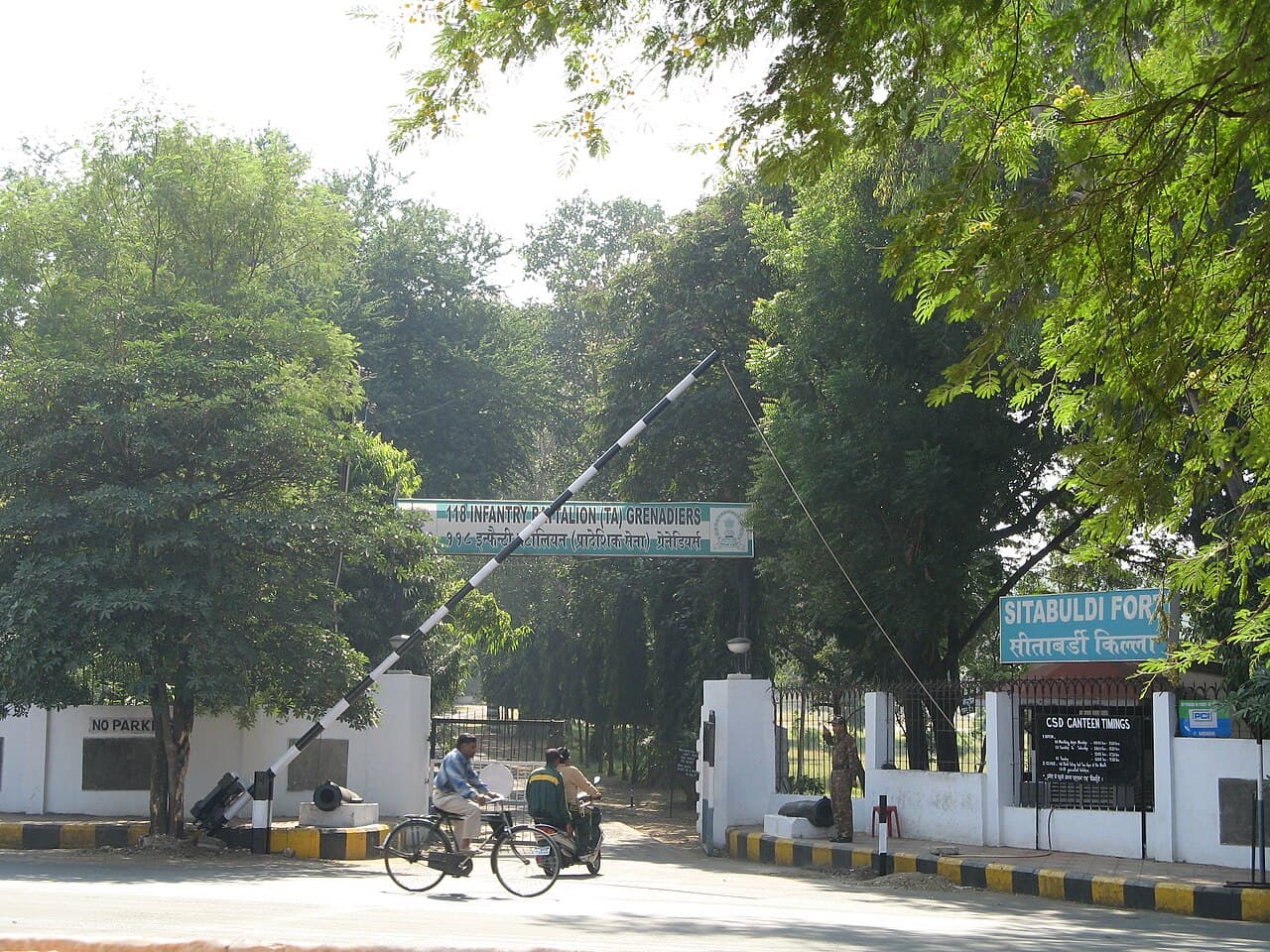
Start at the Zero Mile Marker in Civil Lines — the geographic centre of India — then walk to the historic Sitabuldi Fort for panoramic city views.
Head to Deekshabhoomi, the world's largest hollow Buddhist stupa, to explore its serene interiors and learn about Dr. B.R. Ambedkar's historic conversion to Buddhism here.
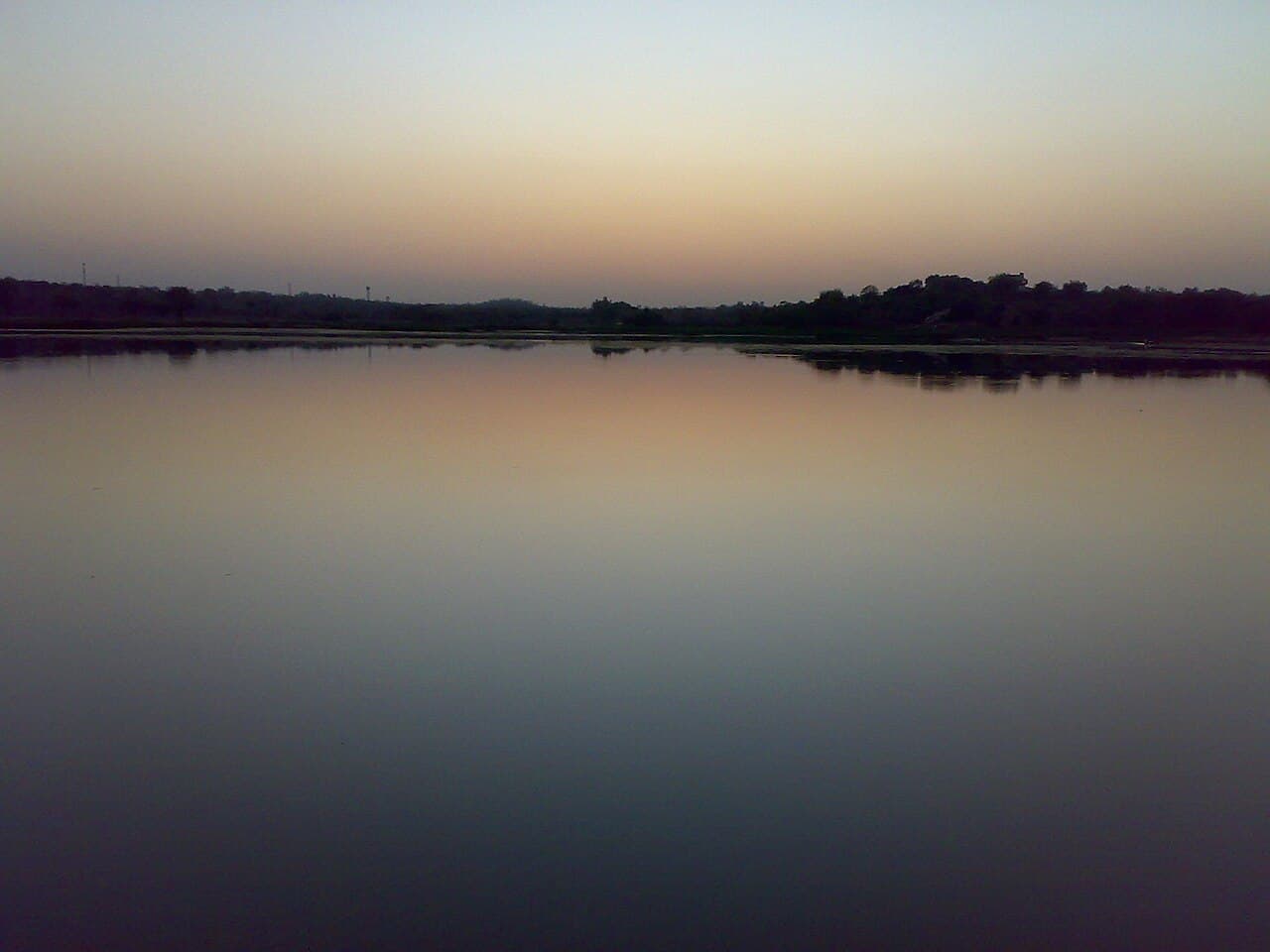
Stroll around Futala Lake at sunset to enjoy the colorful illuminated fountains and carriage rides, then sample local Vidarbha cuisine — don't miss saoji mutton or tarri poha — at a nearby dhaba.
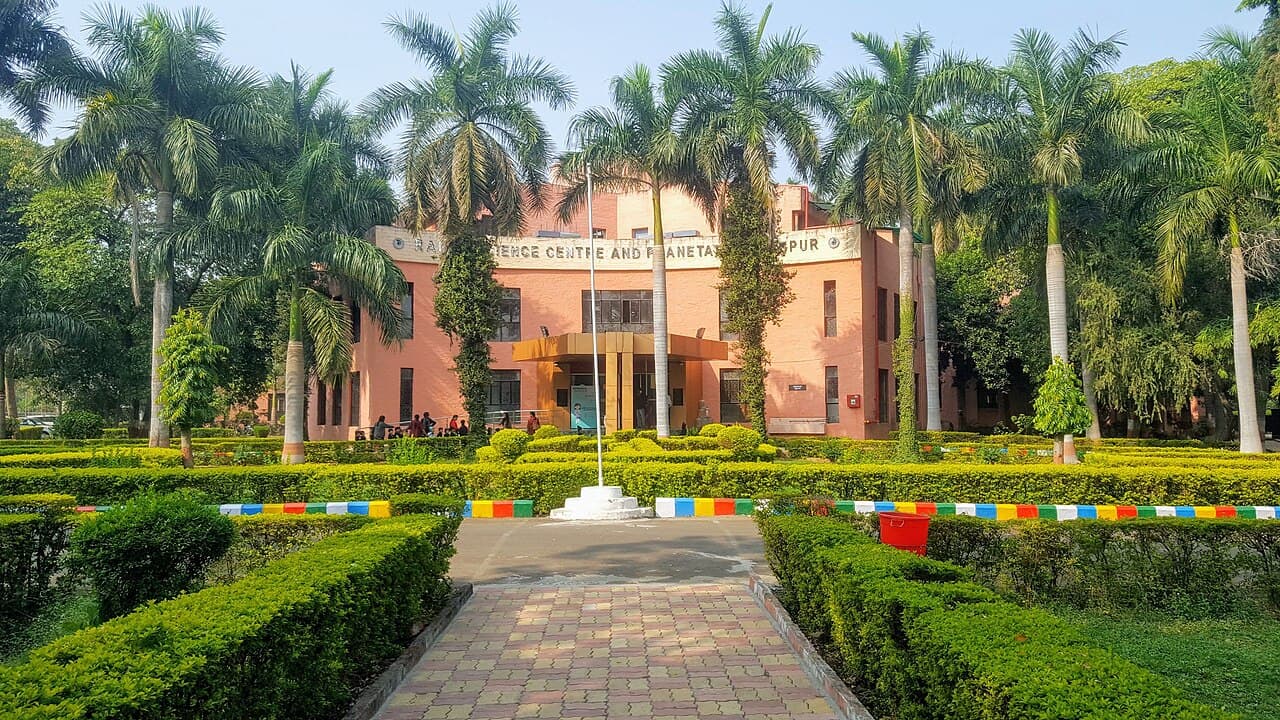
Visit the Raman Science Centre and its planetarium for interactive exhibits on science and technology, conveniently located near Shukrawari Lake.
Explore Ambazari Lake — Nagpur's largest — and the adjacent 25-acre garden, perfect for a leisurely walk among lush flora and fauna.
Stop by the Japanese Rose Garden in Dharampeth for a tranquil wind-down, then browse the Maharajbagh Zoo before it closes at dusk.
Take an early taxi or bus (~55 km) to Ramtek Fort Temple perched on Ramgiri hills — a mythological site associated with Lord Rama and the sage Kalidasa, with free entry.
Return via Khindsi Lake (40 km from Nagpur) for a boat ride on one of central India's largest boating lakes, surrounded by thick forest.
Back in the city, explore Sadar market for Nagpuri orange products, handicrafts, and street food before heading home.
Real coworking spaces, laptop-friendly cafés, and libraries mapped near the center of the city — the closest, best-rated desks first.
No coworking-ready spots surfaced for this city yet.
Pick a different category or check back once we’ve indexed more desks for this city.
Ask for cafés, quiet neighborhoods, date-night spots, or a first 48-hour plan.
Mention calls, Wi-Fi needs, or how much of the day has to stay laptop-friendly.
Get faster answers on where to stay, when to move neighborhoods, and what to skip.
Written by signed-in Wanderlust members. We don't check that a reviewer has visited.
No reviews of Nagpur yet.
Tell the planner your dates, who's coming, your budget and pace, and it drafts a day-by-day itinerary you can edit.
Wanderlust Pro
Insider tips for Nagpur, unlimited AI-built itineraries, and travel companions you can invite to plan a trip together. From $5.00/month, billed annually.
Insider tips · Wanderlust Pro
Practical tips on the sights and neighbourhoods in this Nagpurguide — when to go, what most visitors miss. Written with AI about the guide's own places; double-check details before you go. Pro members see every tip.