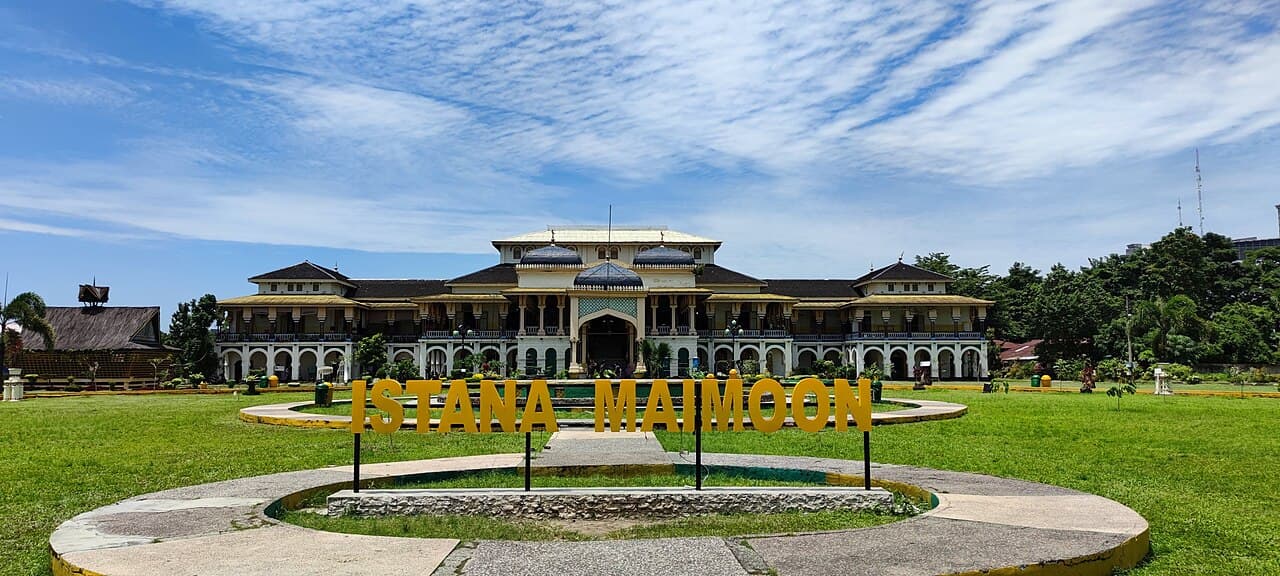
City guide · Updated June 2026
AsiaIndonesia3.6° · 98.5°
Medan,Sumatra.
Sumatra's multicultural capital — a food-lover's gateway to Lake Toba and Bukit Lawang.
Medan · ID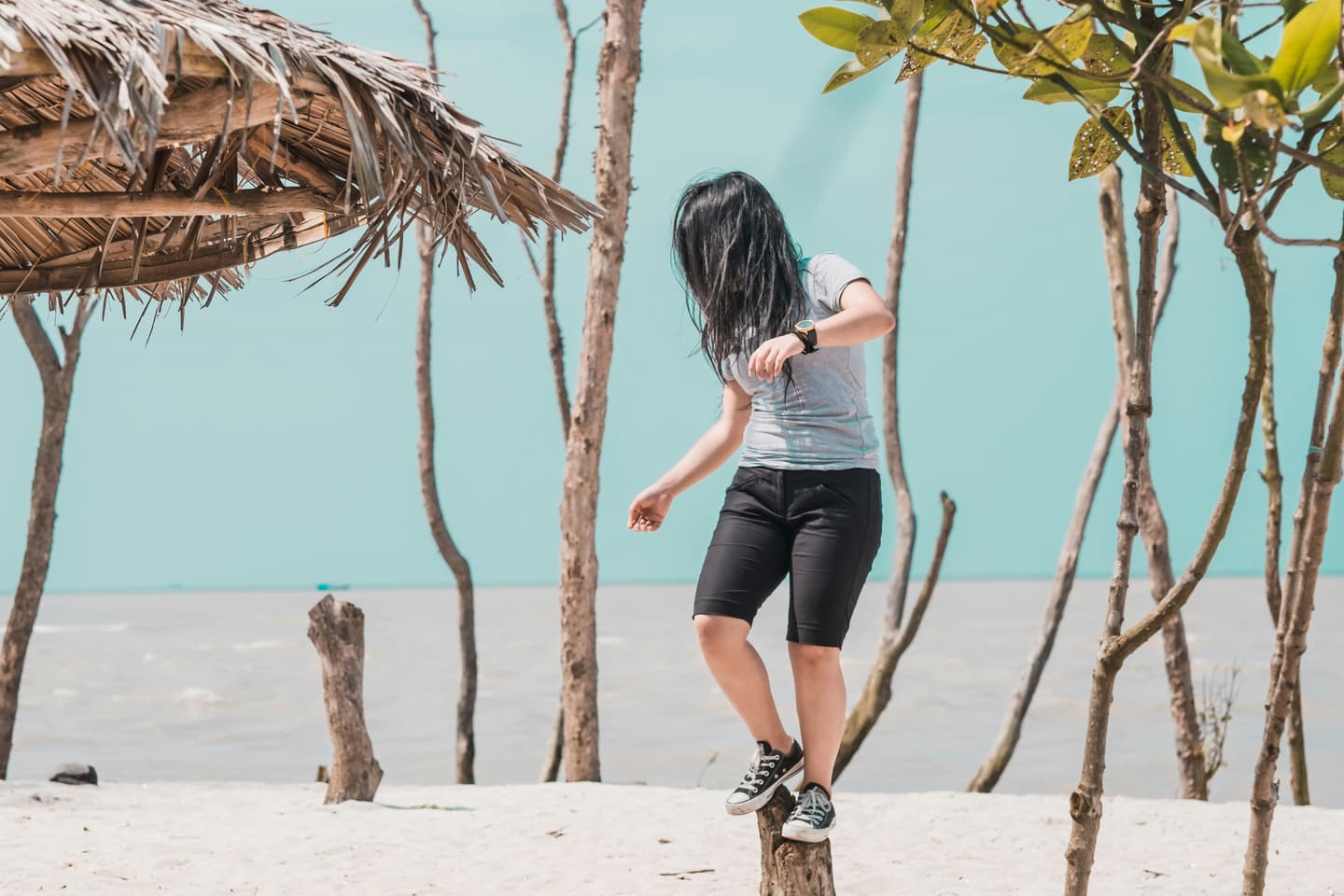
MedanIndonesia
★
Kualanamu International Airport (KNO)NEAREST AIRPORT
Population
2,160,538.3
Total residents
Global rank
#526
Wanderlust index
Best time
March to July, with June being…
Peak window
Time zone
Asia/Jakarta
Local time
Currency
Indonesian Rupiah (IDR)
Money in use
Language
Indonesian (Bahasa Indonesia)
Spoken locally
01 · Overview
About Medan
Sumatra's multicultural capital — a food-lover's gateway to Lake Toba and Bukit Lawang.
Medan is the largest city on the island of Sumatra and Indonesia's fourth-largest metropolis, where Malay, Batak, Javanese, Chinese, and Indian cultures collide in a dizzying mix of temples, mosques, colonial mansions, and street-food stalls. Centuries of trade built palaces and shophouses that still line the old Kesawan district, while the city's diverse culinary scene — from Padang rice to Indian banana-leaf curries and bika ambon sweets — arguably ranks among the best in Indonesia. Beyond the city limits, Medan is the natural jumping-off point for Lake Toba, the world's largest volcanic crater lake, and the orangutan rainforests of Bukit Lawang.
02 · Wanderlust scorecard
How Medan scores
Ratings run 0 to 5 unless marked. They come from our AI-assisted research and are refreshed on a rolling basis.
5
/ 5
Cost of living
Affordability, 0–5. Higher means cheaper.
3
/ 5
Leisure
Leisure rating, 0–5.
9
Mbps
Connectivity
Median internet speed.
3
/ 5
Safety
Safety rating, 0–5. Higher is safer.
3
/ 5
Overall livability
Overall rating, 0–5.
2.5
/ 5
Air quality
Air-quality rating, 0–5. Higher is cleaner.
6.9
index
Index score
Wanderlust ranking, 0–10: overall, safety, internet, cost, leisure and air quality, weighted.
03 · Weather & when to go
Best time to visit Medan
Current weather and the forecast, and the months our research rates best for a visit.
Month by month
Best months Either side Other months
Jan
Feb
Mar
Apr
May
Jun
Jul
Aug
Sep
Oct
Nov
Dec
Sweet spot: March to July, with June being the driest month (only ~15% chance of significant rain). Avoid September–November when rainfall peaks..
More cities for these months: Where to go in March · Where to go in April · Where to go in May · Where to go in June · Where to go in July
04 · Things to do
Things to do in Medan
Top sights from our AI-assisted research, and other places we have photos of.
Top sight
Top sight
Masjid Raya Al-Mashun (Grand Mosque)
Top sight
Top sight
Vihara Maha Maitreya Buddhist Temple
Top sight
Top sight
Graha Maria Annai Velangkanni Church
Top sight
Top sight
POS Bloc Medan
Top sight
Top sight
Merdeka Walk
Top sight
Top sight
Rahmat International Wildlife Museum
05 · Monthly cost of living
Cost of living in Medan
Estimated monthly totals in USD from our AI-assisted research, one per profile. Treat them as a starting point for a budget, not a quote.
$700
estimated monthly spend · USDProfileExpat
Price references — vs. profile benchmarks
Nomadmonthly spend · USD
$870
+24%
Expatmonthly spend · USD
$700
baseline
Familymonthly spend · USD
$2,163.5
+209%
Localmonthly spend · USD
$505.8
-28%
Median fiber speeddownload · Mbps
9
Mbps
06 · Neighborhoods
Where to stay in Medan
Neighborhoods our AI-assisted research lists as popular with visitors.
Kesawan (Old Town & Chinatown)
City Center / Merdeka Square
Kampung Madras (Little India)
Sunggal
07 · Insider tips
Sights and neighbourhoods, with a tip each.
Practical tips on places from this Medan guide, written with AI. One is free; Pro members see the rest. Double-check details before you go.
Insider tips · Wanderlust Pro
Practical tips on the sights and neighbourhoods in this Medanguide — when to go, what most visitors miss. Written with AI about the guide's own places; double-check details before you go. Pro members see every tip.
08 · Practical notes
Practical information for Medan
The essentials from this guide's data, in one place.
01
Getting there
- Nearest airport — Kualanamu International Airport (KNO)
02
Money
- Currency — Indonesian Rupiah (IDR)
- Affordability — 5/5 on the Wanderlust index (higher is cheaper)
03
Internet
- Median speed — 9 Mbps
- Internet score — 4.3/5
04
Safety
- Safety score — 3/5 from our AI-assisted research
05
Language
- Primary language — Indonesian (Bahasa Indonesia)
06
Timing
- Best window — March to July, with June being the driest month (only ~15% chance of significant rain). Avoid September–November when rainfall peaks.
- Time zone — Asia/Jakarta
Questions
Frequently asked, plainly answered.
The quick answers travelers want before they commit to flights, neighborhoods, and how long to stay.
Is Medan safe for travelers?+
Medan has a safety rating of 3 out of 5.
What is the best time to visit Medan?+
The best time to visit Medan is March to July, with June being the driest month (only ~15% chance of significant rain). Avoid September–November when rainfall peaks..
How expensive is Medan?+
Medan has an affordability score of 5 out of 5, where 5 is most affordable.
What is the internet speed in Medan?+
Medan has an average internet speed of 9 Mbps.
What currency does Medan use?+
The currency used in Medan is Indonesian Rupiah (IDR).
What language is spoken in Medan?+
The primary language spoken in Medan is Indonesian (Bahasa Indonesia).
Researched city guide
Getting there, getting around and when to go
Written with AI-assisted web research. Where we have sources, they are listed under each part.
What works
- One of the best food cities in all of Indonesia — Malay, Batak, Chinese, Indian, and Padang cuisines all under one roof
- Exceptional value for money; among the cheapest cities in Southeast Asia for accommodation and dining
- Perfect launchpad for Lake Toba, Bukit Lawang orangutans, and the Berastagi volcanic highlands
- Remarkable multicultural heritage with mosques, Buddhist temples, Hindu shrines, and colonial mansions in close proximity
- Off-the-beaten-path buzz — far fewer tourists than Bali or Yogyakarta, with a genuine local atmosphere
- Direct budget-airline connections from Kuala Lumpur, Singapore, and major Indonesian cities
What to weigh
- Heavy traffic, rough sidewalks, and limited public transit make getting around challenging without a ride-hail app
- Air quality can be poor due to urban pollution and periodic regional haze from land-clearing fires
- Internet speeds are relatively slow (~9 Mbps average), limiting appeal for bandwidth-heavy remote workers
- Most tourist sights can be covered in 1–2 days; the city is better as a base than a standalone destination
- Hot and humid year-round, with a long rainy season (Sept–Nov) that can disrupt outdoor day trips
- Scams at airport money-changers and unofficial taxi touts — use ATMs and insist on metered cabs
Getting in
How to arrive
Most visitors fly into Kualanamu International Airport (KNO), located about 28–40 km east of the city center. The fastest and most reliable option into the city is the Railink airport train: the journey takes roughly 32 minutes and costs around Rp 100,000 (~$6). DAMRI buses are far cheaper at around Rp 20,000–40,000 but take longer and are subject to traffic. Taxis (metered Blue Bird or Express) run approximately Rp 150,000. Medan also has intercity rail connections from Stasiun Medan in the city center, and two major bus terminals serving destinations across Sumatra. From Malaysia, budget carriers fly direct from Kuala Lumpur to KNO in under an hour.
Getting around
Moving through the city
Scooters and motorcycles dominate Medan's roads, and the city is not particularly walkable — sidewalks can be rough and uneven. The most convenient options for visitors are ride-hailing apps (Grab and Gojek are widely used), metered taxis (insist on the meter), and motorised becaks (rickshaws) for short hops around the center. Angkots (numbered minivans) are the city's public transit backbone, with the main hub at Sambu — useful but complex for first-timers. For day trips to Lake Toba or Bukit Lawang, shared minibus transfers can be arranged through most hotels or tour operators.
When to go
Timing your trip
Medan sits just 3° north of the equator, so 'seasons' are defined by rainfall rather than temperature — expect hot and humid conditions year-round with highs consistently around 85–90°F (29–32°C). The driest and most comfortable window runs from March through July, with June being the standout month at only around 15% chance of significant rain on any given day. March–May is ideal for outdoor excursions and day trips to the Berastagi highlands or Lake Toba, while June also brings the Festival Kuliner Medan — a street-food celebration showcasing Soto Medan, mie gomak, and the city's legendary durian. July and August see a modest increase in rain but remain popular with domestic tourists, so expect higher hotel rates and busier transport to Berastagi. The wettest stretch runs from September through November, with rain chances hitting 41% in November; this season suits food-focused travelers who can duck into Tjong A Fie Mansion or go on indoor food crawls. Avoid booking around major public holidays, when accommodation fills quickly across the city.
Plan your trip
3 days in Medan: a sample itinerary
A ready-made starting point. Make it your own — clone it into an editable journey and reshape every stop.
Day 01
Day 1 – Colonial Core & Cultural Mosques
Morning
Start at Masjid Raya Al-Mashun (Grand Mosque) to admire its elegant domes and Islamic geometric architecture, then walk to Maimun Palace to explore the golden Sultanate interiors and learn about the Deli Sultanate's history.
Afternoon
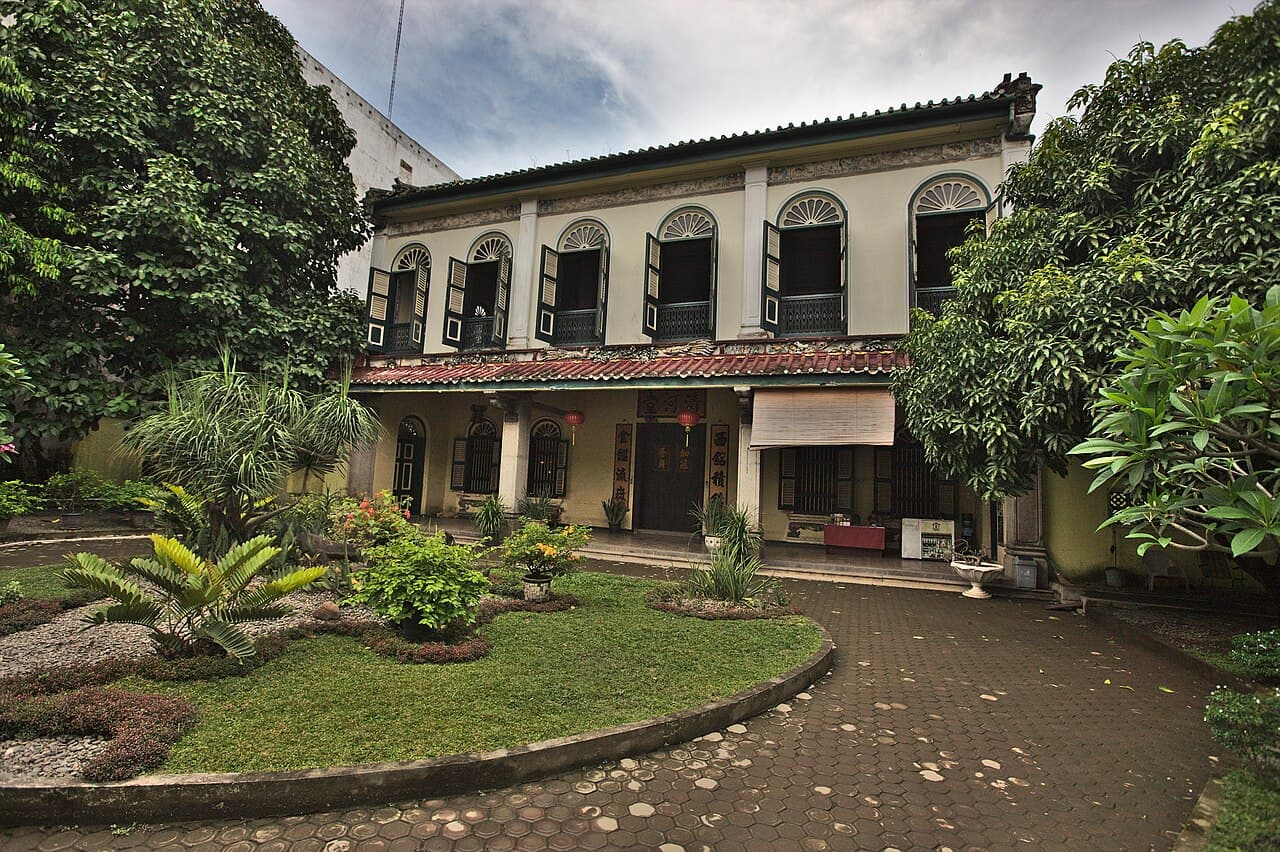
Stroll to the Kesawan district to browse the old shophouses and Dutch colonial buildings, then visit the Tjong A Fie Mansion — a beautifully preserved Chinese merchant's estate blending Chinese, Malay, and European design.
Evening
Head to Merdeka Walk for an open-air dinner surrounded by food stalls, live music, and local crowds. Sample Soto Medan (a rich coconut milk broth) or mie gomak for an authentic introduction to the city's food scene.
Day 02
Day 2 – Temples, Markets & Street Food Crawl
Morning
Visit Vihara Maha Maitreya, one of Indonesia's largest Buddhist temples, followed by a walk through Kampung Madras (Little India) to see the Sri Mariamman Temple and browse Indian spice markets.
Afternoon
Drop into the POS Bloc Medan creative hub for local art, indie vendors, and specialty coffee, then check out the Rahmat International Wildlife Museum for a fascinating look at Sumatran biodiversity.
Evening
Embark on a food crawl: duck noodles on Jalan Semarang, Indian banana-leaf curry on Jalan Pagaruyung, and finish with bika ambon (Medan's signature honeycomb cake) from a dedicated bakery.
Day 03
Day 3 – Day Trip to Berastagi Highlands
Morning
Take a shared minibus (~2 hours) from Medan to Berastagi in the cool Karo highlands. Hike up to the crater rim of Mount Sibayak, an active volcano with steaming fumaroles and panoramic views over the Sumatran plateau.
Afternoon
Descend and explore Berastagi's colorful fruit and vegetable market, famous for passion fruit and marquisa. Visit a traditional Karo Batak village to see carved longhouses (rumah adat) and local craftsmanship.
Evening
Return to Medan by minibus in time for a farewell dinner at one of the city's celebrated Padang restaurants — order rendang, ayam pop, and a spread of communal side dishes to close out your visit.
Work-ready layer
Coworking spots and laptop-friendly anchors.
Real coworking spaces, laptop-friendly cafés, and libraries mapped near the center of the city — the closest, best-rated desks first.
Spots surfaced0
Categories—
Mapped0
No coworking-ready spots surfaced for this city yet.
Map pending
No mapped workspace points yet.
Pick a different category or check back once we’ve indexed more desks for this city.
Concierge
Ask the Medan concierge.
Share your travel style, must-see spots, or work schedule and the concierge will help turn this guide into something personal.
Personal trip brief
Tell it what kind of trip you're trying to have, and it will tighten the plan.
01
Travel style
Ask for cafés, quiet neighborhoods, date-night spots, or a first 48-hour plan.
02
Work constraints
Mention calls, Wi-Fi needs, or how much of the day has to stay laptop-friendly.
03
Real tradeoffs
Get faster answers on where to stay, when to move neighborhoods, and what to skip.
Traveler reviews
Reviews of Medan
Written by signed-in Wanderlust members. We don't check that a reviewer has visited.
No reviews of Medan yet.
Plan a trip to Medan.
Tell the planner your dates, who's coming, your budget and pace, and it drafts a day-by-day itinerary you can edit.
Wanderlust Pro
Insider tips for Medan, unlimited AI-built itineraries, and travel companions you can invite to plan a trip together. From $5.00/month, billed annually.