Top sight
Top sight
Lombok's unhurried capital — ancient temples, Sasak culture, and a perfect launchpad for Rinjani and the Gilis.
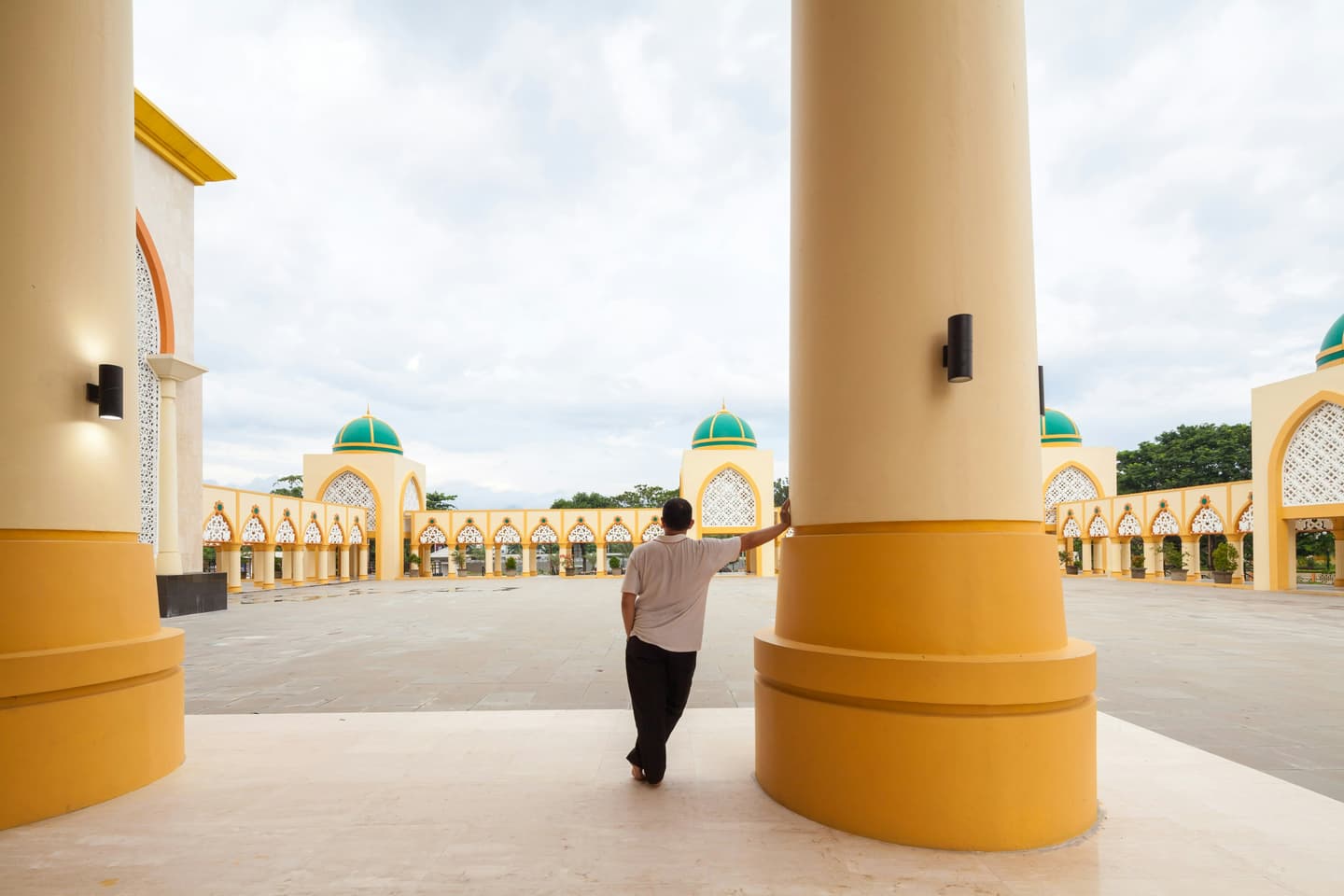
Mataram is the provincial capital of West Nusa Tenggara and Lombok's only true city, a sprawling east-west ribbon of once-separate towns — Ampenan, Mataram, and Cakranegara — each with its own distinct character. Far from the resort strips of Senggigi or Kuta, it offers an authentic window into Sasak Muslim culture, Dutch colonial heritage, and Hindu temple traditions that survive alongside modern malls and markets. Travelers who linger discover grand mosques, royal water palaces, and a lively street-food scene, while using the city as the most practical base for day-tripping to Mount Rinjani, the Gili Islands, and Lombok's south-coast beaches.
More cities for these months: Where to go in April · Where to go in May · Where to go in June · Where to go in July · Where to go in August · Where to go in September
Insider tips · Wanderlust Pro
Practical tips on the sights and neighbourhoods in this Mataramguide — when to go, what most visitors miss. Written with AI about the guide's own places; double-check details before you go. Pro members see every tip.
The quick answers travelers want before they commit to flights, neighborhoods, and how long to stay.
The gateway to Mataram is Lombok International Airport (LOP), officially Zainuddin Abdul Madjid International Airport, located approximately 27–40 km southeast of the city in Tanak Awu, Central Lombok. Direct domestic flights connect LOP with Jakarta (CGK, ~1.5–2 hrs), Denpasar/Bali (DPS, ~40–50 min), and Surabaya, operated by Garuda Indonesia, Lion Air, Batik Air, Citilink, and Wings Air. International routes serve Singapore and Kuala Lumpur, with a new Darwin (Australia) service launched in early 2026 via TransNusa. From the airport, DAMRI public air-conditioned buses run directly to Mataram's Mandalika bus terminal in about 90 minutes. Metered taxis from the official rank (Bluebird, Express) reach central Mataram in roughly 45 minutes; expect to pay around IDR 130,000–150,000. Ride-hailing (Grab/Gojek) is also available. An alternative arrival route is by ferry from Padang Bai, Bali: ferries run roughly every 90 minutes, 24 hours a day, docking at Lembar Harbour 22 km south of Mataram (4–5 hrs crossing). Perama and other shuttle operators offer Lembar-to-Mataram connections; bemos also cover this route during daylight hours.
Mataram stretches about 12 km from east to west, so motorised transport is handy. Motorbike rental is the most popular and affordable option, costing around IDR 50,000 per day (~USD 3); several rental shops cluster in Cakranegara or can be arranged through hotels. Scooter monthly rental runs USD 50–70. Bemos (shared minibuses) and horse-drawn cidomos cover shorter local hops cheaply. Metered taxis (Bluebird, Express) and Grab/Gojek ride-hailing are available for point-to-point trips; a typical city ride costs IDR 25,000–50,000. For day trips to Senggigi, Rinjani trailheads, or the ferry port at Lembar, a private car charter (USD 30–60/day) is the most convenient option. Car rental for independent travel runs approximately IDR 4,000,000–7,000,000 per month (USD 260–455) plus fuel.
Mataram has a tropical climate with a pronounced dry season running from April through October — the window most travel sources agree is ideal for visiting. June and July are particularly favoured: temperatures are slightly cooler than the wet-season peak and rainfall is minimal, making them perfect for temple-hopping in the city and multi-day treks up Mount Rinjani. The shoulder months of April and November offer a pleasant balance of good weather and thinner crowds. The wet season (November–March) brings daily downpours and higher humidity, though visits remain possible and accommodation prices dip. Be aware that Ramadhan sees some local restaurants in Mataram and Cakranegara close during daylight hours; tourist-facing venues generally remain open. The annual Bau Nyale festival (February or March) at nearby Seger Beach is a compelling reason to visit in the low season.
Start at Pura Meru in Cakranegara, Lombok's largest Hindu temple with three towering merus dedicated to Brahma, Vishnu, and Shiva. Dress modestly; sarong loans are available at the gate.
Cross the road to Mayura Water Palace, an 18th-century Balinese royal court 'floating pavilion' set in serene gardens (entry ~IDR 20,000). Walk east to browse the pearl shops, gold stores, and batik stalls of Cakranegara market.
Head west to Ampenan Old Town for sunset over the strait — on a clear evening Mount Agung is visible in the distance. Dine on the main strip of Jalan Yos Sudarso, where Chinese, Arab, and Sasak eateries sit side by side.
Visit the Museum Negeri Nusa Tenggara Barat (entry ~IDR 7,000), which holds over 7,000 artifacts spanning Lombok's geology, archaeology, and Sasak culture — masks, traditional looms, ancient manuscripts, and more. Budget 45–60 minutes.
Drive to the Islamic Center NTB Mosque, whose multicoloured Sasambo-batik dome makes it one of Indonesia's most photogenic modern mosques. It is spectacularly lit at night, so note the location for your evening return. Explore nearby Narmada Park (~10 km east), the 1805 royal summer palace built to mimic Mount Rinjani and its crater lake.
Return to the Islamic Center to photograph the illuminated domes, then head to Jalan Udayana for a leisurely stroll among warungs and food stalls — the city's favourite local night-out strip.
Make an early start to Pura Lingsar, Lombok's holiest temple complex, shared by Hindus and Wektu Telu (Sasak) Muslims — a rare example of interfaith worship set amid lush rice fields west of Mataram.
Continue north to Senggigi Beach for lunch at a seafront warung, a swim, and browsing the Bayan Lombok Handicraft Centre for traditional woven baskets and ikat textiles. The drive back to Mataram takes about 30 minutes.
Try Mataram's most famous local dish, Ayam Taliwang (spiced grilled chicken), at one of the many dedicated restaurants in Cakranegara, then wind down at a coffee shop on Jalan Bung Karno.
Real coworking spaces, laptop-friendly cafés, and libraries mapped near the center of the city — the closest, best-rated desks first.
No coworking-ready spots surfaced for this city yet.
Pick a different category or check back once we’ve indexed more desks for this city.
Ask for cafés, quiet neighborhoods, date-night spots, or a first 48-hour plan.
Mention calls, Wi-Fi needs, or how much of the day has to stay laptop-friendly.
Get faster answers on where to stay, when to move neighborhoods, and what to skip.
Written by signed-in Wanderlust members. We don't check that a reviewer has visited.
No reviews of Mataram yet.
Tell the planner your dates, who's coming, your budget and pace, and it drafts a day-by-day itinerary you can edit.
Wanderlust Pro
Insider tips for Mataram, unlimited AI-built itineraries, and travel companions you can invite to plan a trip together. From $5.00/month, billed annually.
Insider tips · Wanderlust Pro
Practical tips on the sights and neighbourhoods in this Mataramguide — when to go, what most visitors miss. Written with AI about the guide's own places; double-check details before you go. Pro members see every tip.