Top sight
Top sight
East Indonesia's bold port capital — where Dutch forts, ancient cave art, and legendary seafood collide.
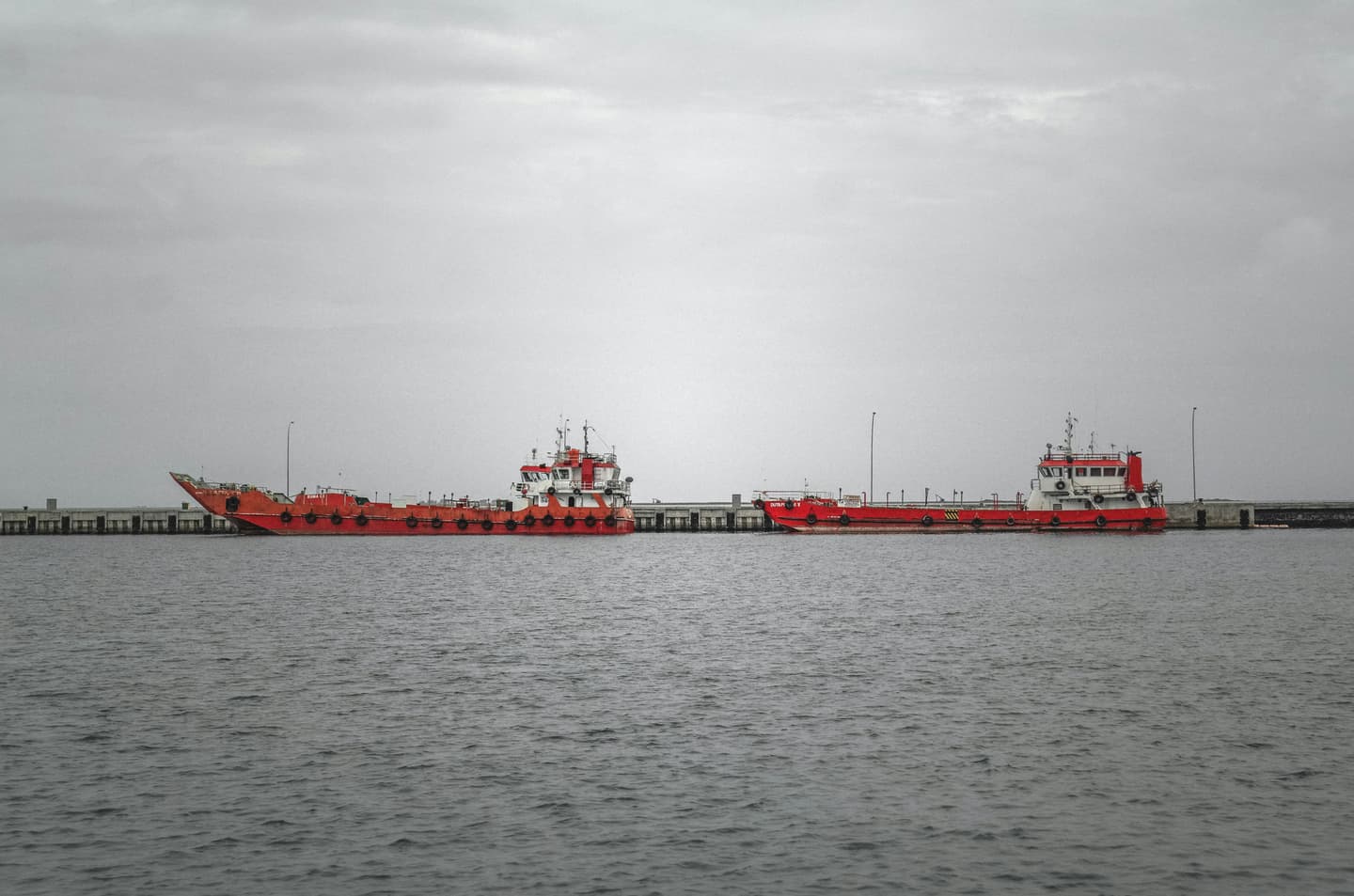
Makassar is the largest city in Eastern Indonesia and the economic and cultural capital of South Sulawesi, serving as the primary gateway to Sulawesi and the wider eastern archipelago. The city blends a rich maritime history — rooted in the Bugis and Gowa kingdoms and later Dutch colonial trade — with a vibrant modern energy, world-class seafood, and access to extraordinary natural wonders. Within easy reach are some of the world's oldest cave paintings at Leang-Leang, the dramatic Rammang-Rammang karst landscapes, and the coral-fringed islands of the Spermonde Archipelago. Visitors who linger discover a city of genuine warmth, distinctive cuisine, and authentic Indonesian culture well off the typical tourist trail.
More cities for these months: Where to go in May · Where to go in June · Where to go in July · Where to go in August · Where to go in September
Insider tips · Wanderlust Pro
Practical tips on the sights and neighbourhoods in this Makassarguide — when to go, what most visitors miss. Written with AI about the guide's own places; double-check details before you go. Pro members see every tip.
The quick answers travelers want before they commit to flights, neighborhoods, and how long to stay.
Makassar is served by Sultan Hasanuddin International Airport (UPG), located approximately 19–20 km northeast of the city centre. The airport has direct connections to Jakarta (multiple airlines including Garuda Indonesia, Lion Air, Batik Air, Citilink, and Super Air Jet), Bali, Surabaya, and a handful of international routes from Malaysia and Singapore. From the airport, the most affordable option is the DAMRI bus (IDR 25,000/person, ~$1.50 USD), which operates from the airport from 08:30–24:00 WITA and drops passengers at key points in the city centre; the journey takes approximately one hour. Official metered taxis run 24/7 on a zone-based fare system: Zone 1 (city centre) costs around IDR 133,000 (~$8 USD), Zone 2 IDR 175,000, and Zone 3 IDR 205,000. Ride-hailing apps Grab and Gojek are also available at the airport for competitive fares.
Makassar's most characterful local transit option is the pete-pete (locally known as Angkot), colour-coded minibuses with around 4,000 units operating throughout the city on fixed routes. Becak (cycle rickshaws) are available at tourist spots and suit short hops, with fares typically starting at IDR 20,000–50,000 negotiated upfront. Ride-hailing apps Grab and Gojek are the most convenient option for visitors — fast, transparent pricing, and widely available. For day trips to Rammang-Rammang, Leang-Leang, or the Malino Highlands, renting a car or hiring a private driver is the most practical choice, as public transit does not reliably reach these destinations. Taxis with metered fares are also plentiful in the city centre.
Makassar has a tropical monsoon climate with temperatures hovering between 26°C and 32°C (79°F–90°F) year-round and humidity consistently between 75–90%. The dry season runs from May to October, with June through August delivering the most reliable sunshine and the fewest rain days (as few as zero to four days of precipitation per month) — ideal for island-hopping in the Spermonde Archipelago, trekking the Rammang-Rammang karst, or exploring the Leang-Leang caves. August is peak season, so expect higher accommodation prices and more visitors. The rainy season (November to April) brings heavy downpours, especially December through February, but showers rarely last all day and the lush scenery and smaller crowds can be rewarding. Culture-seekers should note that the Fort Rotterdam Festival takes place in mid-October, sitting neatly at the tail end of the dry season.
Start at Fort Rotterdam, the beautifully preserved 17th-century Dutch fortress housing a museum on Sulawesi's history. Explore its ramparts and colonial-era buildings at a relaxed pace.
Head to the nearby Paotere Harbour to see traditional Bugis Phinisi schooners moored at Makassar's working port, then walk along the Losari Beach promenade. Try pisang epe (grilled banana with palm sugar) from a street vendor.
Watch the sunset over the Makassar Strait from the Losari waterfront, then dine on fresh grilled seafood at one of the open-air restaurants along the foreshore.
Take an early departure by car or hired driver north to Rammang-Rammang Village in the Maros district, roughly 45 minutes from the city. Explore the dramatic limestone karst towers and traditional village by boat along the river.
Continue to the nearby Leang-Leang caves to see ancient hand-stencil paintings dated to more than 50,000 years ago — among the oldest known cave art in the world. Return to the city by late afternoon.
Recover with a bowl of Coto Makassar — a rich, spiced beef offal soup considered the city's signature dish — at a traditional warung in the city centre.
Catch a morning boat from Paotere or Pelabuhan Rakyat harbour to Samalona Island in the Spermonde Archipelago (30–45 minutes). Snorkel over coral reefs and relax on white sand beaches.
Return to Makassar city and visit the striking 99 Dome Mosque (Masjid 99 Kubah), one of Eastern Indonesia's most architecturally impressive modern mosques, especially beautiful in afternoon light.
End the trip at Trans Studio Makassar for entertainment, or browse souvenirs at a local market. Finish with Konro Bakar (grilled beef ribs) or Mi Titi (Makassar crispy noodles) for a final taste of the city.
Real coworking spaces, laptop-friendly cafés, and libraries mapped near the center of the city — the closest, best-rated desks first.
No coworking-ready spots surfaced for this city yet.
Pick a different category or check back once we’ve indexed more desks for this city.
Ask for cafés, quiet neighborhoods, date-night spots, or a first 48-hour plan.
Mention calls, Wi-Fi needs, or how much of the day has to stay laptop-friendly.
Get faster answers on where to stay, when to move neighborhoods, and what to skip.
Written by signed-in Wanderlust members. We don't check that a reviewer has visited.
No reviews of Makassar yet.
Tell the planner your dates, who's coming, your budget and pace, and it drafts a day-by-day itinerary you can edit.
Wanderlust Pro
Insider tips for Makassar, unlimited AI-built itineraries, and travel companions you can invite to plan a trip together. From $5.00/month, billed annually.
Insider tips · Wanderlust Pro
Practical tips on the sights and neighbourhoods in this Makassarguide — when to go, what most visitors miss. Written with AI about the guide's own places; double-check details before you go. Pro members see every tip.