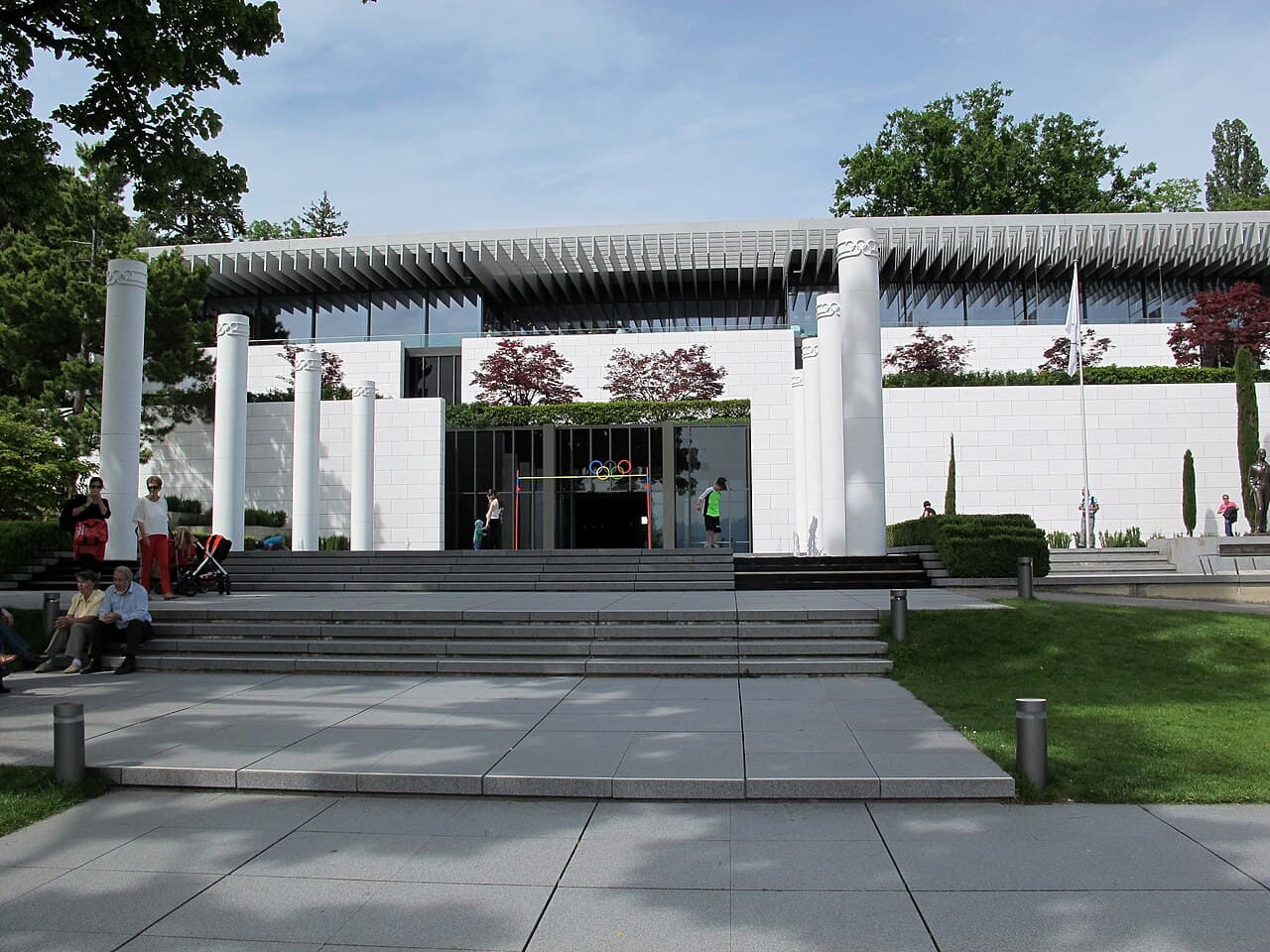
City guide · Updated June 2026
EuropeSwitzerland46.5° · 6.6°
Lausanne,Switzerland.
Switzerland's Olympic Capital — where Gothic spires, UNESCO vineyards, and Lake Geneva's shimmering shores collide.
Lausanne · CH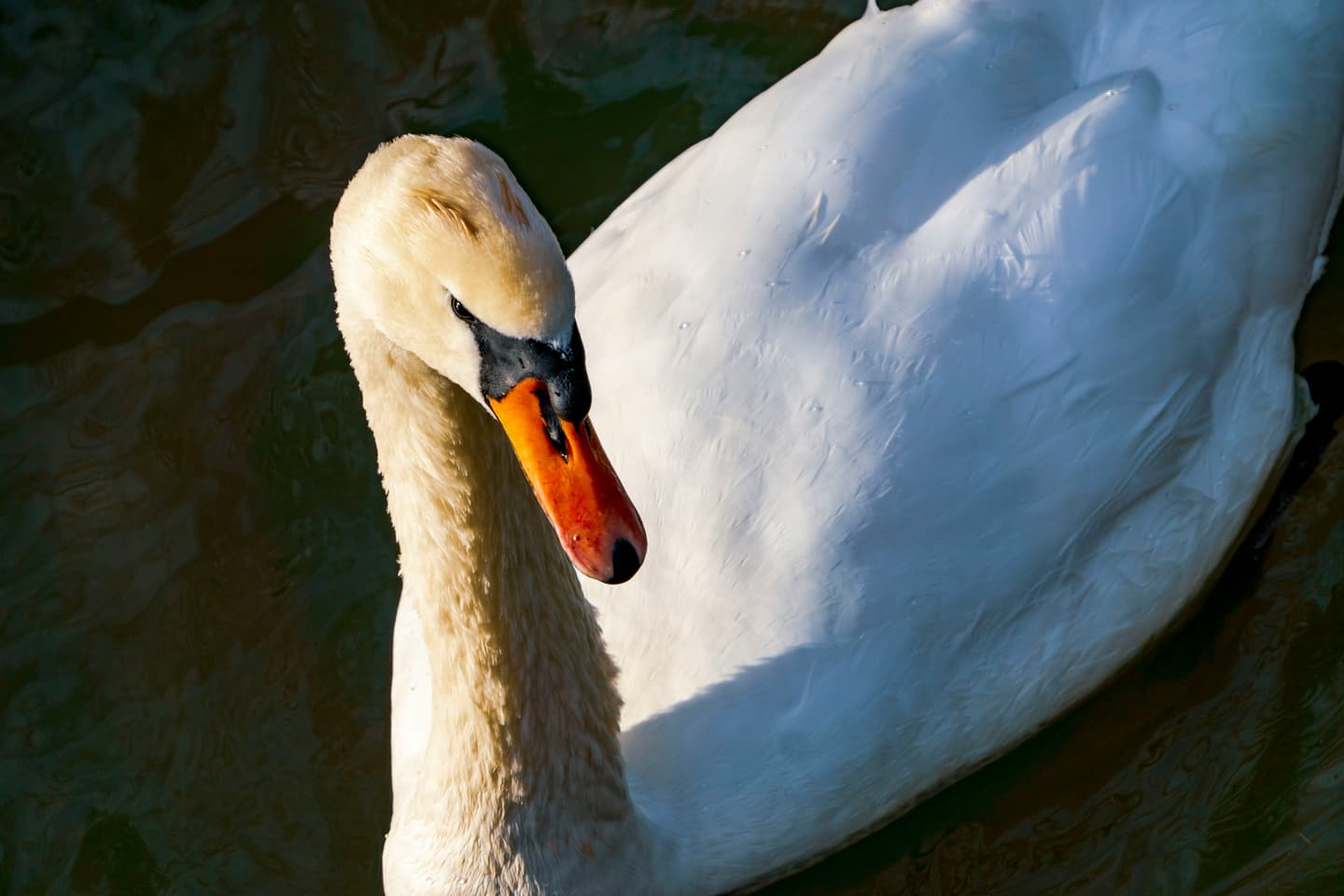
LausanneSwitzerland
★
Geneva Airport (GVA), ~52 min by direct trainNEAREST AIRPORT
Population
141,944.3
Total residents
Global rank
#115
Wanderlust index
Best time
Spring (April–May) and early…
Peak window
Time zone
Europe/Zurich
Local time
Currency
CHF (Swiss Franc)
Money in use
Language
French
Spoken locally
01 · Overview
About Lausanne
Switzerland's Olympic Capital — where Gothic spires, UNESCO vineyards, and Lake Geneva's shimmering shores collide.
Lausanne is the French-speaking "Olympic Capital" of the world, perched dramatically on terraced hills above Lake Geneva with sweeping views of the Savoy Alps. Known affectionately as "Switzerland's San Francisco," it pairs a grand Gothic cathedral and a labyrinthine medieval old town with world-class museums, a buzzing university scene, and one of Europe's most scenic lakefront promenades. The city is also the gateway to the Lavaux UNESCO World Heritage vineyards, making it an exceptional base for culture, outdoor adventure, and Swiss wine tourism.
02 · Wanderlust scorecard
How Lausanne scores
Ratings run 0 to 5 unless marked. They come from our AI-assisted research and are refreshed on a rolling basis.
1
/ 5
Cost of living
Affordability, 0–5. Higher means cheaper.
4
/ 5
Leisure
Leisure rating, 0–5.
32
Mbps
Connectivity
Median internet speed.
5
/ 5
Safety
Safety rating, 0–5. Higher is safer.
4
/ 5
Overall livability
Overall rating, 0–5.
4
/ 5
Air quality
Air-quality rating, 0–5. Higher is cleaner.
7.9
index
Index score
Wanderlust ranking, 0–10: overall, safety, internet, cost, leisure and air quality, weighted.
03 · Weather & when to go
Best time to visit Lausanne
Current weather and the forecast, and the months our research rates best for a visit.
Month by month
Best months Either side Other months
Jan
Feb
Mar
Apr
May
Jun
Jul
Aug
Sep
Oct
Nov
Dec
Sweet spot: Spring (April–May) and early autumn (September–October) for pleasant temperatures, fewer crowds, and spectacular scenery in the Lavaux vineyards. Summer (June–August) is lively for lake activities and festivals but is peak tourist season..
More cities for these months: Where to go in April · Where to go in May · Where to go in June · Where to go in September · Where to go in October
04 · Things to do
Things to do in Lausanne
Top sights from our AI-assisted research, and other places we have photos of.
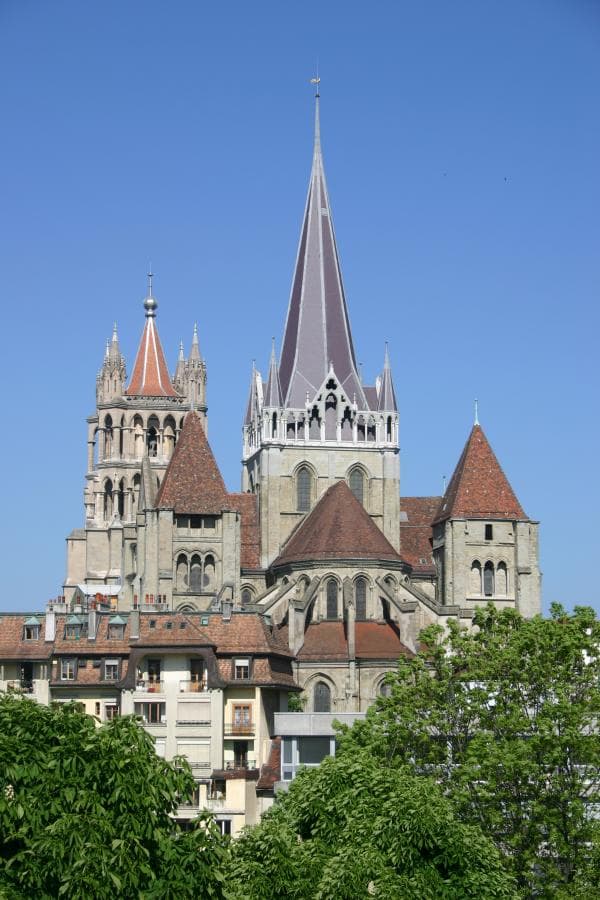
Top sight
Lausanne Cathedral (Cathédrale Notre-Dame)
Photo: Arnaud Gaillard (arnaud () amarys.com) · CC BY-SA 2.0
Top sight
Top sight
Ouchy Promenade & Lake Geneva Waterfront
Top sight
Top sight
Lavaux UNESCO Vineyard Terraces
Top sight
Top sight
Collection de l'Art Brut
Top sight
Top sight
Vieux-Lausanne (Old Town & Place de la Palud)
Top sight
Top sight
Photo Elysée (Musée de l'Élysée)
05 · Monthly cost of living
Cost of living in Lausanne
Estimated monthly totals in USD from our AI-assisted research, one per profile. Treat them as a starting point for a budget, not a quote.
$4,250
estimated monthly spend · USDProfileExpat
Price references — vs. profile benchmarks
Nomadmonthly spend · USD
$6,500
+53%
Expatmonthly spend · USD
$4,250
baseline
Familymonthly spend · USD
$9,531.4
+124%
Localmonthly spend · USD
$2,610.1
-39%
Median fiber speeddownload · Mbps
32
Mbps
06 · Neighborhoods
Where to stay in Lausanne
Neighborhoods our AI-assisted research lists as popular with visitors.
Ouchy
Flon
City Centre / Cité
Vieux-Lausanne
07 · Insider tips
Sights and neighbourhoods, with a tip each.
Practical tips on places from this Lausanne guide, written with AI. One is free; Pro members see the rest. Double-check details before you go.
Insider tips · Wanderlust Pro
Practical tips on the sights and neighbourhoods in this Lausanneguide — when to go, what most visitors miss. Written with AI about the guide's own places; double-check details before you go. Pro members see every tip.
08 · Practical notes
Practical information for Lausanne
The essentials from this guide's data, in one place.
01
Getting there
- Nearest airport — Geneva Airport (GVA), ~52 min by direct train
02
Money
- Currency — CHF (Swiss Franc)
- Affordability — 1/5 on the Wanderlust index (higher is cheaper)
03
Internet
- Median speed — 32 Mbps
- Internet score — 5/5
04
Safety
- Safety score — 5/5 from our AI-assisted research
05
Language
- Primary language — French
06
Timing
- Best window — Spring (April–May) and early autumn (September–October) for pleasant temperatures, fewer crowds, and spectacular scenery in the Lavaux vineyards. Summer (June–August) is lively for lake activities and festivals but is peak tourist season.
- Time zone — Europe/Zurich
Questions
Frequently asked, plainly answered.
The quick answers travelers want before they commit to flights, neighborhoods, and how long to stay.
Is Lausanne safe for travelers?+
Lausanne has a safety rating of 5 out of 5.
What is the best time to visit Lausanne?+
The best time to visit Lausanne is Spring (April–May) and early autumn (September–October) for pleasant temperatures, fewer crowds, and spectacular scenery in the Lavaux vineyards. Summer (June–August) is lively for lake activities and festivals but is peak tourist season..
How expensive is Lausanne?+
Lausanne has an affordability score of 1 out of 5, where 5 is most affordable.
What is the internet speed in Lausanne?+
Lausanne has an average internet speed of 32 Mbps.
What currency does Lausanne use?+
The currency used in Lausanne is CHF (Swiss Franc).
What language is spoken in Lausanne?+
The primary language spoken in Lausanne is French.
Researched city guide
Getting there, getting around and when to go
Written with AI-assisted web research. Where we have sources, they are listed under each part.
What works
- Exceptional safety — one of the lowest crime rates of any European city
- Outstanding lakefront and Alpine scenery, with UNESCO Lavaux vineyards on the doorstep
- World-class museums (Olympic Museum, Collection de l'Art Brut, Photo Elysée) and a vibrant cultural calendar
- Switzerland's only metro system makes the hilly city easy to navigate
- Excellent rail connectivity to Geneva, Zurich, Paris, and Milan
- Free Lausanne Transport Card for hotel guests covers the entire city transit network
What to weigh
- One of the most expensive cities in the world — budget travellers will struggle
- No dedicated international airport; travellers must route through Geneva (GVA) or Zurich (ZRH)
- Steep hills can make walking between neighbourhoods physically demanding
- Peak summer months see significant tourist crowds and inflated accommodation prices
- Mandatory Swiss health insurance adds a significant cost for longer-stay expats (CHF 600–700/month)
Getting in
How to arrive
The closest and most practical gateway is Geneva Airport (GVA), roughly 62 km away. Direct trains depart up to five times per hour from Geneva Airport's underground station (a 5-minute walk from arrivals), reaching Lausanne in 45–60 minutes. As of April 2025, a one-way second-class ticket costs CHF 29 (~USD 33). Zurich Airport (ZRH) is also well connected: direct and connecting trains reach Lausanne in approximately 2.5 hours, with a one-way fare of CHF 82 (~USD 91) as of April 2025. International rail travellers can arrive directly via TGV from Paris (≈3h30) or by train from Milan. Book tickets on the SBB app or website; no advance booking is strictly necessary for domestic Swiss routes. Taxis from Geneva Airport to Lausanne average around CHF 140 (~€150) and follow a toll road.
Getting around
Moving through the city
Lausanne's public transport is operated by TL (Transports publics de la région lausannoise) and comprises an integrated network of metro lines, buses, trolleybuses, and a funicular. The star of the system is the M2 metro — Switzerland's only fully automated, rubber-tyred metro — which runs from Ouchy on the lakefront through the city centre and up to Croisettes, with trains every 5–10 minutes. The M1 line links Flon in the centre westward to Renens and the EPFL/UNIL university campuses. Hotel guests receive a free Lausanne Transport Card (LTC) upon check-in, valid for zones 11, 12, 13, 16, 18, and 19 for the full duration of their stay, including the day of check-out. Visitors not staying in hotels can buy single tickets or day passes via the TL app, SBB Mobile app, vending machines at metro stations, or by SMS (text 'GL' to 456). A monthly public transport pass costs around USD 70. Night bus services (Noctambus) operate on weekends. Bikes are available via the Publibike sharing scheme, and rowing boats, pedalos, and motorboats can be rented on the Ouchy waterfront. The Swiss Travel Pass, which covers trains, boats, and many mountain railways nationwide, is a worthwhile add-on for wider Switzerland travel.
When to go
Timing your trip
Lausanne rewards visitors year-round, but the sweet spots are spring and early autumn. April and May bring cherry blossoms, mild temperatures, and the first outdoor life along the Ouchy promenade — ideal for lakeside walks and visits to the Lavaux vineyards before summer crowds arrive. June through August is peak season: the waterfront buzzes with boat rentals, lake cruises, open-air festivals, and long golden evenings, though hotels fill fast and prices peak. September and October are arguably the most photogenic months — the Lavaux terraces glow amber and gold during harvest, temperatures cool pleasantly, and crowds thin out. Winter (November–March) has its own charm: Christmas markets, the occasional snow dusting on cathedral spires, and easy access to nearby Alpine ski resorts, though some outdoor attractions wind down.
Plan your trip
3 days in Lausanne: a sample itinerary
A ready-made starting point. Make it your own — clone it into an editable journey and reshape every stop.
Day 01
Day 1: Old Town, Cathedral & Olympic Museum
Morning
Start in Vieux-Lausanne — wander the cobbled streets of the Cité, browse the Wednesday or Saturday market at Place de la Palud, and visit the magnificent Cathédrale Notre-Dame. Climb the 224 steps to the belfry for panoramic views over the lake and Alps.
Afternoon
Take the M2 metro down to Ouchy and spend the afternoon at the Olympic Museum — allow 2–3 hours for the interactive exhibits and outdoor sculpture park. Stroll the Ouchy Promenade and rent a pedalo or join a short lake cruise.
Evening
Dine in Ouchy or the Flon district. Flon's converted warehouses house some of Lausanne's best bars, restaurants, and live-music venues — perfect for experiencing the city's youthful nightlife.
Day 02
Day 2: Lavaux Vineyards & Lakeside Villages
Morning
Take a regional train 15–20 minutes east to the Lavaux UNESCO vineyard terraces. Walk the marked trail through the Epesses or Lutry wine villages, with breathtaking views over Lake Geneva and the Alps.
Afternoon
Continue to Montreux (40 minutes by train or a scenic lake cruise from Lausanne) to visit the medieval Château de Chillon on the lakeshore — Switzerland's most-visited historic monument. Walk the promenade back toward Montreux's colourful cafés.
Evening
Return to Lausanne for dinner. Try a traditional Vaudois meal — malakoffs (cheese fritters) or a fondue — at one of the Old Town's bistros.
Day 03
Day 3: Art, Culture & Hidden Gems
Morning
Visit the Collection de l'Art Brut, Lausanne's world-renowned museum of outsider art, followed by a stroll through Parc de Mon Repos with its landscaped gardens and open-air concert stage.
Afternoon
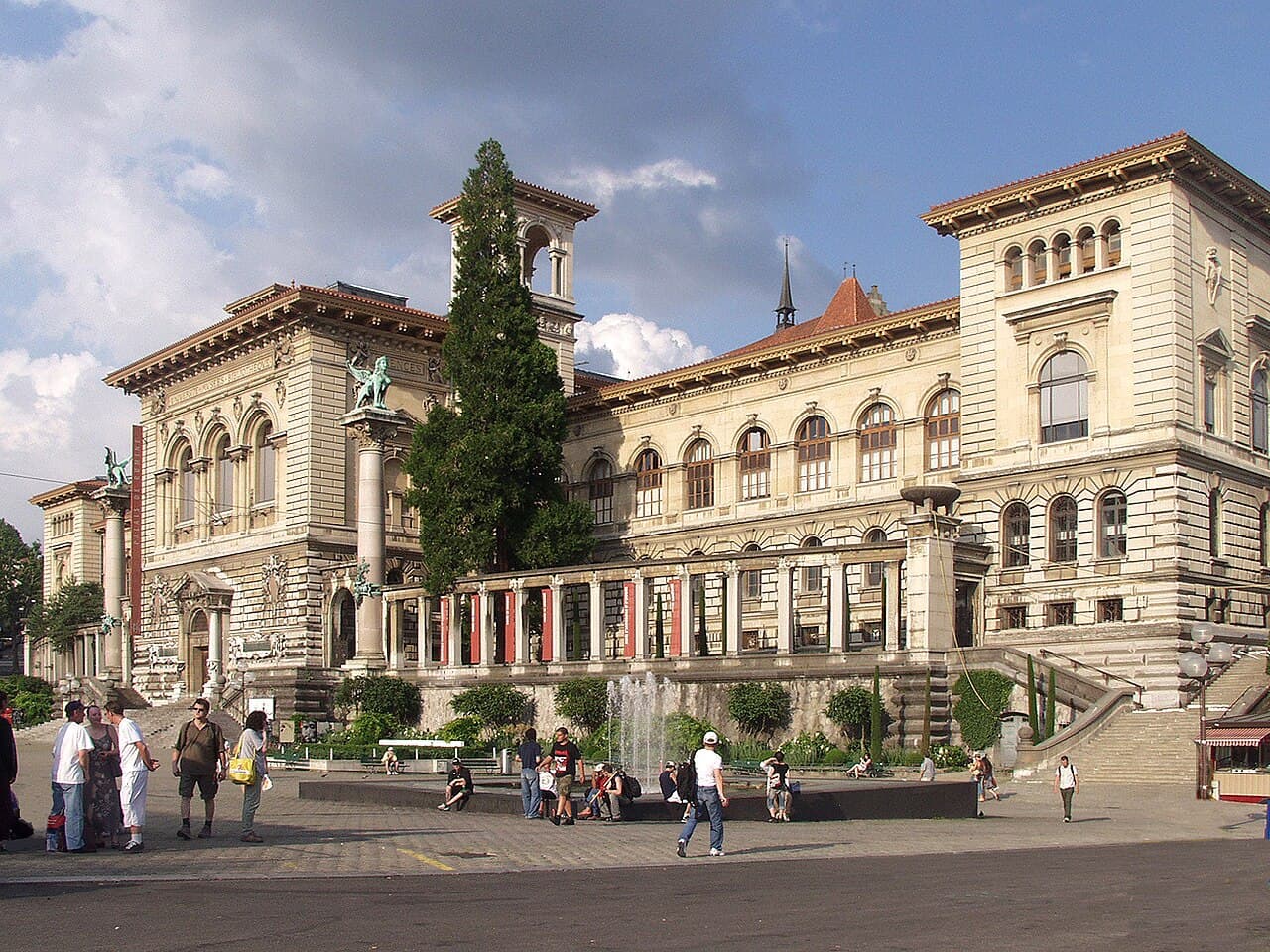
Explore Photo Elysée (one of Switzerland's premier photography museums) and the Palais de Rumine — home to several cantonal museums including natural history, with free admission. Pick up Swiss chocolates from one of Lausanne's storied local chocolatiers.
Evening
Sunset aperitif on a terrace overlooking Lake Geneva — the Pont Bessières or the Hermitage hillside offer spectacular vantage points. End the trip with a fine-dining experience: Lausanne has multiple Michelin-starred restaurants drawing on local Vaudois produce and Swiss wines.
Work-ready layer
Coworking spots and laptop-friendly anchors.
Real coworking spaces, laptop-friendly cafés, and libraries mapped near the center of the city — the closest, best-rated desks first.
Spots surfaced0
Categories—
Mapped0
No coworking-ready spots surfaced for this city yet.
Map pending
No mapped workspace points yet.
Pick a different category or check back once we’ve indexed more desks for this city.
Concierge
Ask the Lausanne concierge.
Share your travel style, must-see spots, or work schedule and the concierge will help turn this guide into something personal.
Personal trip brief
Tell it what kind of trip you're trying to have, and it will tighten the plan.
01
Travel style
Ask for cafés, quiet neighborhoods, date-night spots, or a first 48-hour plan.
02
Work constraints
Mention calls, Wi-Fi needs, or how much of the day has to stay laptop-friendly.
03
Real tradeoffs
Get faster answers on where to stay, when to move neighborhoods, and what to skip.
Traveler reviews
Reviews of Lausanne
Written by signed-in Wanderlust members. We don't check that a reviewer has visited.
No reviews of Lausanne yet.
Plan a trip to Lausanne.
Tell the planner your dates, who's coming, your budget and pace, and it drafts a day-by-day itinerary you can edit.
Wanderlust Pro
Insider tips for Lausanne, unlimited AI-built itineraries, and travel companions you can invite to plan a trip together. From $5.00/month, billed annually.