Top sight
Top sight
Sri Lanka's sacred cultural capital — ancient temples, misty hills, and the world's most scenic train ride.

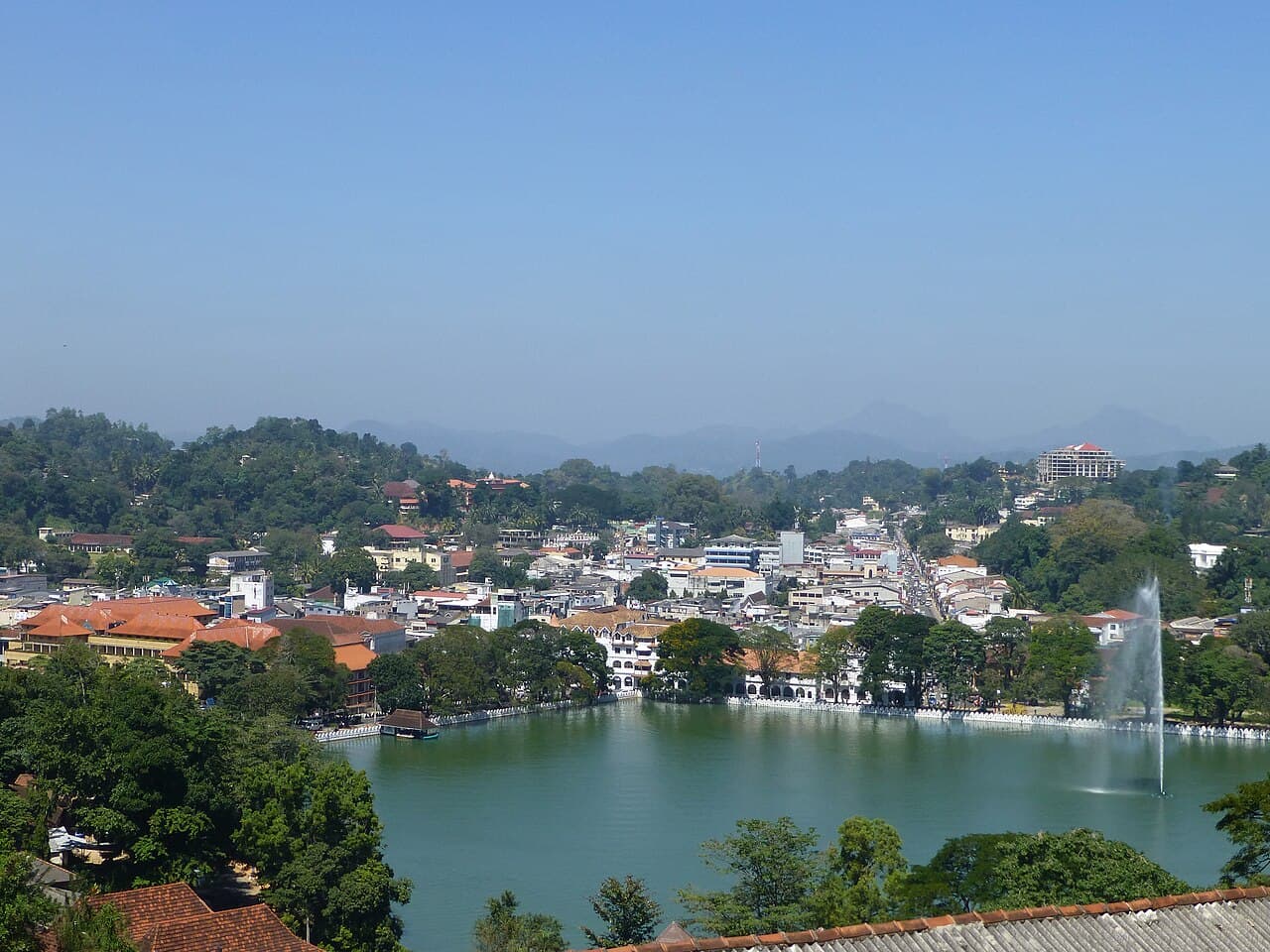
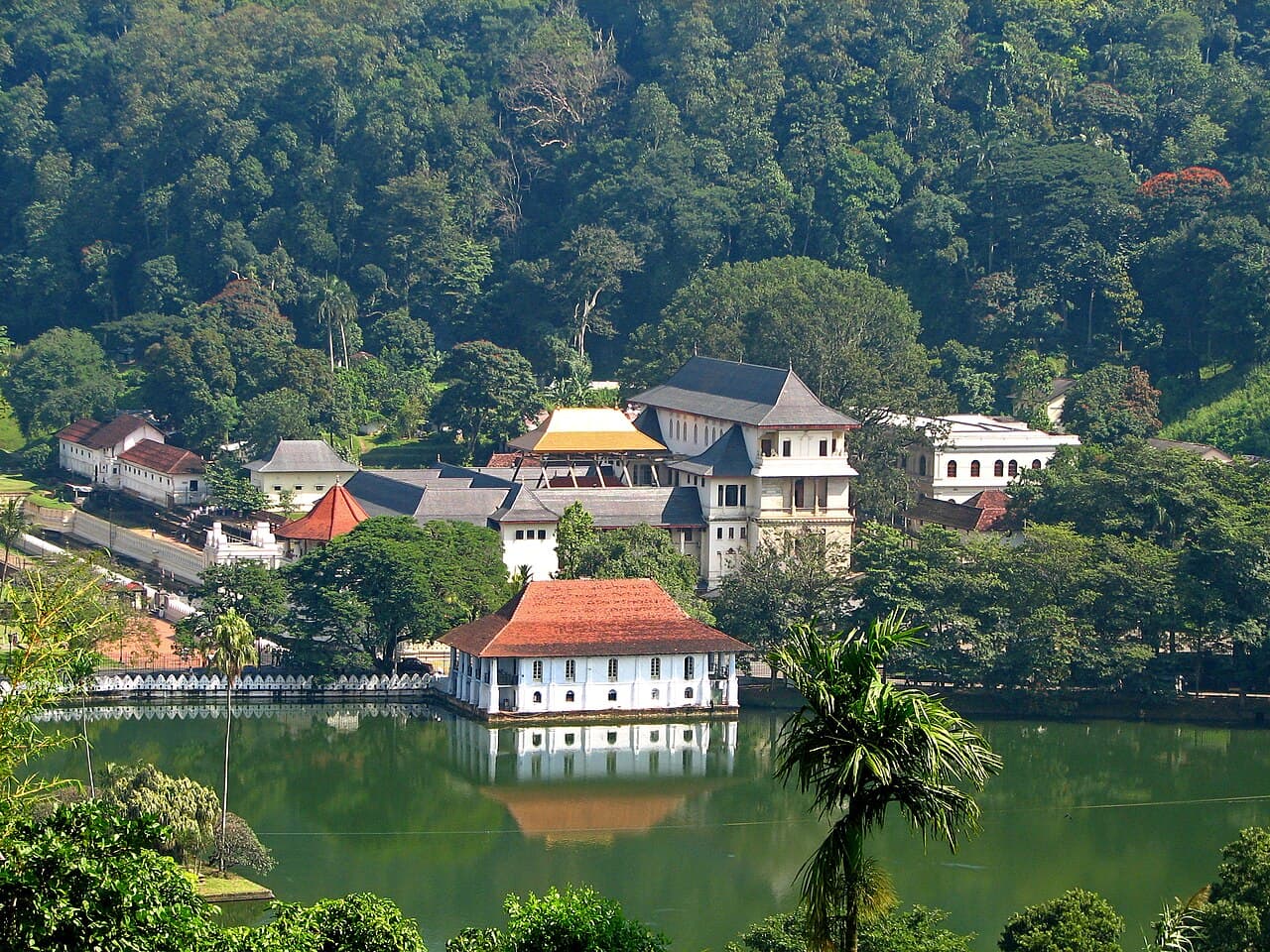
Kandy is Sri Lanka's second-largest city and its undisputed historical and cultural heart, nestled among emerald hills and tea plantations in the central highlands. A UNESCO World Heritage Site since 1988, it was the last capital of the Sinhalese monarchy and home to the revered Temple of the Sacred Tooth Relic. Beyond its sacred core, Kandy offers sweeping botanical gardens, colonial-era museums, and the legendary Kandy-to-Ella train journey — one of the most breathtaking rail routes on earth. With a cooler climate than the coast and a moderate cost of living, it's equally rewarding as a cultural stopover or a longer-stay base.
More cities for these months: Where to go in January · Where to go in February · Where to go in March · Where to go in April · Where to go in July · Where to go in August
Insider tips · Wanderlust Pro
Practical tips on the sights and neighbourhoods in this Kandyguide — when to go, what most visitors miss. Written with AI about the guide's own places; double-check details before you go. Pro members see every tip.
The quick answers travelers want before they commit to flights, neighborhoods, and how long to stay.
Most visitors fly into Bandaranaike International Airport (CMB) in Colombo, 113 km from Kandy. The classic and most atmospheric option is the train from Colombo Fort Railway Station — the journey takes approximately 2.5 hours, with ticket prices ranging from 180–500 LKR depending on class (first and second class seats can be reserved in advance). A direct bus or taxi from Colombo takes 3–4 hours; a private taxi costs around USD 45. From the Cultural Triangle (e.g. Sigiriya/Dambulla), direct public buses run to Kandy's Goods Shed Bus Station in approximately 3 hours — catch a tuk-tuk to Inamaluwa Junction to board.
Kandy's core attractions are largely walkable from the city centre. For trips to Peradeniya Botanical Gardens or the Tea Museum, tuk-tuks are the go-to option — download the Pick Me app (Sri Lanka's Uber equivalent) to book them at fixed, haggle-free prices, which is significantly cheaper than flagging one down on the street. Public buses are the cheapest option; bus 644 from near the Kandy Clock Tower runs directly to the Botanical Gardens for around LKR 20. Scooter rental is available for around LKR 1,500/day for more independent exploration. Kandy's train station connects onward to the highlands (Ella), Colombo, Trincomalee, and Jaffna.
Kandy's climate is shaped by two monsoon cycles, giving it more rainfall than Sri Lanka's coastal lowlands. The sweet spot for most visitors is January through April — the dry season brings cooler, pleasantly warm temperatures between 18–30°C, low humidity, and clear skies ideal for sightseeing and trekking. February and March are widely considered the finest months weather-wise, with the lowest chance of rain. April also ushers in Sinhala and Tamil New Year, filling the city with vibrant cultural celebrations. If festivals are your priority, plan around July–August for the awe-inspiring Kandy Esala Perahera — one of Asia's grandest processions, featuring lavishly adorned elephants, fire-breathers, and drummers — but book accommodation months in advance as the city fills rapidly. The monsoon months of May–September bring regular showers that transform the surrounding hills into a lush, vivid green; rainfall is typically in short afternoon bursts rather than all-day downpours, making it a viable (and cheaper) time to visit for the scenery.
Begin at the Temple of the Sacred Tooth Relic (Sri Dalada Maligawa) early to witness the morning puja ceremony before crowds arrive. Explore the royal palace complex and adjacent museum.
Stroll along Kandy Lake and explore the surrounding streets. Visit the National Museum of Kandy, then head to a local restaurant for a rice and curry lunch. Browse the Kandy City Market for spices and handicrafts.
Catch a traditional Kandyan cultural dance show, featuring fire-walking, acrobatics, and drumming. Head to a rooftop bar like the top floor of Hotel Casamara for sunset views over the city.
Take bus 644 or a tuk-tuk to the Royal Botanical Gardens in Peradeniya (6 km from centre). Spend 2–3 hours exploring the 147-acre grounds — don't miss the avenue of royal palms, the orchid house, and the giant Javan fig tree.
Visit the Ceylon Tea Museum (15 minutes from the gardens by tuk-tuk) for an engaging look at Sri Lanka's tea heritage, with a complimentary cup of tea included. Afterward, take a tuk-tuk up to a hilltop viewpoint such as the Bahirawakanda Buddha Statue for panoramic city views.
Explore the local Kandyan Muslim Hotel for authentic roti and kottu — a favourite among locals. Wind down with a lakeside walk as the temple lights come on after dark.
Hike through the Udawattakele Forest Reserve, a cool, shaded sanctuary above the city filled with birds and monkeys. Visit one of the lesser-known temples in the hills for a quieter spiritual experience away from tourist crowds.
Head to Kandy Railway Station and board the scenic train toward Ella — one of the most photographed rail journeys in the world, passing through tea fields, mist-shrouded mountains, and cascading waterfalls. Book tickets 1–2 days in advance; third class offers the best open-door experience.
Arrive in the hill country for dinner and an overnight stay, or return to Kandy for a final evening meal of hoppers and curry at a local favourite.
Real coworking spaces, laptop-friendly cafés, and libraries mapped near the center of the city — the closest, best-rated desks first.
No coworking-ready spots surfaced for this city yet.
Pick a different category or check back once we’ve indexed more desks for this city.
Ask for cafés, quiet neighborhoods, date-night spots, or a first 48-hour plan.
Mention calls, Wi-Fi needs, or how much of the day has to stay laptop-friendly.
Get faster answers on where to stay, when to move neighborhoods, and what to skip.
Written by signed-in Wanderlust members. We don't check that a reviewer has visited.
No reviews of Kandy yet.
Tell the planner your dates, who's coming, your budget and pace, and it drafts a day-by-day itinerary you can edit.
Wanderlust Pro
Insider tips for Kandy, unlimited AI-built itineraries, and travel companions you can invite to plan a trip together. From $5.00/month, billed annually.
Insider tips · Wanderlust Pro
Practical tips on the sights and neighbourhoods in this Kandyguide — when to go, what most visitors miss. Written with AI about the guide's own places; double-check details before you go. Pro members see every tip.