City guide · Updated June 2026
AsiaSri Lanka6.1° · 80.2°
Galle,Sri Lanka.
A UNESCO-listed colonial fort city where Dutch ramparts meet the Indian Ocean and café culture thrives.
Galle · LK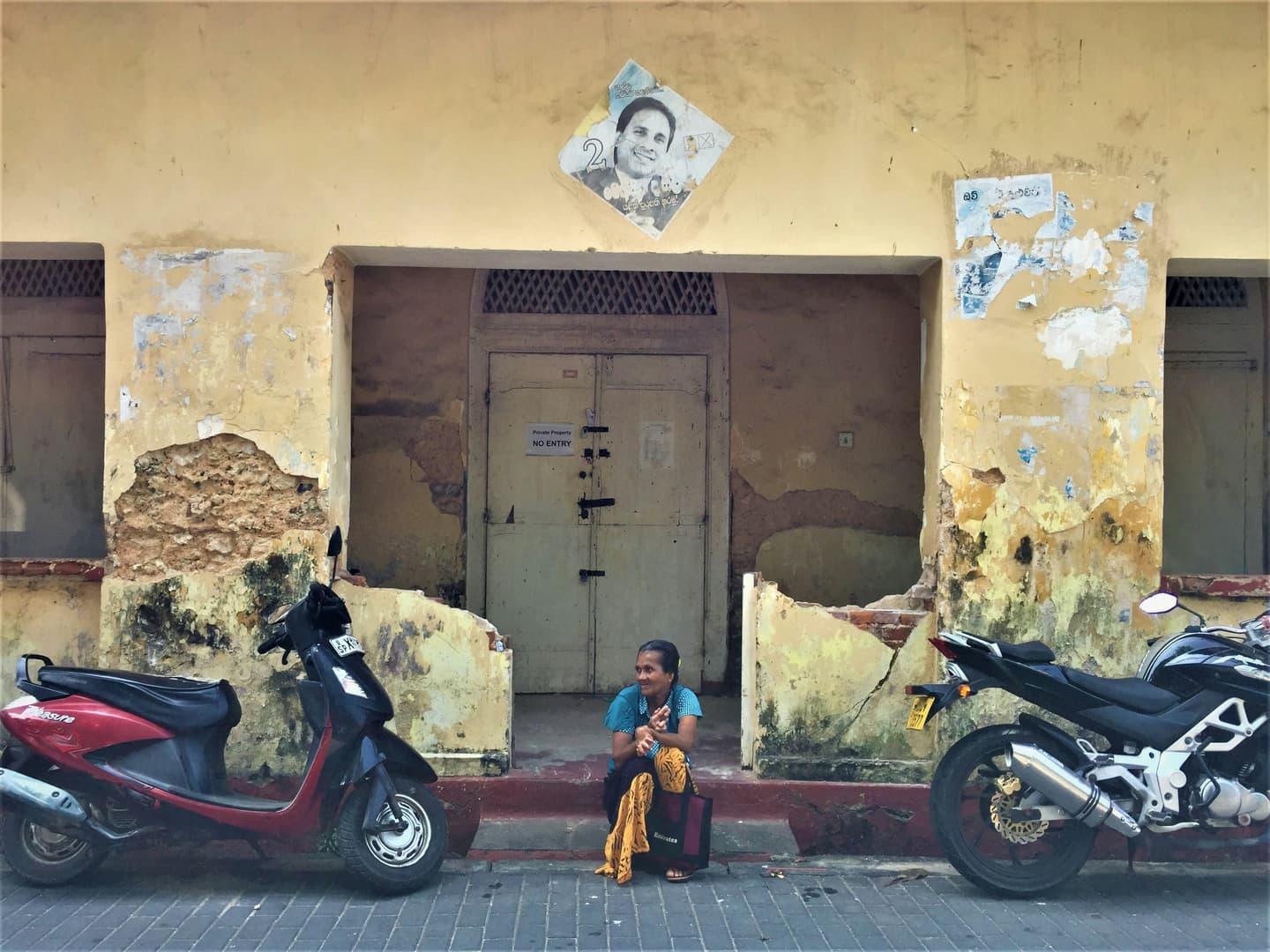
GalleSri Lanka
★
Bandaranaike International Airport (CMB), Colombo — ~120 km north (~2–3 hours by road or rail)NEAREST AIRPORT
Population
102,462.3
Total residents
Global rank
#238
Wanderlust index
Best time
December to March
Peak window
Time zone
Asia/Colombo
Local time
Currency
Sri Lankan Rupee (LKR)
Money in use
Language
Sinhala; Tamil widely spoken; English commonly understood in tourist areas
Spoken locally
01 · Overview
About Galle
A UNESCO-listed colonial fort city where Dutch ramparts meet the Indian Ocean and café culture thrives.
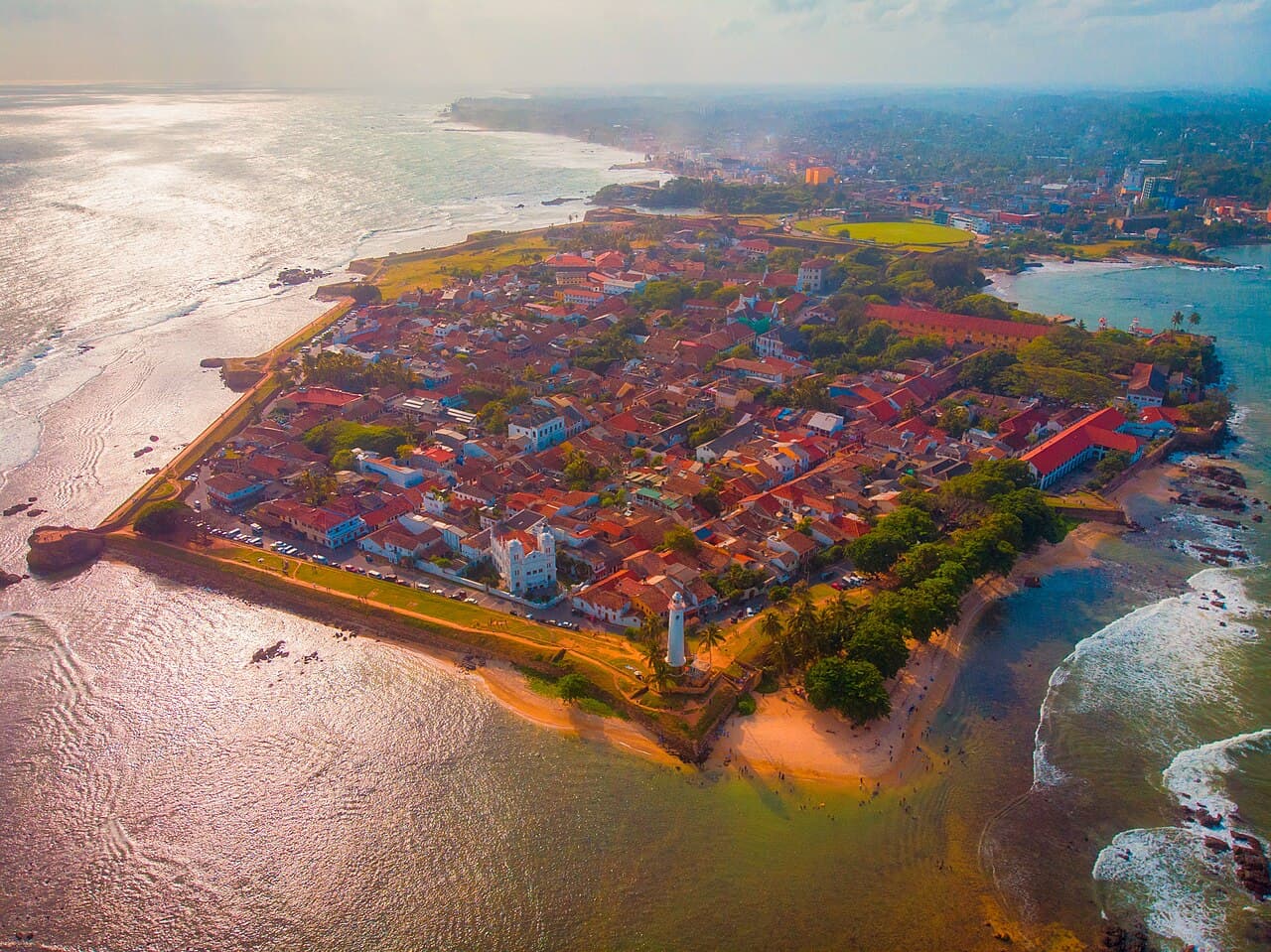
Perched on Sri Lanka's southwestern coast, Galle is the island's most atmospheric colonial city — a walled Dutch fort of narrow, lamp-lit streets, red-tiled villas, boutique hotels, and art galleries jutting dramatically into the Indian Ocean. Beyond the ramparts, a lively modern town, world-class beaches at Unawatuna and Hikkaduwa, and easy access to whale-watching and surf breaks make Galle a natural hub for the southern coast. It draws a growing wave of digital nomads alongside heritage-seekers, offering a rare combination of slow-travel charm, strong café culture, and genuinely affordable living.
02 · Wanderlust scorecard
How Galle scores
Ratings run 0 to 5 unless marked. They come from our AI-assisted research and are refreshed on a rolling basis.
4.5
/ 5
Cost of living
Affordability, 0–5. Higher means cheaper.
4.5
/ 5
Leisure
Leisure rating, 0–5.
25
Mbps
Connectivity
Median internet speed.
3.5
/ 5
Safety
Safety rating, 0–5. Higher is safer.
4
/ 5
Overall livability
Overall rating, 0–5.
4.5
/ 5
Air quality
Air-quality rating, 0–5. Higher is cleaner.
7.5
index
Index score
Wanderlust ranking, 0–10: overall, safety, internet, cost, leisure and air quality, weighted.
03 · Weather & when to go
Best time to visit Galle
Current weather and the forecast, and the months our research rates best for a visit.
Month by month
Best months Either side Other months
Jan
Feb
Mar
Apr
May
Jun
Jul
Aug
Sep
Oct
Nov
Dec
Sweet spot: December to March is peak season with minimal rain, clear skies, and ideal beach conditions. January also hosts the renowned Galle Literary Festival. Avoid May–September when the southwest monsoon brings heavy rainfall..
More cities for these months: Where to go in January · Where to go in February · Where to go in March · Where to go in December
04 · Things to do
Things to do in Galle
Top sights from our AI-assisted research, and other places we have photos of.
Top sight
Top sight
Galle Lighthouse & Ramparts
Top sight
Top sight
Dutch Reformed Church
Top sight
Top sight
Unawatuna Beach
Top sight
Top sight
Flag Rock & Neptune Bastion
Top sight
Top sight
Hikkaduwa Coral Reef
05 · Monthly cost of living
Cost of living in Galle
Estimated monthly totals in USD from our AI-assisted research, one per profile. Treat them as a starting point for a budget, not a quote.
$900
estimated monthly spend · USDProfileExpat
Price references — vs. profile benchmarks
Nomadmonthly spend · USD
$1,200
+33%
Expatmonthly spend · USD
$900
baseline
Familymonthly spend · USD
$1,999.2
+122%
Localmonthly spend · USD
$458.1
-49%
Median fiber speeddownload · Mbps
25
Mbps
06 · Neighborhoods
Where to stay in Galle
Neighborhoods our AI-assisted research lists as popular with visitors.
Galle Fort (Old Town)
Unawatuna
Hikkaduwa
Dadella
07 · Insider tips
Sights and neighbourhoods, with a tip each.
Practical tips on places from this Galle guide, written with AI. One is free; Pro members see the rest. Double-check details before you go.
Insider tips · Wanderlust Pro
Practical tips on the sights and neighbourhoods in this Galleguide — when to go, what most visitors miss. Written with AI about the guide's own places; double-check details before you go. Pro members see every tip.
08 · Practical notes
Practical information for Galle
The essentials from this guide's data, in one place.
01
Getting there
- Nearest airport — Bandaranaike International Airport (CMB), Colombo — ~120 km north (~2–3 hours by road or rail)
02
Money
- Currency — Sri Lankan Rupee (LKR)
- Affordability — 4.5/5 on the Wanderlust index (higher is cheaper)
03
Internet
- Median speed — 25 Mbps
- Internet score — 1.9/5
04
Safety
- Safety score — 3.5/5 from our AI-assisted research
05
Language
- Primary language — Sinhala; Tamil widely spoken; English commonly understood in tourist areas
06
Timing
- Best window — December to March is peak season with minimal rain, clear skies, and ideal beach conditions. January also hosts the renowned Galle Literary Festival. Avoid May–September when the southwest monsoon brings heavy rainfall.
- Time zone — Asia/Colombo
Questions
Frequently asked, plainly answered.
The quick answers travelers want before they commit to flights, neighborhoods, and how long to stay.
Is Galle safe for travelers?+
Galle has a safety rating of 3.5 out of 5.
What is the best time to visit Galle?+
The best time to visit Galle is December to March is peak season with minimal rain, clear skies, and ideal beach conditions. January also hosts the renowned Galle Literary Festival. Avoid May–September when the southwest monsoon brings heavy rainfall..
How expensive is Galle?+
Galle has an affordability score of 4.5 out of 5, where 5 is most affordable.
What is the internet speed in Galle?+
Galle has an average internet speed of 25 Mbps.
What currency does Galle use?+
The currency used in Galle is Sri Lankan Rupee (LKR).
What language is spoken in Galle?+
The primary language spoken in Galle is Sinhala; Tamil widely spoken; English commonly understood in tourist areas.
Researched city guide
Getting there, getting around and when to go
Written with AI-assisted web research. Where we have sources, they are listed under each part.
What works
- UNESCO World Heritage Fort with extraordinary colonial architecture and ocean rampart walks
- Very affordable cost of living — nomads can live comfortably for ~$900–$1,200/month
- Excellent food scene: fresh seafood, authentic Sri Lankan curries, and chic boutique cafés
- Gateway to world-class beaches, surf breaks, and whale-watching in the Indian Ocean
- Sri Lanka's 1-year Digital Nomad Visa (from ~$500) makes long-term stays easy
- Compact, walkable fort core with a relaxed, slow-travel pace
What to weigh
- Southwest monsoon (May–September) brings heavy rain and rough seas, limiting beach access
- Peak season (December–January) sees high hotel prices and significant tourist crowds
- Internet can be inconsistent outside dedicated coworking cafés — carry a 4G SIM backup
- Limited coworking infrastructure compared to Colombo or Weligama
- Tuk-tuk pricing for tourists requires negotiation; no metered taxis
- Small expat/nomad community — social scene is less developed than nearby Weligama
Getting in
How to arrive
All international visitors fly into Bandaranaike International Airport (CMB) in Colombo — Sri Lanka's sole major international gateway — roughly 120 km north of Galle. From the airport, the most comfortable option is a private taxi or pre-booked transfer via the Southern Expressway, taking about 2–2.5 hours and costing approximately LKR 9,000+ (~$45–$60 USD). Ride-hailing apps PickMe and Uber serve the Colombo–Galle corridor at lower rates with transparent pricing. The coastal train from Colombo Fort Station is the most scenic option — a beloved ride hugging the shoreline for roughly 2.5 hours; a second-class ticket costs around $18 USD. AC express buses depart Colombo's Makumbura station to Galle from 5 am every 20 minutes until 21:00, with a one-way ticket costing around LKR 2,000 (~$7 USD). The nearest airstrip is Koggala Airport (KCT), just 8 miles from Galle, served by Cinnamon Air seaplane/light aircraft flights from Colombo.
Getting around
Moving through the city
Galle Fort itself is compact and easily explored on foot — most sights are within a 15-minute walk of each other. For hops around the broader city and to nearby beaches, tuk-tuks are the go-to option; always negotiate the fare before boarding. Ride-hailing app PickMe is available and offers transparent pricing for tuk-tuks and cars. Local buses connect Galle to the southern coast towns of Unawatuna, Hikkaduwa, Mirissa, and Weligama frequently and cheaply (fares as low as LKR 50–150). Scooter rentals are available through most guesthouses and are popular for day trips along the coast. Café Wi-Fi in the Fort typically delivers 50–100 Mbps, while mobile 4G on local SIM cards (Dialog or Mobitel, from ~LKR 1,000) hits 20–70 Mbps across the coastal strip.
When to go
Timing your trip
Galle's dry season runs December through March, delivering clear skies, calm seas, and temperatures between 24–31°C — the undisputed sweet spot for beach days, fort walks, and watersports at nearby Unawatuna and Hikkaduwa. January is the cultural peak, coinciding with the Galle Literary Festival, which draws authors and readers from around the world. February and March are arguably the most reliably sunny months, and March–April sees the pre-monsoon heat build before the southwest (Yala) monsoon arrives in May. The monsoon runs May through September with heavy rainfall and rough seas, making beach activities difficult — but crowds thin out and prices drop noticeably. The shoulder months of October and November see the rains ease, and some travelers find this period a rewarding trade-off between value and decent weather. Year-round temperatures rarely dip below 23°C, so any visit can be rewarding with the right expectations.
Plan your trip
3 days in Galle: a sample itinerary
A ready-made starting point. Make it your own — clone it into an editable journey and reshape every stop.
Day 01
Day 1 – Inside the Fort Walls
Morning
Start at the iconic Main Gate and walk the Fort's ramparts — don't miss the Galle Lighthouse and the sweeping Indian Ocean views from Flag Rock. Explore the Dutch Reformed Church and the Clock Tower.
Afternoon
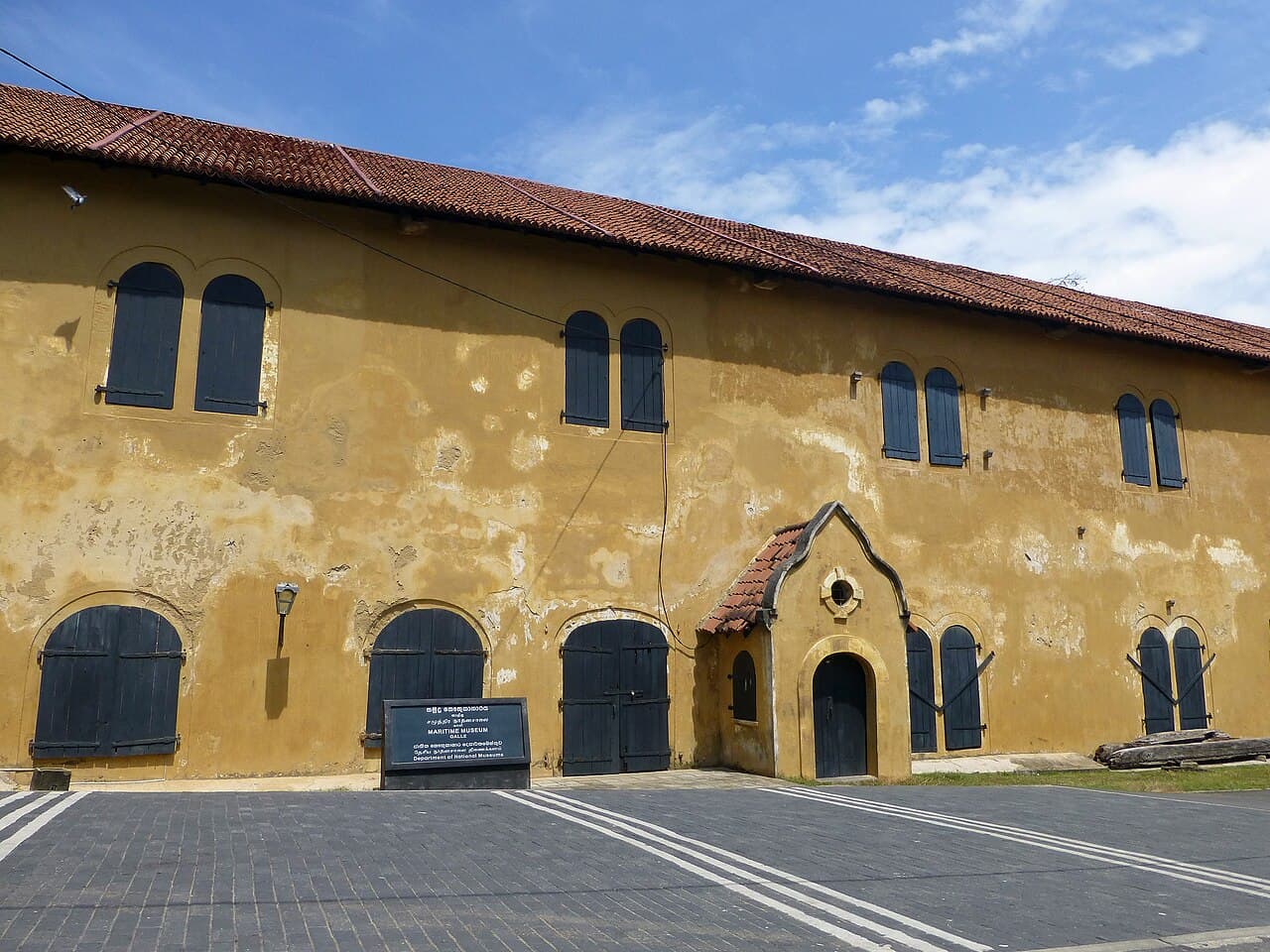
Wander the Fort's boutique-lined lanes: browse jewellery shops, art galleries, and lace sellers. Visit the National Maritime Museum for context on Galle's centuries-old trading history. Stop for a Sri Lankan lunch at one of the Fort's heritage restaurants.
Evening
Head to Neptune or Triton Bastion for the famous Galle sunset over the ocean. Dine on fresh seafood at one of the Fort's colonial courtyard restaurants and explore the atmospheric lantern-lit streets after dark.
Day 02
Day 2 – Beaches & Water
Morning
Take a tuk-tuk 5 minutes south to Unawatuna beach — arrive early for calm waters and a quiet swim. The bay's gentle waves make it ideal for snorkelling the shallow reef.
Afternoon
Head to Jungle Beach for a quieter cove, or continue west to Hikkaduwa for a coral reef snorkel or beginner surf lesson. Grab a beachside kottu roti for lunch.
Evening
Return to Galle Fort for an Ayurvedic massage or cooking class at one of the heritage guesthouses. End the evening with rooftop drinks overlooking the ramparts.
Day 03
Day 3 – Nature, Culture & Coast
Morning
Join an early-morning whale-watching boat trip from Mirissa Harbour (30 min east by tuk-tuk) — blue whales and sperm whales are commonly spotted November through April.
Afternoon
Return to Galle and visit the Galle Fort Bazaar and the local market outside the walls for fresh spices, tropical fruit, and street food. Explore the Closenberg headland for panoramic bay views.
Evening
Take the iconic coastal train one stop west to Hikkaduwa for a sunset beach bar session, then return to Galle by bus or tuk-tuk for a final dinner in the Fort.
Work-ready layer
Coworking spots and laptop-friendly anchors.
Real coworking spaces, laptop-friendly cafés, and libraries mapped near the center of the city — the closest, best-rated desks first.
Spots surfaced0
Categories—
Mapped0
No coworking-ready spots surfaced for this city yet.
Map pending
No mapped workspace points yet.
Pick a different category or check back once we’ve indexed more desks for this city.
Concierge
Ask the Galle concierge.
Share your travel style, must-see spots, or work schedule and the concierge will help turn this guide into something personal.
Personal trip brief
Tell it what kind of trip you're trying to have, and it will tighten the plan.
01
Travel style
Ask for cafés, quiet neighborhoods, date-night spots, or a first 48-hour plan.
02
Work constraints
Mention calls, Wi-Fi needs, or how much of the day has to stay laptop-friendly.
03
Real tradeoffs
Get faster answers on where to stay, when to move neighborhoods, and what to skip.
Traveler reviews
Reviews of Galle
Written by signed-in Wanderlust members. We don't check that a reviewer has visited.
No reviews of Galle yet.
Plan a trip to Galle.
Tell the planner your dates, who's coming, your budget and pace, and it drafts a day-by-day itinerary you can edit.
Wanderlust Pro
Insider tips for Galle, unlimited AI-built itineraries, and travel companions you can invite to plan a trip together. From $5.00/month, billed annually.