Top sight
Top sight
Rajasthan's Blue City — a labyrinth of indigo lanes, towering desert forts, and living royal heritage.
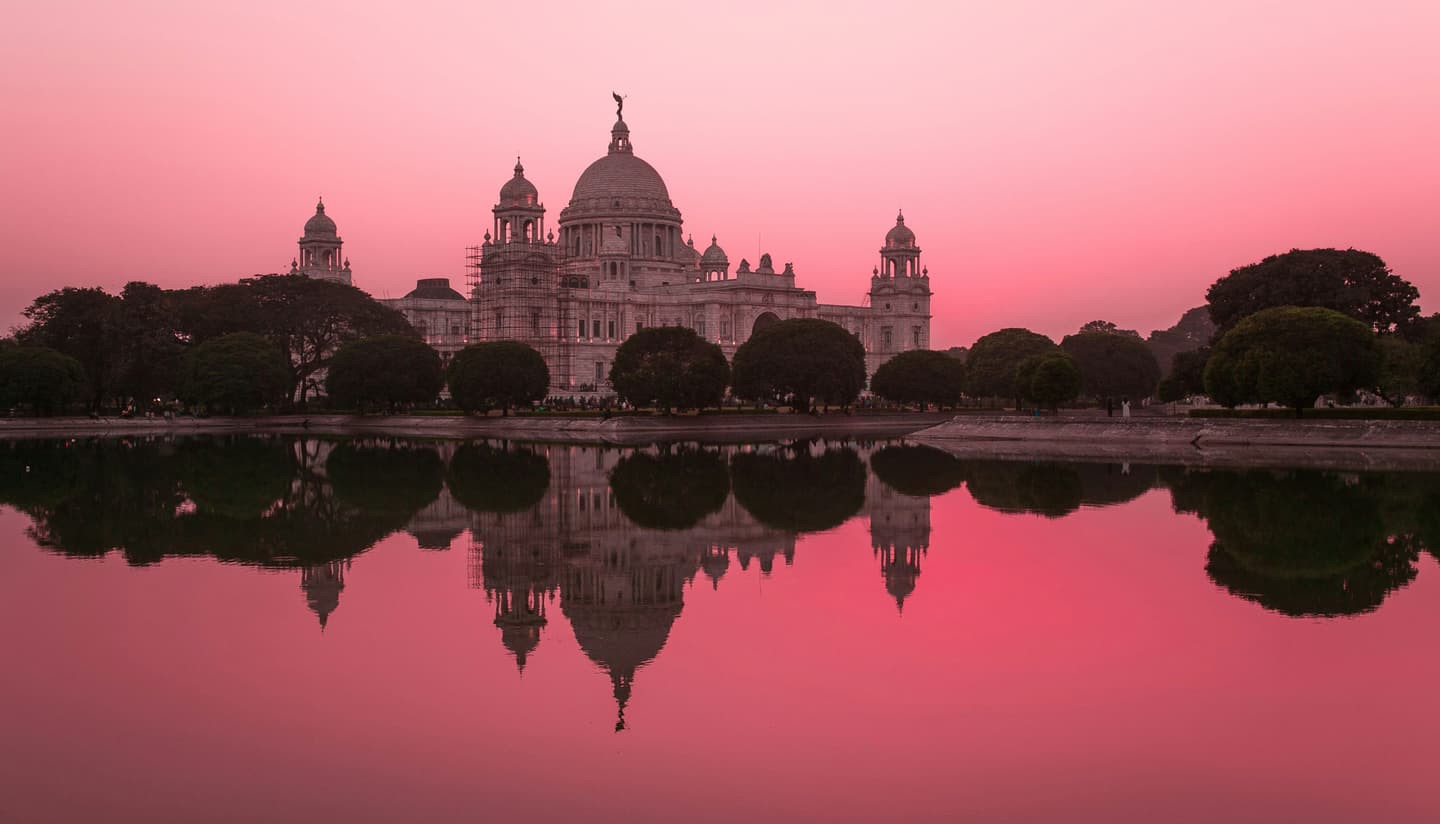
Jodhpur, known as the "Blue City," rises dramatically from the edge of the Thar Desert, its iconic indigo-washed old town huddled beneath the soaring walls of Mehrangarh Fort. Founded in 1459 by Rao Jodha, the city was the capital of the Marwar kingdom and remains one of Rajasthan's most captivating destinations, blending majestic palaces, ancient stepwells, and spice-laden bazaars. Visitors can wander winding medieval lanes, explore grand museums inside the fort, and dine on rooftop terraces with panoramic sunset views over a sea of blue rooftops. Exceptionally affordable and culturally rich, Jodhpur is an essential stop on any Rajasthan itinerary.
More cities for these months: Where to go in January · Where to go in February · Where to go in March · Where to go in October · Where to go in November · Where to go in December
Insider tips · Wanderlust Pro
Practical tips on the sights and neighbourhoods in this Jodhpurguide — when to go, what most visitors miss. Written with AI about the guide's own places; double-check details before you go. Pro members see every tip.
The quick answers travelers want before they commit to flights, neighborhoods, and how long to stay.
Jodhpur Airport (JDH) is a compact civil enclave located roughly 5 km from the city centre, making the transfer to your hotel a swift 10–15 minutes by taxi. Regular domestic flights connect Jodhpur to Delhi (~1h 10min), Mumbai (~2h), Jaipur (~40min), and Udaipur. Pre-booked app cabs and prepaid taxis are the most convenient option from the airport. By rail, Jodhpur Junction (JU) is a major hub on the North Western Railway network with direct trains to Delhi, Mumbai, Jaipur, and beyond; the luxury Palace on Wheels also stops here. By road, RSTC and private Volvo buses connect Jodhpur to Jaipur, Jaisalmer, Udaipur, and Delhi, with the main bus stand situated about 8.7 km from the airport.
The compact Old City is best explored on foot, especially in the cooler winter months when walking the blue lanes is a highlight in itself. For longer trips across the city, auto-rickshaws are ubiquitous and cheap — always agree on a fare before you board, as meters are rarely used. App-based cabs (Ola, Rapido) are available and offer more predictable pricing. For day trips to Mandore, Osian desert temples, or the Bishnoi villages, hiring a private car or taxi for the day (~₹1,500–2,500) is the most practical option. The city also has a Bus Rapid Transit System (BRTS) with low-floor buses covering major routes.
November to February is the sweet spot for Jodhpur — daytime temperatures sit comfortably between 7°C and 25°C, the desert light turns golden, and skies stay crystal clear, making it ideal for long fort walks and market evenings. October and March serve as excellent shoulder months: crowds and prices are lower, weather is transitional but pleasant (15–30°C), and October brings the Marwar Festival — a vibrant celebration of Rajasthani folk music and dance held at Mehrangarh Fort and Umaid Bhawan Palace — along with the Rajasthan International Folk Festival (RIFF). Late October and February in particular offer the best balance of comfortable temperatures and manageable crowd levels. Summer (April–June) sees temperatures soar past 40°C and should be avoided by most visitors, though budget deals abound. The monsoon (July–September) brings brief, lighter rains than coastal India, cooler evenings, and dramatically moody skies — worth considering for repeat visitors and photographers seeking empty monuments at rock-bottom prices.
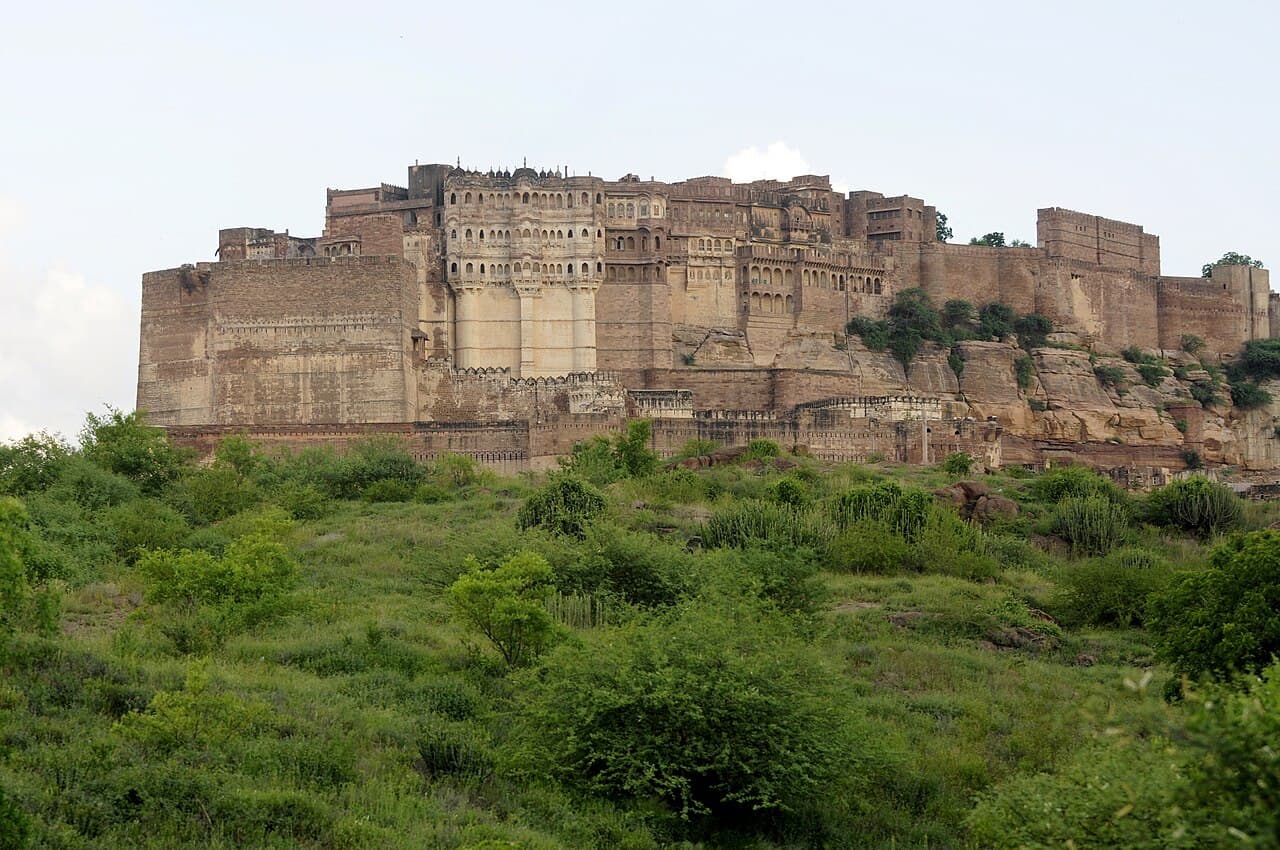
Arrive early at Mehrangarh Fort to beat the crowds. Explore its seven gates, the Sheesh Mahal, Moti Mahal, and the world-class museum of royal artefacts. Don't miss the fort's rooftop café for Jodhpuri Kachori and views over the blue city.
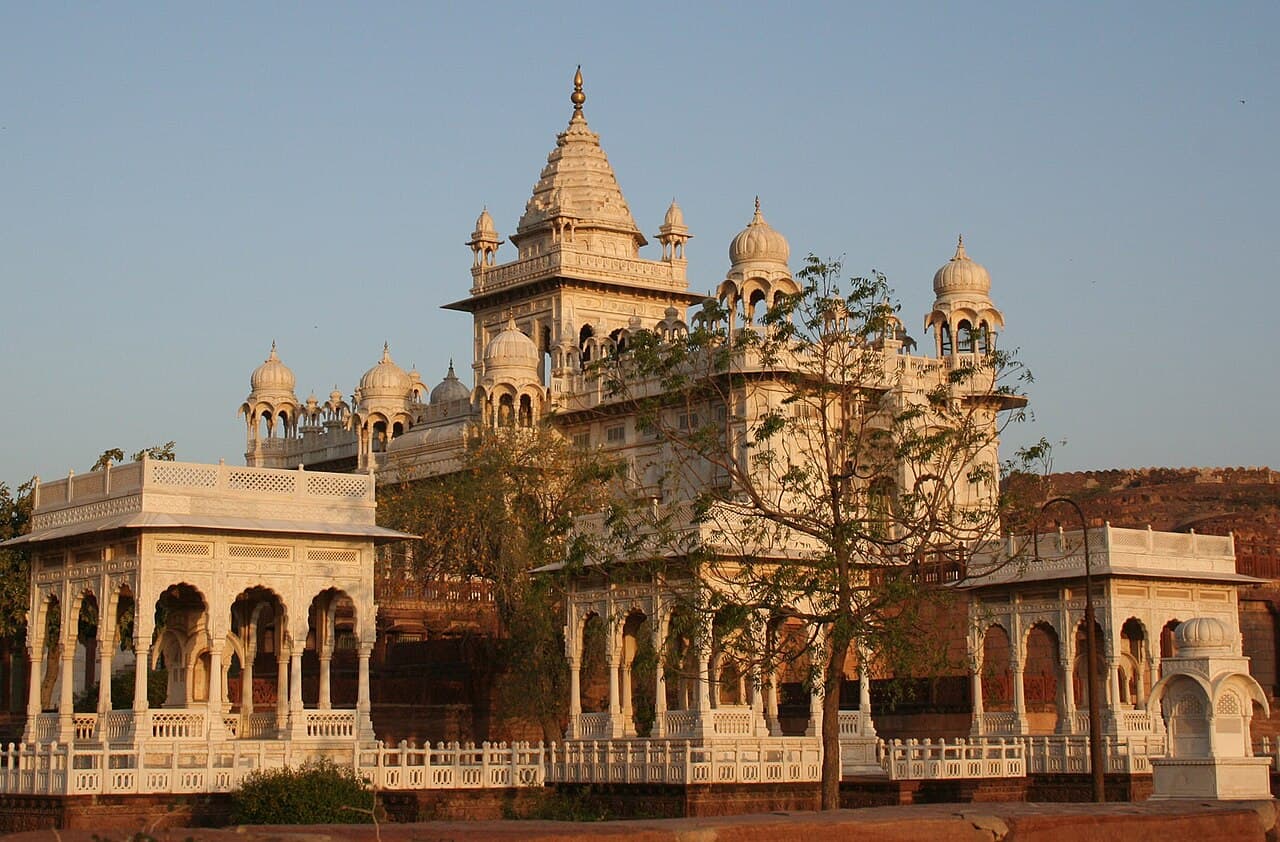
Walk downhill to Jaswant Thada, the serene white-marble cenotaph of Maharaja Jaswant Singh II. Continue to Rao Jodha Desert Rock Park for a self-guided stroll through 70 hectares of native Thar Desert landscape.
Head to Sunset Point on the ridge south of the fort for panoramic views of the glowing sandstone battlements. Descend to the Clock Tower area for street food — try Mirchi Bada and Makhaniya Lassi near Mishrilal Hotel — and explore the vibrant Sardar Market.
Dive into the winding blue lanes of Makrana Mohalla in the Old City. Visit the stunning Toorji Ka Jhalra stepwell, built in the 1740s, and if you're feeling brave, join the locals diving into its waters. Browse the original MV Spices shop for handmade masalas.
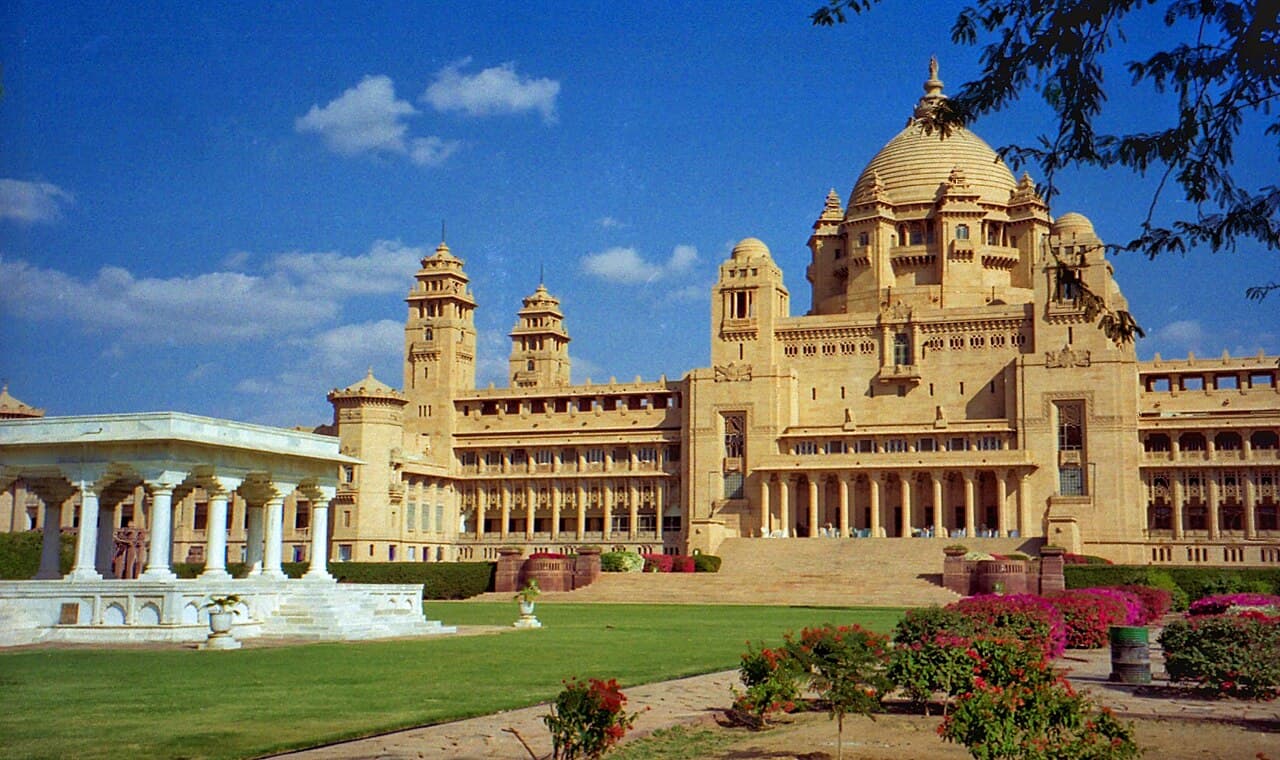
Head to Umaid Bhawan Palace — one of the world's largest private residences — to tour its museum wing, showcasing Art Deco interiors, vintage cars, and royal memorabilia. Stroll the Umaid Gardens nearby.
Return to the old city for dinner at a heritage haveli rooftop restaurant near Gulab Sagar Lake. Try the Rajasthani thali with Dal Baati Churma. Explore the lit-up night market stalls around Ghanta Ghar (Clock Tower).
Hire a car for a half-day excursion to Mandore Gardens (9 km north), the ancient pre-Jodhpur capital, with cenotaphs, temples, and a small museum. Return via the Balsamand Lake and its 13th-century heritage garden.
Head to a Bishnoi village for a guided eco-cultural safari — witness a community renowned for protecting wildlife and nature, and see traditional block-printing and pottery crafts up close.
Back in the city, browse handicraft shops in the old bazaar for Jodhpuri textiles, blue pottery, and silver jewellery. End the trip with dinner at a rooftop restaurant in the Clock Tower neighbourhood, watching the fort illuminate against the desert sky.
Real coworking spaces, laptop-friendly cafés, and libraries mapped near the center of the city — the closest, best-rated desks first.
No coworking-ready spots surfaced for this city yet.
Pick a different category or check back once we’ve indexed more desks for this city.
Ask for cafés, quiet neighborhoods, date-night spots, or a first 48-hour plan.
Mention calls, Wi-Fi needs, or how much of the day has to stay laptop-friendly.
Get faster answers on where to stay, when to move neighborhoods, and what to skip.
Written by signed-in Wanderlust members. We don't check that a reviewer has visited.
No reviews of Jodhpur yet.
Tell the planner your dates, who's coming, your budget and pace, and it drafts a day-by-day itinerary you can edit.
Wanderlust Pro
Insider tips for Jodhpur, unlimited AI-built itineraries, and travel companions you can invite to plan a trip together. From $5.00/month, billed annually.
Insider tips · Wanderlust Pro
Practical tips on the sights and neighbourhoods in this Jodhpurguide — when to go, what most visitors miss. Written with AI about the guide's own places; double-check details before you go. Pro members see every tip.