Top sight
Top sight
Indonesia's colossal capital — where Dutch colonial history, street-food culture, and a booming skyline collide.
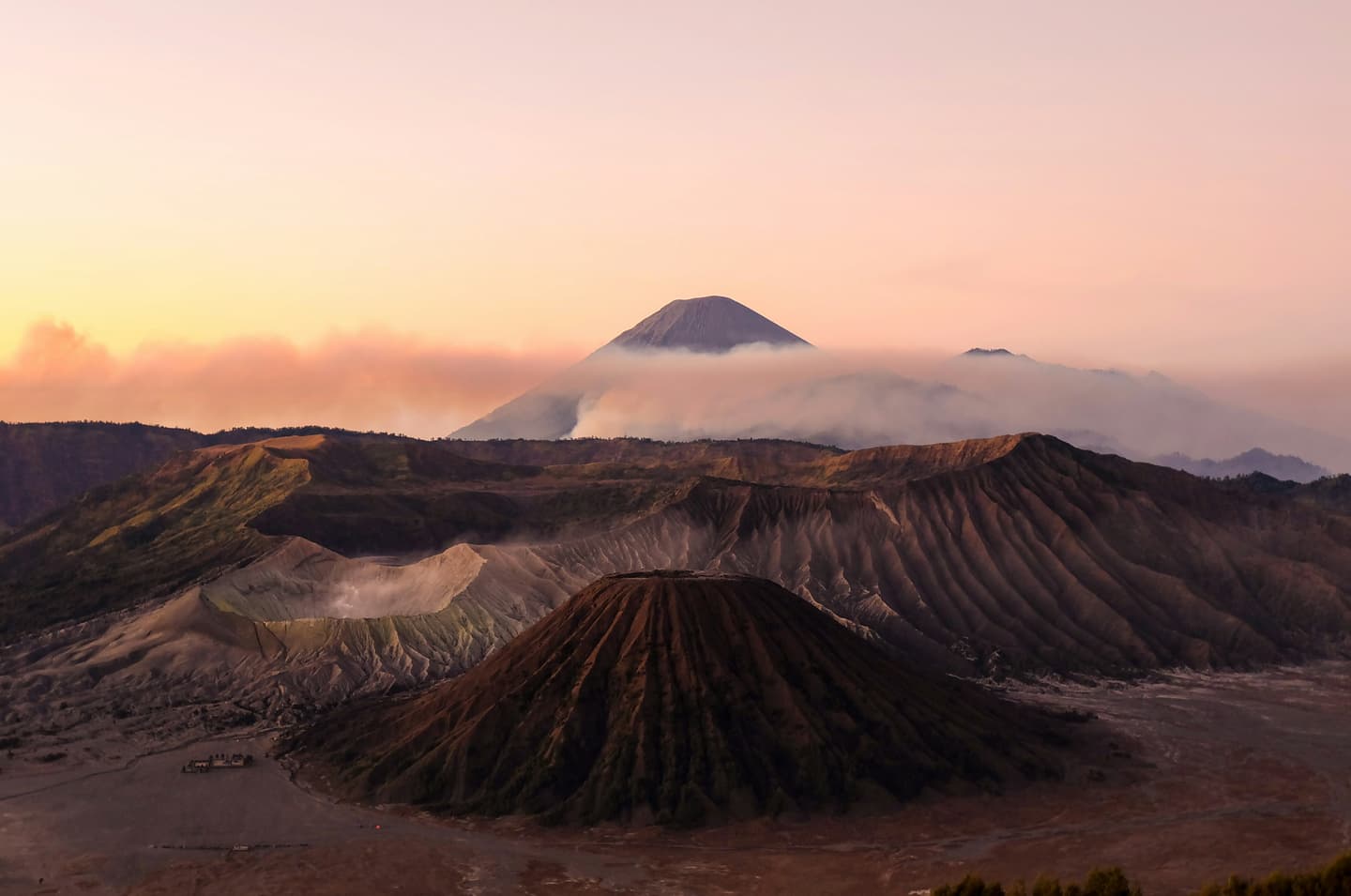
Jakarta is Indonesia's political and economic heart, a megacity of roughly 41.9 million people in its wider urban area sitting on the northwest coast of Java. It blends the Dutch colonial architecture of Kota Tua with gleaming business-district towers, serving up regional cuisines from across the archipelago alongside rooftop bars and vibrant night markets. Despite legendary traffic, an expanding MRT, LRT, and TransJakarta network is steadily making the city more navigable. For travelers curious about Indonesia's urban pulse, Jakarta delivers a bold, layered experience unlike anything found in the country's beach towns or mountain villages.
More cities for these months: Where to go in June · Where to go in July · Where to go in August · Where to go in September
Insider tips · Wanderlust Pro
Practical tips on the sights and neighbourhoods in this Jakartaguide — when to go, what most visitors miss. Written with AI about the guide's own places; double-check details before you go. Pro members see every tip.
The quick answers travelers want before they commit to flights, neighborhoods, and how long to stay.
Jakarta is served by Soekarno-Hatta International Airport (CGK), located approximately 33 km from the city center and handling carriers including Garuda Indonesia, AirAsia, Lion Air, Singapore Airlines, and Cathay Pacific. The Airport Rail Link (KA Bandara) is the fastest and most reliable option, running every 15–20 minutes and reaching central hubs in roughly 40–50 minutes; a one-way ticket costs around IDR 70,000–90,000 (~$4–6 USD). Taxis and ride-hailing apps (Grab, Gojek) are available at clearly marked counters outside all terminals — expect fares of IDR 160,000–350,000 (~$10–22 USD) to central Jakarta including tolls, with journey times of 45–60 minutes in normal traffic (allow up to 90 minutes during rush hour). The DAMRI bus is the cheapest surface option with routes to Gambir Station and Thamrin, though journeys can take up to two hours. For onward travel across Java, Gambir and Pasar Senen stations offer cheap intercity trains to Bandung, Yogyakarta, Surabaya, and beyond.
Jakarta's city transit network has improved dramatically and now includes the MRT, LRT/Jabodebek LRT, TransJakarta BRT, and the KRL Commuter Line. The MRT North–South line runs 15.7 km across 13 stations from Lebak Bulus to Bundaran HI, completing most central trips in 20–30 minutes off-peak; it operates 5 AM–11 PM with ~5-minute headways at rush hour. TransJakarta BRT covers over 90% of the city on dedicated lanes and runs core routes 24 hours, making it the most flexible option. The KRL Commuter Line connects suburban areas like Bogor, Depok, and Tangerang from 3 AM to midnight. All modes accept the same electronic transport cards, and Jakarta's JakLingko integrated fare system caps multi-modal journeys at IDR 10,000 (~$0.60 USD) within a 3-hour window. For door-to-door trips, Grab and Gojek ride-hailing apps are the most convenient option and often cheaper than metered taxis; motorcycle ojek rides via Gojek are ideal for cutting through congestion during peak hours.
Jakarta has a tropical monsoon climate — warm and humid year-round, with temperatures hovering around 28–32°C regardless of season. The city splits broadly into a dry season (May–September) and a wet season (October–April). July and August are the driest and most popular months, with plentiful sunshine and lower humidity making outdoor sightseeing at landmarks like Monas, Kota Tua, and Sunda Kelapa Harbour much more comfortable. June through September is therefore the sweet spot: school holidays and cultural festivals add to the energy, though accommodation prices tick up at peak. May and September serve as pleasant shoulder months with fewer crowds and occasional light showers. The wet season (October–April) brings heavy rainfall — January averages around 389 mm — and periodic flooding, particularly in northern coastal neighborhoods. That said, the low season does offer cheaper hotels and a more local feel, and Jakarta's world-class malls, museums, and dining scene are entirely rain-proof. Avoid peak Lebaran/Idul Fitri travel weeks (dates shift annually) when the city empties of locals but transport becomes extremely crowded.
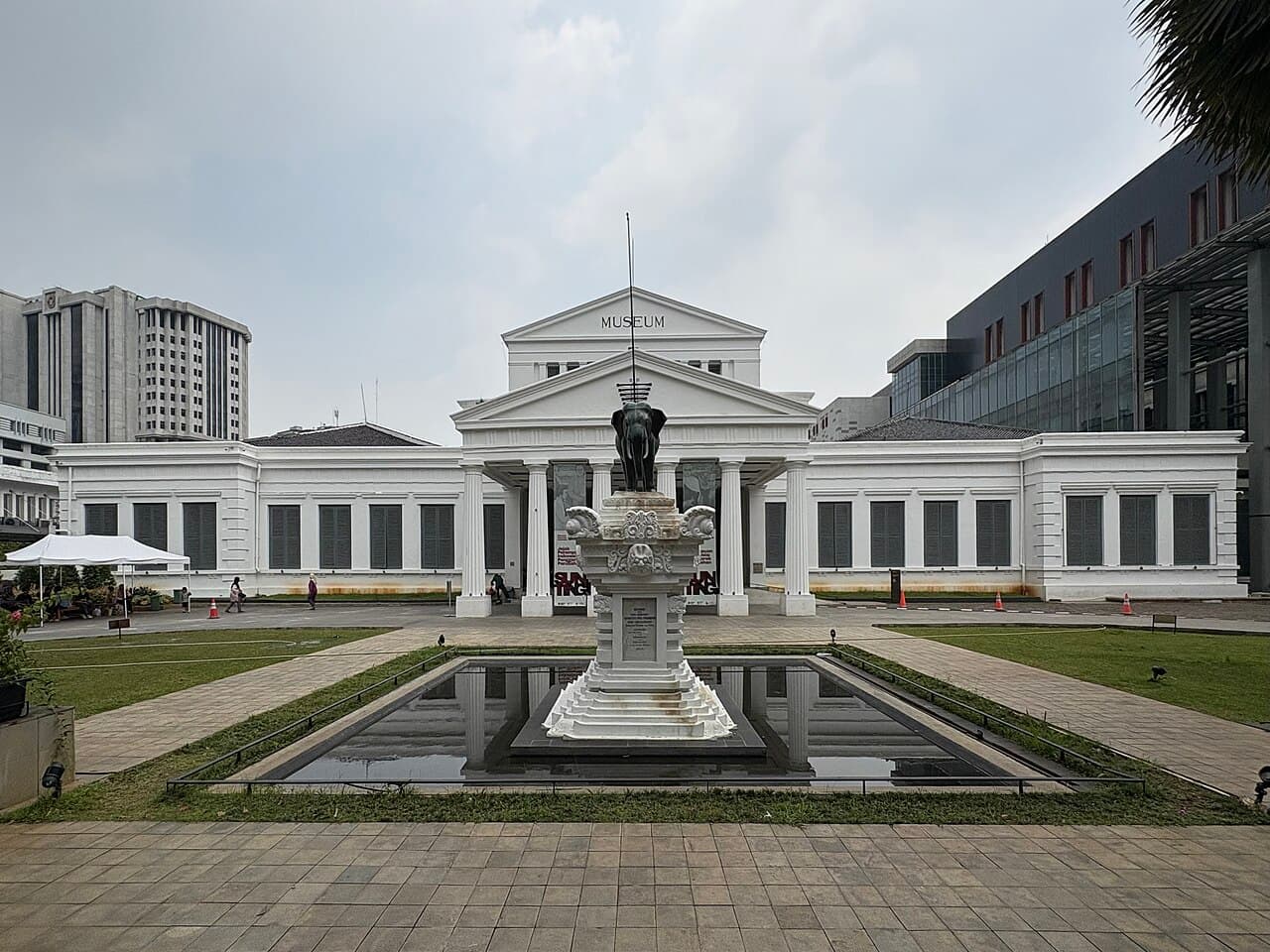
Start at Kota Tua (Old Batavia) — explore Fatahillah Square, the Dutch colonial buildings, and the recently reopened National Museum of Indonesia. Duck into the Wayang Museum for a glimpse of traditional puppetry.
Walk to Glodok Chinatown for lunch at one of the neighbourhood's legendary Chinese-Indonesian eateries. Explore the labyrinthine lanes, temples, and traditional medicine shops of Southeast Asia's oldest Chinatown.
Head to Sunda Kelapa Harbour to watch the sunset over the old wooden schooners, then return to Kota Tua for dinner at a colonial-era café on the square.
Visit the National Monument (Monas) at Merdeka Square — take the lift to the observation deck for panoramic city views. Nearby, the Merdeka Presidential Palace and Jakarta Cathedral are worth a look.
Tour Istiqlal Mosque, the largest mosque in Southeast Asia, which is open to non-Muslim visitors with a guide. Grab lunch at a warung near Menteng and stroll through Taman Suropati park.
Head to the SCBD / Sudirman district for dinner at one of its many rooftop restaurants, followed by drinks at a bar in the Senopati strip.
Explore Kemang's café culture and browse the independent boutiques and galleries along Jalan Kemang Raya. Pick up local art or crafts at one of the neighbourhood's weekend markets.
Take the MRT to Blok M or Grand Indonesia for a taste of Jakarta's world-class mall culture and local fashion. Fuel up with a bowl of soto betawi or gado-gado at a neighbourhood warung.
End the trip with a classic Jakarta street-food crawl — seek out nasi goreng, satay skewers, and martabak at a night market, then cap the evening with live music at a venue in the Kemang or Senopati area.
Real coworking spaces, laptop-friendly cafés, and libraries mapped near the center of the city — the closest, best-rated desks first.
No coworking-ready spots surfaced for this city yet.
Pick a different category or check back once we’ve indexed more desks for this city.
Ask for cafés, quiet neighborhoods, date-night spots, or a first 48-hour plan.
Mention calls, Wi-Fi needs, or how much of the day has to stay laptop-friendly.
Get faster answers on where to stay, when to move neighborhoods, and what to skip.
Written by signed-in Wanderlust members. We don't check that a reviewer has visited.
No reviews of Jakarta yet.
Tell the planner your dates, who's coming, your budget and pace, and it drafts a day-by-day itinerary you can edit.
Wanderlust Pro
Insider tips for Jakarta, unlimited AI-built itineraries, and travel companions you can invite to plan a trip together. From $5.00/month, billed annually.
Insider tips · Wanderlust Pro
Practical tips on the sights and neighbourhoods in this Jakartaguide — when to go, what most visitors miss. Written with AI about the guide's own places; double-check details before you go. Pro members see every tip.