City guide · Updated June 2026
AsiaIndia26.1° · 91.7°
Guwahati,India.
The Gateway to Northeast India — ancient temples, Brahmaputra riverscapes, and a springboard to the Seven Sisters.
Guwahati · IN
GuwahatiIndia
★
Lokpriya Gopinath Bordoloi International Airport (GAU)NEAREST AIRPORT
Population
834,191.9
Total residents
Global rank
#829
Wanderlust index
Best time
October to March, when cool, dry…
Peak window
Time zone
Asia/Kolkata
Local time
Currency
Indian Rupee (INR)
Money in use
Language
Assamese, Bengali, Hindi, English
Spoken locally
01 · Overview
About Guwahati
The Gateway to Northeast India — ancient temples, Brahmaputra riverscapes, and a springboard to the Seven Sisters.
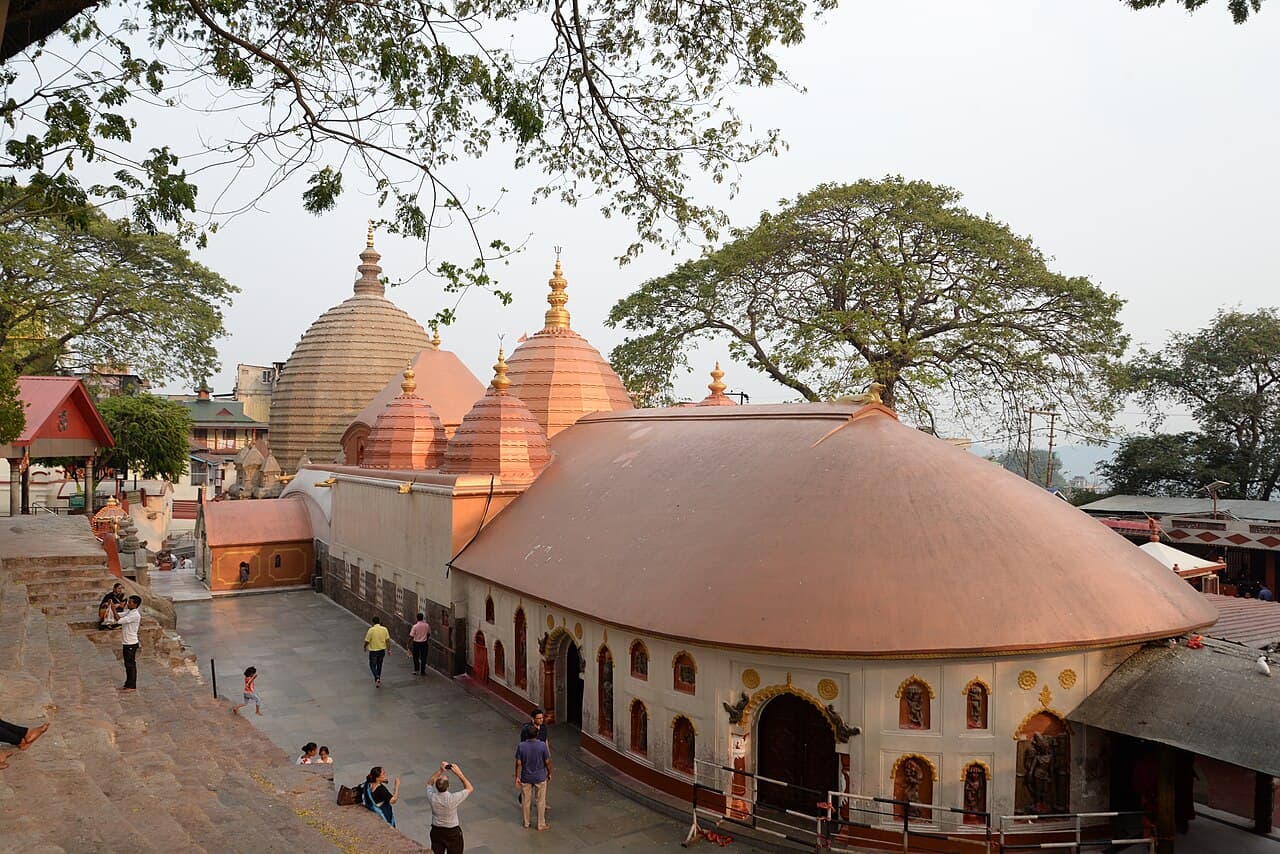
Guwahati, Assam's largest city, sits on the southern bank of the mighty Brahmaputra River and serves as the primary gateway to Northeast India's seven sister states. Once known as Pragjyotishpur — the City of Eastern Lights — it blends ancient tantric temples and Assamese silk culture with a fast-rising modern skyline. Visitors come for the revered Kamakhya Temple, Brahmaputra sunset cruises, and wildlife day trips to Pobitora and Kaziranga, before fanning out across the broader Northeast.
02 · Wanderlust scorecard
How Guwahati scores
Ratings run 0 to 5 unless marked. They come from our AI-assisted research and are refreshed on a rolling basis.
4.5
/ 5
Cost of living
Affordability, 0–5. Higher means cheaper.
3
/ 5
Leisure
Leisure rating, 0–5.
15
Mbps
Connectivity
Median internet speed.
3.5
/ 5
Safety
Safety rating, 0–5. Higher is safer.
3.2
/ 5
Overall livability
Overall rating, 0–5.
2.5
/ 5
Air quality
Air-quality rating, 0–5. Higher is cleaner.
6.4
index
Index score
Wanderlust ranking, 0–10: overall, safety, internet, cost, leisure and air quality, weighted.
03 · Weather & when to go
Best time to visit Guwahati
Current weather and the forecast, and the months our research rates best for a visit.
Month by month
Best months Either side Other months
Jan
Feb
Mar
Apr
May
Jun
Jul
Aug
Sep
Oct
Nov
Dec
Sweet spot: October to March, when cool, dry weather (10–25 °C) is ideal for temple visits, wildlife safaris, and the Magh Bihu harvest festival..
More cities for these months: Where to go in January · Where to go in February · Where to go in March · Where to go in October · Where to go in November · Where to go in December
04 · Things to do
Things to do in Guwahati
Top sights from our AI-assisted research, and other places we have photos of.
Top sight
Top sight
Umananda Temple & Peacock Island
Top sight
Top sight
Navagraha Temple
Top sight
Top sight
Srimanta Sankaradeva Kalakshetra
Top sight
Top sight
Assam State Museum
Top sight
Top sight
Brahmaputra River Cruise
Top sight
Top sight
Fancy Bazaar
05 · Monthly cost of living
Cost of living in Guwahati
Estimated monthly totals in USD from our AI-assisted research, one per profile. Treat them as a starting point for a budget, not a quote.
$650
estimated monthly spend · USDProfileExpat
Price references — vs. profile benchmarks
Nomadmonthly spend · USD
$900
+38%
Expatmonthly spend · USD
$650
baseline
Familymonthly spend · USD
$2,586.3
+298%
Localmonthly spend · USD
$625.9
-4%
Median fiber speeddownload · Mbps
15
Mbps
06 · Neighborhoods
Where to stay in Guwahati
Neighborhoods our AI-assisted research lists as popular with visitors.
Paltan Bazaar
GS Road
Pan Bazaar
Dispur
07 · Insider tips
Sights and neighbourhoods, with a tip each.
Practical tips on places from this Guwahati guide, written with AI. One is free; Pro members see the rest. Double-check details before you go.
Insider tips · Wanderlust Pro
Practical tips on the sights and neighbourhoods in this Guwahatiguide — when to go, what most visitors miss. Written with AI about the guide's own places; double-check details before you go. Pro members see every tip.
08 · Practical notes
Practical information for Guwahati
The essentials from this guide's data, in one place.
01
Getting there
- Nearest airport — Lokpriya Gopinath Bordoloi International Airport (GAU)
02
Money
- Currency — Indian Rupee (INR)
- Affordability — 4.5/5 on the Wanderlust index (higher is cheaper)
03
Internet
- Median speed — 15 Mbps
- Internet score — 2.2/5
04
Safety
- Safety score — 3.5/5 from our AI-assisted research
05
Language
- Primary language — Assamese, Bengali, Hindi, English
06
Timing
- Best window — October to March, when cool, dry weather (10–25 °C) is ideal for temple visits, wildlife safaris, and the Magh Bihu harvest festival.
- Time zone — Asia/Kolkata
Questions
Frequently asked, plainly answered.
The quick answers travelers want before they commit to flights, neighborhoods, and how long to stay.
Is Guwahati safe for travelers?+
Guwahati has a safety rating of 3.5 out of 5.
What is the best time to visit Guwahati?+
The best time to visit Guwahati is October to March, when cool, dry weather (10–25 °C) is ideal for temple visits, wildlife safaris, and the Magh Bihu harvest festival..
How expensive is Guwahati?+
Guwahati has an affordability score of 4.5 out of 5, where 5 is most affordable.
What is the internet speed in Guwahati?+
Guwahati has an average internet speed of 15 Mbps.
What currency does Guwahati use?+
The currency used in Guwahati is Indian Rupee (INR).
What language is spoken in Guwahati?+
The primary language spoken in Guwahati is Assamese, Bengali, Hindi, English.
Researched city guide
Getting there, getting around and when to go
Written with AI-assisted web research. Where we have sources, they are listed under each part.
What works
- Unbeatable gateway: daily flights and direct trains link Guwahati to all major Indian cities and every Northeast state
- Remarkably affordable — budget stays, street food, and local transport cost a fraction of Indian metro prices
- Rich spiritual heritage with Kamakhya Temple, Umananda Island, Navagraha Temple, and dozens of smaller shrines
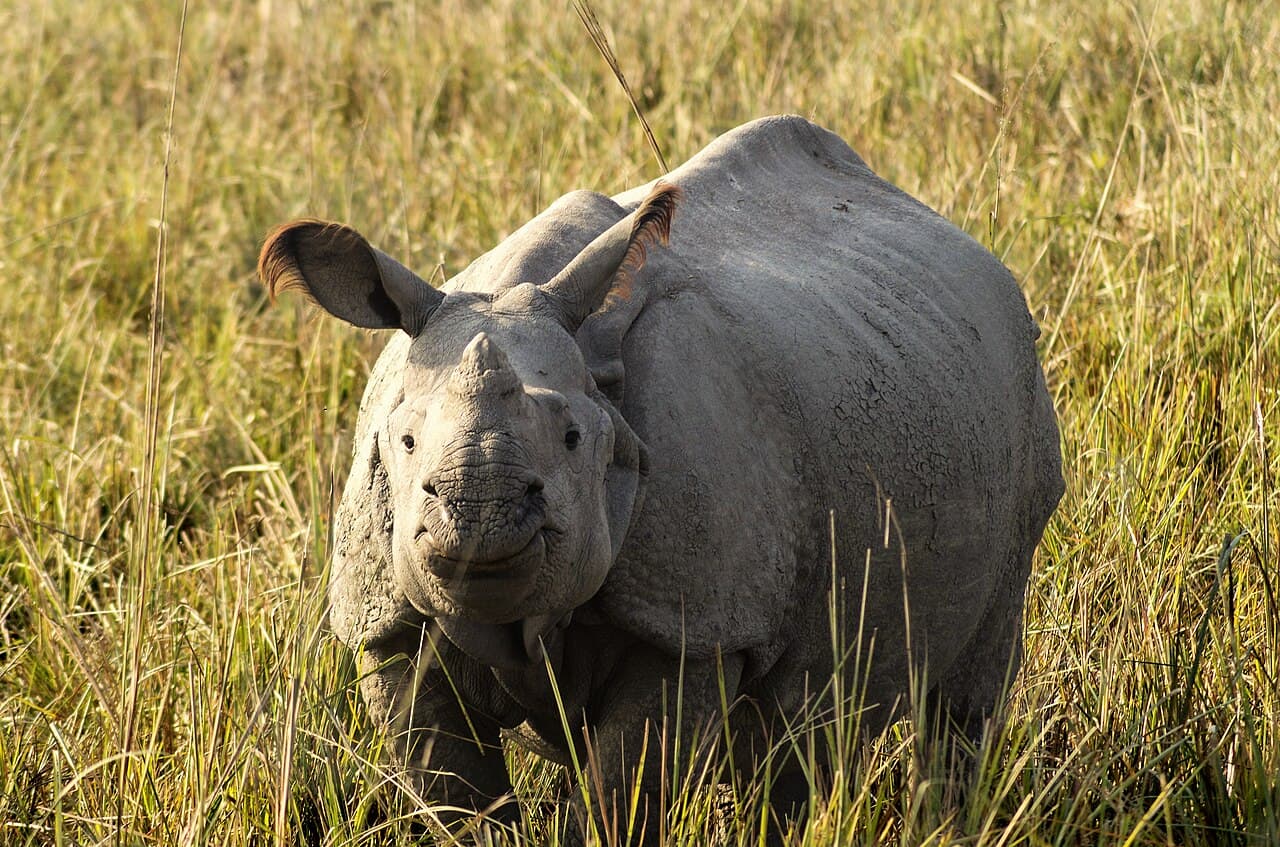
- Wildlife within easy reach: one-horned rhinos at Pobitora (45 km) and Kaziranga (190 km)
- Vibrant Assamese culture — Bihu festivals, silk weaving, and unique cuisine distinguish it from mainstream India
- Fast-growing city with good hotels across all budgets and improving infrastructure
What to weigh
- Heavy traffic congestion, especially on GS Road; no metro rail yet
- Monsoon season (June–September) brings severe flooding and disrupts travel plans
- Air quality deteriorates significantly in winter months (December–January)
- Public bus network is limited and infrequent — most visitors depend on autos or hired cabs
- As a transit hub, the city itself has fewer headline attractions compared to other Indian tourism hotspots
- Tourist-facing auto-rickshaw overcharging is common — always negotiate or use app-based rides
Getting in
How to arrive
The main entry point is Lokpriya Gopinath Bordoloi International Airport (GAU), located about 20 km west of the city centre. Direct domestic flights connect Guwahati to Delhi, Mumbai, Kolkata, Bangalore, Chennai, Hyderabad, and Jaipur; international travellers typically connect via Delhi. An ASTC government airport bus runs every 30 minutes to the main Paltan Bazaar bus stand for around ₹130 (~$1.50), taking roughly one hour. Prepaid taxis from the airport cost more but are faster. By rail, Guwahati and Kamakhya Junction are the two main railway stations, served by North-East Frontier Railway trains from Kolkata (~17–20 hrs), Delhi (via the Rajdhani Express, ~32 hrs), and Varanasi (~30 hrs). Long-distance buses also connect Guwahati to Kolkata, Shillong, and other Northeast state capitals.
Getting around
Moving through the city
Public transport in Guwahati consists primarily of ASTC buses, shared auto-rickshaws, and app-based cabs (Ola, Uber, and Rapido all operate here). Auto-rickshaws are the most common choice for short hops — metered fares apply and they are cheaper than full taxis but can be pricier for obvious tourists. For day trips to Kamakhya, Pobitora Wildlife Sanctuary, or Shillong, hiring a private cab for the day is the most practical option; half-day (4 hrs/40 km) and full-day (8 hrs/80 km) packages are widely available. Note that Guwahati has no metro rail and traffic congestion on GS Road and NH-27 can be significant during peak hours.
When to go
Timing your trip
Guwahati has a humid subtropical climate and is best visited October through March, when temperatures settle between 10 °C and 25 °C — cool enough for comfortable sightseeing, dry enough for wildlife safaris, and perfectly timed for two of Assam's most celebrated festivals. Kongali Bihu arrives in October, and the feasting and bonfire spectacle of Magh Bihu lights up January. December and early January are peak season; book accommodation early and expect higher hotel prices. The shoulder months of April and early May are warm (30–40 °C) but rewarding for festival seekers: the exuberant Bohag Bihu Assamese New Year fills the streets in mid-April, and the tantric Ambubachi Mela at Kamakhya Temple draws pilgrims from across India in June. Avoid the June–September monsoon if possible — heavy rainfall causes waterlogging, forest safaris close, and travel around the Northeast becomes unpredictable.
Plan your trip
3 days in Guwahati: a sample itinerary
A ready-made starting point. Make it your own — clone it into an editable journey and reshape every stop.
Day 01
Day 1 — Temples & the Brahmaputra
Morning
Start at Kamakhya Temple atop Nilachal Hill (7 km from centre) — arrive early to beat the queues. Explore the beehive-shikhara sanctum, temple ponds, and hilltop views over the Brahmaputra.
Afternoon
Head to Navagraha Temple on Chitrachal Hill for panoramic city views and a lesson in ancient Assamese astronomy. Lunch at a local dhaba near Pan Bazaar for an Assamese thali featuring khar, fish tenga, and rice.
Evening
Take a sunset river cruise on the Brahmaputra from Uzan Bazaar Ghat. After docking, stroll Fancy Bazaar for Assamese Muga silk, cane crafts, and street snacks.
Day 02
Day 2 — Island Temple & Cultural Immersion
Morning
Ferry from Uzan Bazaar Ghat to Umananda Island (Peacock Island) to visit the Shiva temple — one of the smallest inhabited river islands in the world. Allow 2 hours for the crossing and temple circuit.
Afternoon
Visit Srimanta Sankaradeva Kalakshetra cultural complex for Assamese folk art, puppetry, and a museum of Vaishnavite traditions. Then explore the Assam State Museum in Dighalipukhuri Park.
Evening
Dinner on GS Road — try Assamese smoked pork with bamboo shoots at one of the neighbourhood's lively restaurants or rooftop cafes. Browse the upscale boutiques along the strip.
Day 03
Day 3 — Wildlife Day Trip to Pobitora
Morning
Early start (6 AM) for the 45 km drive to Pobitora Wildlife Sanctuary. Book the morning elephant safari slot for a close-up encounter with the world's densest population of Indian one-horned rhinoceroses.
Afternoon
Return to Guwahati and visit Basistha Ashram temple in the south of the city for a quiet, verdant contrast to the urban buzz. Stop at Maligaon Market for steamed momos.
Evening
Wrap up with a final visit to Saraighat Bridge viewpoint at sunset — the historic rail-road bridge over the Brahmaputra makes for a memorable farewell view. Dinner at a local restaurant specialising in Naga cuisine.
Work-ready layer
Coworking spots and laptop-friendly anchors.
Real coworking spaces, laptop-friendly cafés, and libraries mapped near the center of the city — the closest, best-rated desks first.
Spots surfaced0
Categories—
Mapped0
No coworking-ready spots surfaced for this city yet.
Map pending
No mapped workspace points yet.
Pick a different category or check back once we’ve indexed more desks for this city.
Concierge
Ask the Guwahati concierge.
Share your travel style, must-see spots, or work schedule and the concierge will help turn this guide into something personal.
Personal trip brief
Tell it what kind of trip you're trying to have, and it will tighten the plan.
01
Travel style
Ask for cafés, quiet neighborhoods, date-night spots, or a first 48-hour plan.
02
Work constraints
Mention calls, Wi-Fi needs, or how much of the day has to stay laptop-friendly.
03
Real tradeoffs
Get faster answers on where to stay, when to move neighborhoods, and what to skip.
Traveler reviews
Reviews of Guwahati
Written by signed-in Wanderlust members. We don't check that a reviewer has visited.
No reviews of Guwahati yet.
Plan a trip to Guwahati.
Tell the planner your dates, who's coming, your budget and pace, and it drafts a day-by-day itinerary you can edit.
Wanderlust Pro
Insider tips for Guwahati, unlimited AI-built itineraries, and travel companions you can invite to plan a trip together. From $5.00/month, billed annually.