Top sight
Top sight
The Netherlands' liveliest student city — cycling culture, golden museums, and a buzzing café scene in the north.
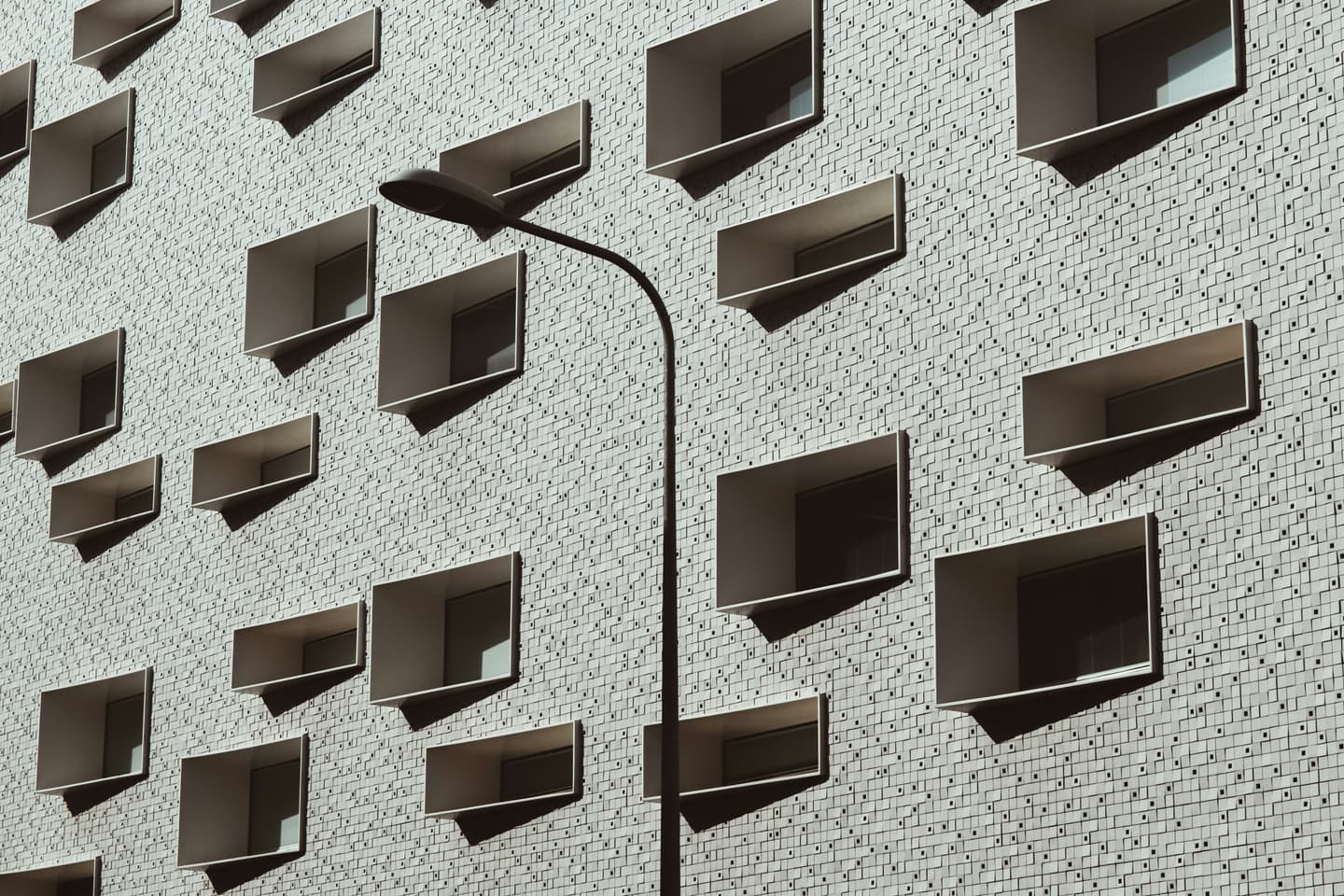
Groningen is the capital of the eponymous province in the far north of the Netherlands, and one of the country's youngest cities by average age thanks to its large student population. The compact medieval centre rewards exploration on foot or bicycle, with a striking skyline anchored by the Martinitoren church tower. Beyond its historic core, Groningen punches well above its weight for culture, nightlife, food, and festivals.
More cities for these months: Where to go in May · Where to go in June · Where to go in July · Where to go in August
Insider tips · Wanderlust Pro
Practical tips on the sights and neighbourhoods in this Groningenguide — when to go, what most visitors miss. Written with AI about the guide's own places; double-check details before you go. Pro members see every tip.
The quick answers travelers want before they commit to flights, neighborhoods, and how long to stay.
The nearest airport is Groningen Airport Eelde (GRQ), roughly 10 km south of the city centre, with limited European connections. Most international travellers fly into Amsterdam Schiphol (AMS) and continue by train: direct NS intercity services run from Amsterdam Centraal to Groningen Centraal in approximately 2 hours, with trains departing several times per hour. From Schiphol Airport station the journey takes around 2 hours 15 minutes. Single tickets typically cost €25–€35 depending on time of booking. Alternatively, FlixBus operates budget coaches connecting Groningen with Amsterdam and other major Dutch and German cities, often for €10–€20. By car, the A7 motorway links Groningen directly to Amsterdam (roughly 2.5 hours).
Groningen is famously one of the most cycle-friendly cities in the world — with over 50% of all trips made by bike. Renting a bicycle (€10–€15/day from local shops or OV-fiets at the station with an OV-chipkaart) is the best way to explore. The compact city centre is largely car-free, making cycling and walking the default modes. Local buses (Qbuzz) cover the wider city and suburbs; a single journey costs around €1.20–€2.50 with an OV-chipkaart. Taxis and ride-hailing apps (Uber is available) are options for late-night travel. Parking a car in the centre is intentionally expensive and limited — the city actively discourages car use.
Groningen's best window for visiting runs from May through August, when temperatures reach 18–23 °C, café terraces spill onto every square, and the Noorderplantsoen park buzzes with picnickers. June and July are peak festival season — events like Noorderzon performing-arts festival (late August) draw visitors from across the Netherlands. Spring (April–May) is lovely for cycling amid blooming parks with fewer crowds than summer. Autumn (September–October) retains warmth and sees the city come alive again with the start of the academic year and a packed cultural calendar. Winter is cold and grey (averaging 3–5 °C, November–February) with short daylight hours, but the city's cosy 'bruine kroegen' (brown cafés) and indoor museums keep things lively; the Christmas market on the Vismarkt is a seasonal highlight.
Arrive and drop bags, then climb the Martinitoren (97 m) for panoramic views over the medieval roofline. Explore the interior of the adjacent Martinikerk.
Stroll the Grote Markt and Vismarkt, grab a stroopwafel from a market stall, then head to the Prinsentuin — a beautifully restored Renaissance garden tucked behind the Prinsenhof hotel.
Settle into a bruine kroeg (brown café) on the Poelestraat 'pub street' for local Grolsch on tap and bitterballen. Cap the night at one of the live-music venues near the Grote Markt.
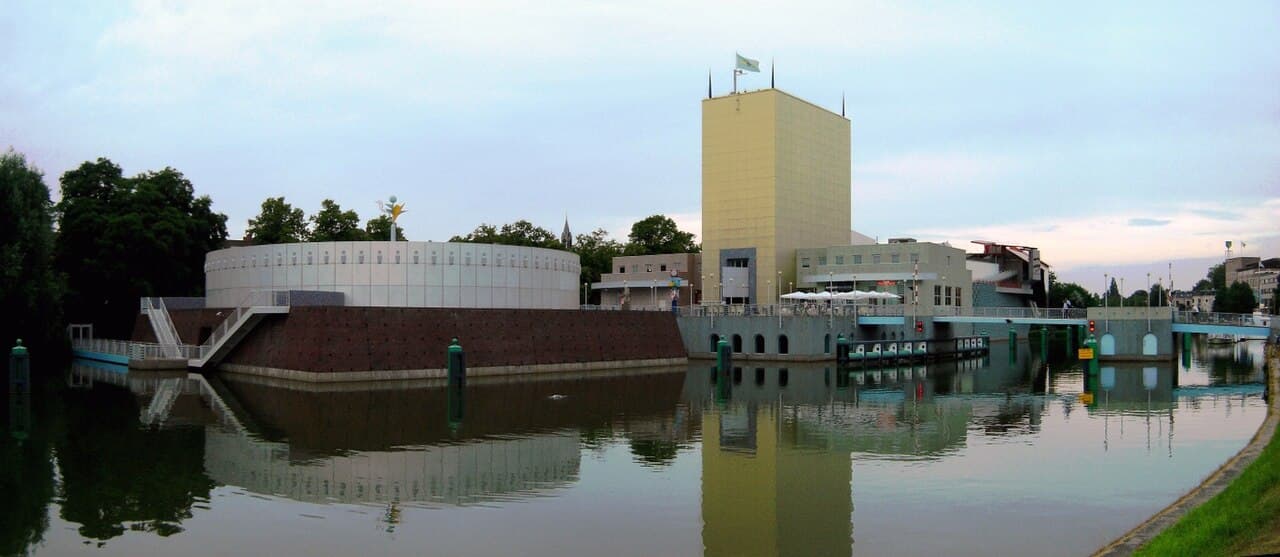
Spend a leisurely morning at the Groninger Museum — the striking postmodern building alone is worth seeing, and the collection spans art, history, and design.
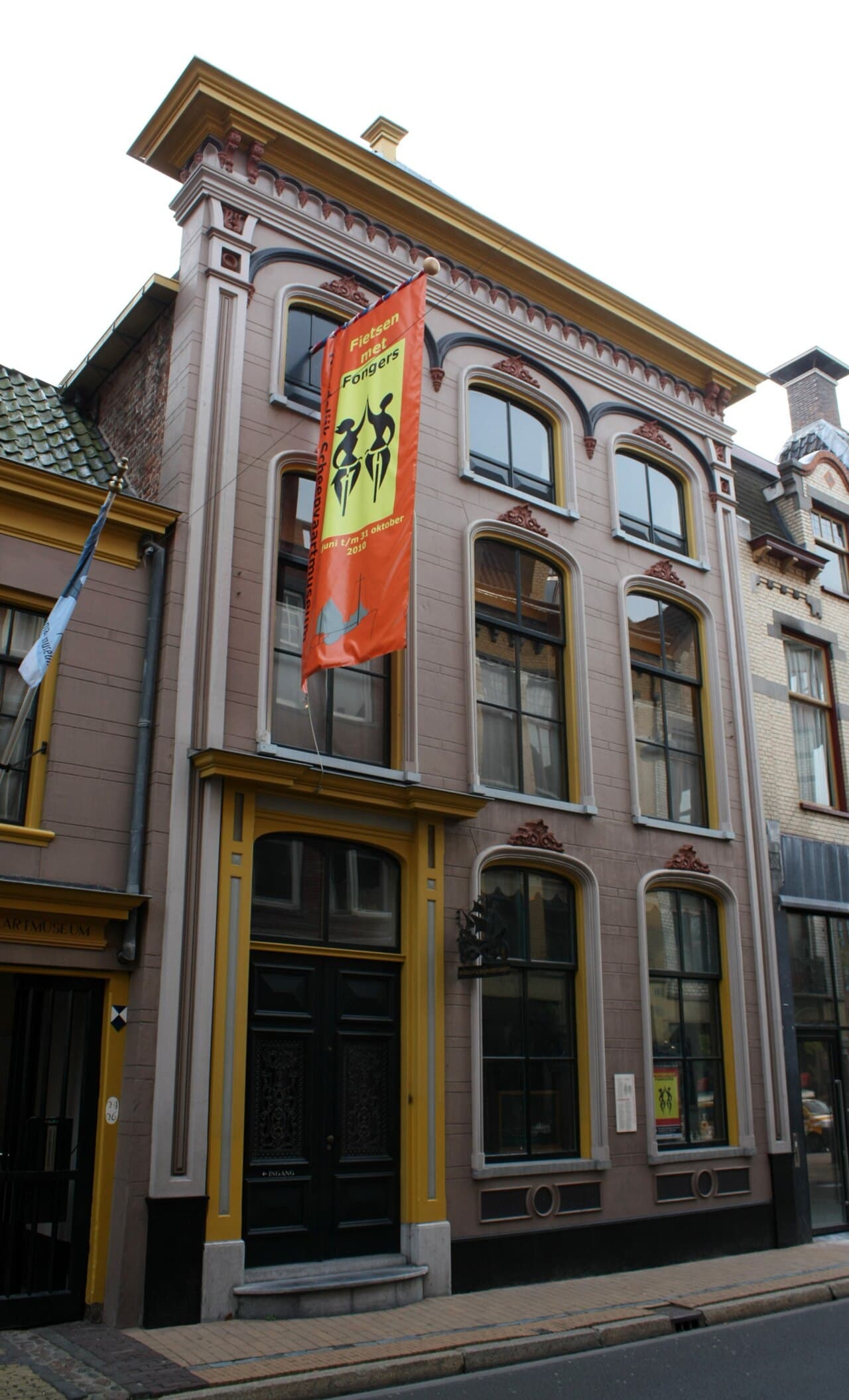
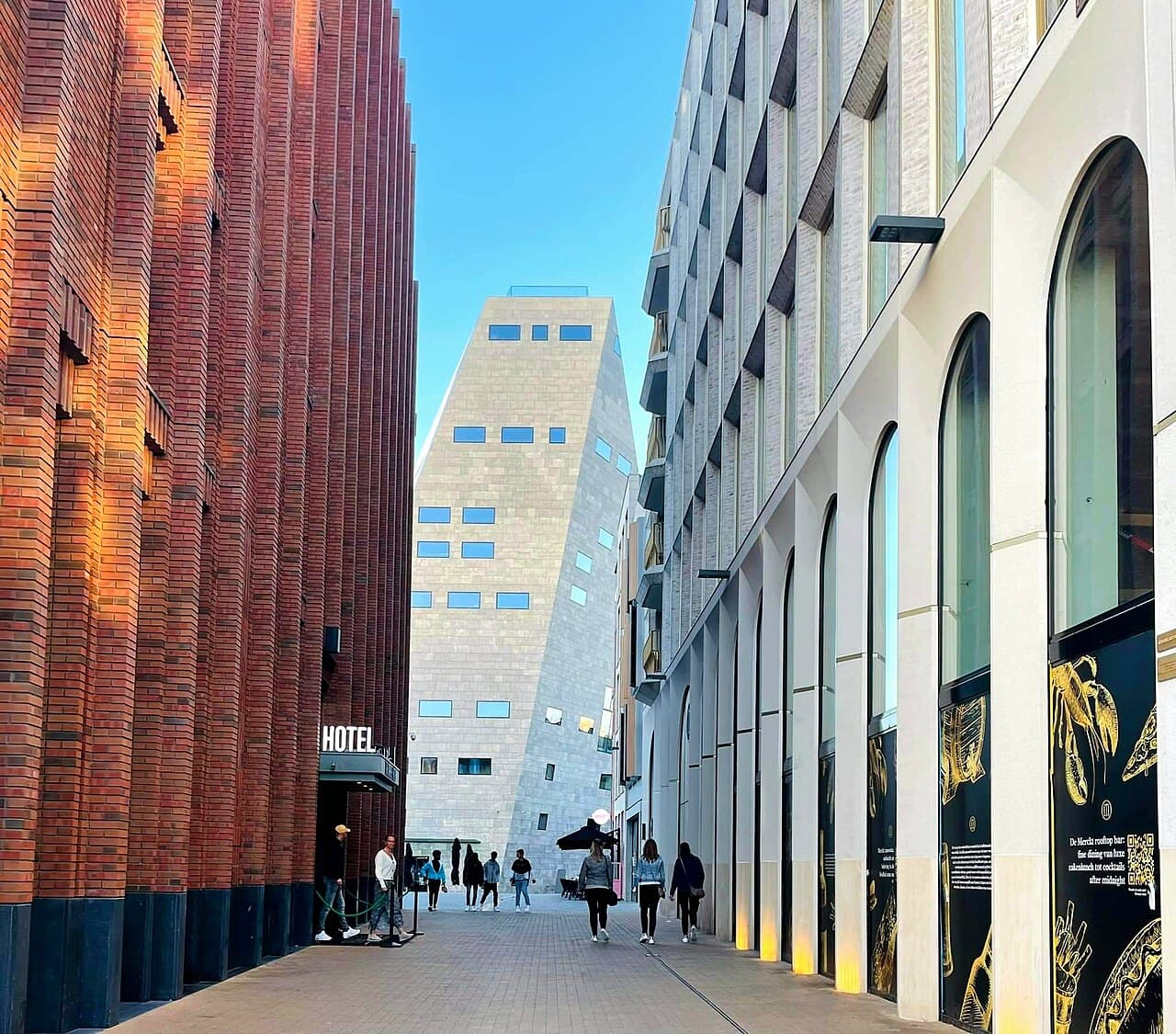
Rent a bike and cycle the ring of canals (Diepenring). Cross over to the Noordelijk Scheepvaartmuseum for a deep dive into northern Dutch maritime history. Wind up at the Forum Groningen rooftop terrace for views and a coffee.
Dinner in the Folkingestraat (one of the Netherlands' most charming shopping and dining streets), followed by cocktails at a bar in the Vismarkt area.
Start with a slow breakfast and bike ride through Noorderplantsoen park — a verdant 19th-century landscape park beloved by students and families alike.
Take a short train or cycle north to the village of Appingedam or the historic town of Appingedam with its famous hanging kitchens, or head to the Lauwersmeer National Park for birdwatching and wide-open skies.
Return to Groningen for a farewell dinner showcasing Gronings cuisine — try zuurkoolstamppot or a Dutch pancake at a traditional restaurant near the centre.
Real coworking spaces, laptop-friendly cafés, and libraries mapped near the center of the city — the closest, best-rated desks first.
No coworking-ready spots surfaced for this city yet.
Pick a different category or check back once we’ve indexed more desks for this city.
Ask for cafés, quiet neighborhoods, date-night spots, or a first 48-hour plan.
Mention calls, Wi-Fi needs, or how much of the day has to stay laptop-friendly.
Get faster answers on where to stay, when to move neighborhoods, and what to skip.
Written by signed-in Wanderlust members. We don't check that a reviewer has visited.
No reviews of Groningen yet.
Tell the planner your dates, who's coming, your budget and pace, and it drafts a day-by-day itinerary you can edit.
Wanderlust Pro
Insider tips for Groningen, unlimited AI-built itineraries, and travel companions you can invite to plan a trip together. From $5.00/month, billed annually.
Insider tips · Wanderlust Pro
Practical tips on the sights and neighbourhoods in this Groningenguide — when to go, what most visitors miss. Written with AI about the guide's own places; double-check details before you go. Pro members see every tip.