 City postcard
Galapagos Islands
Darwin's living laboratory — where fearless wildlife roams free in the world's most extraordinary archipelago.
Darwin's living laboratory — where fearless wildlife roams free in the world's most extraordinary archipelago.
The Galápagos Islands are a volcanic archipelago straddling the equator some 600 miles off the coast of Ecuador, comprising 18 main islands and hundreds of islets. Designated Ecuador's first national park in 1959 and a UNESCO World Heritage Site in 1978, they shelter an astonishing array of endemic species — giant tortoises, marine iguanas, blue-footed boobies, and Galápagos penguins — that evolved in near-total isolation. Ninety-five percent of the land area is protected national park, meaning visitors explore only designated sites accompanied by certified naturalist guides. Whether aboard a live-aboard cruise or island-hopping between Santa Cruz, Isabela, and San Cristóbal, a trip here is a once-in-a-lifetime encounter with nature at its most unguarded.
City postcardDarwin's living laboratory — where fearless wildlife roams free in the world's most extraordinary archipelago.
 Top sight
A signature stop locals and returning travelers point to in Galapagos Islands.
A signature stop locals and returning travelers point to in Galapagos Islands.
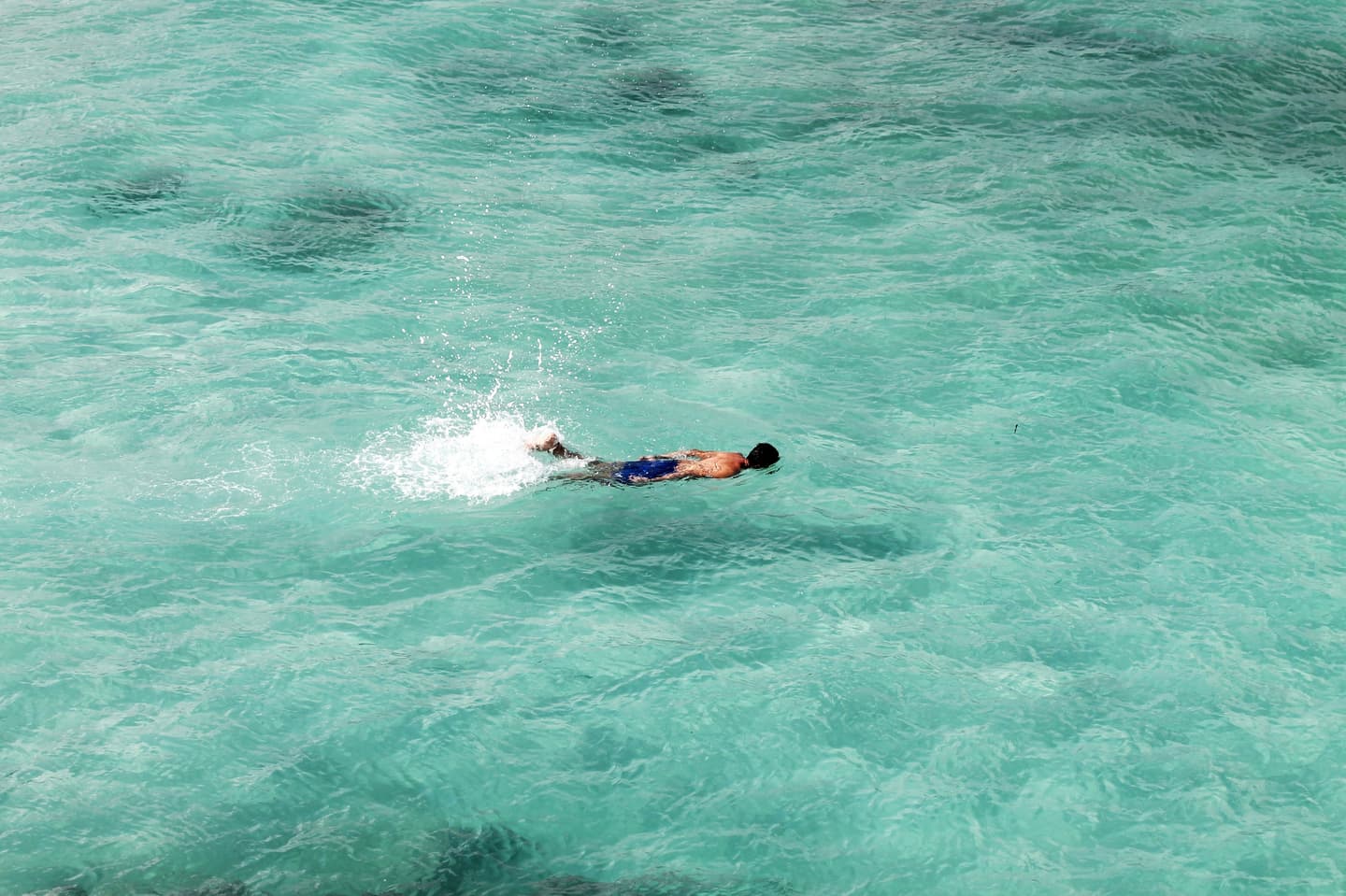
Photo: David Adam Kess · CC BY-SA 3.0
A signature stop locals and returning travelers point to in Galapagos Islands.
A signature stop locals and returning travelers point to in Galapagos Islands.
A signature stop locals and returning travelers point to in Galapagos Islands.
A signature stop locals and returning travelers point to in Galapagos Islands.
A signature stop locals and returning travelers point to in Galapagos Islands.
A signature stop locals and returning travelers point to in Galapagos Islands.
A signature stop locals and returning travelers point to in Galapagos Islands.
A pocket of Galapagos Islands with its own temperament — worth a deliberate detour when you're in the area.
A pocket of Galapagos Islands with its own temperament — worth a deliberate detour when you're in the area.
A pocket of Galapagos Islands with its own temperament — worth a deliberate detour when you're in the area.
A pocket of Galapagos Islands with its own temperament — worth a deliberate detour when you're in the area.
The quick answers travelers want before they commit to flights, neighborhoods, and how long to stay.
There are no direct international flights to the Galápagos — all travelers must first fly into mainland Ecuador. International flights land at either Quito's Mariscal Sucre International Airport (UIO) or Guayaquil's José Joaquín de Olmedo International Airport (GYE). From Quito, domestic flights to the Galápagos take approximately 2.5 hours (including a brief technical stop in Guayaquil); from Guayaquil, the direct flight is around 1.5–2 hours. The only two airlines operating these domestic routes are LATAM and Avianca, with multiple morning departures daily. Flights typically depart early (6:45–9:00 AM), so plan to overnight in Quito or Guayaquil before your Galápagos leg. Round-trip fares from the mainland run roughly $400–$600 USD. Upon arrival, all visitors must pay the Galápagos National Park entrance fee ($200 USD for adults 12+, $100 for children under 12, cash only) and present a Transit Control Card (TCT, $20 USD, now obtainable online before travel). Before checking in on the mainland, bags are inspected by Galápagos biosecurity staff for restricted items. The two Galápagos airports are Seymour Airport on Baltra Island (GPS) — the main gateway serving Santa Cruz — and San Cristóbal Airport (SCY). Choose your arrival airport based on your cruise or hotel itinerary.
Once in the islands, there are two main modes of inter-island travel. Speedboat ferries (locally called 'la lancha') connect the three inhabited hub islands — Santa Cruz (Puerto Ayora), Isabela (Puerto Villamil), and San Cristóbal (Puerto Baquerizo Moreno). Ferries depart twice daily: at approximately 7:00 AM and 3:00 PM. Journey times are roughly 2 hours (Santa Cruz–San Cristóbal) and 2.5 hours (Santa Cruz–Isabela). Tickets cost approximately $30–$40 USD one-way per person, paid in cash; book in advance during peak season. Note there is no direct ferry between Isabela and San Cristóbal — all routes connect via Santa Cruz. A $1 water taxi is also needed to board the ferry from the pier. For faster inter-island travel, small 'puddle hopper' planes (Emetebe, ESAV Airlines) fly between the main islands in about 30–45 minutes. Within each town, white pickup-truck taxis operate on fixed-rate routes (around $2 USD for short hops in town). Bicycles can be rented by the hour or day in Puerto Ayora. All visits to uninhabited islands and national park visitor sites require a certified naturalist guide and are typically arranged through guided day trips or cruise itineraries.
The Galápagos genuinely have no low season — wildlife is present and dramatic year-round. The archipelago's weather splits into two distinct seasons shaped by ocean currents rather than latitude. The warm, wet season (December–May) brings calmer seas, warmer water temperatures (reaching the high 70s°F), lush green vegetation, and bright sunny days punctuated by brief tropical showers. This is the prime window for snorkeling and swimming, with excellent underwater visibility, sea turtle nesting, and the courtship displays of blue-footed boobies and frigatebirds. The cool, dry season (June–November) — locally called 'garúa' season for its trademark highland mist — sees the Humboldt Current push nutrient-rich, cold water to the surface, igniting a marine feeding frenzy. Whale sharks, hammerhead sharks, manta rays, and humpback whales are most reliably spotted June–October, and seabird colonies explode with activity. Land temperatures remain pleasant (68–81°F), making this the best time for hiking. Divers and serious wildlife photographers often prefer the cool season for its sheer animal density. For avoiding peak crowds, aim for early December (before the Christmas rush), early January, or September. The absolute busiest periods are Christmas/New Year, Easter, and Northern Hemisphere summer school holidays, when advance booking — especially for cruises and flights — is essential.
Fly into Baltra (GPS) and transfer by bus and ferry across the Itabaca Channel to Puerto Ayora on Santa Cruz (approx. 1 hour). Check in and grab breakfast on Charles Darwin Avenue.
Visit the Charles Darwin Research Station to see giant tortoises up close, including the preserved Lonesome George exhibit. Stroll the waterfront where marine iguanas and sea lions bask alongside the docks.
Head to El Chato Tortoise Reserve in the highlands (30 min by taxi) to watch wild giant tortoises grazing at dusk. Return to Puerto Ayora for fresh seafood at the local fish market.
Take an early guided day trip to Bartolomé Island. Hike the wooden boardwalk to the summit for the iconic view of Pinnacle Rock against twin beaches and volcanic moonscape.
Snorkel at Pinnacle Rock — one of the archipelago's finest spots — with Galápagos penguins, sea lions, and colorful reef fish. Return to Santa Cruz by mid-afternoon.
Explore Puerto Ayora's waterfront and Charles Darwin Avenue. Enjoy dinner at one of the local restaurants, then catch the 7:00 PM or 3:00 PM departure ferry if continuing to another island the next day.
Take the morning ferry from Santa Cruz to Isabela (approx. 2.5 hours — book in advance). Arrive in Puerto Villamil and drop luggage at your hotel. Visit the Tortoise Breeding Center at the edge of town.
Join a guided kayak or snorkel tour to Los Túneles — a stunning lava tube maze teeming with seahorses, marine turtles, and blue-footed boobies nesting overhead. Marine iguanas sun themselves on every rock.
Watch the sunset from the black-sand beach near Puerto Villamil as flamingos wade in the nearby lagoon. Dinner in town before an early night ahead of your return journey.
Real coworking spaces, laptop-friendly cafés, and libraries mapped near the center of the city — the closest, best-rated desks first.
No coworking-ready spots surfaced for this city yet.
Pick a different category or check back once we’ve indexed more desks for this city.
Ask for cafés, quiet neighborhoods, date-night spots, or a first 48-hour plan.
Mention calls, Wi-Fi needs, or how much of the day has to stay laptop-friendly.
Get faster answers on where to stay, when to move neighborhoods, and what to skip.
There aren’t any, yet!
Block off the weeks you're free. Wanderlust turns this dossier — flights, lodging, neighborhoods, timing — into a single draft itinerary in about ninety seconds.
Wanderlust Pro
Go deeper than the highlights — premium Galapagos Islands intel with hidden gems, top stays, and offline access on the ground. From $5.00/month, billed annually.