 City postcard
Erlangen
Bavaria's baroque university city where Huguenot heritage, world-class research, and a legendary beer festival converge.
Bavaria's baroque university city where Huguenot heritage, world-class research, and a legendary beer festival converge.
Erlangen is a compact Franconian city of around 120,000 people, shaped by French Huguenot refugees in the 1680s and later by the Friedrich-Alexander University and the Siemens corporation. Its grid of broad baroque streets, formal palace gardens, and elegant 17th-century squares make it one of Germany's best-preserved planned baroque cities. Students account for roughly a third of the population, giving the city an energetic, international feel tempered by corporate calm. Each Pentecost, the Bergkirchweih — one of Germany's oldest and largest beer festivals — draws over a million visitors to the Burgberg hillside.
City postcardBavaria's baroque university city where Huguenot heritage, world-class research, and a legendary beer festival converge.
 Top sight
A signature stop locals and returning travelers point to in Erlangen.
A signature stop locals and returning travelers point to in Erlangen.
A signature stop locals and returning travelers point to in Erlangen.
A signature stop locals and returning travelers point to in Erlangen.
A signature stop locals and returning travelers point to in Erlangen.
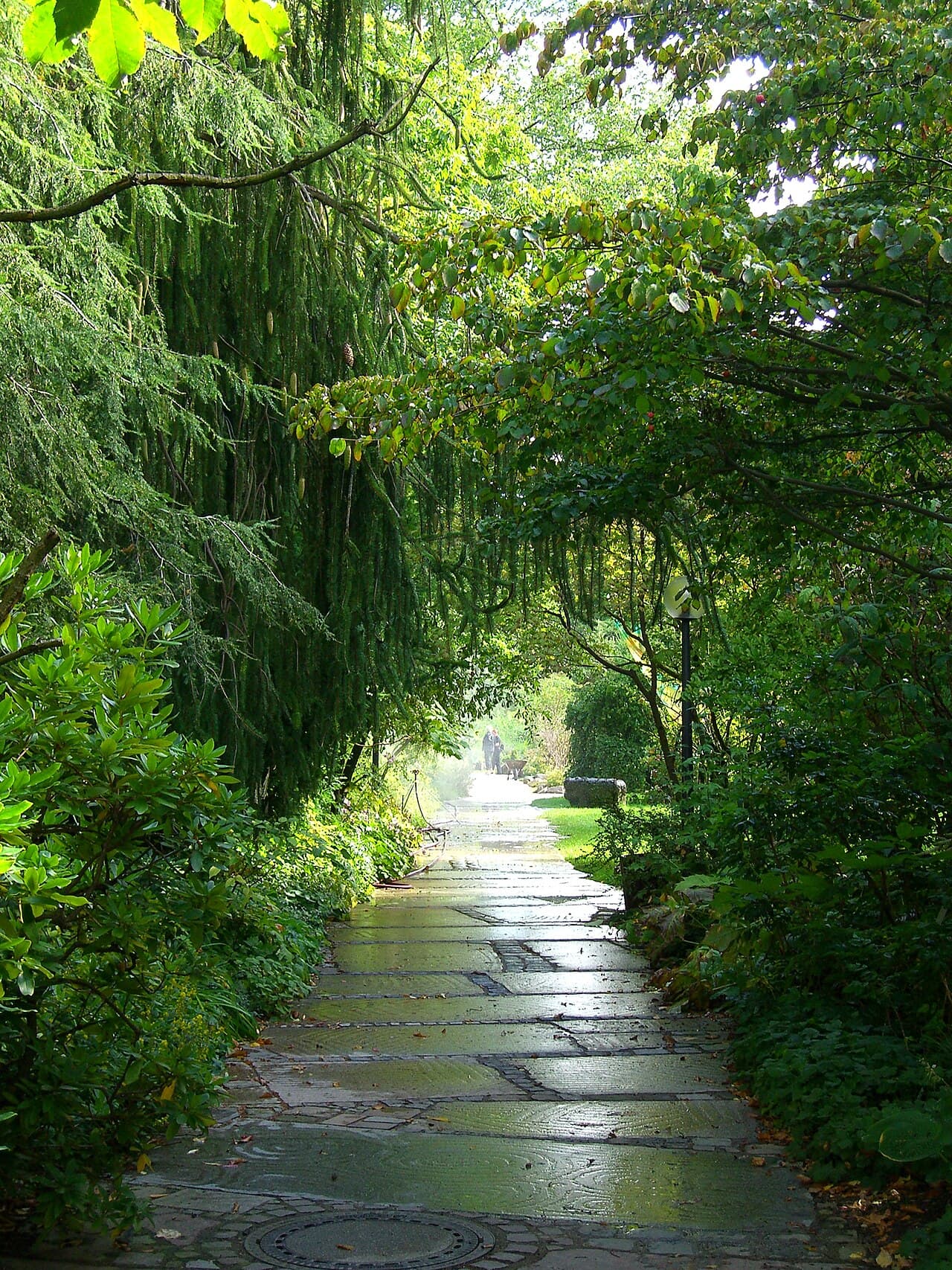
Photo: Daniel Arnold · CC BY 2.5
A signature stop locals and returning travelers point to in Erlangen.
A signature stop locals and returning travelers point to in Erlangen.
A signature stop locals and returning travelers point to in Erlangen.
A signature stop locals and returning travelers point to in Erlangen.
A pocket of Erlangen with its own temperament — worth a deliberate detour when you're in the area.
A pocket of Erlangen with its own temperament — worth a deliberate detour when you're in the area.
A pocket of Erlangen with its own temperament — worth a deliberate detour when you're in the area.
A pocket of Erlangen with its own temperament — worth a deliberate detour when you're in the area.
The quick answers travelers want before they commit to flights, neighborhoods, and how long to stay.
The closest major airport is Nuremberg Airport (NUE), roughly 20 km south of Erlangen. From NUE, the S-Bahn S2 line connects to Nuremberg Hauptbahnhof, from which frequent regional trains and ICE services reach Erlangen station in under 20 minutes. Erlangen is also a stop on the main Munich–Nuremberg–Berlin intercity rail corridor, served by ICE and IC trains. From Munich Airport (MUC), the fastest train to Erlangen takes around 2 hours 12 minutes with one change, with tickets starting from around €24. From Frankfurt Airport, the fastest connection by DB ICE takes approximately 2 hours 36 minutes. Regional buses from Nuremberg's central bus station also serve Erlangen.
Erlangen's compact baroque centre is easily walkable and also excellent for cycling — the city maintains an extensive network of bicycle routes. Since January 1, 2024, all bus routes within the designated city-centre zone are free of charge (no ticket required), a pilot scheme running through December 2026. Beyond the free zone, buses operate under the VGN (Verkehrsverbund Großraum Nürnberg) fare system, with Erlangen sitting in fare zone C. The Nuremberg S-Bahn line S1 connects Erlangen to Nuremberg and Fürth, while multiple regional express (RE) lines fan out towards Bamberg, Würzburg, and further afield. The VGN app handles trip planning and ticket purchase across the network.
Late spring — specifically May and early June — is the undisputed peak for visitors. This is when the Bergkirchweih takes over the Burgberg hillside at Pentecost: one of Germany's oldest folk festivals (first held in 1755), it runs for twelve days and draws around one million visitors to its beer cellars, chestnut-shaded benches, and fairground rides. The atmosphere is decidedly local and Franconian, far less touristy than Munich's Oktoberfest. Autumn (September–October) brings mild temperatures, vibrant fall colours, and a quieter city. Early December is worth considering for Erlangen's charming Christmas market. Summer outside festival season is pleasant for exploring the Schlossgarten and Botanical Garden. Winters are cold, though the city's student population keeps the café and bar scene lively year-round.
Start at the Schlossgarten, Erlangen's finest baroque garden, and admire the Margravial Palace exterior and the Huguenot Fountain (1706). Stroll to the nearby Hugenottenkirche — completed in 1693 as the first Huguenot place of worship outside France — and, if a guided tour is running, climb the tower for panoramic city views.
Head to Marktplatz for lunch at a Franconian restaurant (try Schäufele, the regional pork specialty). Visit the Kunstpalais inside Palais Stutterheim for contemporary art, then explore the Old Town's quiet, cobblestoned alleys.
Spend the evening in the Altstadt bar quarter. If visiting in late May or early June, make your way up to the Bergkirchweih on the Burgberg for beer under the chestnuts.
Visit the Siemens Healthineers MedMuseum (Gebberstraße 1) — entry is free and the multimedia walk through 130+ years of medical technology history is genuinely fascinating.
Spend a couple of hours at the Botanical Garden (founded 1747), which houses around 4,000 plant species across two hectares, including a Tropical House and Medicinal Plant Garden — also free to enter. Afterwards, check out the Erlangen Comic Museum on Schiffstraße for rotating national and international exhibitions.
Catch a performance at the Markgrafentheater, southern Germany's oldest baroque theatre (built 1715–1719). Book ahead — the programme spans drama, opera, and music.
Take the regional train 15 minutes south to Nuremberg. Explore the Imperial Castle (Kaiserburg) and the medieval Altstadt, or visit the Nuremberg Documentation Centre for modern history.
Return to Erlangen or continue by regional train to Bamberg (30 minutes), a UNESCO World Heritage town famous for its smoked beer (Rauchbier) and medieval cathedral.
Back in Erlangen, unwind with craft beer at Steinbach-Bräu, a traditional local brewery with a beer garden and a small brewing museum on-site.
Real coworking spaces, laptop-friendly cafés, and libraries mapped near the center of the city — the closest, best-rated desks first.
No coworking-ready spots surfaced for this city yet.
Pick a different category or check back once we’ve indexed more desks for this city.
Ask for cafés, quiet neighborhoods, date-night spots, or a first 48-hour plan.
Mention calls, Wi-Fi needs, or how much of the day has to stay laptop-friendly.
Get faster answers on where to stay, when to move neighborhoods, and what to skip.
There aren’t any, yet!
Block off the weeks you're free. Wanderlust turns this dossier — flights, lodging, neighborhoods, timing — into a single draft itinerary in about ninety seconds.
Wanderlust Pro
Go deeper than the highlights — premium Erlangen intel with hidden gems, top stays, and offline access on the ground. From $5.00/month, billed annually.