Top sight
Top sight
Berlin's grittier, more authentic sibling: reinvented industrial powerhouse with football soul and surprising culture.
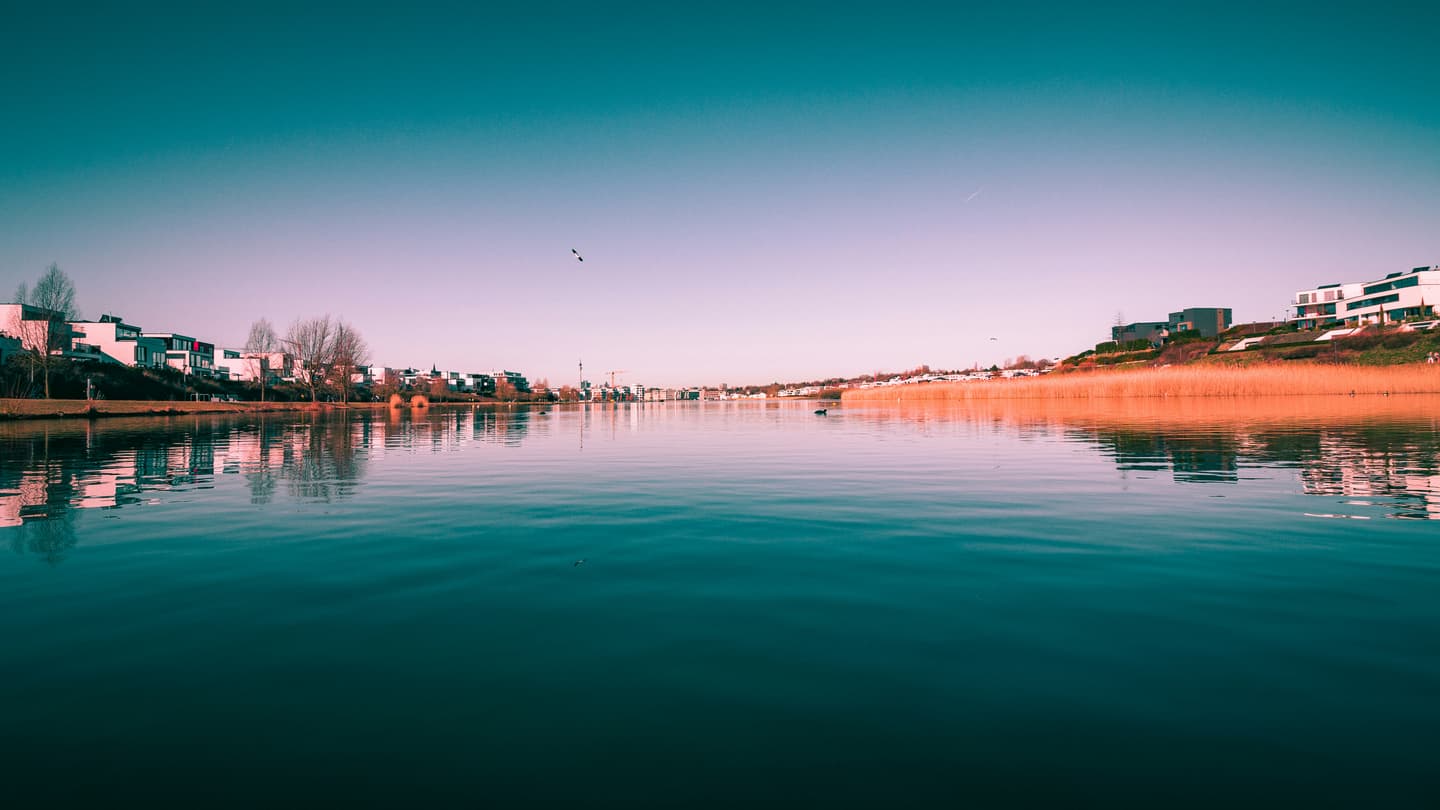
Dortmund has transformed from Germany's coal and steel heartland into a dynamic destination where repurposed industrial sites host contemporary art, world-class museums, and buzzing food scenes. Home to Borussia Dortmund's legendary Signal Iduna Park and the German Football Museum, the city pulses with passionate sports culture year-round. Cutting-edge industries — from IT and robotics to biomedicine — are taking root alongside green corridors, the scenic Phoenix See, and one of Europe's most famous Christmas markets. Affordable by German standards and refreshingly free of tourist crowds, Dortmund rewards travelers who dig deeper.
More cities for these months: Where to go in May · Where to go in June · Where to go in July · Where to go in August · Where to go in September · Where to go in December
Insider tips · Wanderlust Pro
Practical tips on the sights and neighbourhoods in this Dortmundguide — when to go, what most visitors miss. Written with AI about the guide's own places; double-check details before you go. Pro members see every tip.
The quick answers travelers want before they commit to flights, neighborhoods, and how long to stay.
Dortmund is well-served by its own airport and by excellent rail connections. Dortmund Airport (DTM) sits about 13 km east of the city centre and handles non-stop flights to 38+ destinations across 18 countries, with 7 airlines including Wizz Air, Eurowings, Condor, SunExpress, and Pegasus. Note: DTM has no direct train link; a shuttle bus to the nearest S-Bahn station costs around €3, or a private airport bus runs for ~€10. For transatlantic or wider intercontinental travellers, Düsseldorf International (DUS) is the better gateway — several airlines operate direct 1h 30m flights from UK hubs to DUS, followed by a ~45-minute train ride to Dortmund Hauptbahnhof. Dortmund's main station (Hauptbahnhof) is a major ICE and IC hub with fast rail links to Cologne (~55 min), Frankfurt (~2 hrs), and Berlin (~3 hrs). Long-distance buses (FlixBus, etc.) also serve the city.
Dortmund's public transport network, managed by DSW21, integrates U-Bahn/tram lines, buses, and S-Bahn regional trains into the wider VRR (Verkehrsverbund Rhein-Ruhr) network — making day trips across the Ruhr easy. Key tram lines include U41–U49, radiating from Hauptbahnhof to all major districts and attractions including Signal Iduna Park and Phoenix See. A monthly public transport pass costs around €80, while day tickets (TagesTicket) offer unlimited travel and are ideal for visitors. Tickets can be purchased at stop machines, on buses, or via the DSW21 app; Google Maps and the DSW21 app both provide real-time routing. Taxis are metered and available at Hauptbahnhof and major stands; Uber also operates in the city. Dortmund is increasingly cycle-friendly with designated lanes and bike-sharing options.
Dortmund is a genuine four-season destination, each with its own character. Spring (March–May) brings mild temperatures of 5–15°C, lighter crowds, and ideal conditions for exploring the city's extensive parks before the summer rush. Summer (June–August) is peak season: average highs reach around 20°C, beer gardens fill up, Westfalenpark buzzes, and BVB match-day atmosphere is electric — book accommodation well in advance. Autumn (September–November) offers pleasant temperatures between 8–18°C, vibrant foliage in Rombergpark and along Phoenix See, and a more relaxed pace as crowds thin after August. Winter is defined by Dortmund's world-famous Christmas Market (December), which draws huge crowds and features Germany's largest Christmas tree — a genuinely unmissable spectacle. January and February are the quietest and cheapest months, perfect for museum-hopping and Westphalian cuisine without the queues.
Start with a walk through the historic Altstadt. Visit Reinoldikirche and climb its 200 steps for panoramic city views, then cross to Marienkirche to see Conrad von Soest's stunning 15th-century triptych altar. Stop by Petrikirche to marvel at the Golden Miracle of Westphalia — a gilded winged altar with 633 figures.
Head to the Dortmunder U-Tower, the city's golden-crowned landmark. Ride up to the free rooftop viewing platform, then spend time in Museum Ostwall on the floors below, which holds three levels of 20th-century art. Grab Westphalian cuisine or a Currywurst from a street stall nearby.
Settle into the lively old market square (Alter Markt). Try Zum Alten Markt for rustic pork knuckle and beers on tap — it's been serving since 1956 — or Wenkers am Markt for a modern sports-bar vibe with an extensive beer list. Explore the Kreuzviertel's bars for nightlife.
Head to the German Football Museum (DFB-Museum) next to Hauptbahnhof — it draws ~200,000 visitors a year and organises its interactive exhibition into two halves mirroring a football match. On match days, the atmosphere is especially electric as fans flood the city.
Take the U-Bahn to Signal Iduna Park — on non-match days, book a guided stadium tour for access to the locker rooms and press area. See the legendary Yellow Wall (Südtribüne) up close. Then travel to Dortmund-Hörde to stroll the Phoenix See — a scenic lake built on the site of a former steel works.
Enjoy dinner in the Hörde neighbourhood around Phoenix See, which has developed a relaxed café and restaurant scene popular with locals and expats. Return to the centre for drinks in the Kaiserviertel.
Take the 30-minute public transport journey to Hansa Coking Plant — a 26-acre former industrial site preserved as a national monument since its closure in 1992. Self-guided and guided tours reveal the scale of Dortmund's industrial past.
Visit Westfalenpark, a vast urban park featuring themed gardens, playgrounds, and the Florianturm observation tower, which offers sweeping city views. Just south, Rombergpark's botanical gardens are ideal for a peaceful stroll. The Brewery Museum, a 25-minute bus ride from Hauptbahnhof, rounds out the afternoon with free exhibits on Dortmund's storied beer-brewing history including an original 1922 beer truck.
Return to the city centre for a farewell dinner. Try a traditional Dortmunder Export beer at one of the Innenstadt's classic taprooms, and browse the local shops in the Westenhellweg pedestrian zone before heading back.
Real coworking spaces, laptop-friendly cafés, and libraries mapped near the center of the city — the closest, best-rated desks first.
No coworking-ready spots surfaced for this city yet.
Pick a different category or check back once we’ve indexed more desks for this city.
Ask for cafés, quiet neighborhoods, date-night spots, or a first 48-hour plan.
Mention calls, Wi-Fi needs, or how much of the day has to stay laptop-friendly.
Get faster answers on where to stay, when to move neighborhoods, and what to skip.
Written by signed-in Wanderlust members. We don't check that a reviewer has visited.
No reviews of Dortmund yet.
Tell the planner your dates, who's coming, your budget and pace, and it drafts a day-by-day itinerary you can edit.
Wanderlust Pro
Insider tips for Dortmund, unlimited AI-built itineraries, and travel companions you can invite to plan a trip together. From $5.00/month, billed annually.
Insider tips · Wanderlust Pro
Practical tips on the sights and neighbourhoods in this Dortmundguide — when to go, what most visitors miss. Written with AI about the guide's own places; double-check details before you go. Pro members see every tip.