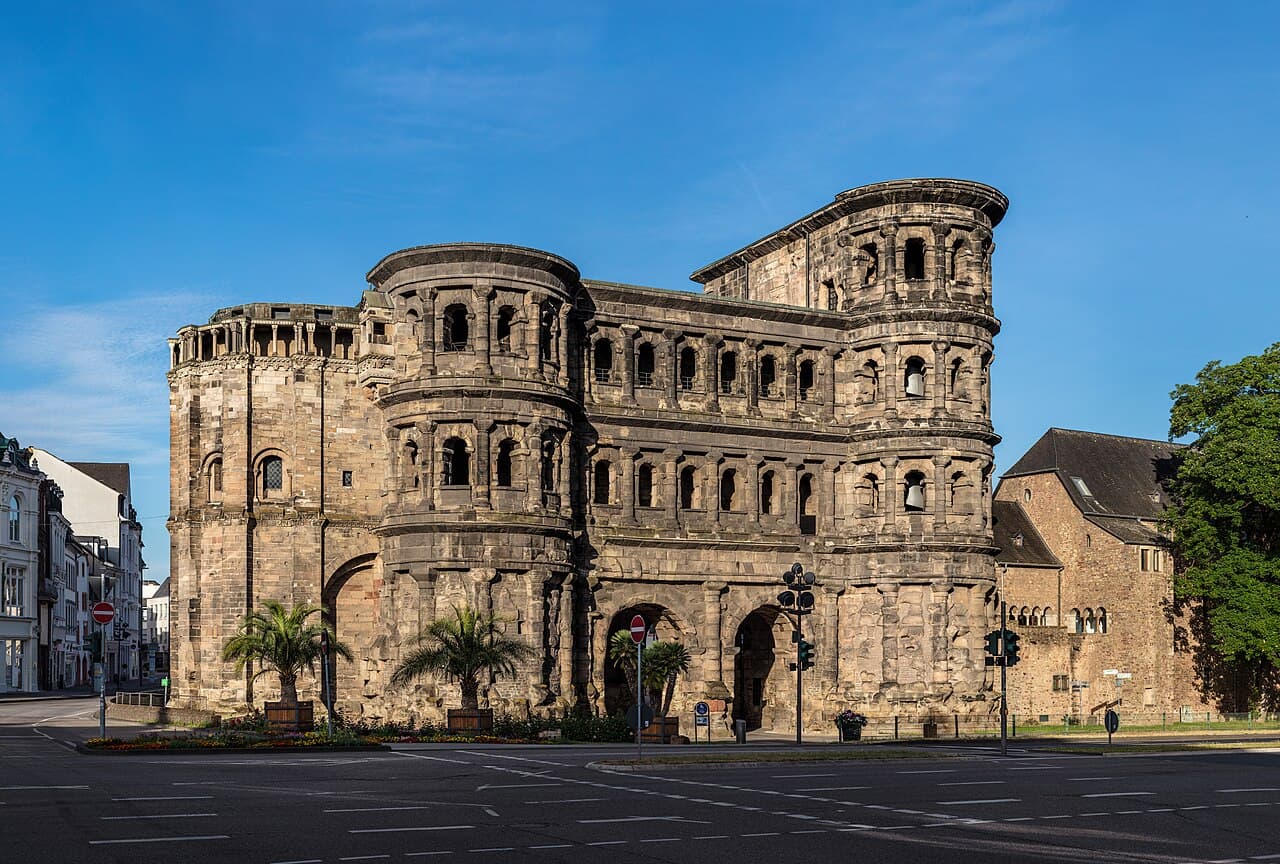
City guide · Updated June 2026
EuropeGermany49.8° · 6.6°
Trier,Germany.
Rome's northern outpost — ancient ruins, Moselle wines, and medieval charm in Germany's oldest city.
Trier · DE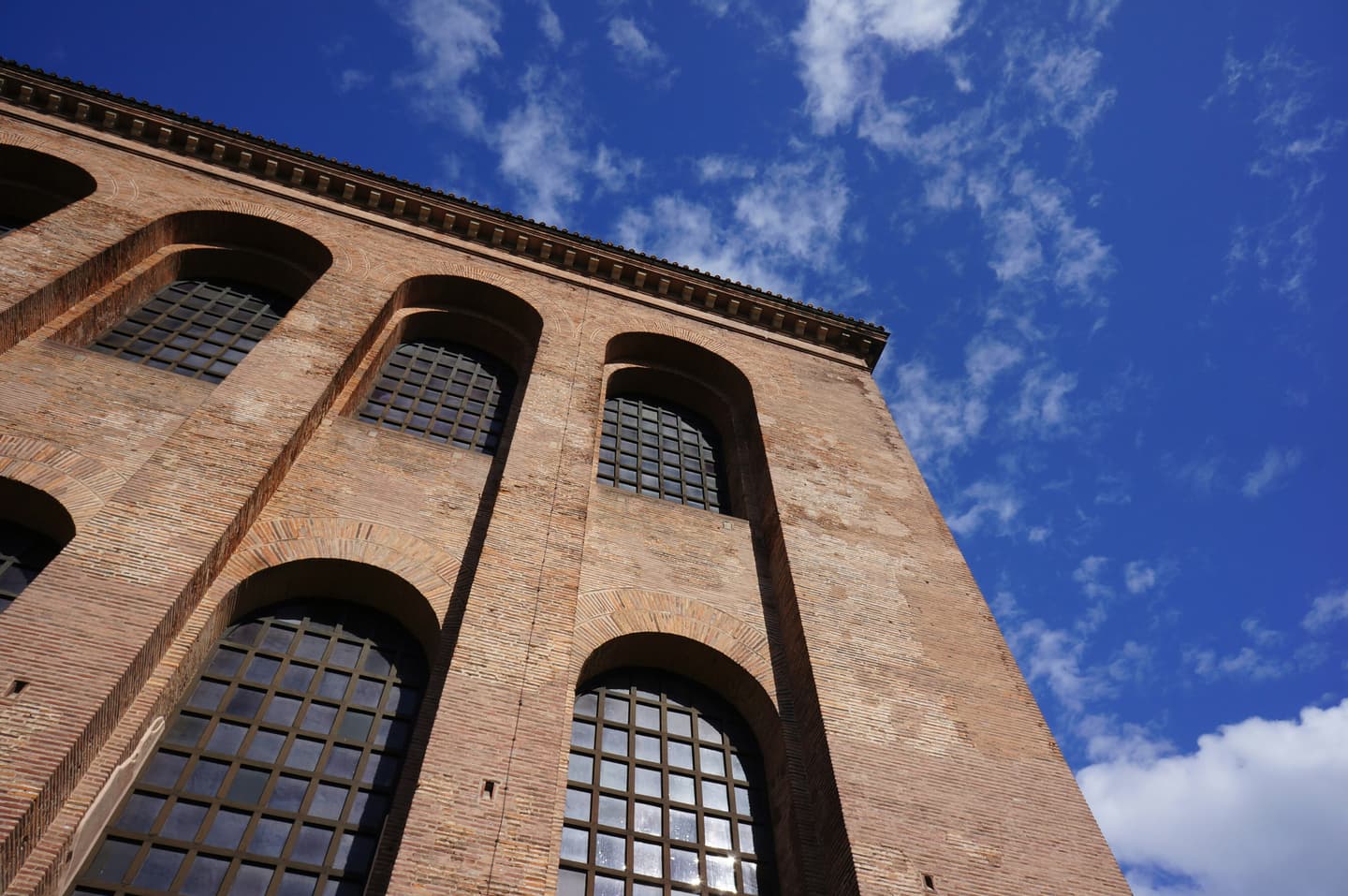
TrierGermany
★
Luxembourg Airport (LUX) — approx. 39 kmNEAREST AIRPORT
Population
118,361.4
Total residents
Global rank
#158
Wanderlust index
Best time
May and September offer the best…
Peak window
Time zone
Europe/Berlin
Local time
Currency
EUR
Money in use
Language
German
Spoken locally
01 · Overview
About Trier
Rome's northern outpost — ancient ruins, Moselle wines, and medieval charm in Germany's oldest city.
Trier is Germany's oldest city, nestled in the Moselle Valley near the Luxembourg border, and home to one of Europe's finest collections of Roman monuments. Its UNESCO-listed sites — from the towering Porta Nigra to the Imperial Baths — sit alongside a lively university town atmosphere and world-class Moselle wine culture. Despite its extraordinary heritage, Trier remains refreshingly off the beaten path, offering an authentic German experience without the crowds of larger cities. It also serves as an ideal base for day trips into the scenic Moselle and Saar valleys.
02 · Wanderlust scorecard
How Trier scores
Ratings run 0 to 5 unless marked. They come from our AI-assisted research and are refreshed on a rolling basis.
2.5
/ 5
Cost of living
Affordability, 0–5. Higher means cheaper.
3.5
/ 5
Leisure
Leisure rating, 0–5.
157
Mbps
Connectivity
Median internet speed.
4.3
/ 5
Safety
Safety rating, 0–5. Higher is safer.
3.5
/ 5
Overall livability
Overall rating, 0–5.
4.5
/ 5
Air quality
Air-quality rating, 0–5. Higher is cleaner.
7.7
index
Index score
Wanderlust ranking, 0–10: overall, safety, internet, cost, leisure and air quality, weighted.
03 · Weather & when to go
Best time to visit Trier
Current weather and the forecast, and the months our research rates best for a visit.
Month by month
Best months Either side Other months
Jan
Feb
Mar
Apr
May
Jun
Jul
Aug
Sep
Oct
Nov
Dec
Sweet spot: May and September offer the best balance of pleasant weather, manageable crowds, and lower accommodation prices. Summer is lively with festivals but busier and pricier; winter is worth visiting for the famous Trier Christmas Market..
More cities for these months: Where to go in May · Where to go in June · Where to go in July · Where to go in August · Where to go in September · Where to go in December
04 · Things to do
Things to do in Trier
Top sights from our AI-assisted research, and other places we have photos of.
Top sight
Top sight
Imperial Baths (Kaiserthermen)
Top sight
Top sight
Hauptmarkt (Main Market Square)
Top sight
Top sight
Konstantin-Basilika (Aula Palatina)
Top sight
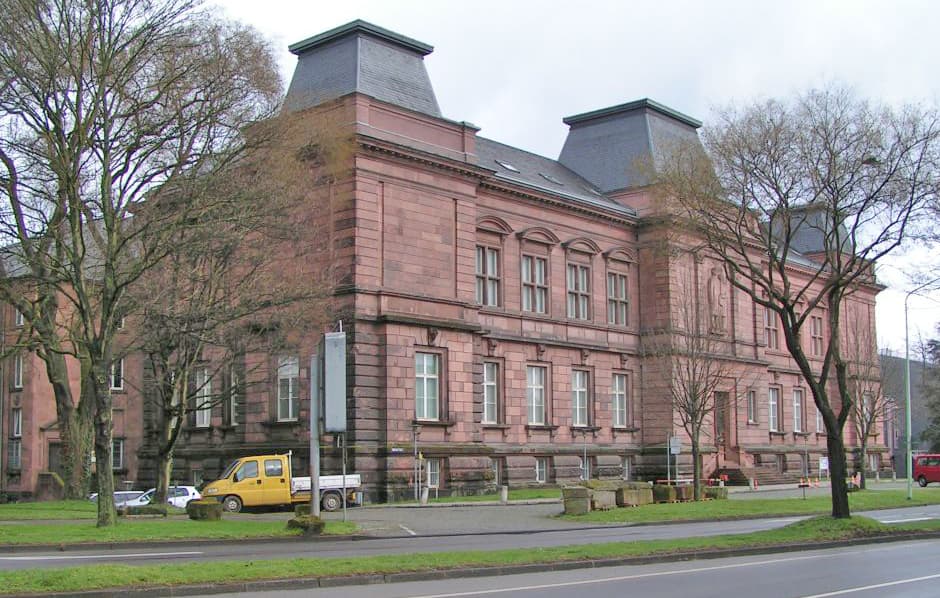
Rheinisches Landesmuseum
Photo: Original: Stefan Kühn at de.wikipedia Modifications: Cornischong at Luxembourgish Wikipedia · CC BY-SA 3.0
05 · Monthly cost of living
Cost of living in Trier
Estimated monthly totals in USD from our AI-assisted research, one per profile. Treat them as a starting point for a budget, not a quote.
$1,725
estimated monthly spend · USDProfileExpat
Price references — vs. profile benchmarks
Nomadmonthly spend · USD
$2,600
+51%
Expatmonthly spend · USD
$1,725
baseline
Familymonthly spend · USD
$5,682
+229%
Localmonthly spend · USD
$1,510.1
-12%
Median fiber speeddownload · Mbps
157
Mbps
06 · Neighborhoods
Where to stay in Trier
Neighborhoods our AI-assisted research lists as popular with visitors.
Altstadt (Old Town)
Olewig (wine village & vineyard quarter)
Pallien
Nord
07 · Insider tips
Sights and neighbourhoods, with a tip each.
Practical tips on places from this Trier guide, written with AI. One is free; Pro members see the rest. Double-check details before you go.
Insider tips · Wanderlust Pro
Practical tips on the sights and neighbourhoods in this Trierguide — when to go, what most visitors miss. Written with AI about the guide's own places; double-check details before you go. Pro members see every tip.
08 · Practical notes
Practical information for Trier
The essentials from this guide's data, in one place.
01
Getting there
- Nearest airport — Luxembourg Airport (LUX) — approx. 39 km
02
Money
- Currency — EUR
- Affordability — 2.5/5 on the Wanderlust index (higher is cheaper)
03
Internet
- Median speed — 157 Mbps
- Internet score — 5/5
04
Safety
- Safety score — 4.3/5 from our AI-assisted research
05
Language
- Primary language — German
06
Timing
- Best window — May and September offer the best balance of pleasant weather, manageable crowds, and lower accommodation prices. Summer is lively with festivals but busier and pricier; winter is worth visiting for the famous Trier Christmas Market.
- Time zone — Europe/Berlin
Questions
Frequently asked, plainly answered.
The quick answers travelers want before they commit to flights, neighborhoods, and how long to stay.
Is Trier safe for travelers?+
Trier has a safety rating of 4.3 out of 5.
What is the best time to visit Trier?+
The best time to visit Trier is May and September offer the best balance of pleasant weather, manageable crowds, and lower accommodation prices. Summer is lively with festivals but busier and pricier; winter is worth visiting for the famous Trier Christmas Market..
How expensive is Trier?+
Trier has an affordability score of 2.5 out of 5, where 5 is most affordable.
What is the internet speed in Trier?+
Trier has an average internet speed of 157 Mbps.
What currency does Trier use?+
The currency used in Trier is EUR.
What language is spoken in Trier?+
The primary language spoken in Trier is German.
Researched city guide
Getting there, getting around and when to go
Written with AI-assisted web research. Where we have sources, they are listed under each part.
What works
- Unrivaled concentration of Roman UNESCO World Heritage sites in a compact, walkable city
- Proximity to Luxembourg (39 km) makes international access easy and adds a unique cross-border dimension
- Vibrant Moselle wine culture with tastings, vineyard trails, and river cycling routes on the doorstep
- Lively university town atmosphere keeps the city young, social, and affordable for dining and nightlife
- Genuinely off-the-beaten-path feel despite world-class historical sights
- Excellent base for day trips into the Moselle Valley, Saar Valley, and Luxembourg
What to weigh
- Limited direct international flight connections — requires travel via Luxembourg, Frankfurt Hahn, or Frankfurt Main
- Cost of living, especially housing, is above the German average for a city of its size
- Relatively small city with a limited nightlife and entertainment scene compared to larger German hubs
- Peak summer crowds at key Roman sites can feel congested
- Ride-sharing apps (e.g. Uber) are sparse; taxi reliance for late-night travel
- Most information, signage, and services are in German — English proficiency varies outside the tourist center
Getting in
How to arrive
The closest airport to Trier is Luxembourg Airport (LUX), just 39 km away — ideal for intra-European flights. Frankfurt Hahn Airport (HHN) is around 63 km away and is served by low-cost carriers, with shuttle buses connecting directly to Trier. Frankfurt Main Airport (FRA), the largest in Germany, is approximately 164 km away and best for intercontinental arrivals; from there, Trier is about 2.5 hours by car or a roughly 2-hour regional train connection. From Luxembourg City, a direct bus or train reaches Trier in about 50 minutes, with one to two departures per hour; tickets cost €3–6 EUR from vending machines. Trier Hauptbahnhof sits on the edge of the old town — the Porta Nigra is a 10-minute walk from the station. Regular regional express services also connect Trier to Cologne and Mannheim. Travelers already in Germany can use the Deutschlandticket (a flat-rate monthly pass) on all regional trains and buses, including routes to and from Trier. The A-604 motorway links Trier to Luxembourg City, connecting in the other direction with the A-1 toward Koblenz, Cologne, and Mannheim.
Getting around
Moving through the city
Trier's historic city center is highly walkable — the Porta Nigra, Hauptmarkt, and Trier Cathedral are all clustered together and easily explored on foot. For longer distances, the SWT (Stadtwerke Trier) bus network covers all major areas; the VRT regional network extends to 553 municipalities with 270 bus and train lines across the wider region. A single-trip city bus ticket costs €2.00, and the '4 FahrtenTicket' offers 4 journeys for €6 — great value for short hops. Day tickets provide the best deal for tourists making multiple trips. Use the official SWT app for real-time schedules and mobile ticketing. Cycling is popular along dedicated lanes and the scenic Moselle Cycling Trail; numerous bike rental shops are available. Taxis are plentiful at the Hauptbahnhof and can also be booked via app. Ride-sharing services like Uber are less common here than in larger German cities — taxis are the preferred on-demand option. Driving into the city center can be challenging due to parking constraints, but there is underground parking throughout.
When to go
Timing your trip
Trier rewards visitors in almost every season, but late spring and early autumn are the sweet spots. May brings blooming landscapes, mild temperatures, and quiet streets before the summer rush, while September pairs pleasant weather with the beginning of the Moselle wine harvest — one of Germany's most celebrated viticultural traditions. July and August are the liveliest months, with open-air festivals and river activity, but expect higher accommodation prices and longer queues at the Porta Nigra and Imperial Baths. For a crowd-free but atmospheric visit, late November and December are surprisingly compelling: Trier's Christmas Market, centered at the Hauptmarkt and Cathedral, is consistently ranked among Germany's finest, and the ancient Roman backdrop makes the festive lights especially magical. Winter outside the market period is quiet, budget-friendly, and ideal for unhurried museum visits. Spring and autumn also offer the most pleasant conditions for cycling the Moselle and Saar valley trails.
Plan your trip
3 days in Trier: a sample itinerary
A ready-made starting point. Make it your own — clone it into an editable journey and reshape every stop.
Day 01
Day 1 – Roman Trier
Morning
Start at the iconic Porta Nigra — the largest Roman city gate north of the Alps — and climb to the upper levels for panoramic views of the old town. Head south into the Altstadt to the Hauptmarkt, Trier's medieval market square, for a coffee at a pavement café.
Afternoon
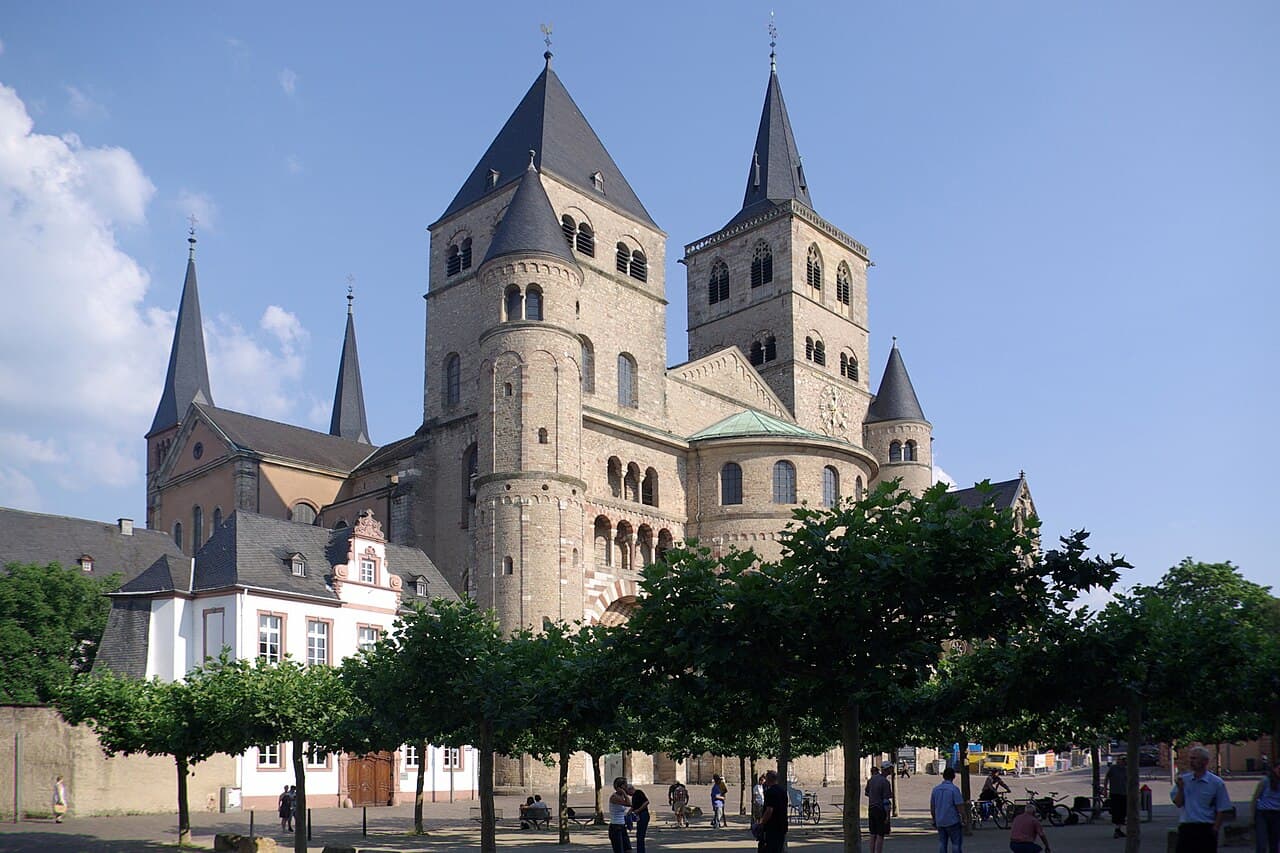
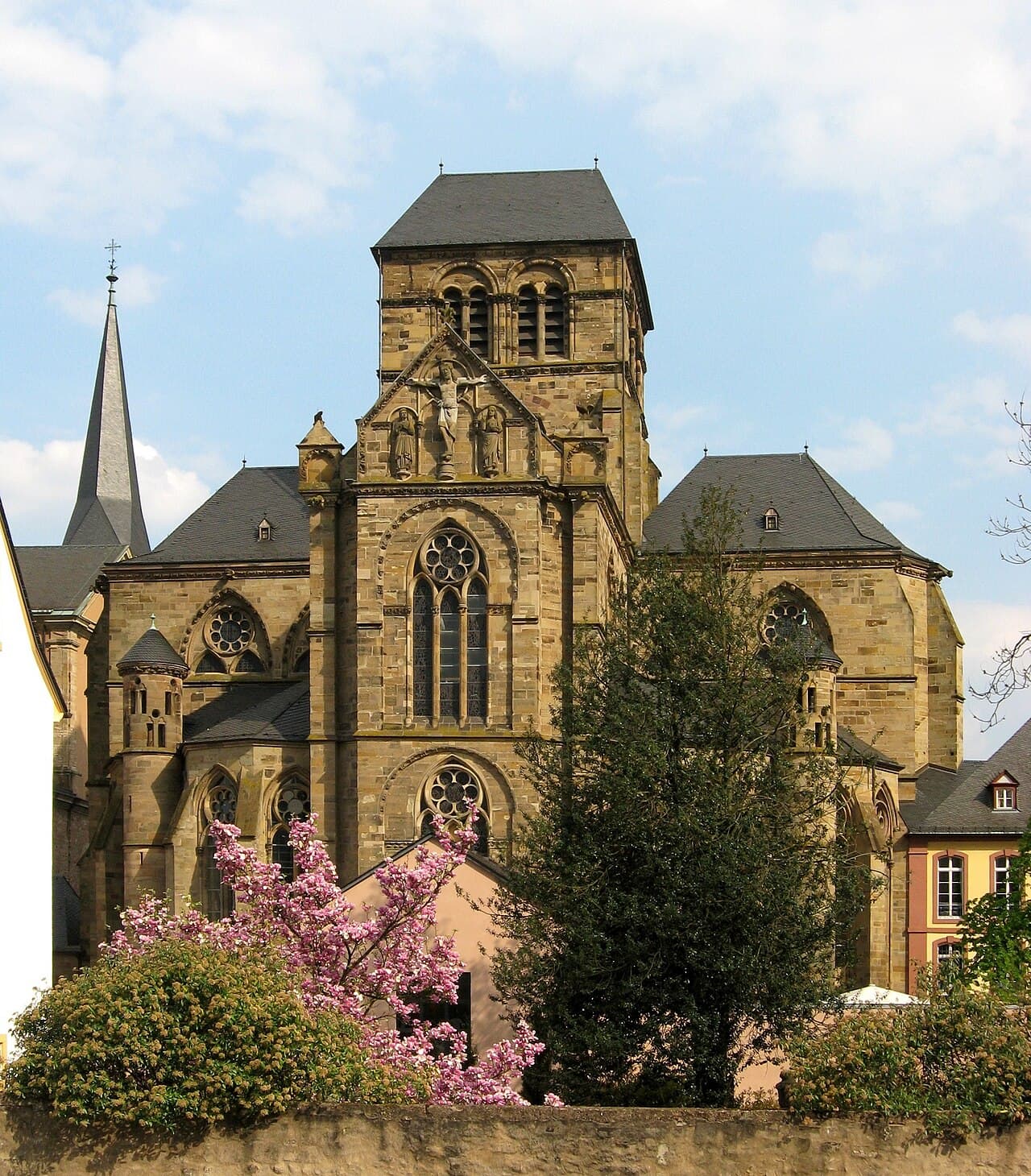
Visit Trier Cathedral (Dom St. Peter) and the adjacent Liebfrauenkirche, then walk to the Konstantin-Basilika (Aula Palatina), the colossal throne hall of Emperor Constantine. Continue to the Kurfürstliches Palais (Electoral Palace) gardens for a relaxing stroll.
Evening
Dinner in the Altstadt — try regional Moselle Riesling and classic Rhineland-Palatinate cuisine at one of the wine taverns around the Hauptmarkt.
Day 02
Day 2 – Baths, Marx & the Moselle
Morning
Explore the Imperial Baths (Kaiserthermen) and the nearby Roman Amphitheater, both UNESCO-listed. Follow the one-mile Trier Wine Culture Trail from the Amphitheater toward the wine village of Olewig.
Afternoon
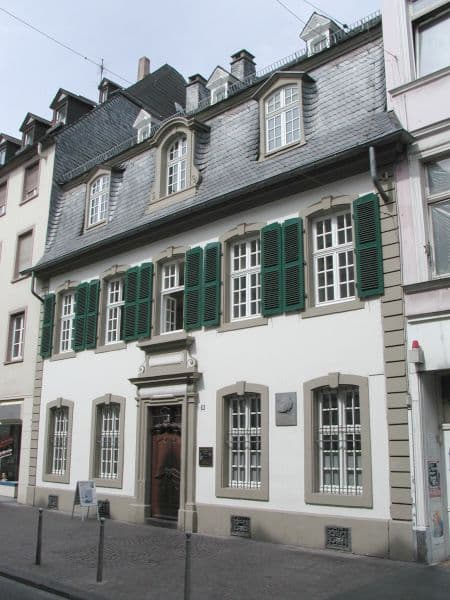
Visit the Karl Marx House museum, birthplace of the philosopher and a fascinating insight into 19th-century intellectual history. Browse the Rheinisches Landesmuseum for Roman mosaics, artifacts, and the famous Neumagen wine ship sculpture.
Evening
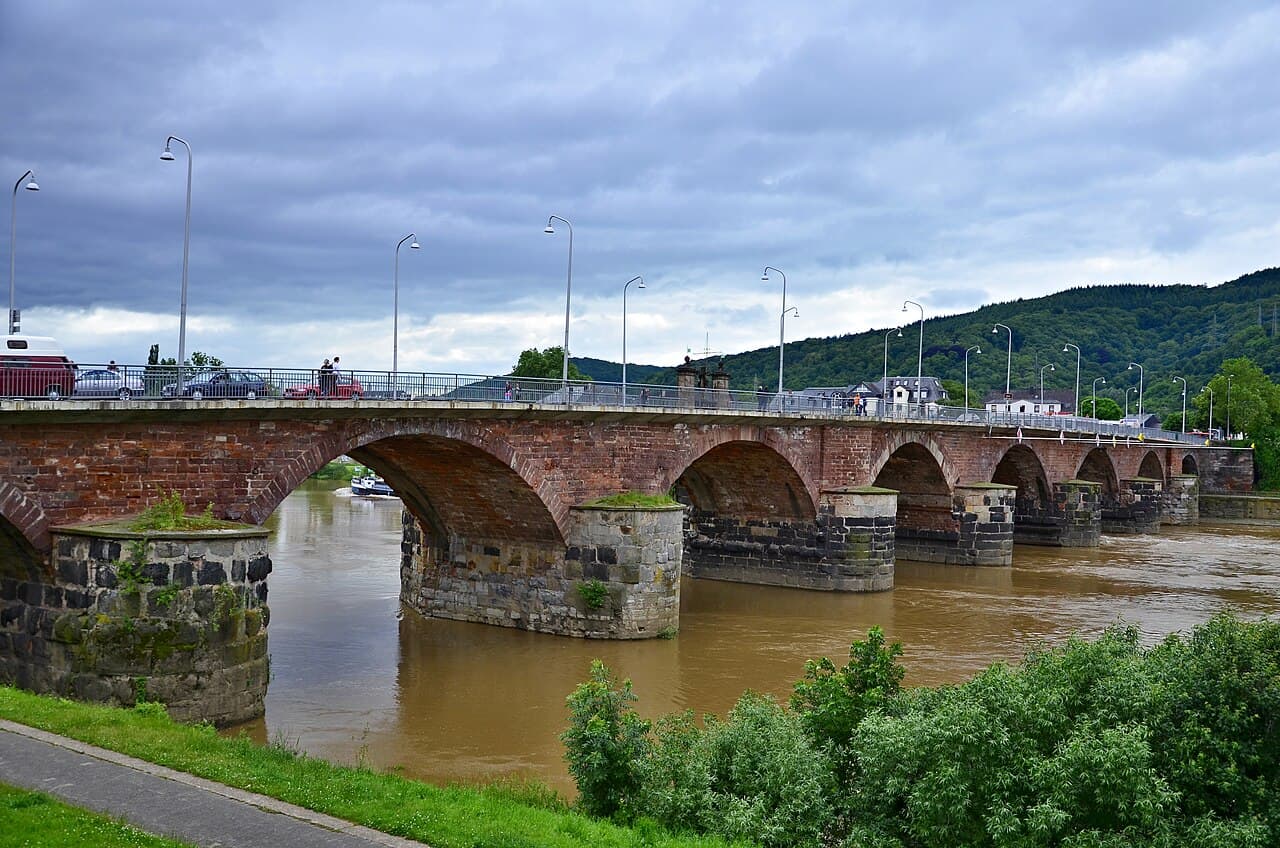
Walk to the ancient Roman Bridge over the Moselle for sunset views, then enjoy a riverside dinner with a glass of local Spätburgunder or Riesling.
Day 03
Day 3 – Moselle Valley Day Trip
Morning
Rent a bike or join a boat cruise down the Moselle Valley — the river road winds past vine-terraced hillsides, charming villages, and medieval castles. The village of Bernkastel-Kues (~50 km) is a popular cycling or driving destination.
Afternoon
Stop at a family-run Moselle winery for a guided cellar tour and tasting. Alternatively, head up the Saar Valley for a quieter, equally scenic alternative. Return to Trier by late afternoon.
Evening
Final evening back in the Altstadt — pick up local wine to take home from one of Olewig's wine cellars, and end with dinner at a cozy Weinstube (wine tavern).
Work-ready layer
Coworking spots and laptop-friendly anchors.
Real coworking spaces, laptop-friendly cafés, and libraries mapped near the center of the city — the closest, best-rated desks first.
Spots surfaced0
Categories—
Mapped0
No coworking-ready spots surfaced for this city yet.
Map pending
No mapped workspace points yet.
Pick a different category or check back once we’ve indexed more desks for this city.
Concierge
Ask the Trier concierge.
Share your travel style, must-see spots, or work schedule and the concierge will help turn this guide into something personal.
Personal trip brief
Tell it what kind of trip you're trying to have, and it will tighten the plan.
01
Travel style
Ask for cafés, quiet neighborhoods, date-night spots, or a first 48-hour plan.
02
Work constraints
Mention calls, Wi-Fi needs, or how much of the day has to stay laptop-friendly.
03
Real tradeoffs
Get faster answers on where to stay, when to move neighborhoods, and what to skip.
Traveler reviews
Reviews of Trier
Written by signed-in Wanderlust members. We don't check that a reviewer has visited.
No reviews of Trier yet.
Plan a trip to Trier.
Tell the planner your dates, who's coming, your budget and pace, and it drafts a day-by-day itinerary you can edit.
Wanderlust Pro
Insider tips for Trier, unlimited AI-built itineraries, and travel companions you can invite to plan a trip together. From $5.00/month, billed annually.