Top sight
Top sight
India's original "Temple City" — over 700 ancient shrines wrapped in Kalinga grandeur and Odia culture.
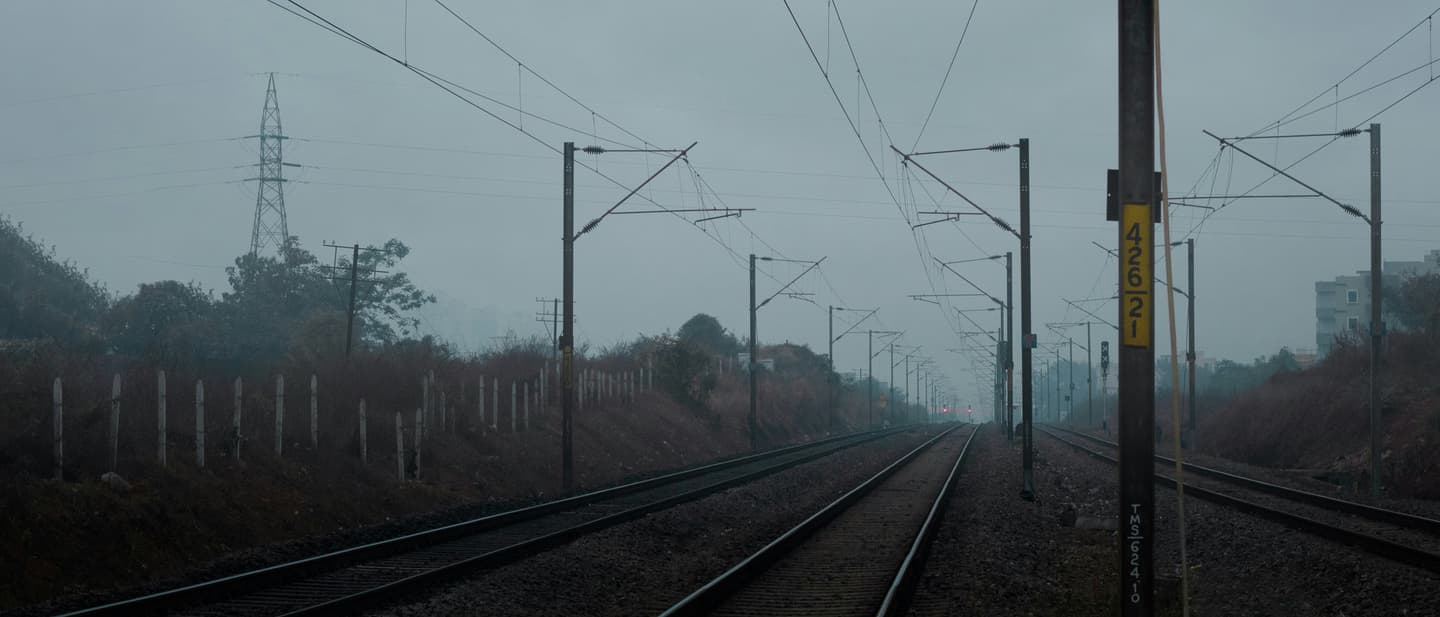
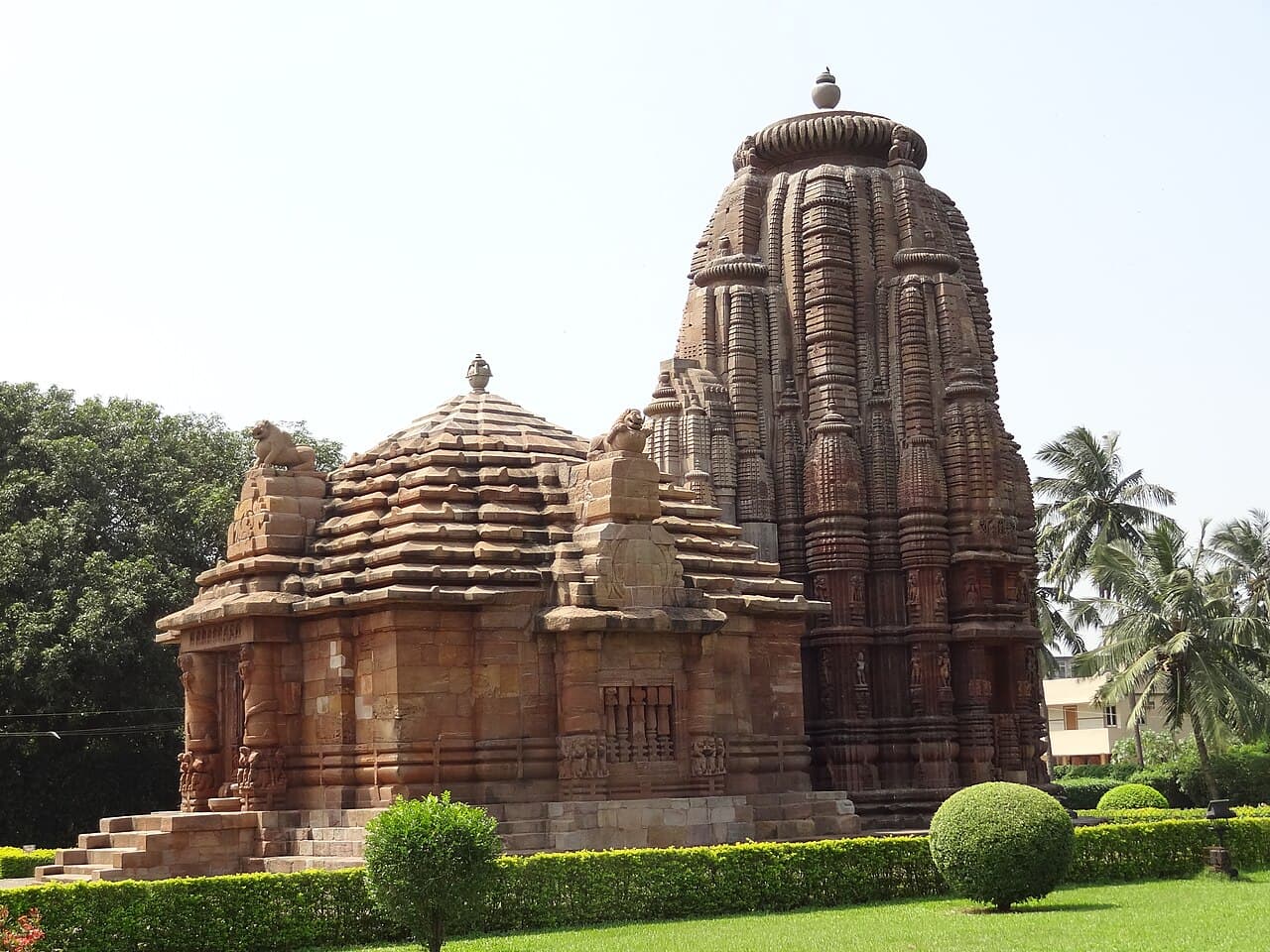
Bhubaneswar, the capital of Odisha, is one of India's oldest continuously inhabited cities, with over two millennia of history rooted in Kalinga architecture and Hindu pilgrimage. Known as the "Temple City of India," it counts more than 700 temples within its limits, headlined by the towering 55-meter Lingaraj Temple. The city pairs this spiritual heritage with modern smart-city development, IT parks, and exceptional affordability — sitting among the cheapest cities in the world by cost-of-living index. Day trips to Konark's Sun Temple, Chilika Lake, and the beaches of Puri extend the experience far beyond the city limits.
More cities for these months: Where to go in January · Where to go in February · Where to go in March · Where to go in October · Where to go in November · Where to go in December
Insider tips · Wanderlust Pro
Practical tips on the sights and neighbourhoods in this Bhubaneswarguide — when to go, what most visitors miss. Written with AI about the guide's own places; double-check details before you go. Pro members see every tip.
The quick answers travelers want before they commit to flights, neighborhoods, and how long to stay.
Bhubaneswar is served by Biju Patnaik International Airport (BBI), located approximately 3–6 km from the city centre. The airport operates direct domestic flights to Delhi, Mumbai, Chennai, Hyderabad, Kolkata, and Bengaluru, plus select international services to Singapore, Bangkok, Dubai, and Abu Dhabi. Pre-paid taxis and app cabs (Ola, Uber) connect the airport to central hotels in around 15–20 minutes. By rail, Bhubaneswar Railway Station is the main junction with frequent express trains from across India; notable services from Delhi include the Purushottam Express and Bhubaneswar Rajdhani. Buses from nearby cities such as Cuttack, Puri, Berhampur, and Konark arrive at the Bhubaneswar Inter-State Bus Terminal (ISBT).
Auto-rickshaws are the backbone of intra-city travel — shared autos run on fixed routes at roughly ₹2–3 per km, while private autos are negotiated at higher rates. The city also operates 'pink auto' services with police-verified drivers specifically for female travellers. App-based services including Ola, Uber, and Rapido are available across Bhubaneswar and offer metered, transparent pricing — recommended for early mornings or late-night rides. The Mo Bus network (modern AC and non-AC city buses with digital ticketing) covers main corridors and is an affordable option for longer cross-city routes. Cycling and walking are feasible in the Old Town temple cluster. Negotiate fares in advance for any unmetered vehicle.
The prime window runs October through March, when Bhubaneswar enjoys cool, dry conditions with average temperatures between 15°C and 28°C — ideal for long days exploring temples and outdoor sites. November and December are sweet spots: post-monsoon greenery lingers, crowds are manageable, and the festival calendar includes Odisha's vibrant Puri Beach Festival (December). January is peak season, busiest and occasionally hazy, but the energy around Makar Mela and other winter pilgrimages is electric. February and early March remain pleasant before temperatures climb. Avoid April through June, when heat regularly exceeds 40°C. The monsoon (July–September) brings heavy rainfall and humidity; while the city stays lush and green, outdoor sightseeing becomes challenging and some rural roads flood. Cyclone risk along the Odisha coast is highest between October and November — check forecasts before travel during those shoulder months.
Start at the 11th-century Lingaraj Temple complex — arrive early to beat crowds and soak in the towering 55-metre shikhara. Walk to the serene Bindu Sagar Lake, ringed by smaller shrines, for a peaceful stroll.
Visit the ornately carved Mukteshwar Temple (Odisha's 'gem of architecture'), then the Rajarani Temple, celebrated for its sculpted figures. Finish at Parasurameswara Temple, one of the best-preserved early Kalinga structures.
Browse Ekamra Haat craft village for Odia appliqué, pattachitra paintings, and stone carvings. Dinner at a local restaurant — try a traditional thali with Dalma, rice, and Odia curries.
Head to Udayagiri and Khandagiri Caves — ancient Jain rock-cut chambers with detailed carvings and panoramic views over the city. Spend a couple of hours exploring the inscriptions and terraced galleries.
Drive 8 km south to Dhauli Shanti Stupa, the hilltop peace pagoda marking Emperor Ashoka's conversion to Buddhism after the Kalinga War. The Ashokan rock edict at the base is one of India's oldest epigraphic records.
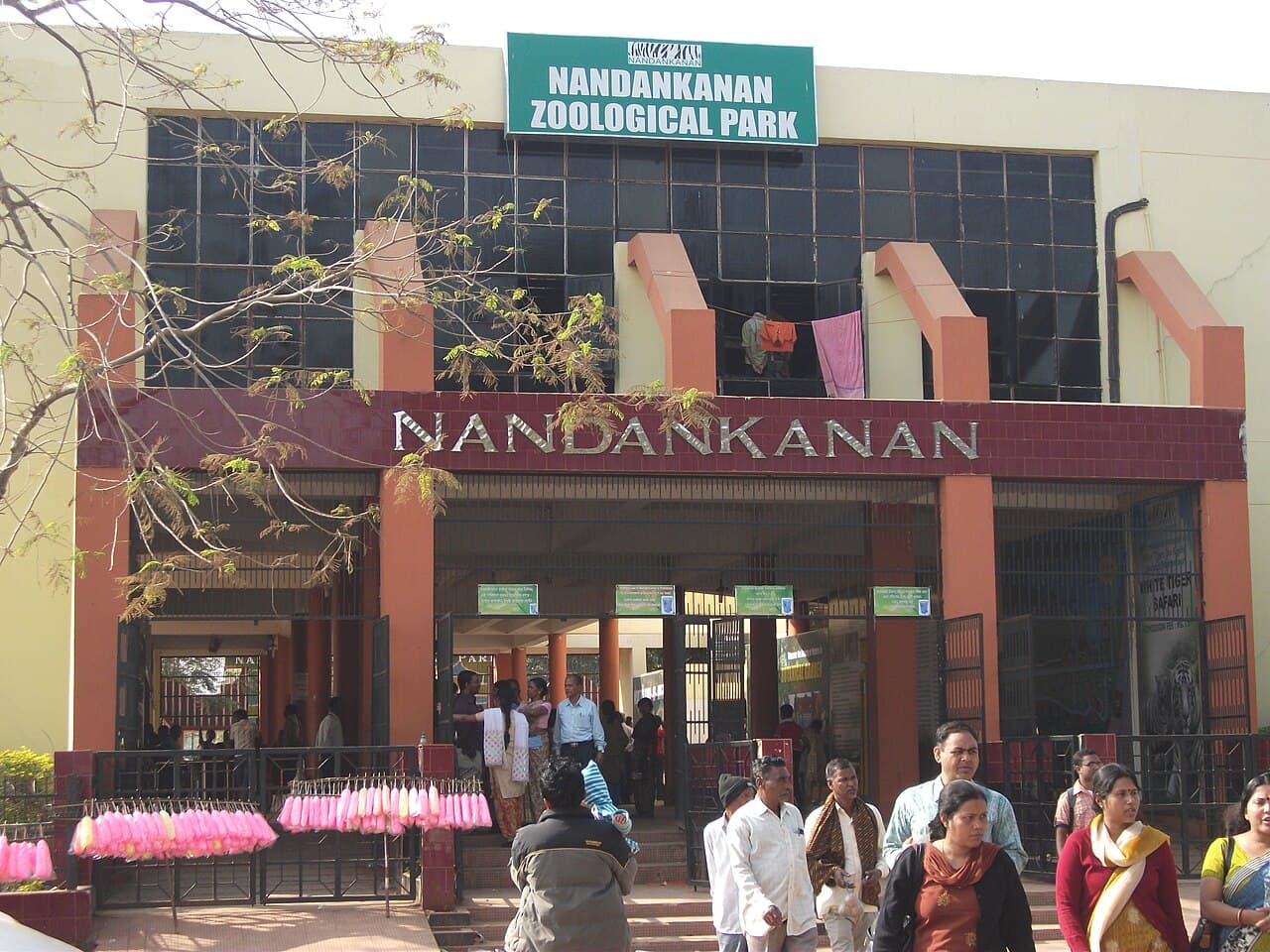
Visit Nandankanan Zoological Park for its resident white tigers and Irrawaddy dolphins. Return to the city for street food at Janpath or Master Canteen Square.
Early start for the 65 km drive to Konark's UNESCO-listed Sun Temple — a 13th-century chariot-shaped masterpiece of Kalinga architecture. Arrive before tour groups for the best light on the stone carvings.
Continue to Puri Beach (35 km from Konark) for lunch on the seafront. Walk along the Golden Beach and, if timing allows, view the exterior of the Jagannath Temple complex from Raghunandan Library's rooftop platform (non-Hindus are not permitted inside).
Return to Bhubaneswar (roughly 60 km). Wind down with Chhena Poda (Odisha's caramelised cottage-cheese dessert) at a local sweet shop.
Real coworking spaces, laptop-friendly cafés, and libraries mapped near the center of the city — the closest, best-rated desks first.
No coworking-ready spots surfaced for this city yet.
Pick a different category or check back once we’ve indexed more desks for this city.
Ask for cafés, quiet neighborhoods, date-night spots, or a first 48-hour plan.
Mention calls, Wi-Fi needs, or how much of the day has to stay laptop-friendly.
Get faster answers on where to stay, when to move neighborhoods, and what to skip.
Written by signed-in Wanderlust members. We don't check that a reviewer has visited.
No reviews of Bhubaneswar yet.
Tell the planner your dates, who's coming, your budget and pace, and it drafts a day-by-day itinerary you can edit.
Wanderlust Pro
Insider tips for Bhubaneswar, unlimited AI-built itineraries, and travel companions you can invite to plan a trip together. From $5.00/month, billed annually.
Insider tips · Wanderlust Pro
Practical tips on the sights and neighbourhoods in this Bhubaneswarguide — when to go, what most visitors miss. Written with AI about the guide's own places; double-check details before you go. Pro members see every tip.