City guide · Updated June 2026
AsiaIndonesia-6.9° · 107.6°
Bandung,Indonesia.
Java's coolest highland city — volcanic craters, Art Deco streets, and serious coffee culture at bargain prices.
Bandung · ID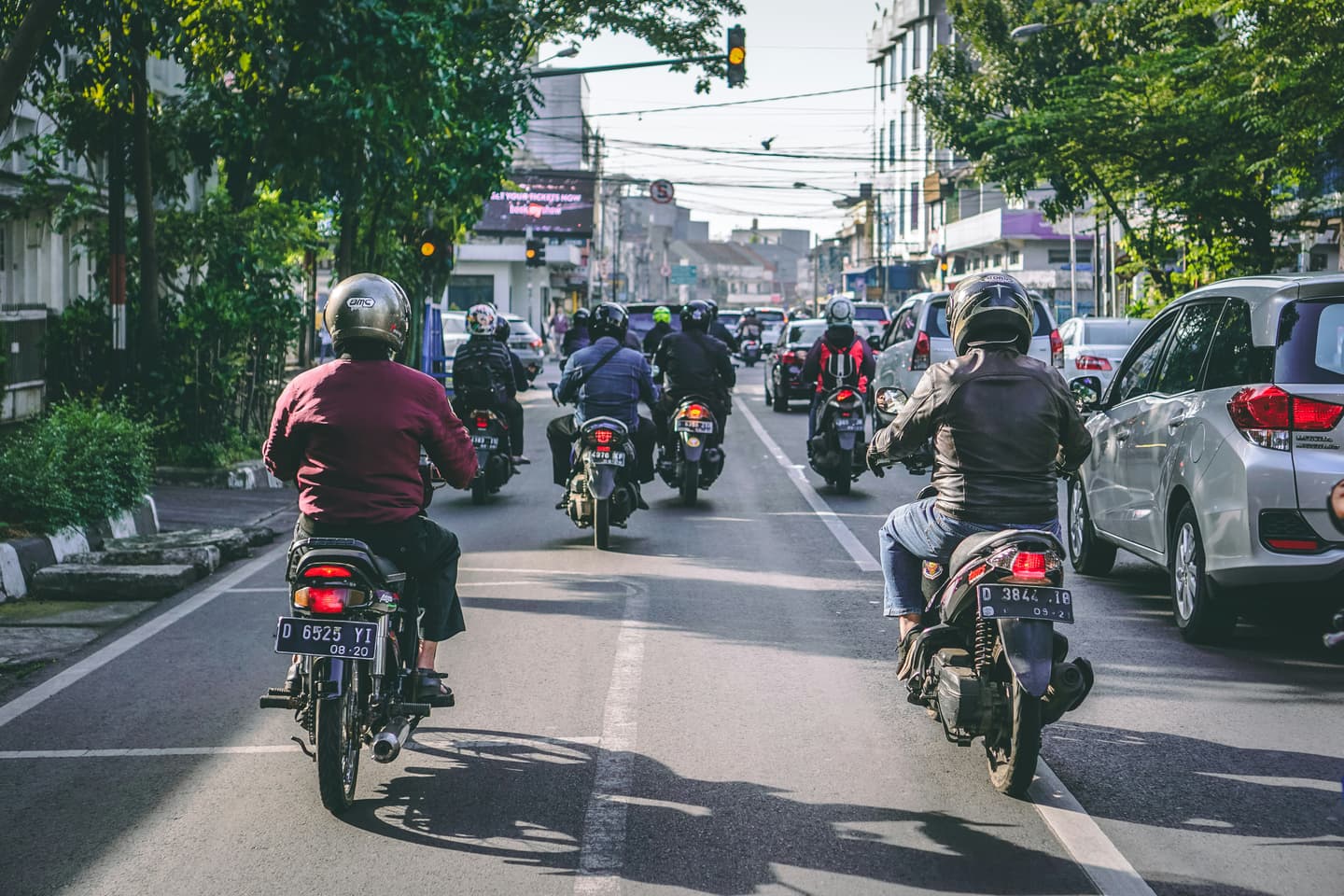
BandungIndonesia
★
Husein Sastranegara International Airport (BDO)NEAREST AIRPORT
Population
2,466,719.2
Total residents
Global rank
#157
Wanderlust index
Best time
June to September (dry season)…
Peak window
Time zone
Asia/Jakarta
Local time
Currency
Indonesian Rupiah (IDR)
Money in use
Language
Bahasa Indonesia (Sundanese widely spoken locally; English understood in tourist areas)
Spoken locally
01 · Overview
About Bandung
Java's coolest highland city — volcanic craters, Art Deco streets, and serious coffee culture at bargain prices.
Bandung, the "Paris of Java," sits 750 m above sea level in West Java, giving it a refreshingly cool climate that sets it apart from the rest of the island. Originally built by the Dutch as a colonial administrative hub, the city blends handsome Art Deco architecture with a thriving café scene, Sundanese food culture, and easy access to active volcanoes, tea plantations, and crater lakes. It is one of Southeast Asia's most affordable bases for nomads and expats, and a perennial weekend escape for Jakartans seeking cooler air and factory-outlet bargains.
02 · Wanderlust scorecard
How Bandung scores
Ratings run 0 to 5 unless marked. They come from our AI-assisted research and are refreshed on a rolling basis.
5
/ 5
Cost of living
Affordability, 0–5. Higher means cheaper.
3.5
/ 5
Leisure
Leisure rating, 0–5.
26
Mbps
Connectivity
Median internet speed.
3.5
/ 5
Safety
Safety rating, 0–5. Higher is safer.
3.5
/ 5
Overall livability
Overall rating, 0–5.
2.5
/ 5
Air quality
Air-quality rating, 0–5. Higher is cleaner.
7.7
index
Index score
Wanderlust ranking, 0–10: overall, safety, internet, cost, leisure and air quality, weighted.
03 · Weather & when to go
Best time to visit Bandung
Current weather and the forecast, and the months our research rates best for a visit.
Month by month
Best months Either side Other months
Jan
Feb
Mar
Apr
May
Jun
Jul
Aug
Sep
Oct
Nov
Dec
Sweet spot: June to September (dry season) for clear skies and ideal hiking and sightseeing conditions..
More cities for these months: Where to go in June · Where to go in July · Where to go in August · Where to go in September
04 · Things to do
Things to do in Bandung
Top sights from our AI-assisted research, and other places we have photos of.
Top sight
Top sight
Tangkuban Perahu Volcano
Top sight
Top sight
Saung Angklung Udjo
Top sight
Top sight
Geological Museum
Top sight
Top sight
Dusun Bambu Eco-Park
Top sight
Top sight
Ciwidey Tea Plantations & Patenggang Lake
05 · Monthly cost of living
Cost of living in Bandung
Estimated monthly totals in USD from our AI-assisted research, one per profile. Treat them as a starting point for a budget, not a quote.
$1,400
estimated monthly spend · USDProfileExpat
Price references — vs. profile benchmarks
Nomadmonthly spend · USD
$1,266
-10%
Expatmonthly spend · USD
$1,400
baseline
Familymonthly spend · USD
$4,480
+220%
Localmonthly spend · USD
$1,166.7
-17%
Median fiber speeddownload · Mbps
26
Mbps
06 · Neighborhoods
Where to stay in Bandung
Neighborhoods our AI-assisted research lists as popular with visitors.
Braga
Dago
Pasteur
Ciumbuleuit
07 · Insider tips
Sights and neighbourhoods, with a tip each.
Practical tips on places from this Bandung guide, written with AI. One is free; Pro members see the rest. Double-check details before you go.
Insider tips · Wanderlust Pro
Practical tips on the sights and neighbourhoods in this Bandungguide — when to go, what most visitors miss. Written with AI about the guide's own places; double-check details before you go. Pro members see every tip.
08 · Practical notes
Practical information for Bandung
The essentials from this guide's data, in one place.
01
Getting there
- Nearest airport — Husein Sastranegara International Airport (BDO)
02
Money
- Currency — Indonesian Rupiah (IDR)
- Affordability — 5/5 on the Wanderlust index (higher is cheaper)
03
Internet
- Median speed — 26 Mbps
- Internet score — 5/5
04
Safety
- Safety score — 3.5/5 from our AI-assisted research
05
Language
- Primary language — Bahasa Indonesia (Sundanese widely spoken locally; English understood in tourist areas)
06
Timing
- Best window — June to September (dry season) for clear skies and ideal hiking and sightseeing conditions.
- Time zone — Asia/Jakarta
Questions
Frequently asked, plainly answered.
The quick answers travelers want before they commit to flights, neighborhoods, and how long to stay.
Is Bandung safe for travelers?+
Bandung has a safety rating of 3.5 out of 5.
What is the best time to visit Bandung?+
The best time to visit Bandung is June to September (dry season) for clear skies and ideal hiking and sightseeing conditions..
How expensive is Bandung?+
Bandung has an affordability score of 5 out of 5, where 5 is most affordable.
What is the internet speed in Bandung?+
Bandung has an average internet speed of 26 Mbps.
What currency does Bandung use?+
The currency used in Bandung is Indonesian Rupiah (IDR).
What language is spoken in Bandung?+
The primary language spoken in Bandung is Bahasa Indonesia (Sundanese widely spoken locally; English understood in tourist areas).
Researched city guide
Getting there, getting around and when to go
Written with AI-assisted web research. Where we have sources, they are listed under each part.
What works
- Exceptionally affordable — one of the cheapest mid-size cities in Southeast Asia for nomads and expats
- Cool highland climate (20–25°C year-round) — no oppressive lowland heat
- Stunning day trips: active volcanoes, crater lakes, and tea plantations within 1–2 hours
- Thriving café and Sundanese food scene with a young, English-speaking creative community
- Rich Art Deco and Dutch colonial architecture concentrated in walkable Braga and city-centre areas
- Strong student and startup ecosystem (home to ITB, one of Indonesia's top tech universities)
What to weigh
- Chronic traffic congestion, especially on weekends when Jakarta day-trippers flood the city
- No metro or rapid transit — getting around relies heavily on ride-hailing or hired cars
- Air quality can be poor; urban smog sometimes obscures surrounding mountain views
- Overtourism risk at peak weekends, particularly at Kawah Putih and Tangkuban Perahu
- Limited formal nomad/expat infrastructure compared to Bali or Jakarta
- Wet season (Oct–May) can cause flooding and restrict access to outdoor attractions
Getting in
How to arrive
Bandung is served by Husein Sastranegara International Airport (BDO), located just 5–7 km west of the city centre. International direct connections include Singapore (~1 hr 45 min) and Kuala Lumpur (~2 hr 10 min); carriers include Garuda, Lion Air, Citilink, and AirAsia. From the airport, taxis to the centre cost around IDR 50,000, while ride-hailing apps (Gojek/Grab) run IDR 25,000–100,000 depending on destination. DAMRI and Transmetro Bandung buses also link the airport to the city centre cheaply. No rail service runs to the airport itself.
From Jakarta, the most popular option is the scenic train: Bandung Station (BD) is 1 km northwest of the city centre and receives frequent services from Jakarta, Surabaya, and Yogyakarta. Trains sell out fast on weekends — book as far ahead as possible on tiket.com (economy from IDR 195,000; executive from IDR 385,000 for the Yogyakarta–Bandung overnight). The Jakarta–Bandung journey is roughly 3 hours by express train. Shuttle buses (Daytrans, Xtrans) are a clean, air-conditioned alternative from Jakarta at around IDR 100,000 per seat. By road, Jakarta's Soekarno-Hatta Airport (CGK) is approximately a 3-hour drive via the Cipularang toll road.
Getting around
Moving through the city
Bandung has no metro or subway system. The most convenient option for visitors is ride-hailing via Gojek or Grab — fast, cheap, and cashless. Metered Blue Bird taxis are reliable (call 022-7561234 or use the MyBluebird app); avoid unlicensed cabs that refuse meters. Angkots (brightly coloured minivans) cover extensive city routes for next to nothing but require local knowledge to navigate. Trans-Metro Bandung city buses cost around IDR 5,000 and are useful for budget travellers on main corridors. The Bandros (Bandung Tour on Bus) open-air sightseeing bus departs from Alun-Alun city square and is a fun way to orient yourself. For day trips to Kawah Putih, Tangkuban Perahu, or Lembang, hire a car with driver — essential as public transport doesn't reach most natural attractions. Heavy traffic is a fact of life, especially on weekend mornings when Jakartans arrive en masse.
When to go
Timing your trip
Bandung has two distinct seasons. The dry season (June–September) is the undisputed best time to visit: skies are clear, days are long and sunny, and the city's predominantly outdoor attractions — from volcanic craters to tea-plantation hikes — are at their most accessible. July and August are peak months; expect weekend crowds and book accommodation in advance.
The wet season runs roughly October to May, with the heaviest rains typically December–February. Most of Bandung's headline attractions (Kawah Putih, Tangkuban Perahu, Dusun Bambu) are outdoors, so persistent rain limits their appeal; heavy downpours can also cause localised flooding and road closures. That said, the city's thriving café culture and indoor shopping scene mean a wet-season visit is still perfectly enjoyable.
The shoulder months of April–May and September–October offer a pragmatic balance: moderate prices, thinner crowds, and weather that is usually pleasant enough for outdoor sightseeing with the occasional afternoon shower. Avoid Indonesian school holidays and long weekends if you want to dodge the Jakarta day-tripper surge.
Plan your trip
3 days in Bandung: a sample itinerary
A ready-made starting point. Make it your own — clone it into an editable journey and reshape every stop.
Day 01
Day 1 — Colonial Heart & Sundanese Culture
Morning
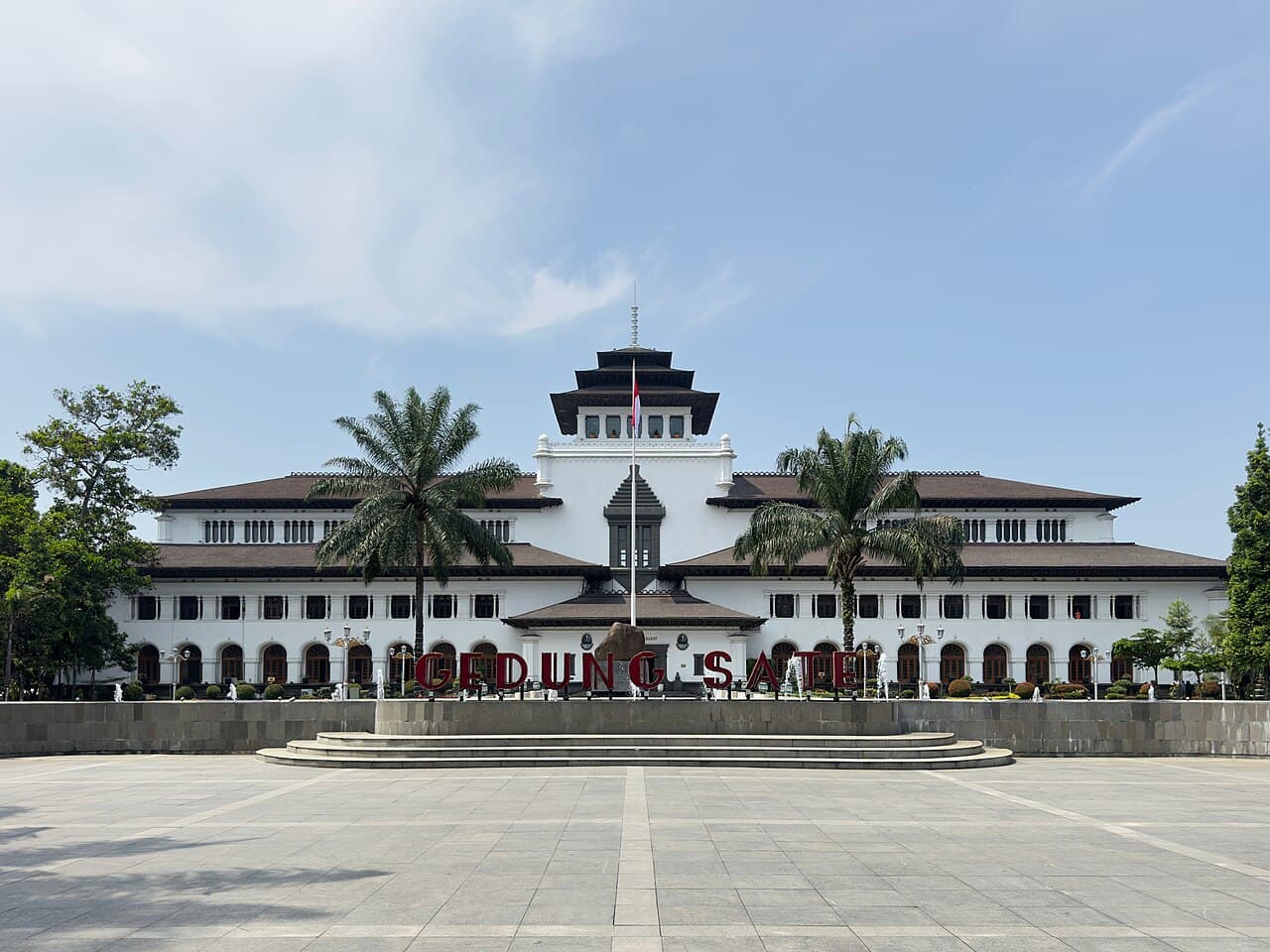
Start at Alun-Alun city square, then walk to Gedung Sate to admire its iconic Dutch-Javanese architecture. Continue to the Geological Museum on Jalan Diponegoro for fossils, minerals, and the famous Java Man skull replica.
Afternoon
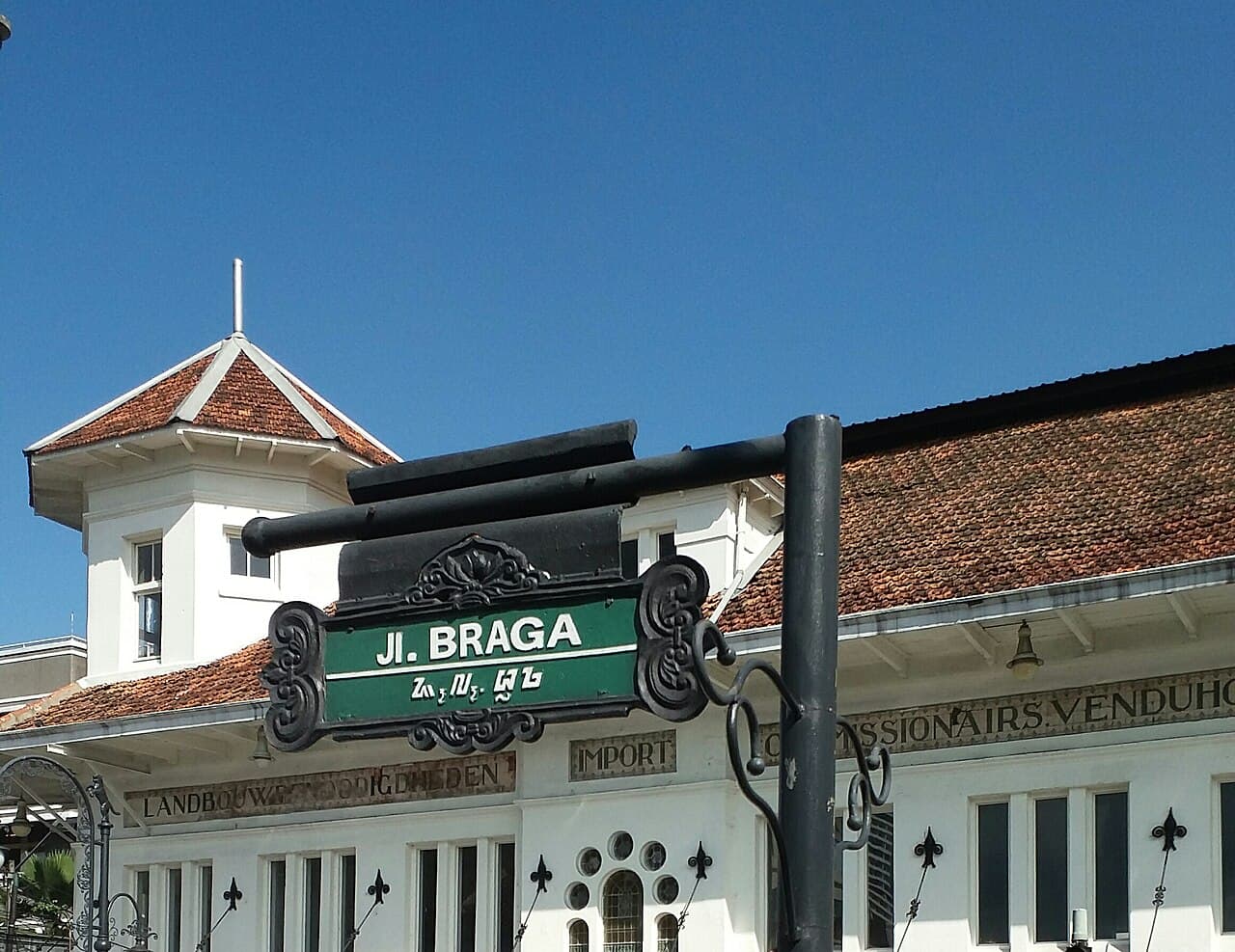
Stroll down historic Braga Street, browsing its Art Deco shophouses, cafés, and jazz bars. Stop for lunch at one of the colonial-era restaurants and pick up batik or local crafts. Head to the Asia Afrika Conference Museum (Gedung Merdeka) for a dose of Cold War history.
Evening
Dinner on Burangrang Street, where a long row of Sundanese restaurants compete for your business. Try nasi timbel, batagor, and siomay. End the night at a Braga Street bar or live-music venue.
Day 02
Day 2 — Volcanoes, Hot Springs & Tea
Morning
Early departure by hired car to Tangkuban Perahu volcano (30 km north). Drive to the crater rim for panoramic views into the active calderas. Visit the nearby Sari Ater or Ciater hot springs for a soak heated by the volcano's geothermal energy.
Afternoon
Head to Lembang for lunch at one of its hillside warungs. Explore Farmhouse Susu Lembang for its European-village atmosphere and fresh milk straight from the dairy. Drive back through Dago and stop at Djuanda Forest Park for a forest walk and waterfall trail.
Evening
Return to the city and dine in the Dago neighbourhood. Try Kopi Toko Djawa on Jalan Braga for an evening coffee in a restored Dutch colonial shophouse.
Day 03
Day 3 — Kawah Putih & Ciwidey Highlands
Morning
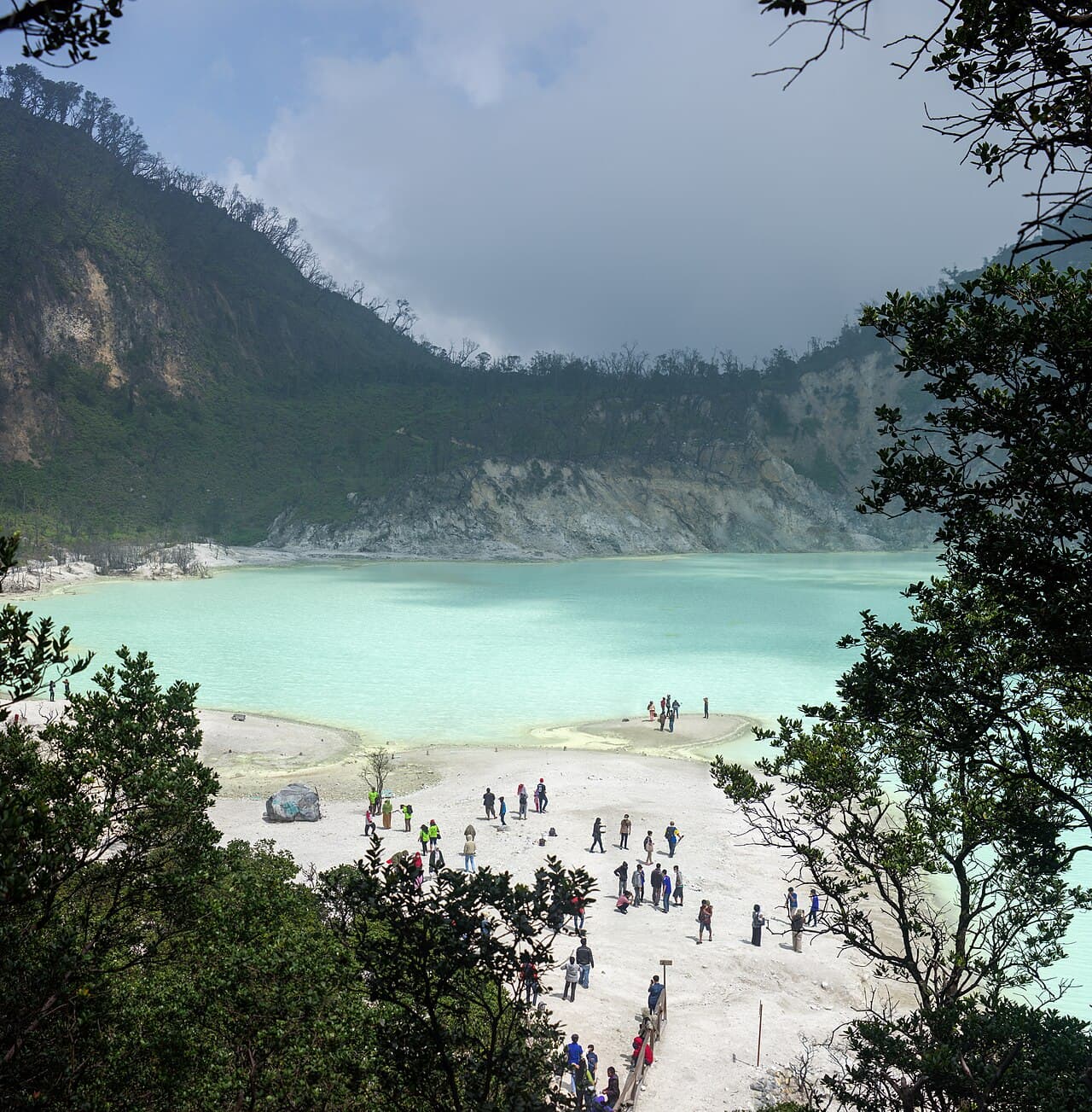
Leave early for Kawah Putih (50 km south) to arrive before the crowds. Marvel at the turquoise-to-jade sulphuric crater lake ringed by mist and dead trees — colours shift with sulphur concentration and light. Bring a mask as sulphur fumes can be strong.
Afternoon
Continue to the Rancabali and Ciwidey tea plantations for a walk through rolling green terraces. Visit Patenggang Lake for scenic views and a boat ride. Pick up fresh strawberries from roadside stalls — Ciwidey is famous for them.
Evening
Head to Saung Angklung Udjo for the late-afternoon cultural performance: a 90-minute show of Sundanese music and angklung bamboo-instrument demonstrations, ideal for wrapping up your Bandung experience on a cultural high.
Work-ready layer
Coworking spots and laptop-friendly anchors.
Real coworking spaces, laptop-friendly cafés, and libraries mapped near the center of the city — the closest, best-rated desks first.
Spots surfaced0
Categories—
Mapped0
No coworking-ready spots surfaced for this city yet.
Map pending
No mapped workspace points yet.
Pick a different category or check back once we’ve indexed more desks for this city.
Concierge
Ask the Bandung concierge.
Share your travel style, must-see spots, or work schedule and the concierge will help turn this guide into something personal.
Personal trip brief
Tell it what kind of trip you're trying to have, and it will tighten the plan.
01
Travel style
Ask for cafés, quiet neighborhoods, date-night spots, or a first 48-hour plan.
02
Work constraints
Mention calls, Wi-Fi needs, or how much of the day has to stay laptop-friendly.
03
Real tradeoffs
Get faster answers on where to stay, when to move neighborhoods, and what to skip.
Traveler reviews
Reviews of Bandung
Written by signed-in Wanderlust members. We don't check that a reviewer has visited.
No reviews of Bandung yet.
Plan a trip to Bandung.
Tell the planner your dates, who's coming, your budget and pace, and it drafts a day-by-day itinerary you can edit.
Wanderlust Pro
Insider tips for Bandung, unlimited AI-built itineraries, and travel companions you can invite to plan a trip together. From $5.00/month, billed annually.