Top sight
Top sight
India's first UNESCO World Heritage City — where ancient pols, Gandhian history, and Gujarati flavours collide.
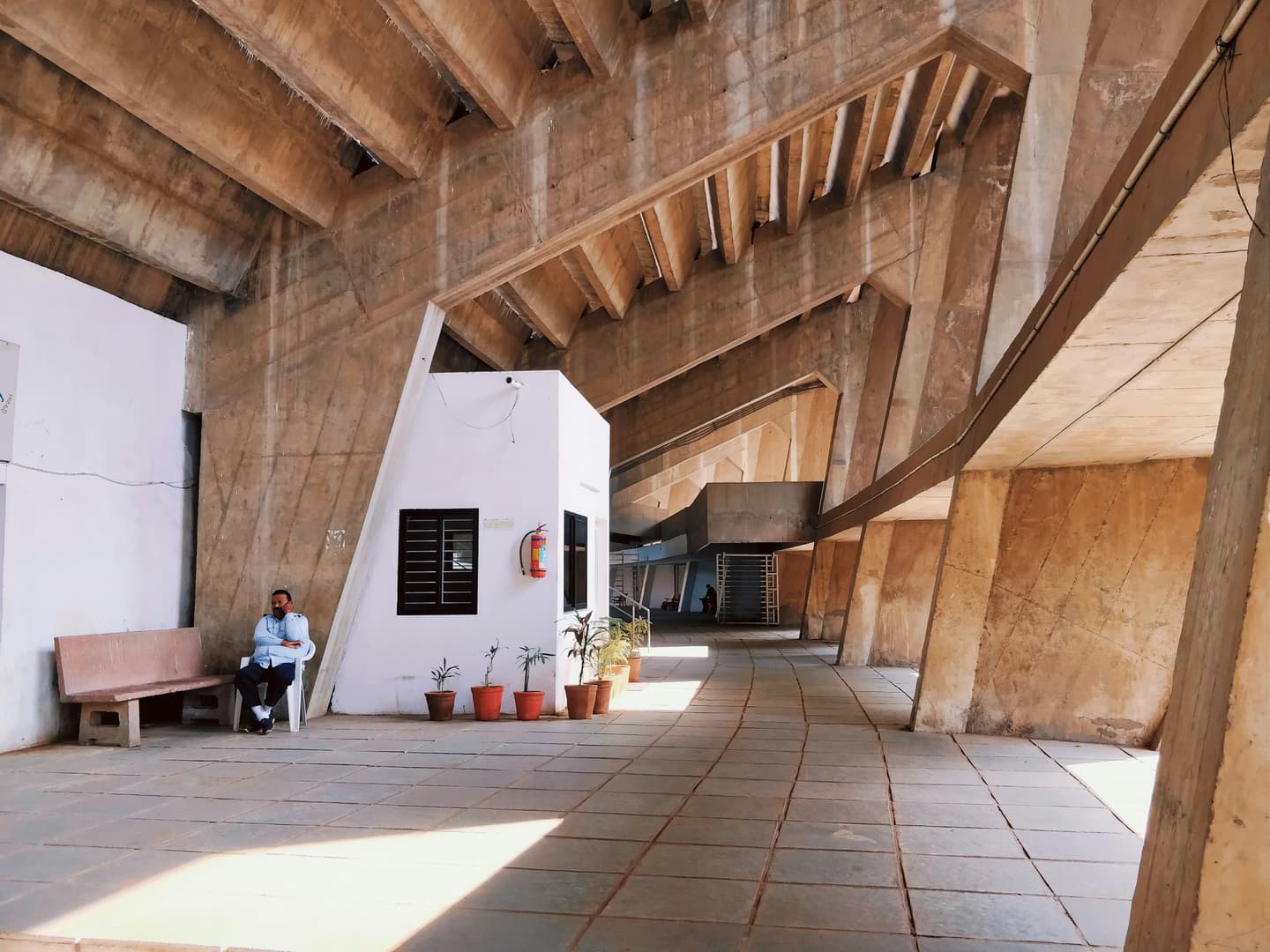
Ahmedabad, Gujarat's largest city, was founded in 1411 by Sultan Ahmed Shah and became India's first UNESCO World Heritage City, celebrated for its labyrinthine old-town pols, ornate stepwells, and Mughal-era mosques. It is the spiritual home of Mahatma Gandhi, whose Sabarmati Ashram still draws pilgrims and history lovers from across the globe. Beyond its ancient core, modern Ahmedabad pulses with Science City, the Sabarmati Riverfront, a growing metro network, and the GIFT City financial hub. Gujarati cuisine — from khaman dhokla to the famous thali — makes it one of India's great culinary destinations.
More cities for these months: Where to go in January · Where to go in February · Where to go in October · Where to go in November · Where to go in December
Insider tips · Wanderlust Pro
Practical tips on the sights and neighbourhoods in this Ahmedabadguide — when to go, what most visitors miss. Written with AI about the guide's own places; double-check details before you go. Pro members see every tip.
The quick answers travelers want before they commit to flights, neighborhoods, and how long to stay.
Ahmedabad is served by Sardar Vallabhbhai Patel International Airport (AMD), located roughly 13–18 km north of the city centre. The airport connects to major Indian cities and has international flights. From the Domestic Terminal, BRTS (Bus Rapid Transit) buses run into the city: Line 15 heads east toward ISKCON Cross Road and Line 18 runs through the historic city centre to Maninagar via Kalupur Railway Station. BRTS buses run daily from 06:00–23:00 with departures every 15–30 minutes; a ticket costs ₹50 (~$0.60 USD). Taxis and app-based cabs (Ola, Uber) are also widely available from the airport. By rail, Ahmedabad Junction (Kalupur) is a major hub on India's Western Railway, with frequent express and superfast trains connecting Mumbai (~7–8 hrs), Delhi (~12–14 hrs via Rajdhani), and other cities.
Ahmedabad has a growing metro network spanning 67+ km across Blue, Red, and Violet lines, with 54 stations covering key areas from Vastral Gam in the east to Thaltej in the west and north to Gandhinagar's Mahatma Mandir (completed January 2026). Metro fares are distance-based, ranging from ₹10 to ₹25 (~$0.12–$0.30 USD); NCMC smart cards offer discounted travel. The BRTS (Ahmedabad Janmarg) network complements the metro with rapid buses across major corridors, while AMTS buses provide wider coverage at low fares. App-based cabs (Ola, Uber) are reliable and affordable for point-to-point travel. Auto-rickshaws are ubiquitous for short trips. The old city's narrow pol lanes are best explored on foot or by renting a bicycle.
Winter — November through February — is overwhelmingly the best time to visit Ahmedabad. Temperatures hover between 15 °C and 30 °C, the air is dry, and the city's iconic heritage sites, riverfront, and open-air restaurants are at their most inviting. January is the undisputed highlight: the International Kite Festival (Uttarayan, 14 January) draws kite flyers from around the world and transforms the sky into a riot of colour. October also sees a surge of festive energy during Navratri, with grand Garba nights that are a cultural spectacle unlike anything else in India. Avoid March–May if you can: summers are brutal, with temperatures routinely hitting 43–47 °C and occasionally topping 50 °C. The monsoon (June–September) brings heavy rain, high humidity, and occasional Sabarmati flooding, though the city is quieter and greener — a trade-off some travellers appreciate.
Start with the free guided Heritage Walk (departs ~8 AM from Swaminarayan Mandir, Kalupur), winding through traditional pols and ending at Jama Masjid — about 2.5–3 hours of living history.
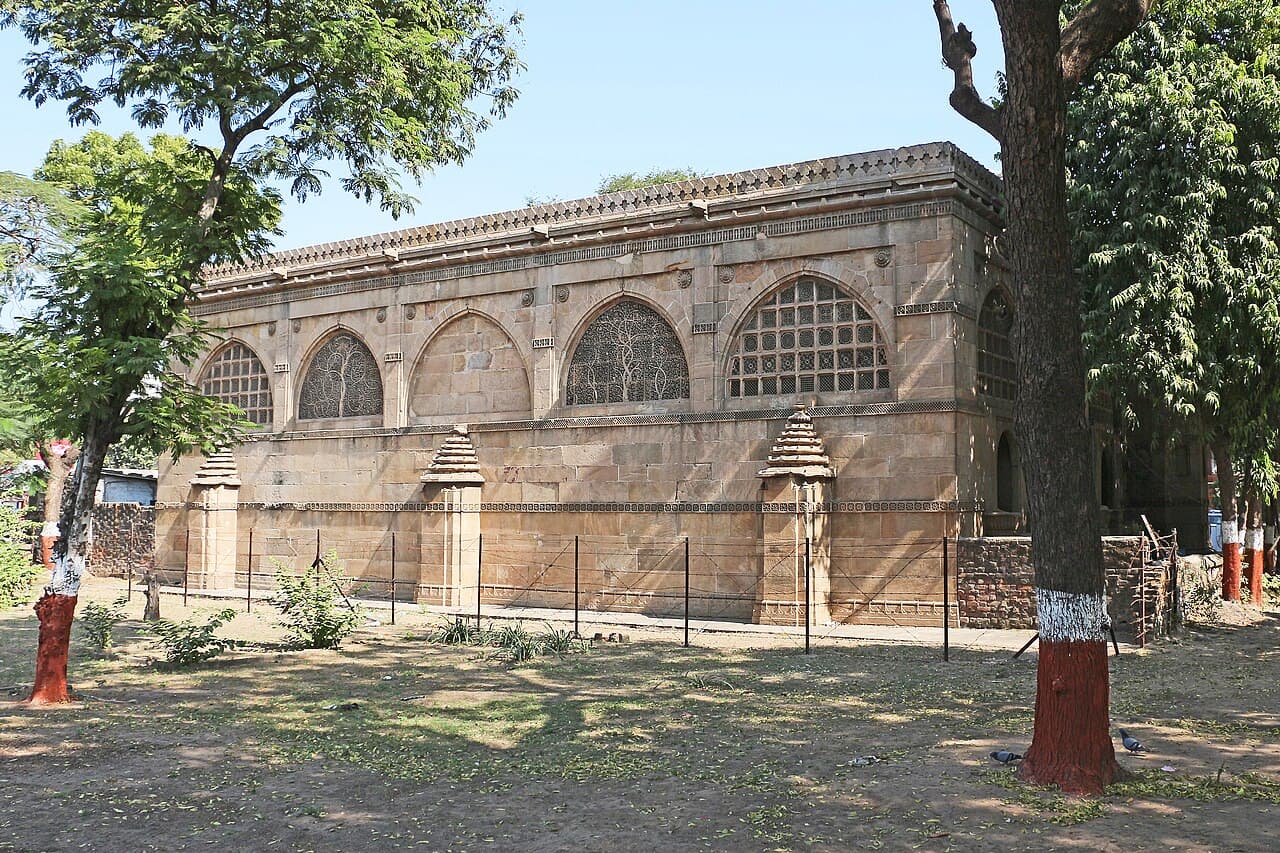
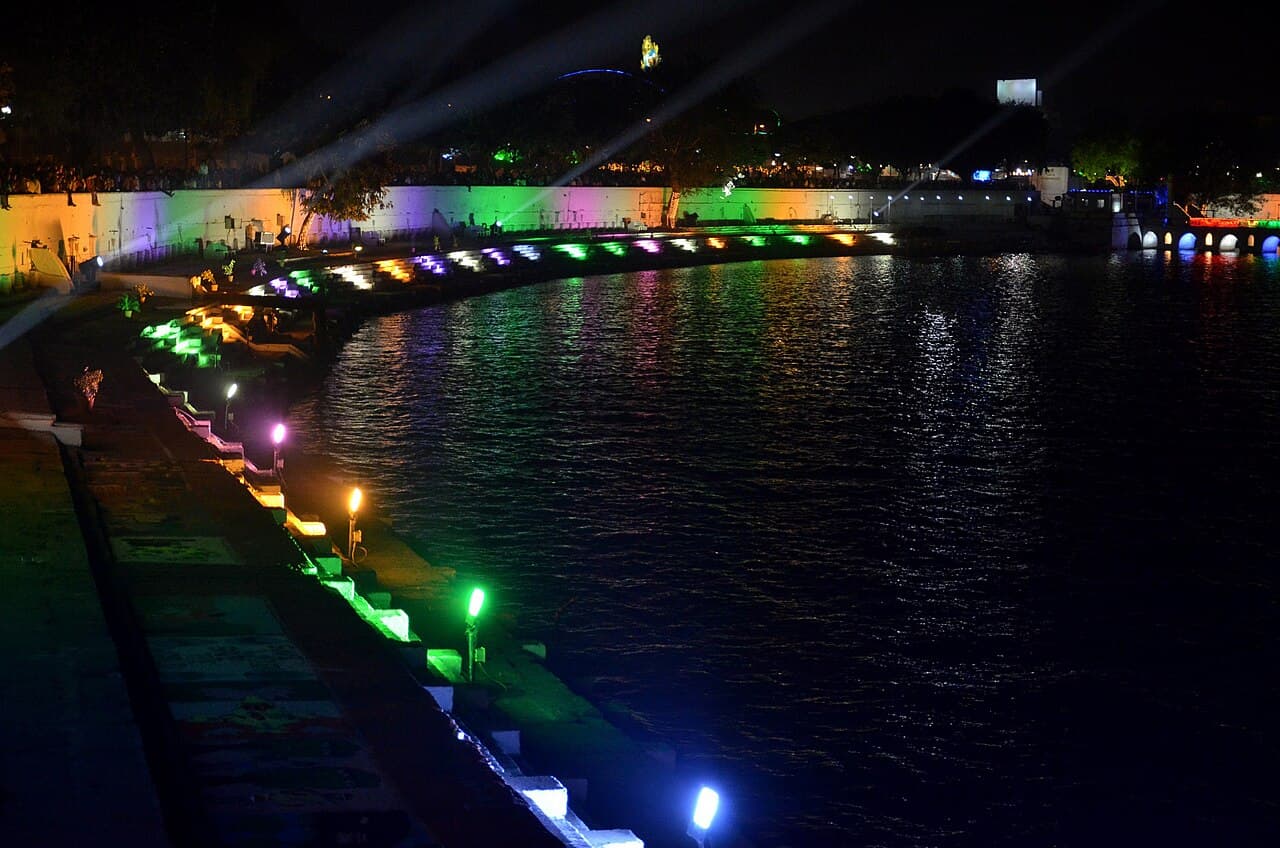
Visit the intricate stone-lattice Sidi Saiyyed Mosque, then head to Sabarmati Ashram to walk the grounds where Gandhi planned the Salt March; entry is free. Stroll along the adjacent Sabarmati Riverfront.
Browse the Law Garden Night Market for Bandhej saris, block-print fabrics, and Gujarati handicrafts, then sit down for a full Gujarati thali dinner at a traditional restaurant nearby.
Make an early trip (taxi or BRTS) to Adalaj Stepwell on the city's northern outskirts — the 15th-century Indo-Islamic architecture is breathtaking and best photographed in morning light.
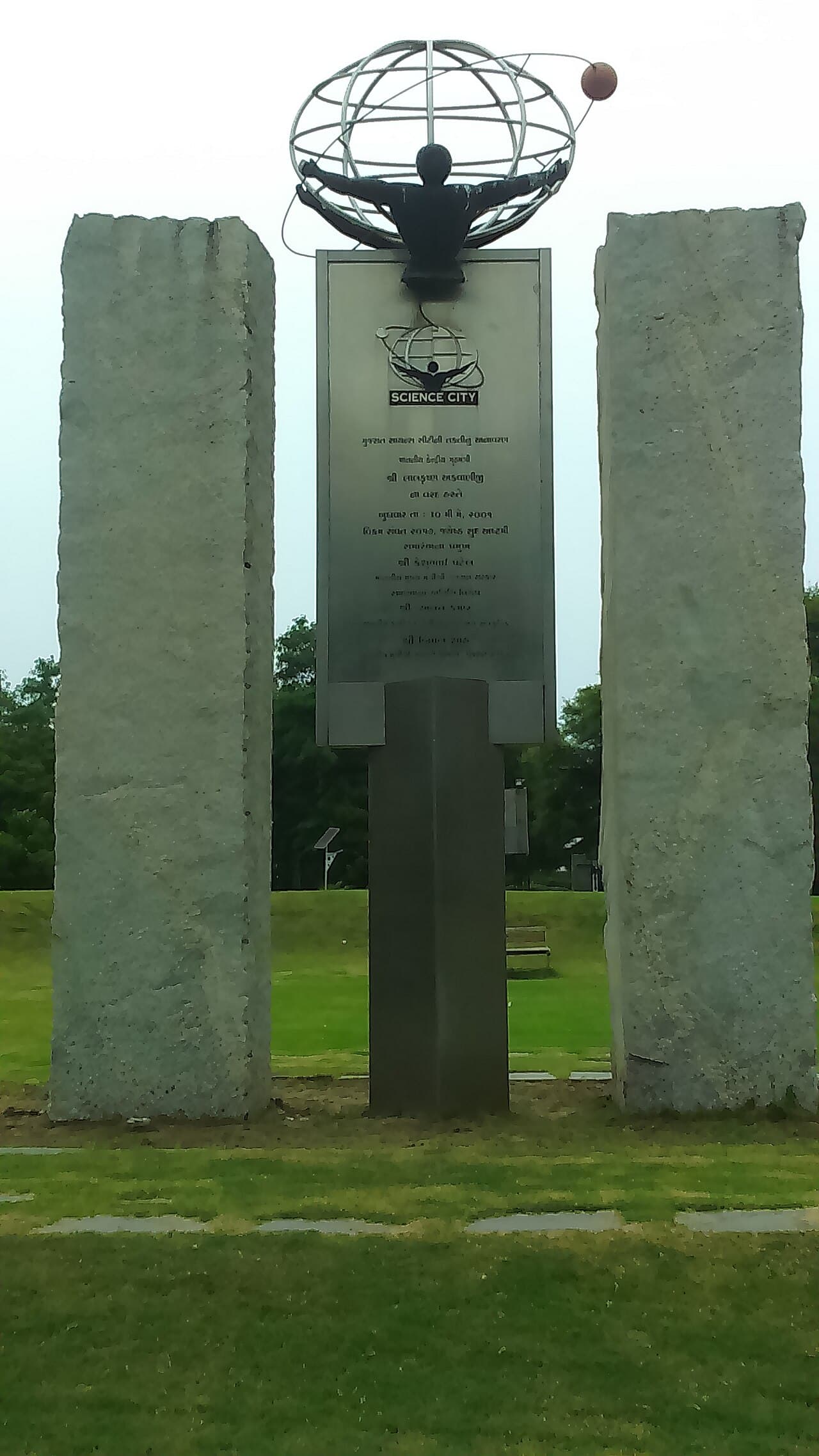
Head to Gujarat Science City for its interactive exhibitions, IMAX 3D theatre, and energy park — a highlight for curious minds of all ages.
Spend the golden hour at Kankaria Lake: take a tethered balloon ride or toy-train circuit, explore the lakeside promenade, and grab street snacks at the surrounding stalls.
Visit the world-class Calico Museum of Textiles (advance booking required) — one of the finest textile collections in Asia — followed by the Hutheesing Jain Temple and its exquisite white marble carvings.
Explore the grand Akshardham Temple complex, then browse the stalls of Manek Chowk, the old city's vibrant market square, for silver jewellery, spices, and local snacks.
Wind down with a sunset walk through Navrangpura or Prahlad Nagar, try Ahmedabad's legendary street food (khaman, fafda-jalebi), and cap the night at one of the city's rooftop cafes.
Real coworking spaces, laptop-friendly cafés, and libraries mapped near the center of the city — the closest, best-rated desks first.
No coworking-ready spots surfaced for this city yet.
Pick a different category or check back once we’ve indexed more desks for this city.
Ask for cafés, quiet neighborhoods, date-night spots, or a first 48-hour plan.
Mention calls, Wi-Fi needs, or how much of the day has to stay laptop-friendly.
Get faster answers on where to stay, when to move neighborhoods, and what to skip.
Written by signed-in Wanderlust members. We don't check that a reviewer has visited.
No reviews of Ahmedabad yet.
Tell the planner your dates, who's coming, your budget and pace, and it drafts a day-by-day itinerary you can edit.
Wanderlust Pro
Insider tips for Ahmedabad, unlimited AI-built itineraries, and travel companions you can invite to plan a trip together. From $5.00/month, billed annually.
Insider tips · Wanderlust Pro
Practical tips on the sights and neighbourhoods in this Ahmedabadguide — when to go, what most visitors miss. Written with AI about the guide's own places; double-check details before you go. Pro members see every tip.