City guide · Updated June 2026
AsiaIndia27.2° · 78°
Agra,India.
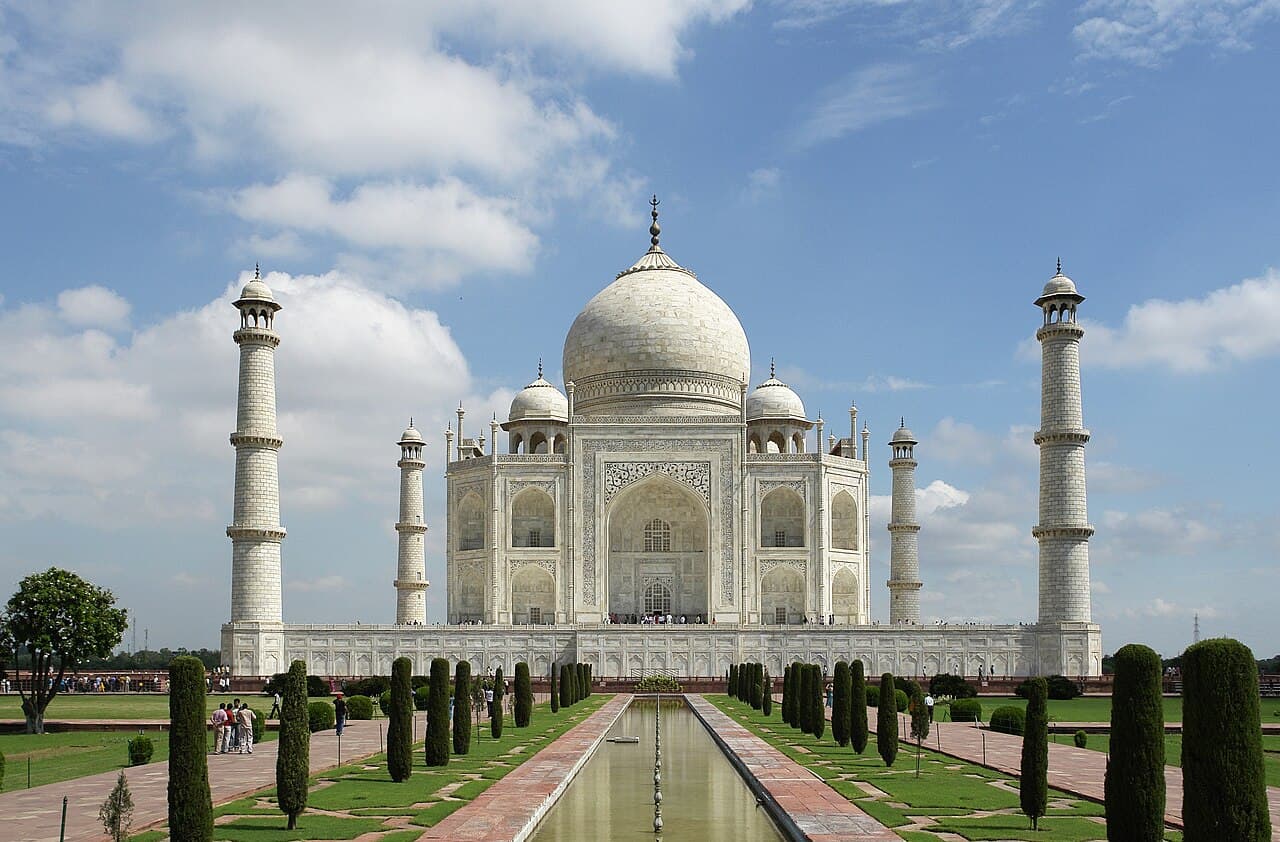
Home of the Taj Mahal — Agra packs three UNESCO World Heritage Sites and a millennium of Mughal splendor into one unmissable Indian city.
Agra · IN
AgraIndia
★
Pandit Deendayal Upadhyay Airport (AGR) — Agra's own domestic airport, ~12.5 km from the city center. Indira Gandhi International Airport (DEL) in New Delhi (~2NEAREST AIRPORT
Population
1,313,250
Total residents
Global rank
#814
Wanderlust index
Best time
October to March, when…
Peak window
Time zone
Asia/Kolkata
Local time
Currency
Indian Rupee (INR)
Money in use
Language
Hindi
Spoken locally
01 · Overview
About Agra
Home of the Taj Mahal — Agra packs three UNESCO World Heritage Sites and a millennium of Mughal splendor into one unmissable Indian city.
Agra sits on the banks of the Yamuna River in Uttar Pradesh and is internationally renowned as the home of the Taj Mahal, one of the Seven Wonders of the World. Beyond its iconic mausoleum, the city holds two more UNESCO World Heritage Sites — Agra Fort and Fatehpur Sikri — along with grand gardens, bazaars, and a living craft tradition of marble inlay and leather goods. Most visitors come as part of India's classic Golden Triangle circuit (Delhi–Agra–Jaipur), though the city rewards anyone willing to linger longer and explore its deeper Mughal heritage.
02 · Wanderlust scorecard
How Agra scores
Ratings run 0 to 5 unless marked. They come from our AI-assisted research and are refreshed on a rolling basis.
5
/ 5
Cost of living
Affordability, 0–5. Higher means cheaper.
4
/ 5
Leisure
Leisure rating, 0–5.
8
Mbps
Connectivity
Median internet speed.
3
/ 5
Safety
Safety rating, 0–5. Higher is safer.
3.2
/ 5
Overall livability
Overall rating, 0–5.
2
/ 5
Air quality
Air-quality rating, 0–5. Higher is cleaner.
6.4
index
Index score
Wanderlust ranking, 0–10: overall, safety, internet, cost, leisure and air quality, weighted.
03 · Weather & when to go
Best time to visit Agra
Current weather and the forecast, and the months our research rates best for a visit.
Month by month
Best months Either side Other months
Jan
Feb
Mar
Apr
May
Jun
Jul
Aug
Sep
Oct
Nov
Dec
Sweet spot: October to March, when temperatures are mild (10–29°C), skies are clear, and conditions are ideal for sightseeing and photography..
More cities for these months: Where to go in January · Where to go in February · Where to go in March · Where to go in October · Where to go in November · Where to go in December
04 · Things to do
Things to do in Agra
Top sights from our AI-assisted research, and other places we have photos of.
Top sight
Top sight
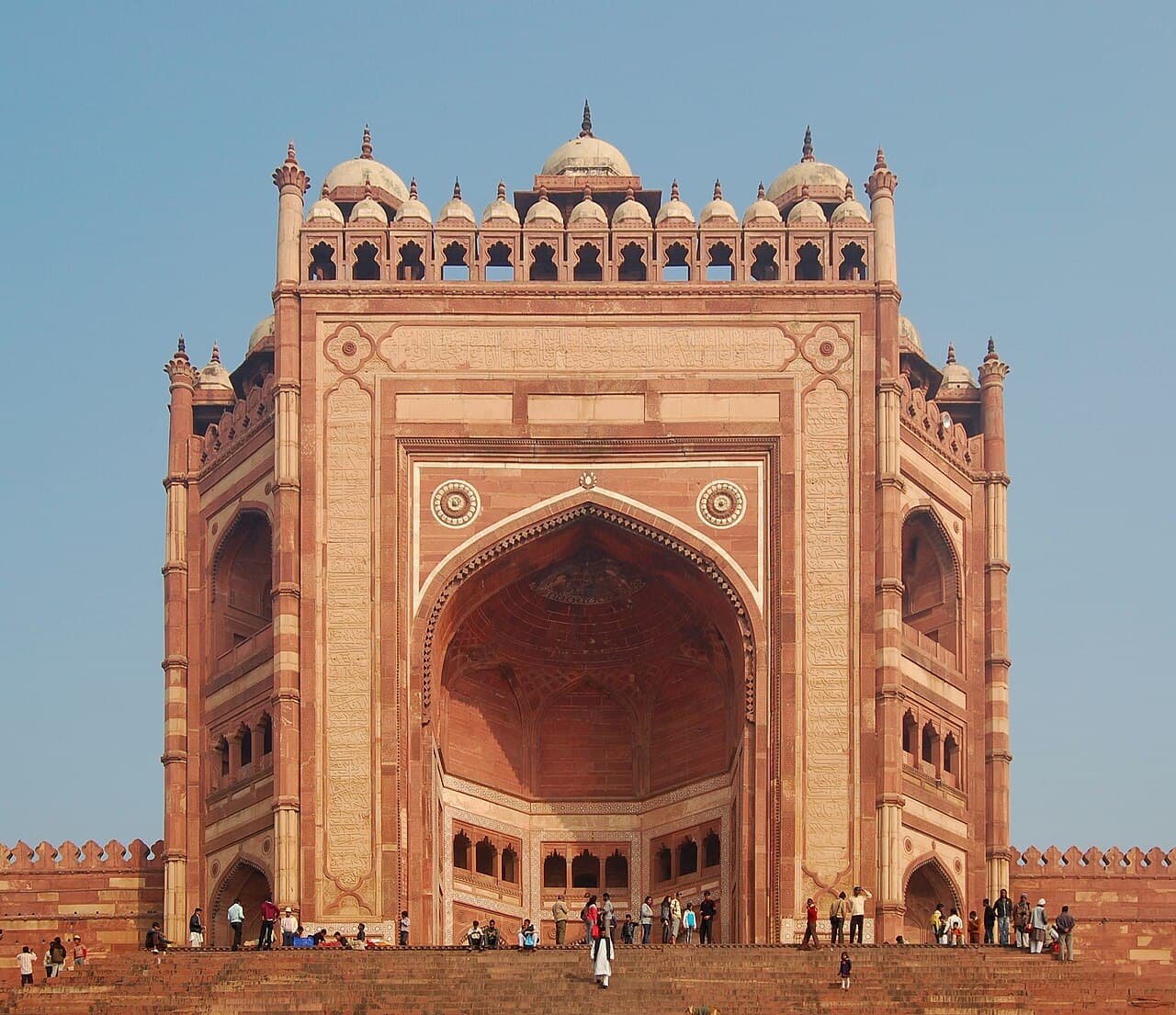
Agra Fort
Top sight
Top sight
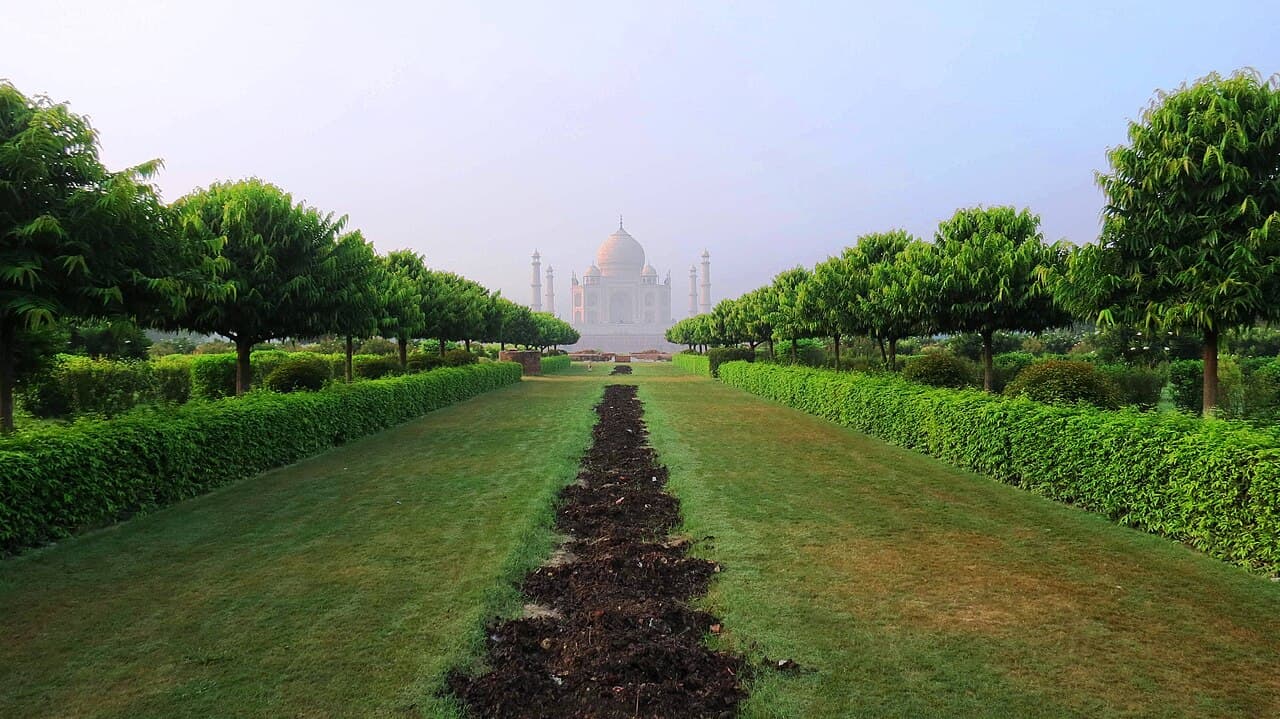
Tomb of Itimad-ud-Daulah (Baby Taj)
Top sight
Top sight
Jama Masjid
Top sight
Top sight
Sheroes Hangout Café
05 · Monthly cost of living
Cost of living in Agra
Estimated monthly totals in USD from our AI-assisted research, one per profile. Treat them as a starting point for a budget, not a quote.
$846
estimated monthly spend · USDProfileExpat
Price references — vs. profile benchmarks
Nomadmonthly spend · USD
$1,221
+44%
Expatmonthly spend · USD
$846
baseline
Familymonthly spend · USD
$1,425.2
+68%
Localmonthly spend · USD
$293.5
-65%
Median fiber speeddownload · Mbps
8
Mbps
06 · Neighborhoods
Where to stay in Agra
Neighborhoods our AI-assisted research lists as popular with visitors.
Tajganj
Subhash Bazar
Sadar Bazar
Civil Lines
07 · Insider tips
Sights and neighbourhoods, with a tip each.
Practical tips on places from this Agra guide, written with AI. One is free; Pro members see the rest. Double-check details before you go.
Insider tips · Wanderlust Pro
Practical tips on the sights and neighbourhoods in this Agraguide — when to go, what most visitors miss. Written with AI about the guide's own places; double-check details before you go. Pro members see every tip.
08 · Practical notes
Practical information for Agra
The essentials from this guide's data, in one place.
01
Getting there
- Nearest airport — Pandit Deendayal Upadhyay Airport (AGR) — Agra's own domestic airport, ~12.5 km from the city center. Indira Gandhi International Airport (DEL) in New Delhi (~2
02
Money
- Currency — Indian Rupee (INR)
- Affordability — 5/5 on the Wanderlust index (higher is cheaper)
03
Internet
- Median speed — 8 Mbps
- Internet score — 2/5
04
Safety
- Safety score — 3/5 from our AI-assisted research
05
Language
- Primary language — Hindi
06
Timing
- Best window — October to March, when temperatures are mild (10–29°C), skies are clear, and conditions are ideal for sightseeing and photography.
- Time zone — Asia/Kolkata
Questions
Frequently asked, plainly answered.
The quick answers travelers want before they commit to flights, neighborhoods, and how long to stay.
Is Agra safe for travelers?+
Agra has a safety rating of 3 out of 5.
What is the best time to visit Agra?+
The best time to visit Agra is October to March, when temperatures are mild (10–29°C), skies are clear, and conditions are ideal for sightseeing and photography..
How expensive is Agra?+
Agra has an affordability score of 5 out of 5, where 5 is most affordable.
What is the internet speed in Agra?+
Agra has an average internet speed of 8 Mbps.
What currency does Agra use?+
The currency used in Agra is Indian Rupee (INR).
What language is spoken in Agra?+
The primary language spoken in Agra is Hindi.
Researched city guide
Getting there, getting around and when to go
Written with AI-assisted web research. Where we have sources, they are listed under each part.
What works
- Home to three UNESCO World Heritage Sites within easy reach of each other
- Extremely affordable cost of living and travel — one of the cheapest destinations in India
- Iconic Golden Triangle location makes it easy to combine with Delhi and Jaipur
- Rich Mughal architecture, craft traditions, and street food scene
- Spectacular sunrise and sunset views of the Taj Mahal from multiple vantage points
What to weigh
- Persistent and aggressive touts and souvenir vendors, especially near the Taj Mahal
- Poor air quality — heavy pollution particularly in winter months
- Extreme heat from April to June makes outdoor sightseeing challenging
- Limited nightlife and entertainment options beyond heritage sights
- Taj Mahal is closed every Friday and has timed-entry restrictions with entry caps
- Traffic congestion and lack of formal public transit make getting around slow
Getting in
How to arrive
Most international travellers fly into Delhi's Indira Gandhi International Airport (DEL), roughly 220 km from Agra, and then take a train to Agra Cantt station. Indian Railways operates trains from New Delhi to Agra Cantt approximately hourly; tickets cost $1–$15 and the journey takes about 1 hour 50 minutes. There are more than 50 daily trains between Delhi and Agra. Agra also has its own small domestic airport — Pandit Deendayal Upadhyay Airport (AGR), also known as Kheria Airport — about 12.5 km from the city centre, with limited flights connecting to Delhi, Jaipur, and a few other Indian cities; a taxi from the airport to the city takes around 10–15 minutes. By road, buses connect Agra to Delhi, Jaipur, Gwalior, Lucknow, and Kanpur; the two main intercity bus terminals are Idgah Bus Stand (8 km from the Taj Mahal) and ISBT (12 km from the Taj Mahal). Driving from Delhi Airport takes approximately 2 hours 40 minutes.
Getting around
Moving through the city
Agra has no metro or local train network. The most convenient way to explore is by taxi or auto-rickshaw; app-based services like Ola and Uber operate in the city, and prepaid taxis are available at railway stations and the airport. The provincial government runs air-conditioned hop-on buses covering major sights for ₹500 per person, though these can feel rushed at top sites like the Taj Mahal and Agra Fort. Renting a taxi by the day is a popular and flexible alternative. For a more atmospheric experience, traditional horse-drawn tongas operate near the Taj Mahal and the old city. Note that the Taj Mahal is closed on Fridays.
When to go
Timing your trip
The best time to visit Agra is October through March, Agra's dry season, when temperatures stay between a comfortable 10–29°C, rainfall is minimal, and clear skies deliver perfect conditions for photographing the Taj Mahal. November and December bring crisp, misty mornings — early risers are rewarded with the Taj glowing against a fog-draped Yamuna River. January can dip cool at night but remains very pleasant by day. The annual Taj Mahotsav cultural festival, held in February, adds a lively dimension. Avoid April through June, when daytime temperatures regularly exceed 40°C (and can spike to 45°C in May). Monsoon season runs July to September, bringing heavy rain and high humidity — though the marble of the Taj does take on a magical quality in the rain, and crowds thin considerably. If visiting outside the peak winter season, plan all outdoor sightseeing for early morning hours.
Plan your trip
3 days in Agra: a sample itinerary
A ready-made starting point. Make it your own — clone it into an editable journey and reshape every stop.
Day 01
Day 1 – The Taj Mahal & Agra Fort
Morning
Arrive at the Taj Mahal gates before sunrise for the most atmospheric light and thinner crowds. Spend 2–3 hours exploring the mausoleum, gardens, and the Taj Museum inside the complex.
Afternoon
Head to Agra Fort (2.5 km away), the great red sandstone fortress built by Emperor Akbar — a UNESCO World Heritage Site in its own right. Explore the Diwan-i-Aam, Diwan-i-Khas, and the tower from which Shah Jahan was said to gaze at the Taj in his final years.
Evening
Walk or take an auto-rickshaw to Mehtab Bagh, the moonlit garden directly across the Yamuna, for a spectacular Taj Mahal sunset view. Finish the evening with dinner in Tajganj and a stop at a local sweet shop to try petha candy.
Day 02
Day 2 – Baby Taj, Jama Masjid & the Old City Bazaars
Morning
Visit the Tomb of Itimad-ud-Daulah (the 'Baby Taj') — the first Mughal monument in India built entirely of white marble, intricately inlaid with semi-precious stones. Its intimacy and craftsmanship rival the Taj itself.
Afternoon
Explore Jama Masjid, the 17th-century Friday Mosque built by Shah Jahan, then wander through the Kinari Bazar and Subhash Bazar for marble crafts, leather goods, and Pietra Dura inlay work. Stop at Sheroes Hangout Café, a social enterprise run by acid attack survivors.
Evening
Enjoy a rooftop dinner with Taj Mahal views in Tajganj, then consider an after-dark visit to the Taj (moonlit viewing tickets are available on select nights around the full moon).
Day 03
Day 3 – Fatehpur Sikri & Akbar's Tomb
Morning
Take a day trip to Fatehpur Sikri, 40 km from Agra — the stunning ghost city founded by Emperor Akbar in 1571, now a UNESCO World Heritage Site. Highlights include the Buland Darwaza, Jodha Bai's Palace, Tomb of Salim Chisti, and the Panch Mahal.
Afternoon
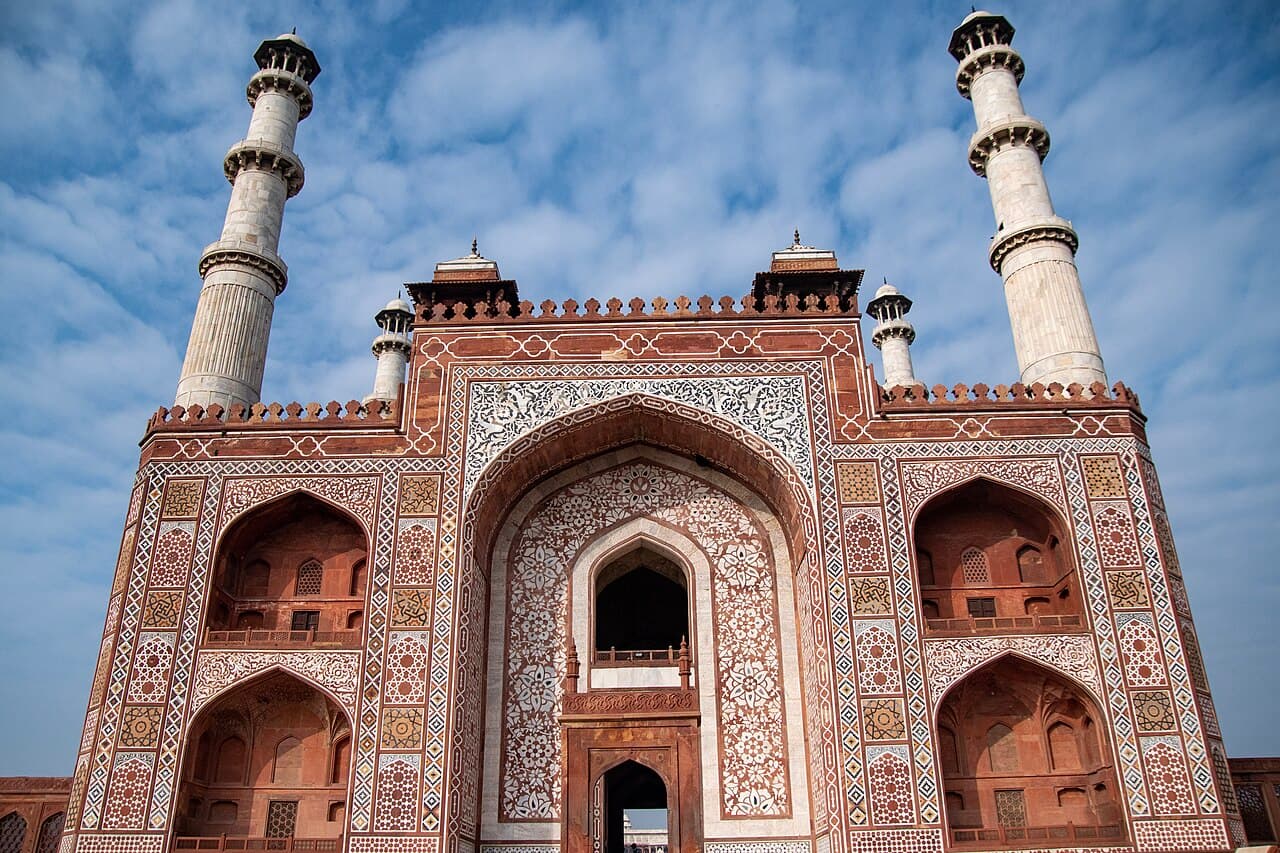
On the return journey, stop at Akbar's Tomb in Sikandra, set within 119 acres of landscaped grounds and combining Hindu, Islamic, Buddhist, and Christian architectural motifs.
Evening
Return to Agra for a final stroll through the local markets, sample chaat at a roadside stall along the ghats, and pack up for an onward journey to Jaipur or Delhi.
Work-ready layer
Coworking spots and laptop-friendly anchors.
Real coworking spaces, laptop-friendly cafés, and libraries mapped near the center of the city — the closest, best-rated desks first.
Spots surfaced0
Categories—
Mapped0
No coworking-ready spots surfaced for this city yet.
Map pending
No mapped workspace points yet.
Pick a different category or check back once we’ve indexed more desks for this city.
Concierge
Ask the Agra concierge.
Share your travel style, must-see spots, or work schedule and the concierge will help turn this guide into something personal.
Personal trip brief
Tell it what kind of trip you're trying to have, and it will tighten the plan.
01
Travel style
Ask for cafés, quiet neighborhoods, date-night spots, or a first 48-hour plan.
02
Work constraints
Mention calls, Wi-Fi needs, or how much of the day has to stay laptop-friendly.
03
Real tradeoffs
Get faster answers on where to stay, when to move neighborhoods, and what to skip.
Traveler reviews
Reviews of Agra
Written by signed-in Wanderlust members. We don't check that a reviewer has visited.
No reviews of Agra yet.
Plan a trip to Agra.
Tell the planner your dates, who's coming, your budget and pace, and it drafts a day-by-day itinerary you can edit.
Wanderlust Pro
Insider tips for Agra, unlimited AI-built itineraries, and travel companions you can invite to plan a trip together. From $5.00/month, billed annually.