Top sight
Top sight
Where medieval history meets mechanical imagination on the banks of the Loire.
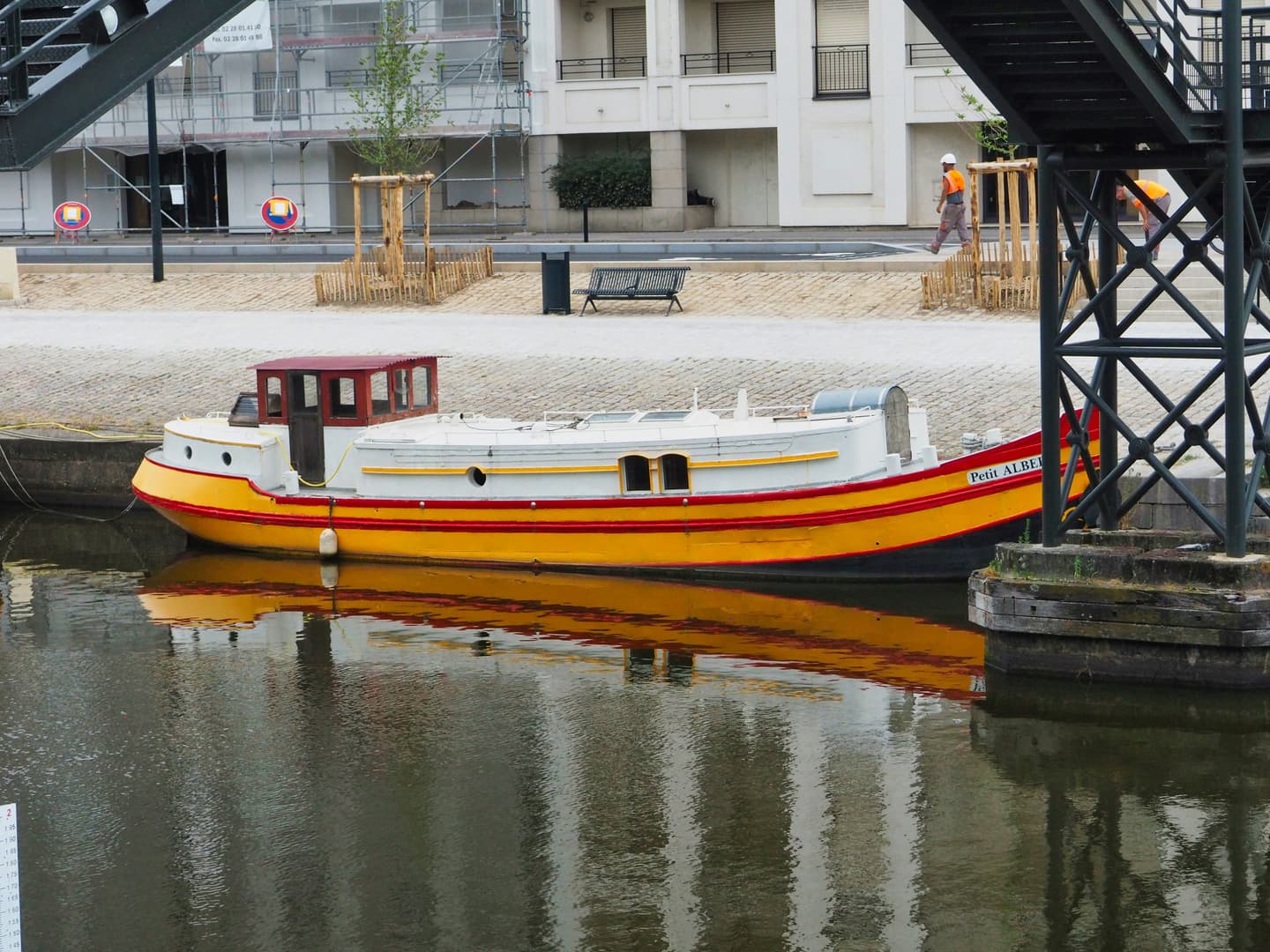
Nantes is a vibrant city in western France where centuries of history collide with bold creative energy. Once the capital of the Duchy of Brittany and a major Atlantic port, it has reinvented itself as one of France's most innovative cultural destinations, home to the fantastical Les Machines de l'Île and a thriving arts scene. The Loire and Erdre rivers frame a walkable city of Gothic cathedrals, Art Nouveau arcades, and lush botanical gardens. With a youthful population, excellent transport links to Paris, and a mild oceanic climate, Nantes is an increasingly compelling base for nomads and expats alike.
More cities for these months: Where to go in May · Where to go in June · Where to go in July · Where to go in August · Where to go in September
Insider tips · Wanderlust Pro
Practical tips on the sights and neighbourhoods in this Nantesguide — when to go, what most visitors miss. Written with AI about the guide's own places; double-check details before you go. Pro members see every tip.
The quick answers travelers want before they commit to flights, neighborhoods, and how long to stay.
The main gateway is Nantes Atlantique Airport (NTE), located 8 km southwest of the city centre in Bouguenais. A dedicated shuttle bus (Navette Aéroport) departs every 20 minutes to the central Gare Sud for €9 (card payment only; also covered by the Pass Nantes), taking around 20 minutes. Within France, SNCF operates approximately 18 TGV departures daily between Paris Montparnasse and Nantes, with a journey time of around 2 hours — book in advance for the best fares. International visitors without a direct flight can fly into Paris Charles de Gaulle and connect onward by train or domestic flight.
The Naolib network (formerly TAN) operates Nantes' comprehensive public transport, covering trams, buses, Chronobus rapid lines, two Busway lines, and the scenic Navibus river ferries on the Erdre and Loire. The tramway — four lines in total — is the fastest way to move between major attractions, with Commerce serving as the central interchange hub. A single ticket costs €1.70–€2.50 for one hour of travel; the Pass Nantes covers unlimited transit and is recommended for multi-day visits. Nantes is also a cyclist-friendly city: rental bikes are widely available and the Loire à Vélo riverside cycling route passes through the city. Note: Tram Line 1 is suspended between Commerce and François Mitterrand/Jamet stops from mid-June to late August 2026 due to infrastructure works, with replacement shuttle buses in operation. In May 2025, tram line 1 was extended 1.4 km across the Erdre River to connect with the new Babinière multimodal hub in La Chapelle-sur-Erdre.
Nantes enjoys a mild suboceanic climate shaped by its proximity to the Atlantic, roughly 45 km from the coast. The sweet spot for most visitors is May through September. May and June are arguably the finest months: gardens bloom, temperatures hover pleasantly around 17–20°C, and the city's festival calendar kicks into gear before the peak-summer crowds arrive. July and August bring the longest days (sunsets past 10 pm), warm temperatures averaging 17–25°C, and a buzzing terrace culture — though hotel prices tick upward. September offers a golden shoulder-season reward: lighter crowds, grape harvest festivities in the nearby Muscadet wine region, and still-comfortable weather. Winter is the wettest season, with rainfall peaking around December and temperatures ranging 5–10°C, but La Folle Journée — France's largest classical music festival — draws visitors in late January or February, and the city's wealth of indoor museums means there's always something to explore.
Start at the Château des Ducs de Bretagne — explore the ramparts and the Nantes History Museum inside, which traces the city's Breton legacy and its role in the Atlantic slave trade.
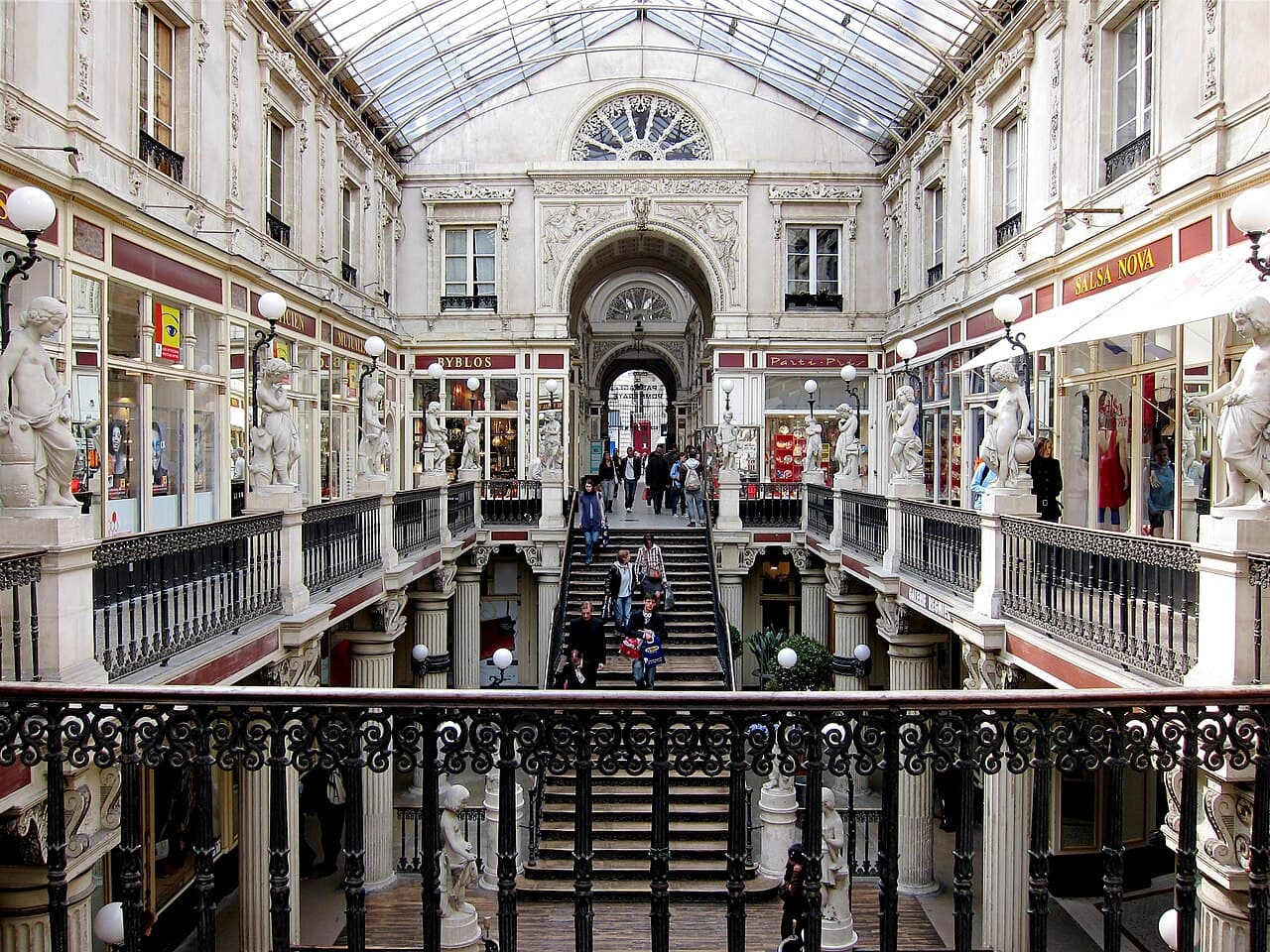
Walk to the Gothic Cathédrale Saint-Pierre et Saint-Paul, then stroll through the elegant Art Nouveau Passage Pommeraye. Browse the boutiques and grab lunch at a nearby café.
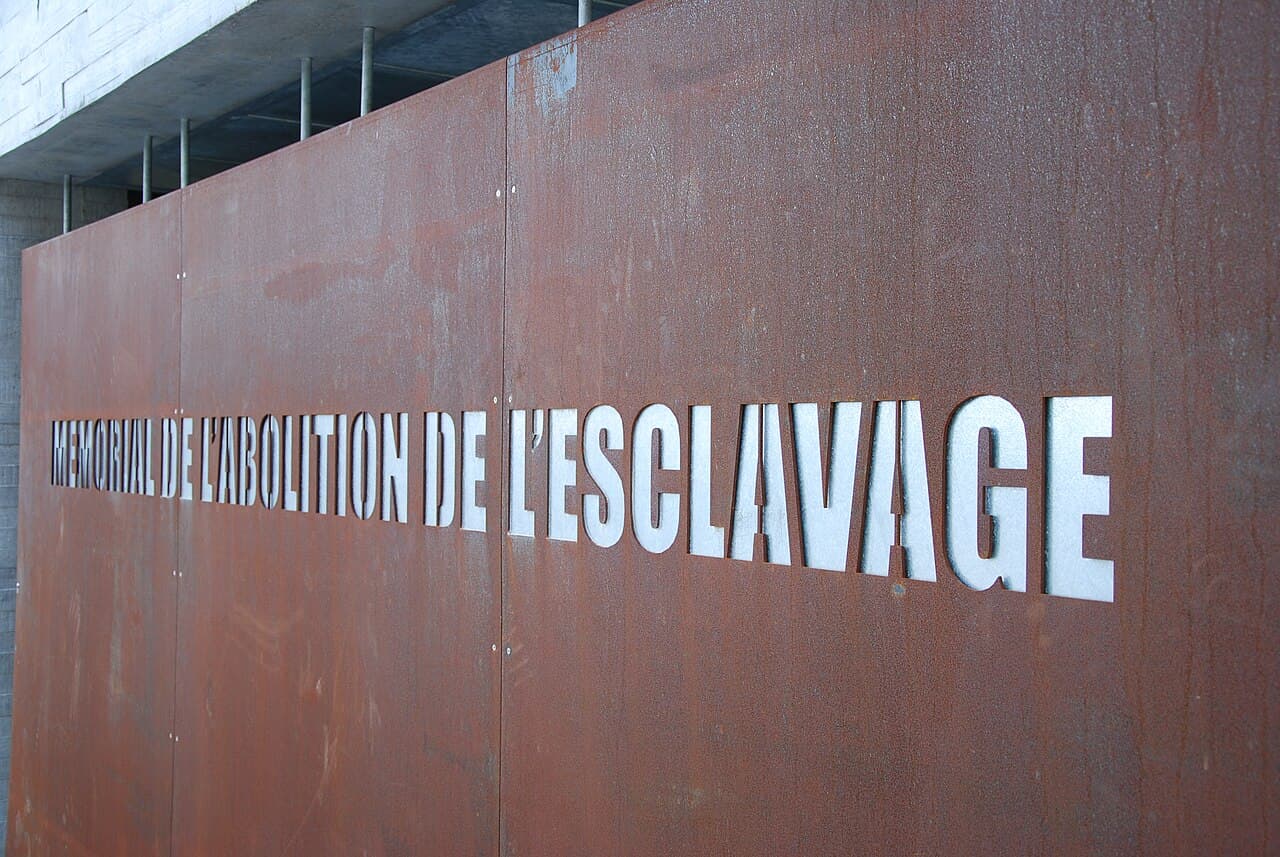
Head down to the Mémorial to the Abolition of Slavery along the Loire quays for a sobering and powerful riverside experience, then choose a terrace restaurant in Bouffay for dinner and local Muscadet wine.
Arrive early at Les Machines de l'Île to ride the Giant Mechanical Elephant (weekends only for the walk; buy tickets in advance). Explore the Gallery of Machines and the three-storey Marine Worlds Carousel.
Wander through the Quartier de la Création on Île de Nantes, the revitalised former shipyard district full of contemporary architecture and street art. Visit Le Lieu Unique — a national arts centre — for an exhibition or coffee.
Take the Navibus river ferry for a scenic crossing back to the city centre. Dine at one of the riverside restaurants on Quai de la Fosse.
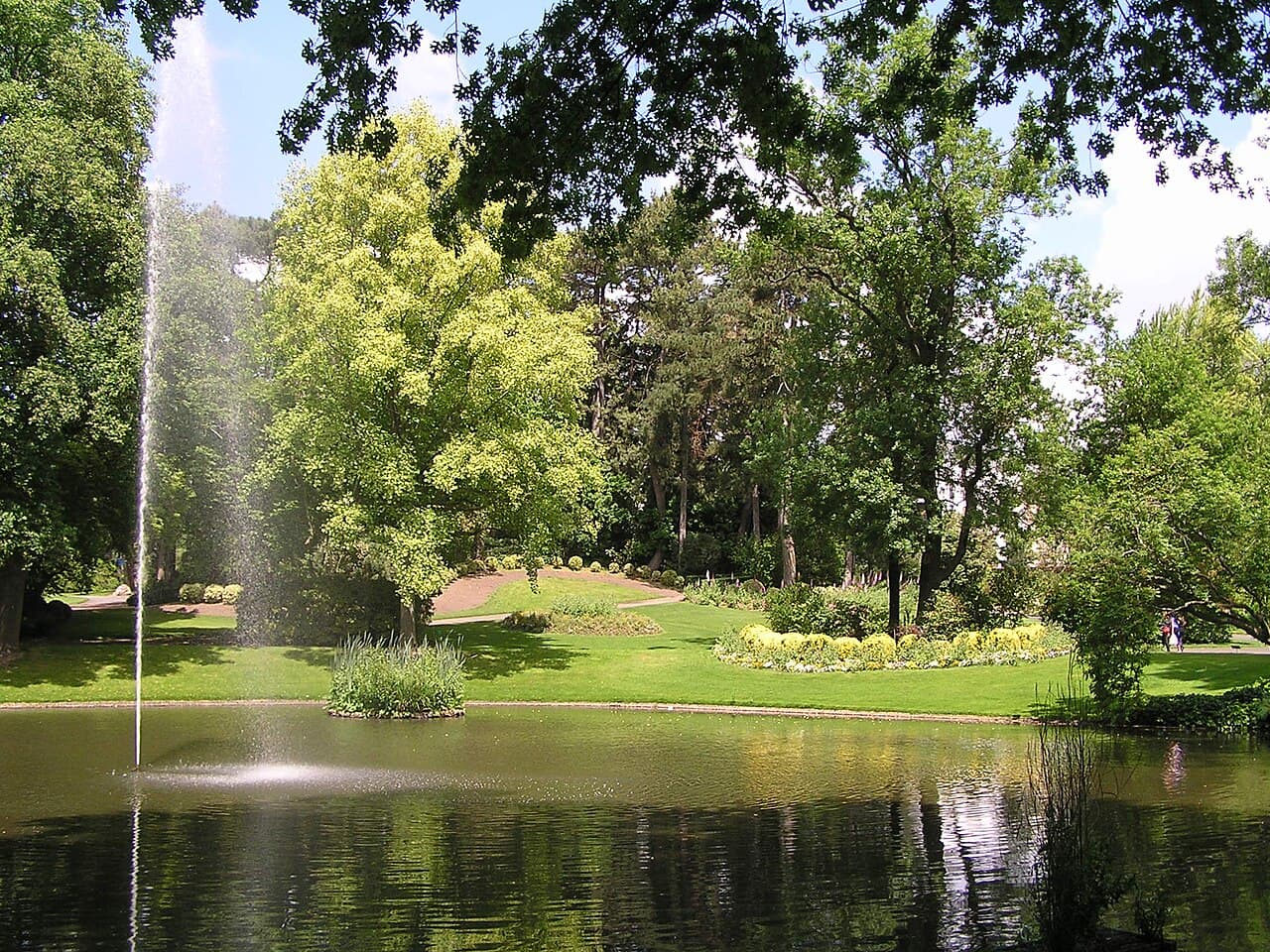
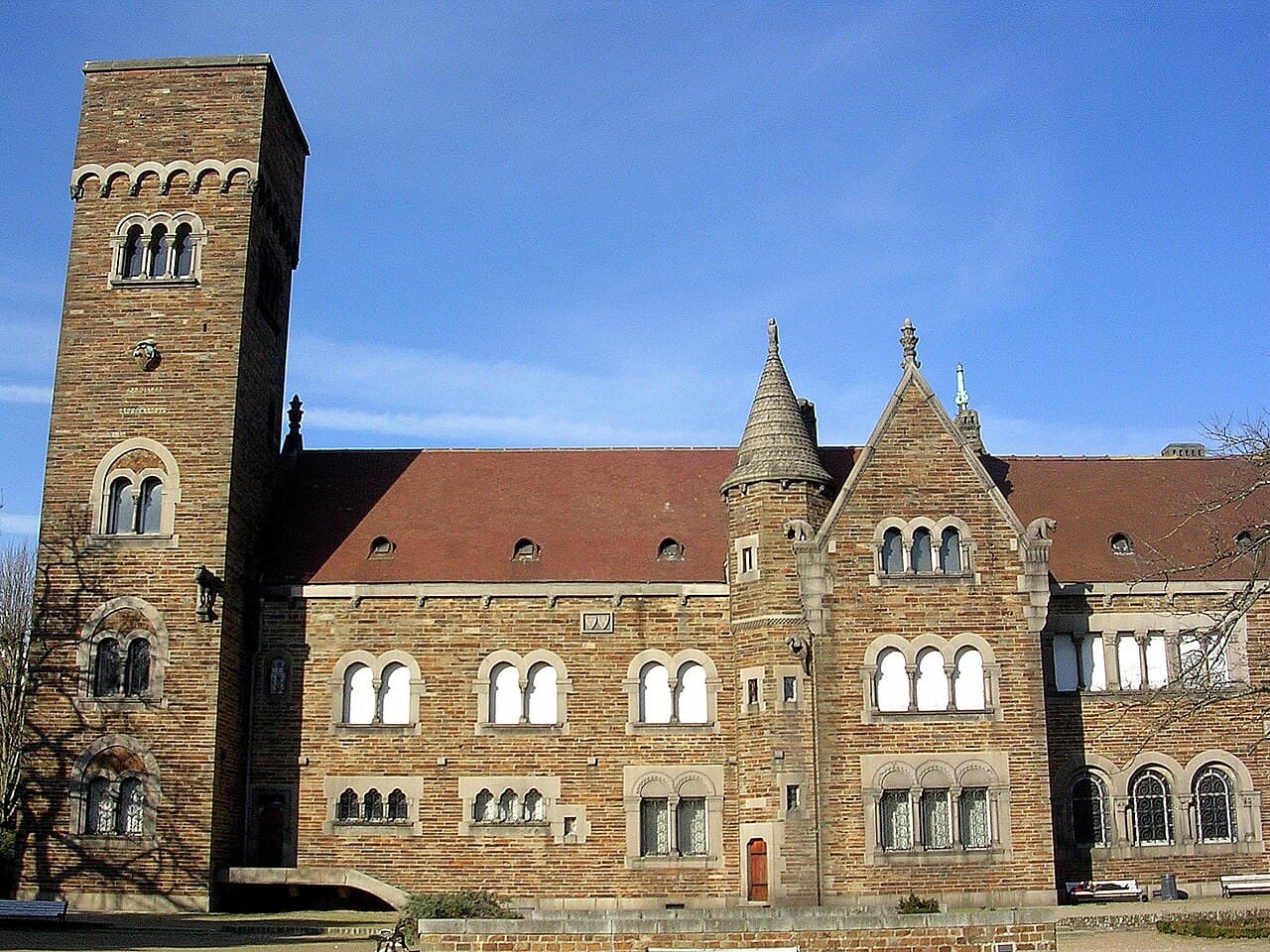
Spend a relaxed morning in the Jardin des Plantes, one of France's finest botanical gardens. Then visit the Musée Dobrée in the upscale Graslin neighbourhood — a beautifully restored neo-medieval palace with 2,000+ works spanning prehistory to the 20th century.
Explore the Graslin quarter on foot, admiring the neoclassical Théâtre Graslin (built 1788). Stop at Hauts-Pavés–Saint-Félix to browse the Talensac market (mornings only) for local cheeses and seafood, or explore the peaceful Japanese Garden on Île de Versailles.
Climb the Tour de Bretagne for rooftop views from Le Nid bar, then close out your trip with dinner in a neighbourhood bistro and a final glass of Gros Plant.
Real coworking spaces, laptop-friendly cafés, and libraries mapped near the center of the city — the closest, best-rated desks first.
No coworking-ready spots surfaced for this city yet.
Pick a different category or check back once we’ve indexed more desks for this city.
Ask for cafés, quiet neighborhoods, date-night spots, or a first 48-hour plan.
Mention calls, Wi-Fi needs, or how much of the day has to stay laptop-friendly.
Get faster answers on where to stay, when to move neighborhoods, and what to skip.
Written by signed-in Wanderlust members. We don't check that a reviewer has visited.
No reviews of Nantes yet.
Tell the planner your dates, who's coming, your budget and pace, and it drafts a day-by-day itinerary you can edit.
Wanderlust Pro
Insider tips for Nantes, unlimited AI-built itineraries, and travel companions you can invite to plan a trip together. From $5.00/month, billed annually.
Insider tips · Wanderlust Pro
Practical tips on the sights and neighbourhoods in this Nantesguide — when to go, what most visitors miss. Written with AI about the guide's own places; double-check details before you go. Pro members see every tip.