 City postcard
Milwaukee
Brew City on the lake — where festivals, world-class museums, and neighborhood grit collide.
Brew City on the lake — where festivals, world-class museums, and neighborhood grit collide.
Milwaukee is a vibrant Midwestern city of nearly 600,000 sitting on the western shore of Lake Michigan, blending a storied brewing heritage with a thriving arts scene, diverse neighborhoods, and year-round festivals. From the iconic Milwaukee Art Museum and the Harley-Davidson Museum to the eclectic galleries of the Historic Third Ward and the craft-beer culture of the Brewery District, the city punches well above its weight culturally. Its compact, walkable downtown, affordable cost of living relative to coastal peers, and easy access from Chicago make it a compelling destination for travelers, remote workers, and expats alike.
City postcardBrew City on the lake — where festivals, world-class museums, and neighborhood grit collide.
 Top sight
A signature stop locals and returning travelers point to in Milwaukee.
 Top sight
A signature stop locals and returning travelers point to in Milwaukee.
 Top sight
A signature stop locals and returning travelers point to in Milwaukee.
 Top sight
A signature stop locals and returning travelers point to in Milwaukee.
A signature stop locals and returning travelers point to in Milwaukee.
Photo: Milwaukee Art Museum · Public domain
A signature stop locals and returning travelers point to in Milwaukee.
Photo: Dori · CC BY-SA 3.0 us
A signature stop locals and returning travelers point to in Milwaukee.
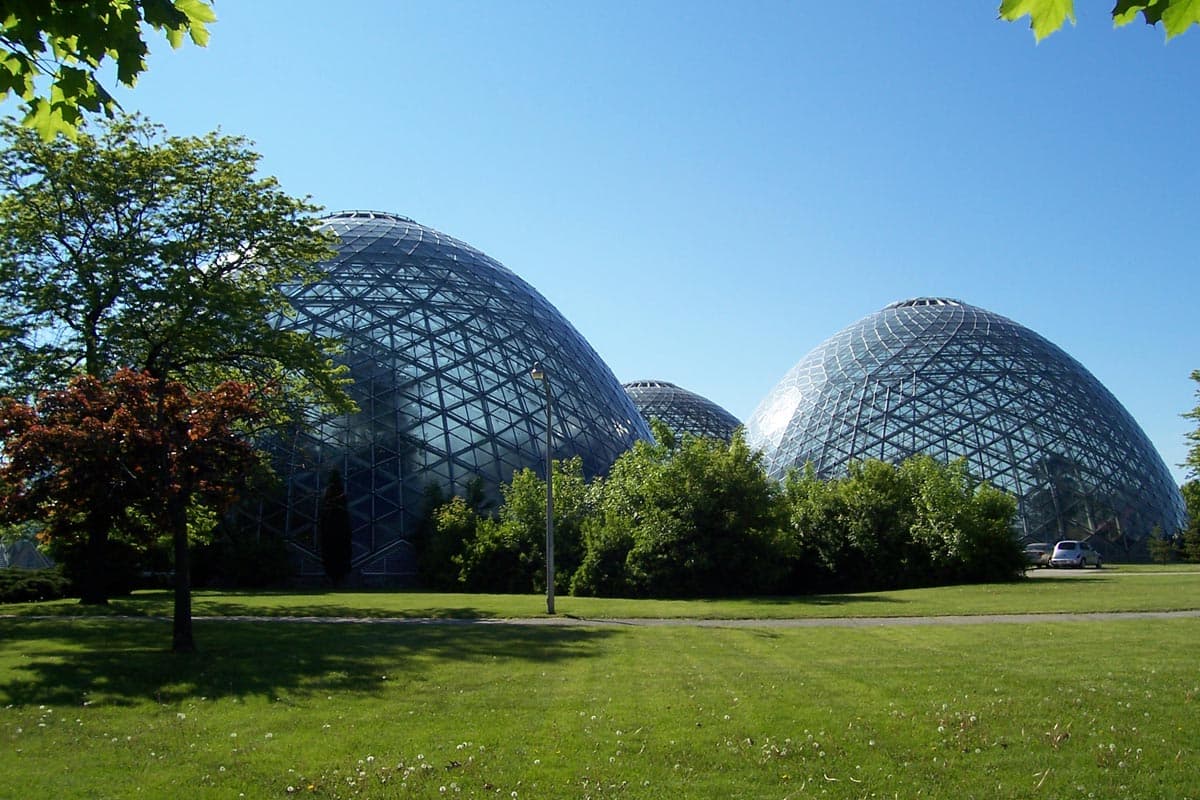
A signature stop locals and returning travelers point to in Milwaukee.
Photo: Sulfur (Talk / contribs) · CC BY-SA 3.0
A signature stop locals and returning travelers point to in Milwaukee.
A signature stop locals and returning travelers point to in Milwaukee.
A pocket of Milwaukee with its own temperament — worth a deliberate detour when you're in the area.
A pocket of Milwaukee with its own temperament — worth a deliberate detour when you're in the area.
A pocket of Milwaukee with its own temperament — worth a deliberate detour when you're in the area.
A pocket of Milwaukee with its own temperament — worth a deliberate detour when you're in the area.
Wanderlust Pro
Pro members see insider tips for Milwaukee: a short list of restaurants, cafés and sights, picked by AI as local suggestions to double-check before you go.
The quick answers travelers want before they commit to flights, neighborhoods, and how long to stay.
Milwaukee Mitchell International Airport (MKE) is located just 6–8 miles south of downtown, roughly a 15-minute drive under normal conditions. The airport offers nonstop service to more than 30 U.S. cities on major carriers including American, Delta, Southwest, United, and Spirit. From the airport, Uber and Lyft pick up outside Baggage Claim Exit 1, with fares typically running $20–$40 to downtown. MCTS Route 80 provides public bus service connecting the airport to downtown and the MATC campus. Amtrak's Hiawatha and Borealis services stop at the Milwaukee Airport Rail Station (5601 S. 6th St.), with a free shuttle bus running every 5–10 minutes, 24 hours a day, between the rail station and the terminal. Shuttle and coach services include GO Riteway (door-to-door to southeastern Wisconsin and northern Illinois, 1-800-236-5450) and Coach USA/Wisconsin Coach Lines (connecting to Waukesha, Kenosha, and Chicago O'Hare).
Downtown Milwaukee is compact and walkable, and the 3-mile Milwaukee RiverWalk connects the Beerline B neighborhood through to the Historic Third Ward. The Hop, Milwaukee's free streetcar, runs a 2-mile loop from the Milwaukee Intermodal Station through downtown neighborhoods — rides are free to all riders. The Milwaukee County Transit System (MCTS) operates the county's bus network, including the Connect 1 Bus Rapid Transit (BRT) line; fares are paid via the WisGo smartcard or Umo mobile app (contactless credit/debit cards also accepted). Note: MCTS increased fares in 2026 following budget pressures, and some lower-frequency routes have been modified. Uber and Lyft are widely available. A car is helpful for visiting neighborhoods and attractions beyond the immediate downtown core, though parking is generally easy and affordable compared to larger U.S. cities.
Milwaukee enjoys a humid continental climate shaped by its position on the shore of Lake Michigan, producing warm summers moderated by lake breezes and cold, snowy winters. The sweet spot for most visitors is June through September. Summer highs hover in the mid-70s to low 80s°F (24–28°C), skies are sunny — July peaks at over 10 hours of sunshine per day — and the city erupts with outdoor events: Summerfest (one of the world's largest music festivals), Polish Fest, Bastille Days, and lakefront activities at Bradford Beach all pack the calendar. July is peak season, so book accommodation early. September offers a pleasant step down in heat and humidity with thinner crowds and lower prices. Spring (April–May) is a beautiful but unpredictable shoulder season: farmers' markets open, the RiverWalk blooms, and hotel rates are lower, but temperatures can swing sharply and late cold snaps aren't unusual. Fall (October) brings spectacular foliage and Brewers/Bucks season but requires layers. Winters (November–March) are harsh — January average highs hover around 28°F (-2°C) with significant snowfall averaging over 50 inches a year — best reserved for those seeking cozy indoor culture or budget deals.
Start at the Milwaukee Art Museum on the lakefront — arrive early to watch the stunning Calatrava wings open. Explore the permanent collection of 30,000+ works, then stroll south along the lakefront path to Veterans Park.
Head into the Historic Third Ward for lunch at the Milwaukee Public Market. Browse the converted warehouse galleries (Tory Folliard, Marshall Building) and boutiques along N. Broadway. Walk to the Bronze Fonz on the RiverWalk.
Dinner in Walker's Point — the neighborhood's diverse restaurant row offers everything from Mexican to contemporary American. Cap the night with a cocktail at Great Lakes Distillery, just blocks away.
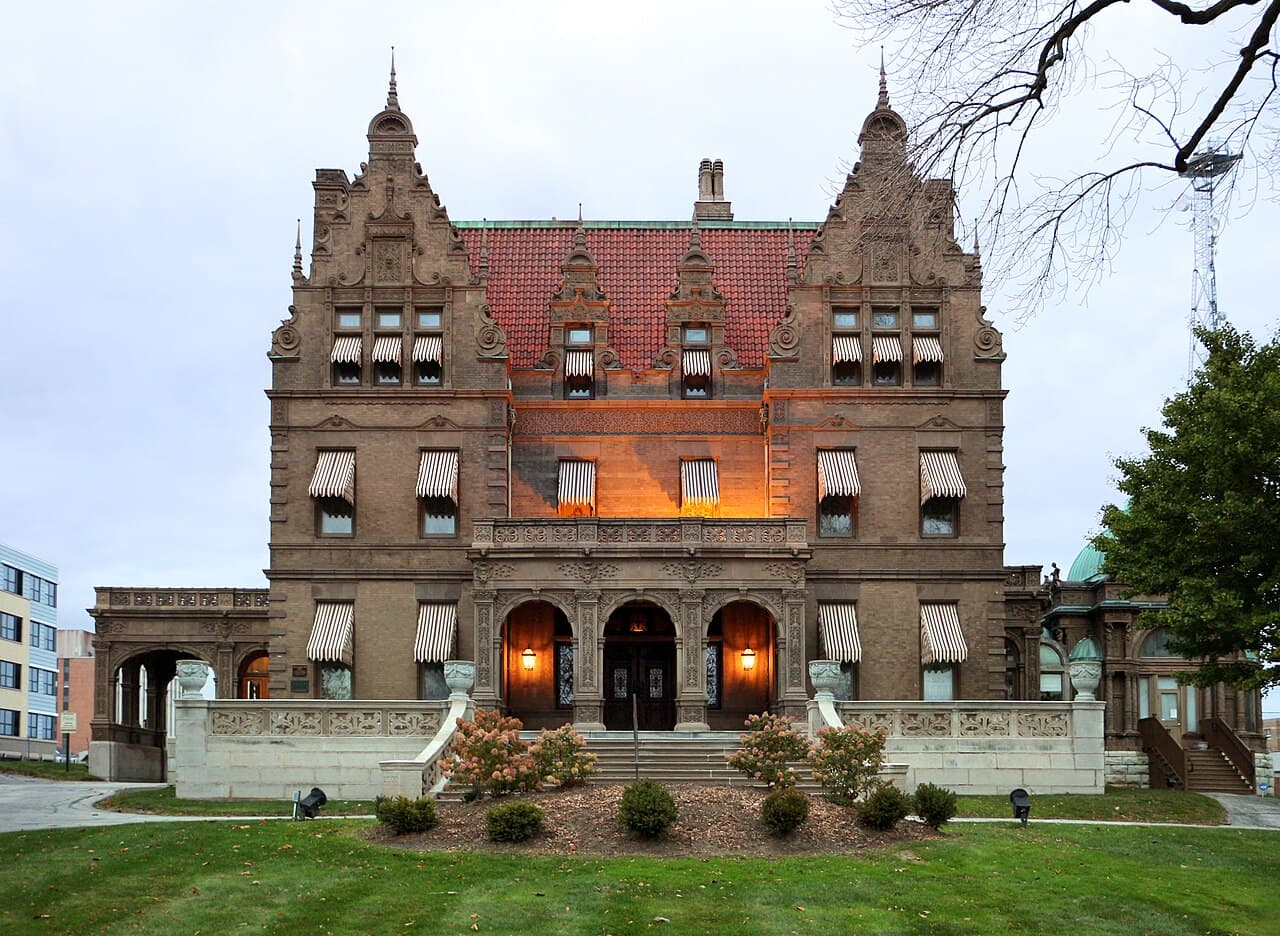
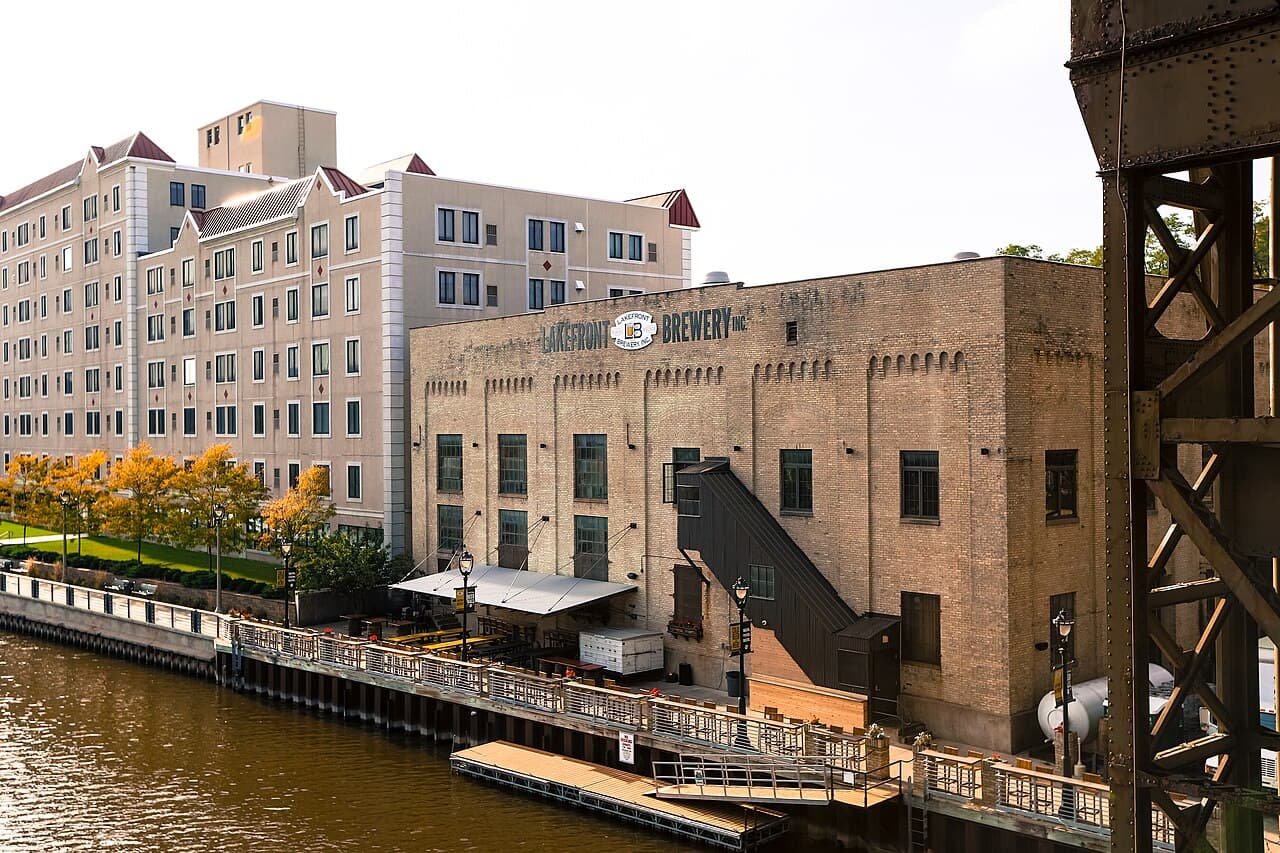
Take a guided tour of Lakefront Brewery — one of Milwaukee's originals — then visit the nearby Pabst Mansion to understand the city's German-immigrant brewing dynasty. Pick up a bratwurst and cheese curds at a local deli.
Head south to Bay View for an afternoon on Kinnickinnic Avenue (KK): vintage stores, local coffee shops, and the South Shore Farmers Market (Saturdays). End with a sunset beer at the South Shore Terrace beer garden overlooking Lake Michigan.
Catch live music on Brady Street — the nine-block strip buzzes with bars, ethnic eateries, and nightlife especially on weekends.
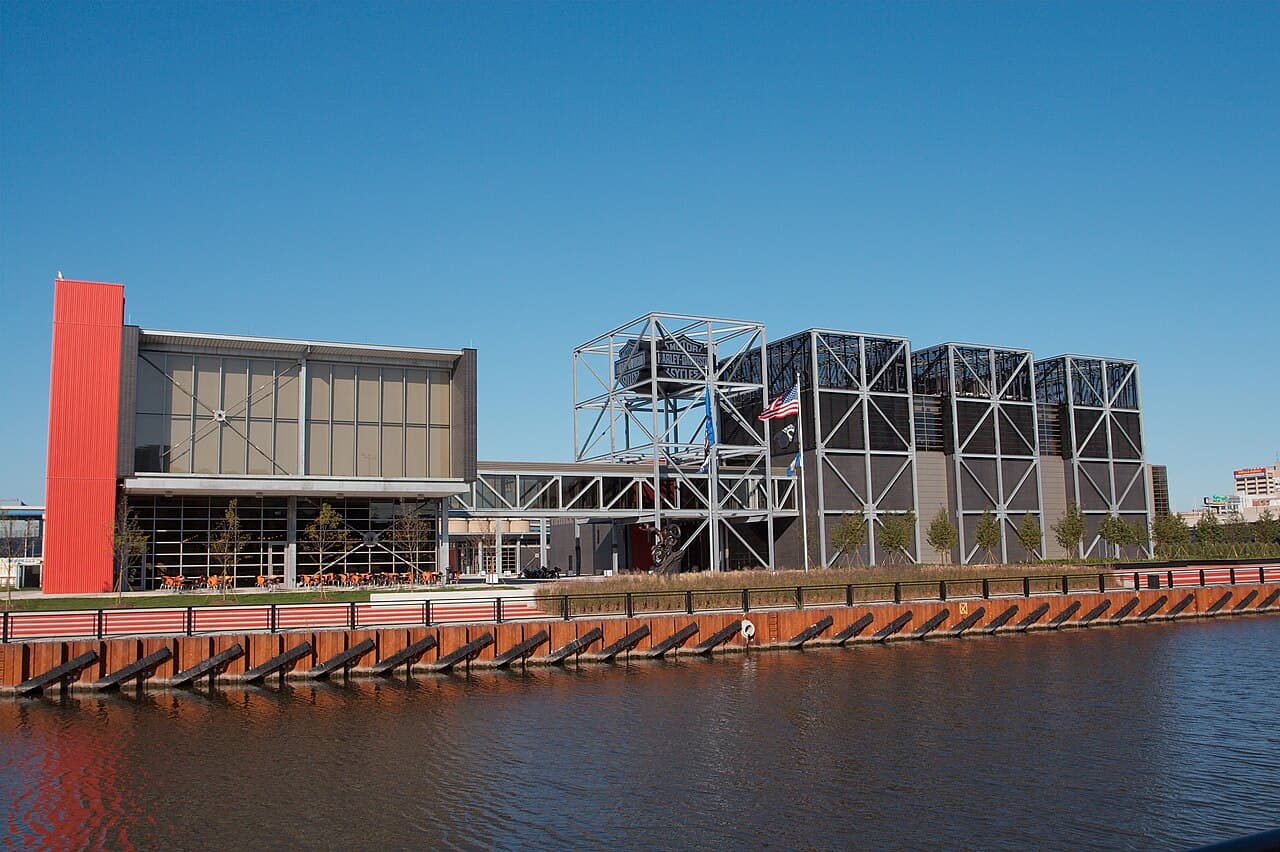
Spend the morning at the Harley-Davidson Museum, an immersive tribute to American motorcycle culture with rare machines and interactive exhibits. Nearby, the Mitchell Park Horticultural Conservatory (The Domes) houses tropical, desert, and floral ecosystems.
Explore Bronzeville on the near north side — visit America's Black Holocaust Museum (401 W. North Ave.), browse the Bronzeville Collective's 30+ artisan vendors, and grab lunch at one of the neighborhood's celebrated spots.
Return downtown via The Hop (free streetcar) for a final dinner in East Town near the Milwaukee Art Museum or Fiserv Forum. If timing allows, check the schedule at Fiserv Forum for a Milwaukee Bucks game or concert.
Real coworking spaces, laptop-friendly cafés, and libraries mapped near the center of the city — the closest, best-rated desks first.
No coworking-ready spots surfaced for this city yet.
Pick a different category or check back once we’ve indexed more desks for this city.
Ask for cafés, quiet neighborhoods, date-night spots, or a first 48-hour plan.
Mention calls, Wi-Fi needs, or how much of the day has to stay laptop-friendly.
Get faster answers on where to stay, when to move neighborhoods, and what to skip.
There aren’t any, yet!
Block off the weeks you're free. Wanderlust turns this dossier — flights, lodging, neighborhoods, timing — into a single draft itinerary in about ninety seconds.
Wanderlust Pro
Insider tips for Milwaukee, unlimited AI-built itineraries, and travel companions you can invite to plan a trip together. From $5.00/month, billed annually.
Wanderlust Pro
Pro members see insider tips for Milwaukee: a short list of restaurants, cafés and sights, picked by AI as local suggestions to double-check before you go.