 City postcard
Mar del Plata
Argentina's "Happy City" — 47 km of Atlantic coastline, fresh seafood, and year-round culture just 400 km from Buenos Aires.
Argentina's "Happy City" — 47 km of Atlantic coastline, fresh seafood, and year-round culture just 400 km from Buenos Aires.
Mar del Plata is Argentina's premier beach resort and its fifth-largest city, drawing nearly eight million visitors each summer to its sweeping Atlantic shores. Beyond the packed January sands, "La Feliz" rewards off-season visitors with world-class seafood at the fishing port, a thriving craft beer scene, grand early-20th-century architecture, and a calendar of theatre and contemporary art. Once an exclusive retreat for the Argentine elite, the city today caters to every budget and travel style, from surf sessions at Playa Grande to quiet strolls through the pine forests of Bosque Peralta Ramos.
City postcardArgentina's "Happy City" — 47 km of Atlantic coastline, fresh seafood, and year-round culture just 400 km from Buenos Aires.
 Top sight
A signature stop locals and returning travelers point to in Mar del Plata.
A signature stop locals and returning travelers point to in Mar del Plata.
A signature stop locals and returning travelers point to in Mar del Plata.
A signature stop locals and returning travelers point to in Mar del Plata.
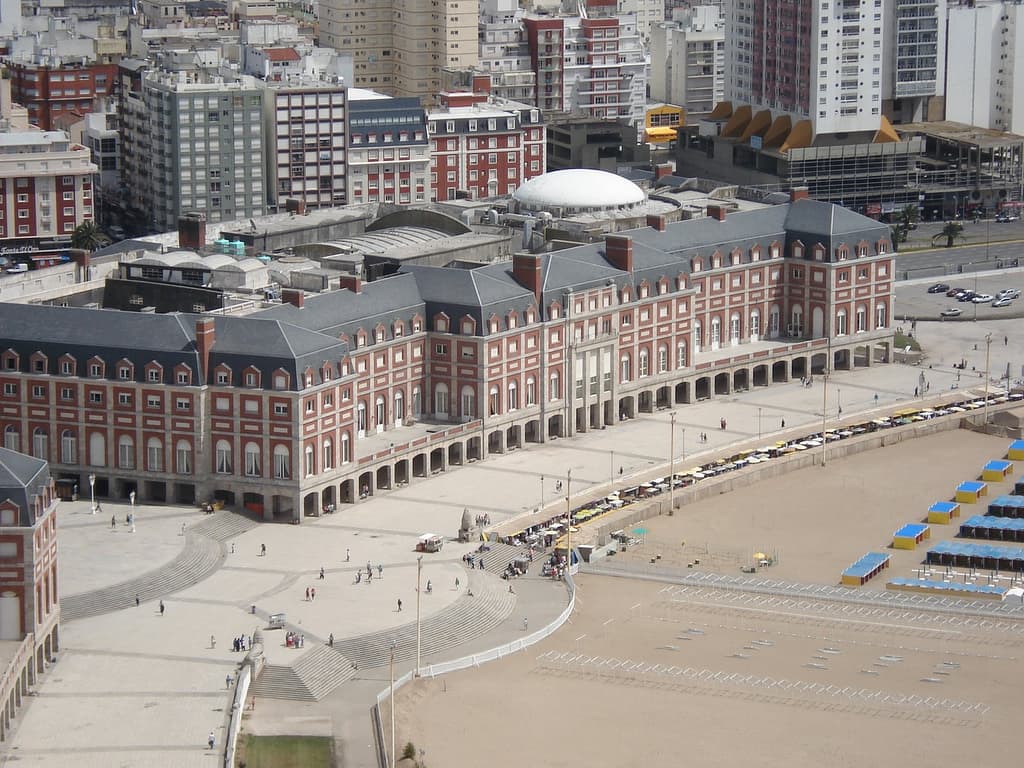
Photo: Mar del Plata Puntonoticias · CC BY-SA 2.0
A signature stop locals and returning travelers point to in Mar del Plata.
A signature stop locals and returning travelers point to in Mar del Plata.
A signature stop locals and returning travelers point to in Mar del Plata.
A signature stop locals and returning travelers point to in Mar del Plata.
A signature stop locals and returning travelers point to in Mar del Plata.
A pocket of Mar del Plata with its own temperament — worth a deliberate detour when you're in the area.
A pocket of Mar del Plata with its own temperament — worth a deliberate detour when you're in the area.
A pocket of Mar del Plata with its own temperament — worth a deliberate detour when you're in the area.
A pocket of Mar del Plata with its own temperament — worth a deliberate detour when you're in the area.
The quick answers travelers want before they commit to flights, neighborhoods, and how long to stay.
Mar del Plata is well connected from Buenos Aires (≈400 km) by four modes of transport. By air, Aerolíneas Argentinas and other carriers operate frequent ~1-hour flights from Buenos Aires's Jorge Newbery Airport (AEP) into Ástor Piazzolla International Airport (MDQ), which sits right inside the city. By bus, comfortable cama and semi-cama coaches depart Buenos Aires's Retiro terminal roughly every hour; the ride takes about 5–5.5 hours and is the most popular budget option. By train, the Ferrobaires service departs from Plaza Constitución and takes approximately 5.5–6 hours — book well in advance as tickets sell out, especially in summer. By car, take Ruta 2 from Buenos Aires (toll road); the drive is roughly 4.5 hours.
Mar del Plata has an extensive local bus network covering all neighborhoods — the most affordable way to get around at roughly $0.32 USD per trip. You'll need a SUBE card, purchasable at the bus terminal or downtown offices and rechargeable at pharmacies. Taxis are plentiful, honest, and inexpensive (metered; always confirm the meter is on before departure). Remises (pre-booked private cars) offer a slight discount over taxis and are called via local dispatch offices. Rideshare apps are available but less dominant than in Buenos Aires. The city's coastal promenade and walkable center make cycling and walking practical options for sightseeing.
Mar del Plata has a temperate oceanic climate with warm summers and mild, sometimes chilly winters — and no true dry season. The sweet spot for most visitors is late November through December or late February through April. During these shoulder months, daytime highs sit comfortably around 21–26°C (70–79°F), beaches are uncrowded, accommodation prices drop noticeably, and the city's restaurants and cultural venues are at their relaxed best. January and February are peak summer: beaches are packed with porteños on holiday, nightlife and theatre hit their zenith, but hotel prices surge and bookings are essential. March is a particularly attractive alternative — warm afternoons, thinner crowds, lingering Carnival energy, and easier access to the fishing port's sea-lion viewpoints and seafood restaurants. Winter (June–August) strips the city back to its year-round residents; temperatures average 13°C by day with occasional frost at night, but museum-hopping, craft beer, and the city's grand early-20th-century architecture make it worthwhile for budget travelers and architecture enthusiasts. July's school holidays bring a brief lift in visitors.
Arrive and walk the La Rambla promenade from Bristol Beach south toward Cabo Corrientes, taking in the Atlantic views and sea lion colony near the port breakwater.
Head to Playa Grande for surfing or a beachside lunch of fresh rabas (fried calamari) at a port-side restaurant in the Puerto district.
Stroll to the iconic Torreón del Monje for panoramic cliff views and a coffee, then visit the grand Casino Central building — worth seeing even if you don't gamble.
Visit the MAR Museum of Contemporary Art (free admission; open Tue–Fri 10 am–4 pm, weekends 2–8 pm) on the Costanera, home to a major Marta Minujín installation.
Tour the Villa Victoria Ocampo Cultural Center (open Wed–Mon 2–7 pm) to explore the writer's preserved summer home, then browse the Juan Carlos Castagnino Municipal Art Museum nearby.
Dinner and bar-hopping on Güemes Street — the city's most fashionable strip of restaurants, craft beer bars, and boutiques.
Spend the morning at the working fishing port: watch the trawlers, spot sea lions on the docks, and pick up famous Havanna alfajores at their flagship shop.
Drive or take a bus to Bosque Peralta Ramos — 500 hectares of pine forest with walking trails, a crafts fair, and food stalls ideal for a relaxed picnic lunch.
Return to Centro for a final parrilla dinner on Avenida Juan B. Justo or a show at one of the city's active theatres before departing.
Real coworking spaces, laptop-friendly cafés, and libraries mapped near the center of the city — the closest, best-rated desks first.
No coworking-ready spots surfaced for this city yet.
Pick a different category or check back once we’ve indexed more desks for this city.
Ask for cafés, quiet neighborhoods, date-night spots, or a first 48-hour plan.
Mention calls, Wi-Fi needs, or how much of the day has to stay laptop-friendly.
Get faster answers on where to stay, when to move neighborhoods, and what to skip.
There aren’t any, yet!
Block off the weeks you're free. Wanderlust turns this dossier — flights, lodging, neighborhoods, timing — into a single draft itinerary in about ninety seconds.
Wanderlust Pro
Go deeper than the highlights — premium Mar del Plata intel with hidden gems, top stays, and offline access on the ground. From $5.00/month, billed annually.