Top sight
Top sight
A UNESCO World Heritage gem where Portuguese, Dutch, and Peranakan cultures collide on every sun-drenched street.
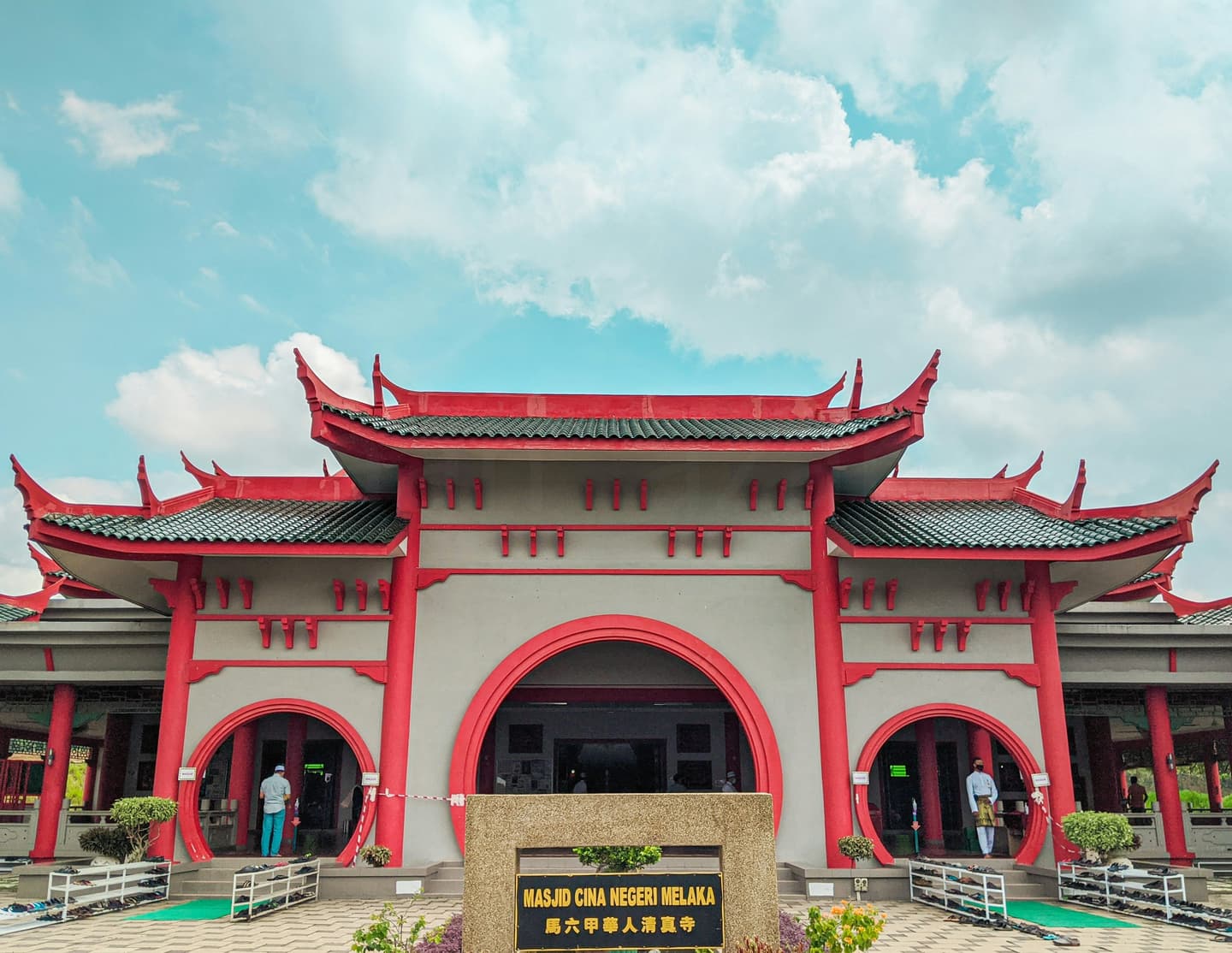
Malacca (Melaka) is a compact, walkable city on Malaysia's southwestern coast, celebrated for its extraordinary layering of colonial history and living multicultural tradition. From the rust-red Stadthuys of Dutch Square and the ruins of A Famosa to the incense-laced lanes of Chinatown's Jonker Street, the city rewards slow, curious exploration. It is one of Southeast Asia's most affordable heritage destinations, with street food priced well under a dollar and a friendly, English-speaking population. Whether you're a history buff, a foodie, or a digital nomad seeking a low-cost base, Malacca delivers a rare blend of authenticity and comfort.
More cities for these months: Where to go in January · Where to go in February · Where to go in March · Where to go in June · Where to go in July · Where to go in December
Insider tips · Wanderlust Pro
Practical tips on the sights and neighbourhoods in this Malaccaguide — when to go, what most visitors miss. Written with AI about the guide's own places; double-check details before you go. Pro members see every tip.
The quick answers travelers want before they commit to flights, neighborhoods, and how long to stay.
Malacca has no commercial airport of its own; the gateway is Kuala Lumpur International Airport (KUL/KLIA), approximately 75 km (47 miles) away. The easiest and most affordable connection is by bus: StarMart Express and other operators run direct services from KLIA to Malacca's Central Bus Station (Melaka Sentral), with tickets from around USD 6–10 and a journey time of roughly 1 hour 45 minutes. Buses run from approximately 07:00 to 21:15, with around 88–101 departures daily. A taxi or private transfer is faster but significantly more expensive, ranging from USD 51 to USD 165 one-way. Malacca is also well connected by long-distance express bus from Kuala Lumpur city (TBS terminal), Johor Bahru, Singapore, and other points in Peninsular Malaysia, making it an easy stop on any Malaysia itinerary.
Malacca's historic core is compact enough to explore almost entirely on foot, and walking is generally recommended given the density of sights within a short radius. For longer hops, the colourfully decorated bicycle trishaws (trishaw rickshaws) are an iconic – if touristy – local option. Local buses such as the M100 (RM 1.30, exact change required) connect Melaka Sentral bus terminal with the town centre. Town Bus No. 17 serves Jonker Street from the bus terminal. Ride-hailing apps (Grab is the dominant local platform) are strongly preferred over metered taxis, which locals refer to as unreliable and prone to refusing the meter – a Sentral-to-Jonker Street taxi ride may be quoted at RM 25 or more unofficially. For day trips to outlying areas such as the Portuguese Settlement, Grab or a rented scooter is the most practical option.
Malacca sits on Malaysia's west coast and follows a classic equatorial pattern – hot and humid year-round, with temperatures hovering between 28°C and 33°C. The driest and most visitor-friendly months are December through March, when sunshine is most reliable and rainfall lightest; this period also coincides with festive highlights like Chinese New Year (Jonker Street dazzles with red lanterns) and Christmas. June through September offers another sweet spot: rainfall dips again and it marks durian season, when Malaysian durians – sweeter and creamier than their Thai counterparts because they fall naturally from the tree – are sold cheaply at roadside stalls and farm visits. November is the wettest month (up to 17 inches of rain) and also the cheapest for hotels, making it an option for budget travelers who don't mind occasional downpours. A pleasant sea breeze off the Strait of Malacca can take the edge off humidity on good days. Peak tourist traffic peaks in December, so book accommodation well ahead if visiting over the Christmas–New Year period.
Arrive and check in near Bandar Hilir. Head straight to Dutch Square to photograph the red Stadthuys (c. 1650) and Christ Church. Climb St. Paul's Hill for panoramic views over the Strait and explore the ruined Portuguese chapel walls.
Walk down to A Famosa fortress gate, then visit the Sultanate Palace Museum for context on pre-colonial Malacca. Cool off at a heritage café on Heeren Street before joining a 45-minute Malacca River Cruise at dusk – atmospheric as the lights come on.
If it's a Friday or weekend, hit the Jonker Street Night Market for oyster omelettes, cendol, and Nyonya kuih. On quieter nights, explore the lit-up Dutch Square and dine at a riverside restaurant.
Start early in Jonker Street / Chinatown before the heat builds. Visit the Cheng Hoon Teng Temple (Malaysia's oldest Chinese temple) and browse antique dealers on Heeren Street. Try chicken rice balls for breakfast at a local kopitiam.
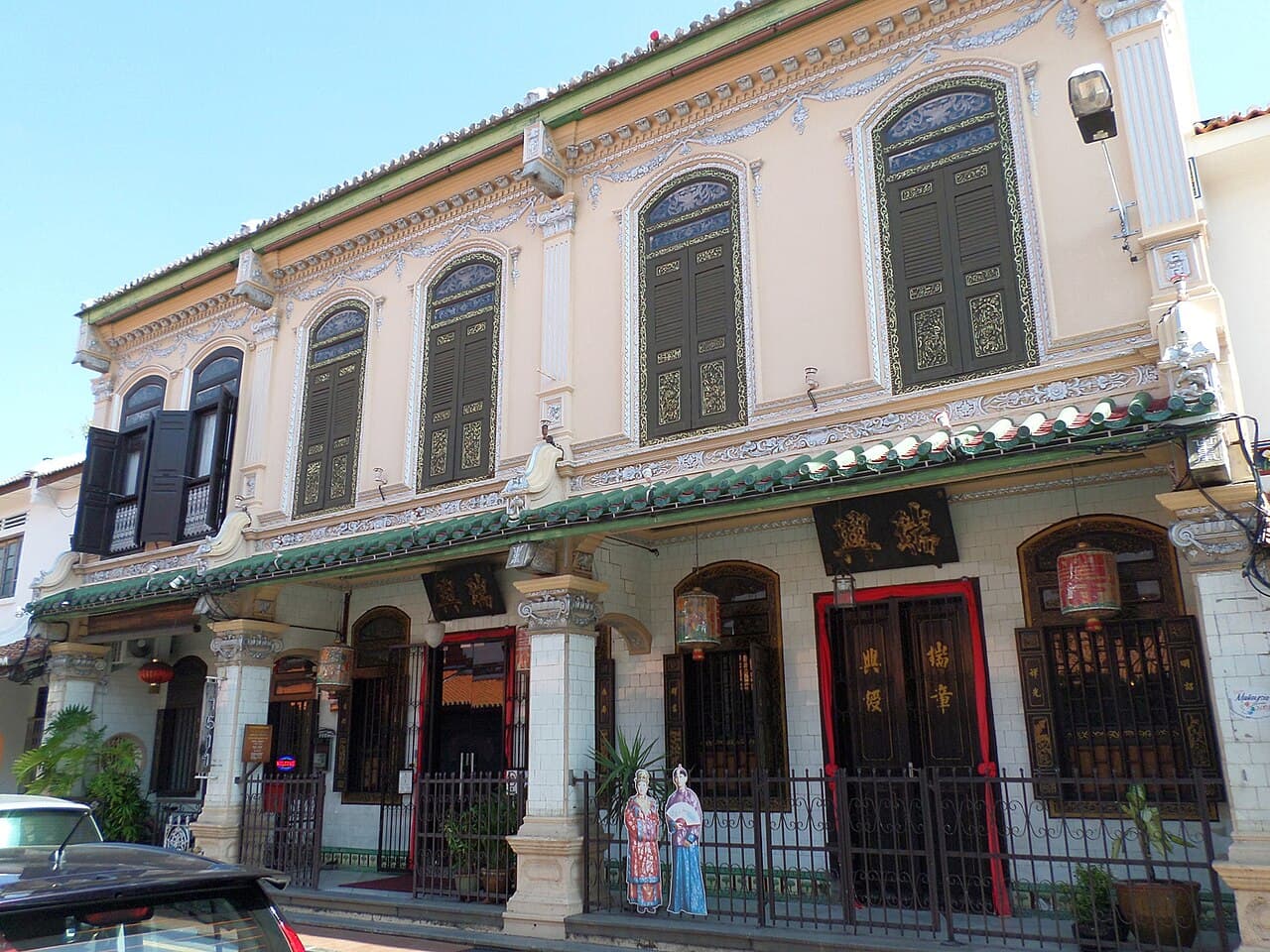
Spend two hours at the Baba & Nyonya Heritage Museum – a beautifully preserved Peranakan townhouse with ornate furniture and tiled courtyards. Then visit Harmony Street (Jalan Tukang Emas) to see the mosque, Hindu temple, and Chinese temples clustered within metres of each other.
Head to the Portuguese Settlement for fresh seafood at an open-air restaurant overlooking the sea. This enclave preserves a 500-year-old Eurasian community with its own patois and cuisine.
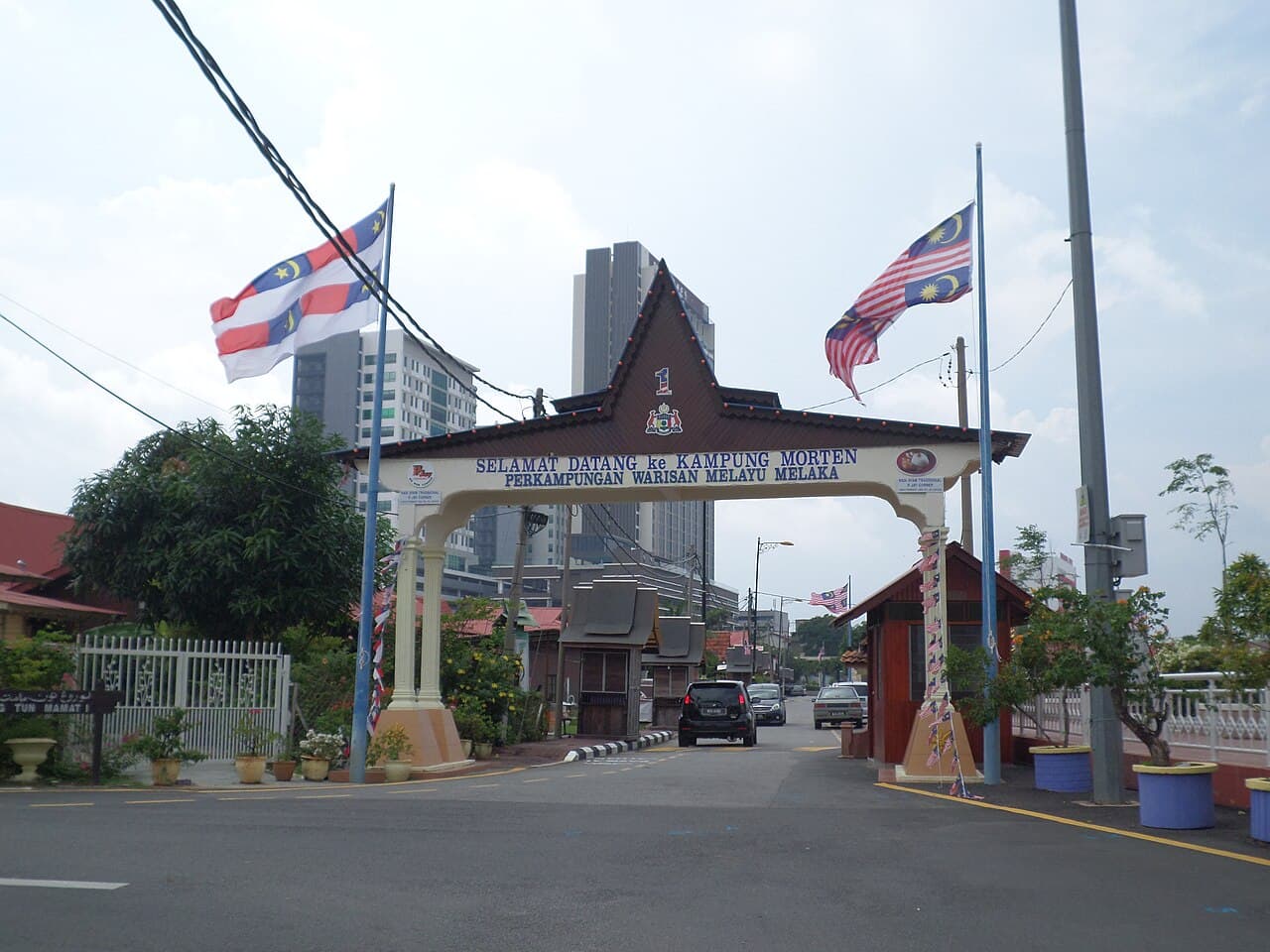
Take a morning stroll to Kampung Morten (Morten Village) to see traditional Malay wooden houses and visit Villa Sentosa – the owner gives personal tours of court jewelry and family heirlooms from the Malaccan Sultanate era.
Ride the Menara Taming Sari gyro tower for a 360° aerial view of the city. Then head to the Melaka Straits Mosque (floating mosque) for photos, especially beautiful in the late afternoon light when the tide is in.
Return to Jonker Street for a final round of street food – don't skip Nyonya laksa and a cup of local kopi. Pick up handmade batik, Peranakan ceramics, or pineapple tarts as souvenirs before heading home.
Real coworking spaces, laptop-friendly cafés, and libraries mapped near the center of the city — the closest, best-rated desks first.
No coworking-ready spots surfaced for this city yet.
Pick a different category or check back once we’ve indexed more desks for this city.
Ask for cafés, quiet neighborhoods, date-night spots, or a first 48-hour plan.
Mention calls, Wi-Fi needs, or how much of the day has to stay laptop-friendly.
Get faster answers on where to stay, when to move neighborhoods, and what to skip.
Written by signed-in Wanderlust members. We don't check that a reviewer has visited.
No reviews of Malacca yet.
Tell the planner your dates, who's coming, your budget and pace, and it drafts a day-by-day itinerary you can edit.
Wanderlust Pro
Insider tips for Malacca, unlimited AI-built itineraries, and travel companions you can invite to plan a trip together. From $5.00/month, billed annually.
Insider tips · Wanderlust Pro
Practical tips on the sights and neighbourhoods in this Malaccaguide — when to go, what most visitors miss. Written with AI about the guide's own places; double-check details before you go. Pro members see every tip.