Top sight
Top sight
Singapore's affordable backyard — modern city living, legendary street food, and a game-changing rail link on the way.
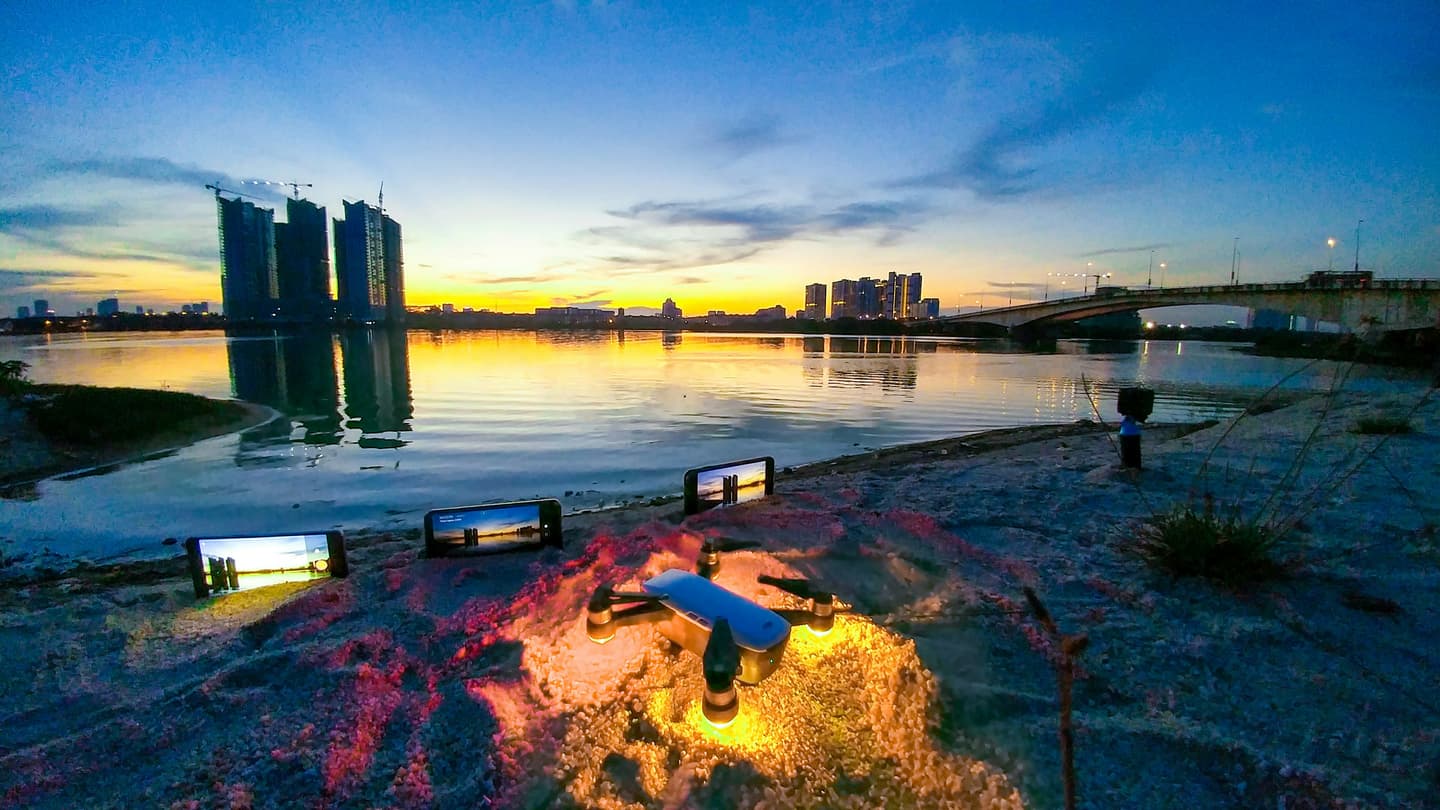
Johor Bahru (JB) sits at the southern tip of Malaysia, separated from Singapore by only a narrow strait and one of the world's busiest land crossings. The city blends Malay, Chinese, and Indian heritage with a rapidly modernising skyline, world-class theme parks, and some of Malaysia's best hawker food. For digital nomads and expats, it offers Singapore-grade fibre internet and 5G at a fraction of the cost, making it one of Southeast Asia's most compelling value destinations. A landmark cross-border RTS rail link — targeting December 2026 — will soon slash the Singapore commute to just five minutes.
More cities for these months: Where to go in February · Where to go in March · Where to go in April · Where to go in May · Where to go in June · Where to go in July
Insider tips · Wanderlust Pro
Practical tips on the sights and neighbourhoods in this Johor Bahruguide — when to go, what most visitors miss. Written with AI about the guide's own places; double-check details before you go. Pro members see every tip.
The quick answers travelers want before they commit to flights, neighborhoods, and how long to stay.
Most international visitors arrive via Singapore Changi Airport (SIN, ~80 km), then cross into JB by bus or taxi over the Johor–Singapore Causeway. Cross-border buses (Causeway Link, SBS Transit) run frequently from Queen Street or Kranji MRT in Singapore directly to JB Sentral, with fares around RM5–RM10. Taxis across the Causeway run RM100+ depending on wait times. The KTM Shuttle Tebrau train between Woodlands Checkpoint and JB Sentral operates from 05:00–23:50 at around RM13–RM20 per trip, though it is scheduled to be replaced by the RTS Link by June 2027.
For those flying directly, Senai International Airport (JHB) is approximately 30 km north of the city and served by domestic routes from Kuala Lumpur (~55-minute flight, fares from RM145). Taxis and Grab rides from Senai to the city centre take ~30–45 minutes.
The landmark JB–Singapore RTS Link rail connection is targeted to commence passenger service by December 2026. It will link Bukit Chagar station in JB directly to Woodlands North MRT in Singapore in just five minutes, with expected fares of approximately S$5–S$7 (RM15.50–RM21.70) per journey and AI-powered immigration e-gates clearing passengers in about 7 seconds.
JB does not yet have a metro or LRT network. The primary public transit system is BAS.MY Johor Bahru (rebranded from myBAS on 30 September 2025), operated by Causeway Link with its distinctive hot-pink buses. As of 2025, there are 81 bus routes in JB, with 57 local routes; buses mostly operate 05:00–22:00 and hubs are JB Sentral Bus Terminal and Larkin Bus Terminal. Fares range roughly RM5–RM10 per trip. Bus information and real-time arrivals are accessible via the LUGO mobile app. Local buses now accept cashless payment via Visa contactless, NFC, and QR code — the first Malaysian city to support this on urban buses.
Grab is the dominant e-hailing option and the most recommended app for nomads; short city rides are cheap and reliable. Car rental is practical for day trips to Desaru or Gunung Pulai. A future Elevated Autonomous Rapid Transit (E-ART) system with 32 planned stations is in the RFP stage, with construction projected to start in 2026 and a first segment potentially operational by 2029–2030.
Johor Bahru is hot and humid year-round, with daily highs of 30–33 °C. The wettest period is the northeast monsoon season from November through January, when heavy afternoon downpours are common. The sweet spot for visitors is February through August — rainfall eases, skies are more reliably clear, and outdoor attractions like Gunung Pulai and Desaru Coast are at their best. June and July sit in the heart of the dry corridor and coincide with school holidays, making them ideal for family trips to Legoland, though expect larger weekend crowds from Singapore. For the most peaceful experience, plan midweek arrivals: weekend and public-holiday crossings at the Causeway can add 3–4 hours of border queues in each direction. That calculus will change dramatically once the RTS Link opens (targeted December 2026), when a five-minute rail crossing is set to replace the road crawl.
Start with a classic Malaysian breakfast — nasi lemak or roti canai — at a local kopitiam near the City Centre. Walk to the Sultan Abu Bakar Mosque perched on Ledang Hill for panoramic views of the Johor Strait and Singapore skyline, then explore the ornate grounds of the Johor Royal Botanical Gardens (entry RM30 for non-Malaysians).
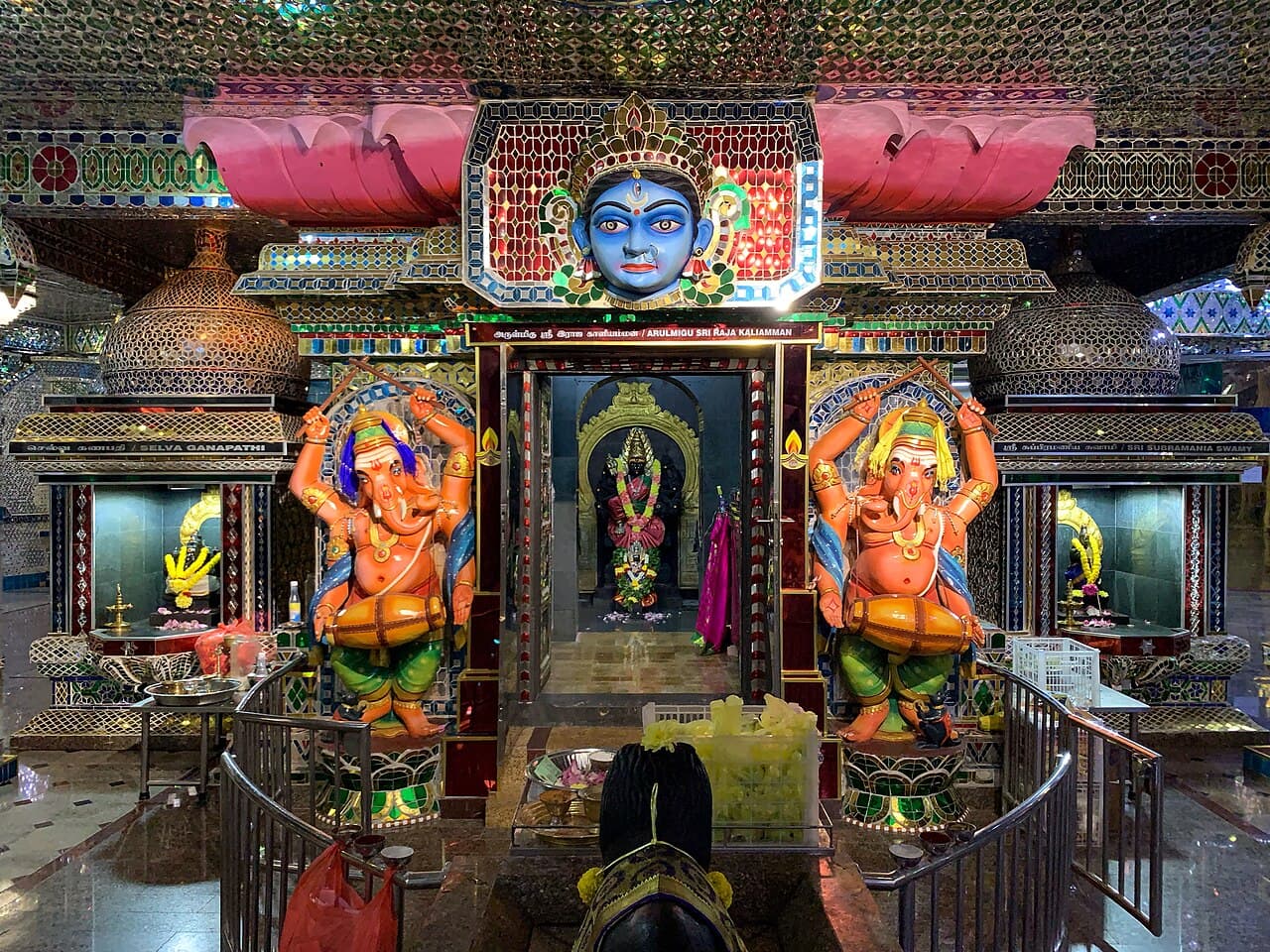
Stroll Tan Hiok Nee Heritage Street for antique shops, colourful murals, and boutique cafés. Visit the Arulmigu Sri Rajakaliamman Glass Temple — the world's first glass temple, completed in 1996 — just a short ride away.
Head to a pasar malam (night market) or the hawker stalls around Jalan Wong Ah Fook for JB classics: laksa, char kway teow, and cendol. End the night with rooftop views at Skyscape, JB's aerial observation deck perched 149 metres above ground.
Take a Grab or bus to Legoland Malaysia Resort in Iskandar Puteri. Arrive early to beat queues — the resort features over 80 rides, shows, and attractions including Miniland Asia and SEA LIFE Malaysia aquarium. Day tickets start from RM69 for single-park entry.
Continue at the Legoland Water Park or, if travelling with older kids, head to the nearby Angry Birds Activity Park at KOMTAR JBCC (26,000 sq ft of indoor rides and obstacle courses). Grab lunch at one of the mall's many local food courts.
Return to the city centre for dinner at a mid-range restaurant in Taman Molek or Danga Bay waterfront. For a nightcap, explore the craft coffee and mocktail scene — alcohol taxes are steep, so JB's specialty café culture thrives.
Head out early to Gunung Pulai Recreational Forest (~30 minutes from JB) for a jungle hike to Pulai Waterfall, the tallest in the region. Look out for monkeys, hornbills, and endemic flora.
Drive or join a tour to Desaru Coast (~1 hour east of JB) for beach time, watersports, or a leisurely lunch at one of the resort restaurants overlooking the South China Sea.
Return to JB city for a farewell dinner on Tan Hiok Nee or at a Peranakan restaurant. If timing allows, book a nighttime firefly river cruise at Kota Tinggi Firefly Park (a scenic 45-minute drive) for a memorable finale.
Real coworking spaces, laptop-friendly cafés, and libraries mapped near the center of the city — the closest, best-rated desks first.
No coworking-ready spots surfaced for this city yet.
Pick a different category or check back once we’ve indexed more desks for this city.
Ask for cafés, quiet neighborhoods, date-night spots, or a first 48-hour plan.
Mention calls, Wi-Fi needs, or how much of the day has to stay laptop-friendly.
Get faster answers on where to stay, when to move neighborhoods, and what to skip.
Written by signed-in Wanderlust members. We don't check that a reviewer has visited.
No reviews of Johor Bahru yet.
Tell the planner your dates, who's coming, your budget and pace, and it drafts a day-by-day itinerary you can edit.
Wanderlust Pro
Insider tips for Johor Bahru, unlimited AI-built itineraries, and travel companions you can invite to plan a trip together. From $5.00/month, billed annually.
Insider tips · Wanderlust Pro
Practical tips on the sights and neighbourhoods in this Johor Bahruguide — when to go, what most visitors miss. Written with AI about the guide's own places; double-check details before you go. Pro members see every tip.