 City postcard
Johnson City
Appalachian adventure base with craft brews, mountain trails, and a revitalized downtown that punches well above its size.
Appalachian adventure base with craft brews, mountain trails, and a revitalized downtown that punches well above its size.
Nestled in the rolling hills of Northeast Tennessee, Johnson City is the largest of the Tri-Cities and a gateway to the southern Appalachians. From its railroad roots as "Johnson's Depot" in 1856, it has evolved into a vibrant college town anchored by East Tennessee State University, with a revitalized downtown packed with breweries, local shops, and live-music venues. Within 30 minutes, visitors can be hiking Buffalo Mountain, biking the Tweetsie Trail, rafting the Nolichucky, or exploring world-class fossil sites — all without the crowds or prices of bigger outdoor destinations like Asheville.
City postcardAppalachian adventure base with craft brews, mountain trails, and a revitalized downtown that punches well above its size.
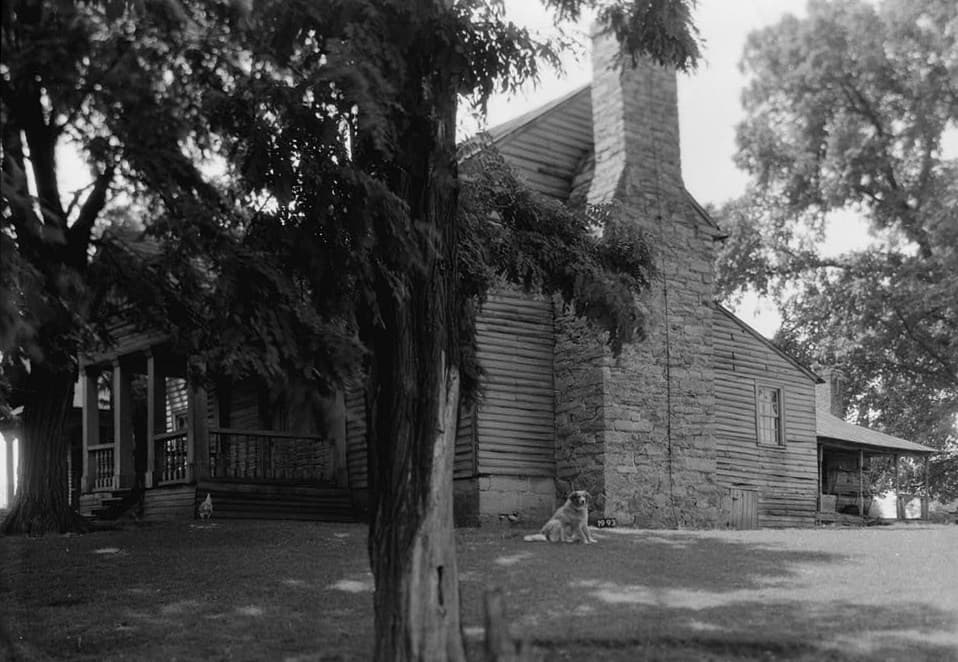 Top sight
A signature stop locals and returning travelers point to in Johnson City.
A signature stop locals and returning travelers point to in Johnson City.
A signature stop locals and returning travelers point to in Johnson City.
A signature stop locals and returning travelers point to in Johnson City.
A signature stop locals and returning travelers point to in Johnson City.
Photo: W. Jeter Eason, Photographer · Public domain
A signature stop locals and returning travelers point to in Johnson City.
A signature stop locals and returning travelers point to in Johnson City.
A signature stop locals and returning travelers point to in Johnson City.
A signature stop locals and returning travelers point to in Johnson City.
A pocket of Johnson City with its own temperament — worth a deliberate detour when you're in the area.
A pocket of Johnson City with its own temperament — worth a deliberate detour when you're in the area.
A pocket of Johnson City with its own temperament — worth a deliberate detour when you're in the area.
A pocket of Johnson City with its own temperament — worth a deliberate detour when you're in the area.
Wanderlust Pro
Pro members see insider tips for Johnson City: a short list of restaurants, cafés and sights, picked by AI as local suggestions to double-check before you go.
The quick answers travelers want before they commit to flights, neighborhoods, and how long to stay.
The primary gateway is Tri-Cities Regional Airport (TRI) in Blountville, approximately 14–17 miles from downtown Johnson City — about a 20–23 minute drive. Airlines serving TRI include Delta, American, and Allegiant, with direct routes to Charlotte, Atlanta, Dallas, and Sanford. From the airport, an Uber or Lyft to downtown costs roughly $28–35, while a taxi runs $45–55. All major rental car agencies (Enterprise, Hertz, Avis, Budget, National) have counters on-site — book well ahead for spring and fall weekends, as inventory is limited. Alternatively, Asheville Regional Airport (AVL) is about 75 miles away (~1 hr 15 min drive) and offers more flight options, while Knoxville's McGhee Tyson Airport (TYS) is approximately 100–120 miles away (~1.5–2 hrs). By road, Johnson City sits on US-26, with easy connections from Asheville to the southeast and I-81 from the north.
A car is strongly recommended for exploring Johnson City and its surrounding attractions — parking downtown is free with a 2-hour daytime limit, and trailhead parking at Buffalo Mountain, Tweetsie Trail, and Roan Mountain State Park is also free. Car rentals average around $55/day. Johnson City Transit (JCT) operates 7 bus routes Monday–Saturday (~6am–6:30pm) for a flat $1 fare, but coverage for visitors is limited — no evening or Sunday service, and no routes to most outdoor attractions. Rideshare (Uber/Lyft) is available 24/7 but pickup times can be longer than in larger cities; it works well for evening brewery-hopping. The Tweetsie Trail — a flat, 10-mile crushed-gravel rail trail from Johnson City to Elizabethton — is ideal for cycling; bike rentals are available at High Country Bicycles (~$30/half-day) and Local Motion Cyclery near the trailhead.
Johnson City rewards visitors year-round, but shoulder seasons are the sweet spots. Fall (September–October) is the undisputed peak: foliage along the Tweetsie Trail blazes with color, apple orchards come alive, and October is statistically the driest month of the year. Spring (April–May) is the quietest and most affordable season — perfect for hikers eager to catch rhododendrons blooming on nearby Roan Mountain (typically mid-June) without peak-season crowds. Summer (June–August) brings warm temperatures averaging 70–90°F with higher humidity (60–70%), ideal for lake trips to Watauga Lake and outdoor festivals, though lodging can be slightly cheaper as tourism slows mid-summer. Winter is the slowest season — cold with occasional snow, but excellent for budget travelers and remote workers seeking cozy, off-peak stays.
Arrive and check in, then stroll Founders Park along the creek before grabbing coffee and exploring the independent shops on Main Street — don't miss BoomTown & Co. for East Tennessee souvenirs and The Generalist for local art and goods.
Head to the George L. Carter Railroad Museum on the ETSU campus to explore the city's railroad heritage, then walk over to King Commons to spot the 'Wildabout' mural — one of the city's most-photographed street art pieces.
Kick off the brewery trail at Yee-Haw Brewing Co. in the historic Tweetsie Train Depot, then finish the night with dinner and craft beers at Watauga Brewing Company or Johnson City Brewing Company.
Head to Buffalo Mountain Park for a morning hike on the White Rock Loop (5+ miles). The Huckleberry Knob viewpoint and Sunset Point offer sweeping views over the city and Cherokee National Forest — trails are well-marked with benches along the way.
Drive 15 minutes to the Gray Fossil Site & Hands On! Discovery Center. Book a guided tour with ETSU paleontology students to see 5-million-year-old fossils including rare red panda skeletons and possible new rhino and tapir species.
Return downtown for dinner at a local favorite — Juan Siao for Latin-Asian fusion or Freibergs for German schnitzel — then catch live music at Down Home, one of the South's beloved independent music venues.
Rent a bike from Local Motion Cyclery (right at the trailhead) and ride all or part of the flat, 10-mile Tweetsie Trail along the Doe River to Elizabethton. The crushed-gravel path is ideal for all fitness levels.
Drive 25 minutes to Appalachian Caverns in Blountville for a fascinating underground tour, then swing through historic Jonesborough — Tennessee's oldest town — for a leisurely walk down pedestrian-friendly Main Street.
End the trip with a final downtown dinner and a visit to Tannery Knobs Mountain Bike Park at dusk for a scenic overlook before heading out.
Real coworking spaces, laptop-friendly cafés, and libraries mapped near the center of the city — the closest, best-rated desks first.
No coworking-ready spots surfaced for this city yet.
Pick a different category or check back once we’ve indexed more desks for this city.
Ask for cafés, quiet neighborhoods, date-night spots, or a first 48-hour plan.
Mention calls, Wi-Fi needs, or how much of the day has to stay laptop-friendly.
Get faster answers on where to stay, when to move neighborhoods, and what to skip.
There aren’t any, yet!
Block off the weeks you're free. Wanderlust turns this dossier — flights, lodging, neighborhoods, timing — into a single draft itinerary in about ninety seconds.
Wanderlust Pro
Insider tips for Johnson City, unlimited AI-built itineraries, and travel companions you can invite to plan a trip together. From $5.00/month, billed annually.
Wanderlust Pro
Pro members see insider tips for Johnson City: a short list of restaurants, cafés and sights, picked by AI as local suggestions to double-check before you go.