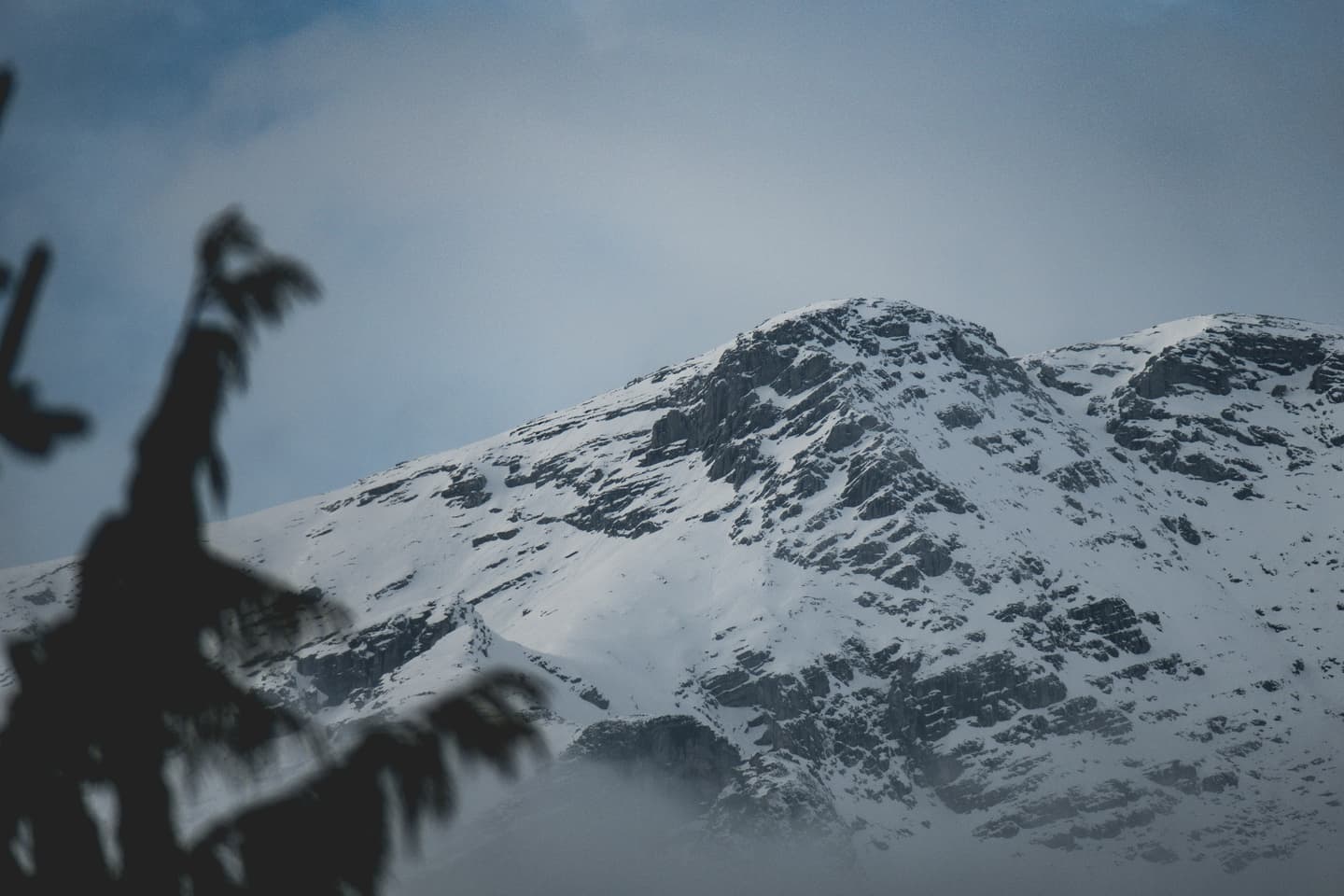
 City postcard
Innsbruck
Where Habsburg grandeur meets alpine adventure — Innsbruck is the Alps' most livable capital.
Where Habsburg grandeur meets alpine adventure — Innsbruck is the Alps' most livable capital.
Innsbruck, the compact capital of Tyrol, sits in a dramatic Inn River valley flanked by the soaring Nordkette massif — a city where medieval Old Town cobblestones lead directly to world-class ski slopes and hiking trails. Twice host to the Winter Olympics, it blends imperial Habsburg heritage with a vibrant university energy and year-round mountain culture. The Nordkette cable car whisks visitors from the city center to 2,300 metres in under 30 minutes, while landmarks like the Golden Roof, Hofburg Palace, and Swarovski Crystal Worlds keep cultural itineraries full. Small enough to walk across yet rich enough to fill a week, Innsbruck rewards every style of traveller across every season.
City postcardWhere Habsburg grandeur meets alpine adventure — Innsbruck is the Alps' most livable capital.
 Top sight
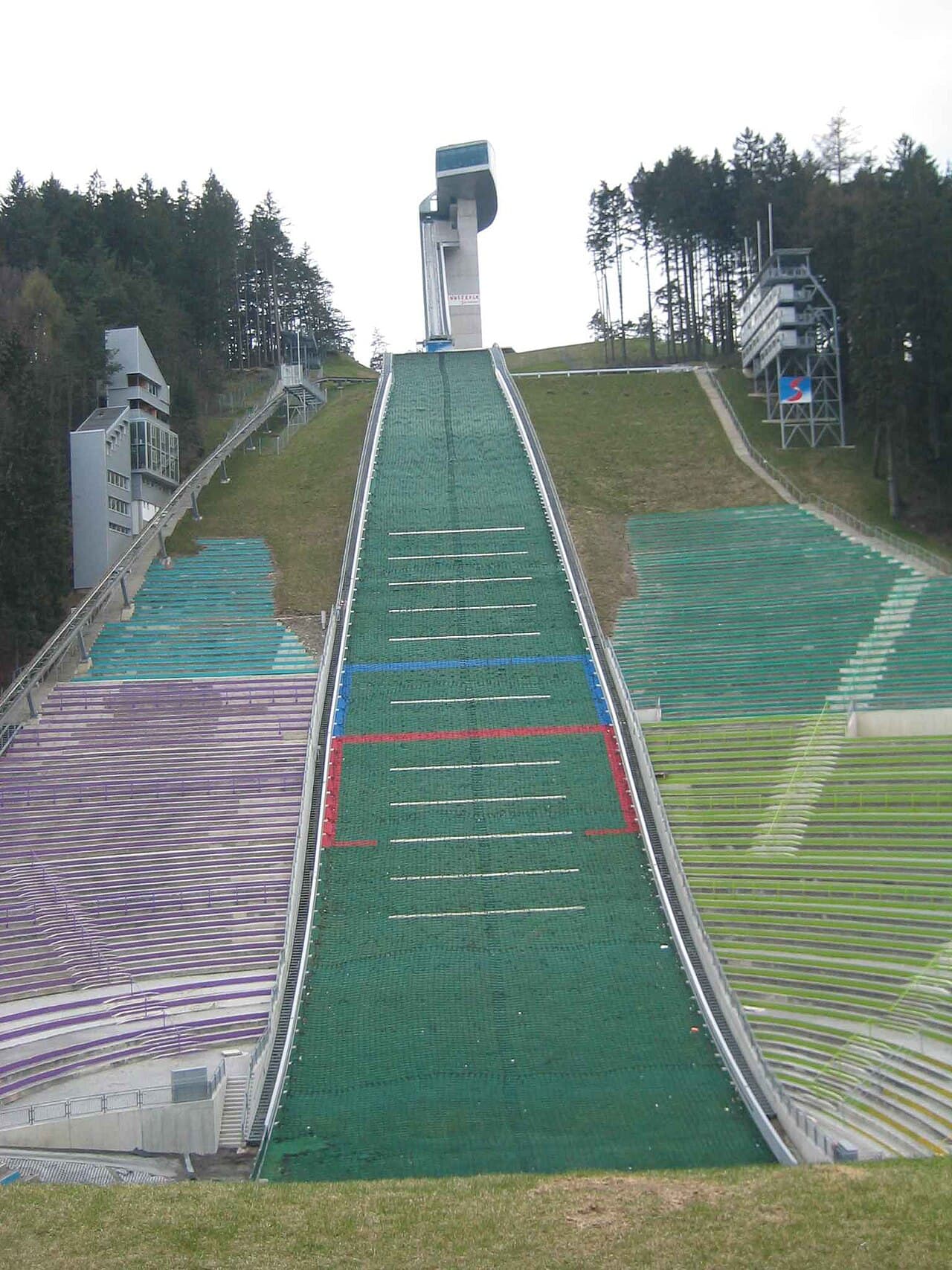
A signature stop locals and returning travelers point to in Innsbruck.
 Top sight
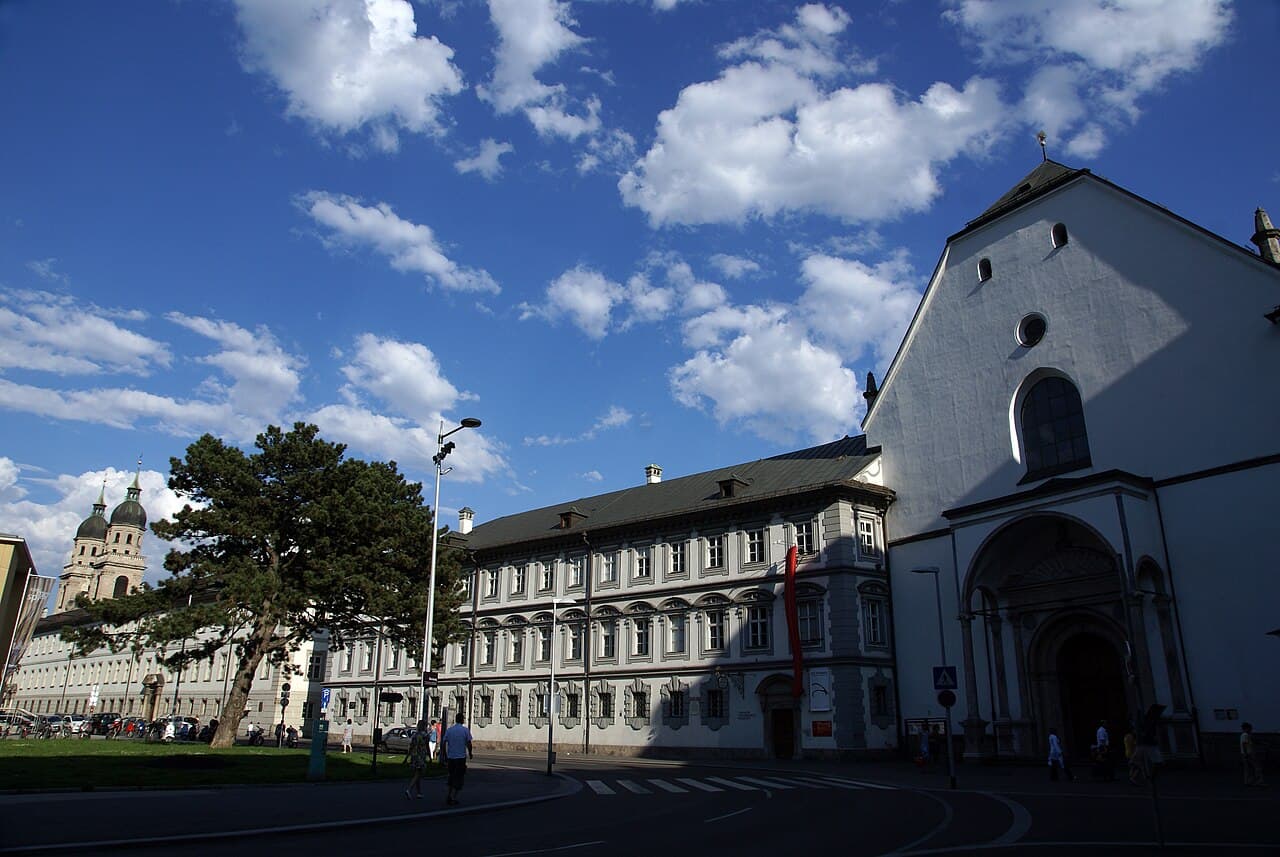
A signature stop locals and returning travelers point to in Innsbruck.
A signature stop locals and returning travelers point to in Innsbruck.
A signature stop locals and returning travelers point to in Innsbruck.
A signature stop locals and returning travelers point to in Innsbruck.
A signature stop locals and returning travelers point to in Innsbruck.
Photo: Daniel Wagner at de.wikipedia · Public domain
A signature stop locals and returning travelers point to in Innsbruck.
A signature stop locals and returning travelers point to in Innsbruck.
A signature stop locals and returning travelers point to in Innsbruck.
A signature stop locals and returning travelers point to in Innsbruck.
Photo: Bede735c · CC BY-SA 3.0
A visual anchor inside Innsbruck worth building into the route.
A pocket of Innsbruck with its own temperament — worth a deliberate detour when you're in the area.
A pocket of Innsbruck with its own temperament — worth a deliberate detour when you're in the area.
A pocket of Innsbruck with its own temperament — worth a deliberate detour when you're in the area.
A pocket of Innsbruck with its own temperament — worth a deliberate detour when you're in the area.
Wanderlust Pro
Pro members see insider tips for Innsbruck: a short list of restaurants, cafés and sights, picked by AI as local suggestions to double-check before you go.
The quick answers travelers want before they commit to flights, neighborhoods, and how long to stay.
Innsbruck Airport (INN) is just 5.6 km west of the city centre, making arrival refreshingly painless. Bus F runs between the airport and the main train station (Hauptbahnhof) every 15 minutes Monday–Saturday and every 30 minutes on Sundays and public holidays; the journey takes about 20 minutes and a single ticket costs around €3. Taxis are available 24/7 directly outside the terminal and take 10–15 minutes, with fares typically running €12–€20 depending on traffic. Innsbruck is also well served by ÖBB rail, sitting on the main Brenner corridor with direct trains to Vienna (~4.5 hrs), Salzburg (~2 hrs), and Munich (~1.5 hrs).
Innsbruck's compact Old Town is easily walkable, and the IVB public transit network — two tram lines plus buses — covers the rest of the city from 4 am to 2 am. A single ride costs around €2.70–€3.00; a 24-hour pass runs approximately €8–€9. For stays longer than a day or two, the Innsbruck Card (available in 24h, 48h, and 72h versions at roughly €31, €39, and €45) includes unlimited public transit, one Nordkette cable-car ascent, and free entry to all major sights — excellent value. Tickets can be bought at machines, on the IVB app, or from kiosks. IVB's 'Stadtrad' bike-share scheme is a handy option in warmer months, and mountain Skybuses connect the city to nearby ski areas from 5 am to 7 pm.
Innsbruck shines in two very different seasons, and which you choose depends entirely on your priorities. Summer (June–September) is the sweet spot for most visitors: alpine highs hover near 25°C, the Nordkette trails open fully, and the city hosts the prestigious Festwochen der Alten Musik festival through late July and August. September is a particular gem — crowds thin just enough, the larch forests begin their golden turn, and temperatures remain comfortable for all-day sightseeing. Winter (December–March) transforms Innsbruck into a ski-resort capital, with reliable snow on the surrounding slopes, atmospheric Christmas markets filling the Old Town in late November and December, and a buzzing après-ski scene. Spring (April–May) is the quietest and most affordable window — snow melts, café terraces reopen, and the city breathes at a slower pace. Avoid November if possible, as several attractions close and the city can feel caught between seasons.
Start at the Golden Roof in the heart of the Altstadt, then explore the narrow medieval lanes before visiting the Hofburg Imperial Palace. Climb the Gothic City Tower for panoramic views over the rooftops.
Walk south along Maria-Theresien-Strasse to admire the Annasäule column and baroque facades. Visit the Tyrolean Folk Art Museum next to the Court Church (Hofkirche), where the monumental tomb of Emperor Maximilian I stands.
Head to a traditional Tyrolean Gasthaus in Wilten or the Old Town for Kasspatzle, Wiener Schnitzel, and a glass of local Zirbenschnaps.
Take the Hungerburgbahn funicular from the Congress Centre up to Hungerburg, then board the Nordkettenbahn cable cars to Seegrube (1,905 m) and on to Hafelekar (2,334 m) for sweeping 360° views of the Inn Valley.
Descend and head to Bergisel to tour the striking Zaha Hadid-designed ski-jump tower, then continue to Schloss Ambras — a Renaissance jewel housing archduke Ferdinand II's armour collection and portrait gallery.
Return to the Inn riverfront for a sundowner at one of the outdoor bars near the Innbrücke bridge, watching the alpenglow light up the Nordkette peaks.
Take a short bus or drive 12 km east to Wattens to visit Swarovski Crystal Worlds, one of Austria's most visited attractions, with immersive artistic installations inside a glittering crystal grotto.
Return to Innsbruck and visit the atmospheric Wilten Basilica — considered Austria's most beautiful Rococo church — before browsing the local market stalls along the Inn riverbank.
End your stay with dinner at a riverside restaurant, or in winter, join the Christmas market crowds for mulled wine and candied nuts under the Old Town's illuminated arches.
Real coworking spaces, laptop-friendly cafés, and libraries mapped near the center of the city — the closest, best-rated desks first.
No coworking-ready spots surfaced for this city yet.
Pick a different category or check back once we’ve indexed more desks for this city.
Ask for cafés, quiet neighborhoods, date-night spots, or a first 48-hour plan.
Mention calls, Wi-Fi needs, or how much of the day has to stay laptop-friendly.
Get faster answers on where to stay, when to move neighborhoods, and what to skip.
There aren’t any, yet!
Block off the weeks you're free. Wanderlust turns this dossier — flights, lodging, neighborhoods, timing — into a single draft itinerary in about ninety seconds.
Wanderlust Pro
Insider tips for Innsbruck, unlimited AI-built itineraries, and travel companions you can invite to plan a trip together. From $5.00/month, billed annually.
Wanderlust Pro
Pro members see insider tips for Innsbruck: a short list of restaurants, cafés and sights, picked by AI as local suggestions to double-check before you go.