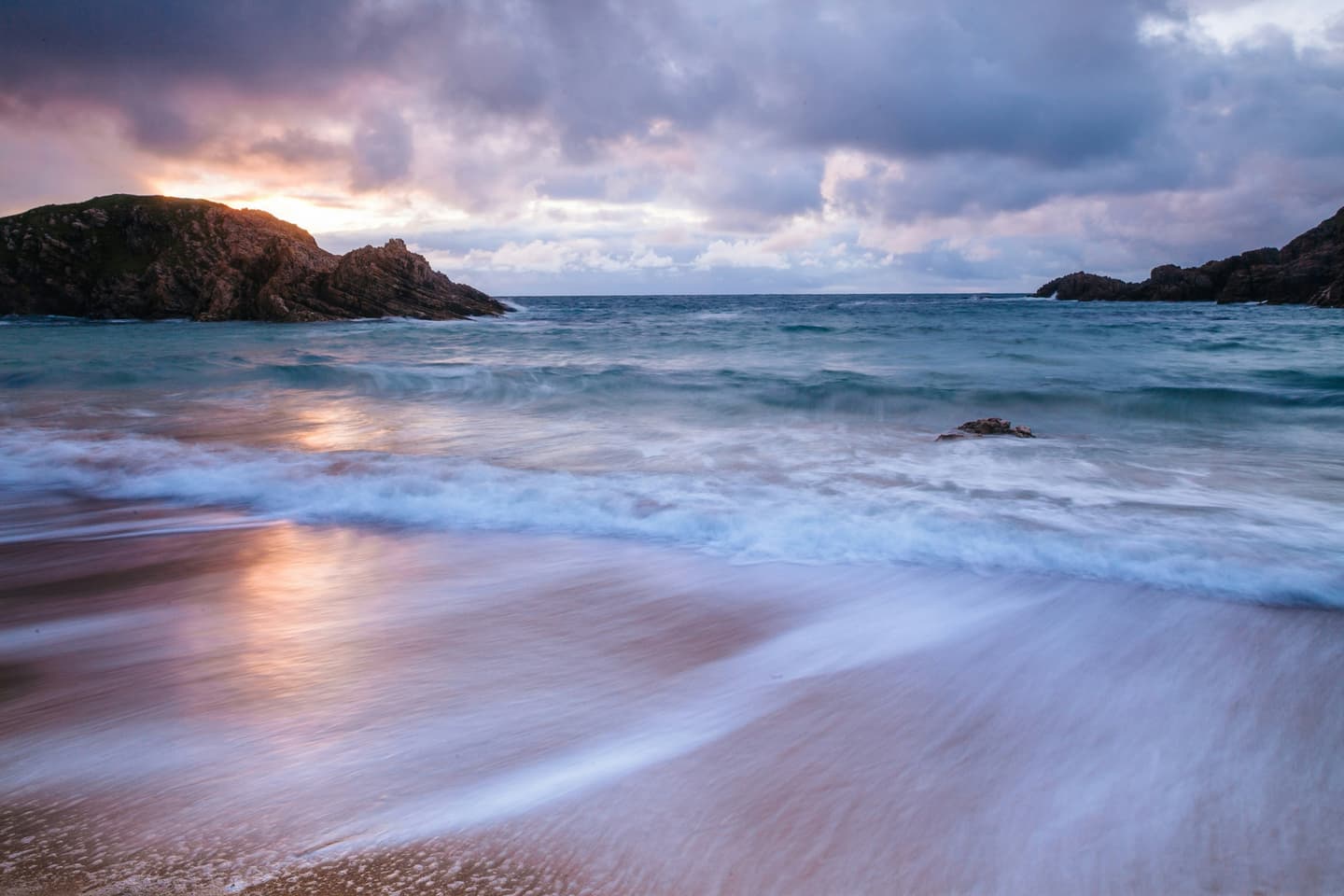
 City postcard
Dublin
Ireland's literary, spirited capital — where Viking history, Georgian grandeur, and legendary pub culture collide.
Ireland's literary, spirited capital — where Viking history, Georgian grandeur, and legendary pub culture collide.
Dublin is a compact, walkable European capital layered with over a thousand years of history, from Viking settlements and medieval cathedrals to Georgian townhouses and iconic literary landmarks. The city punches well above its weight with world-class museums (many free), a globally unrivalled pub culture, and a creative food and music scene that continues to evolve. Day-trip access to the Wicklow Mountains and dramatic coastline adds an outdoor dimension that few capital cities can match.
City postcardIreland's literary, spirited capital — where Viking history, Georgian grandeur, and legendary pub culture collide.
 Top sight
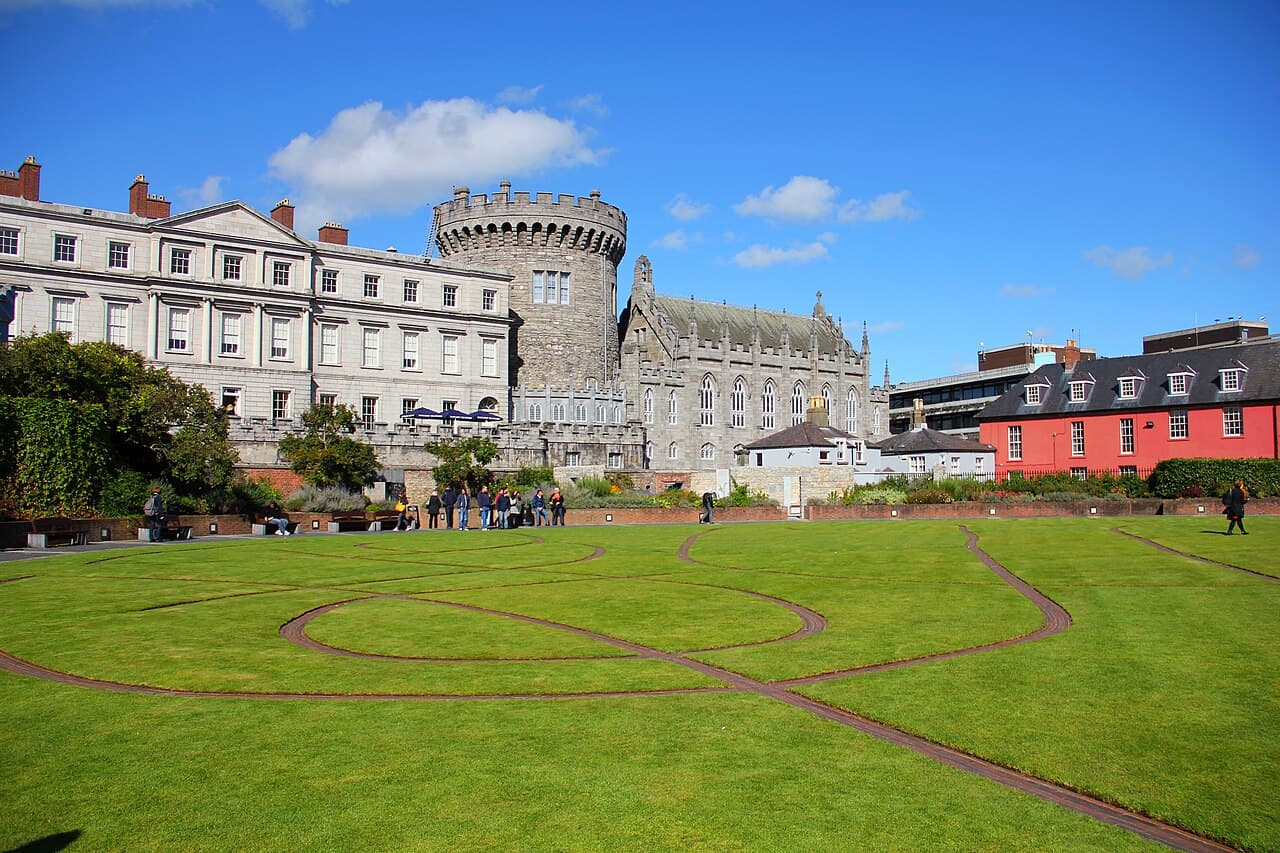
A signature stop locals and returning travelers point to in Dublin.
 Top sight
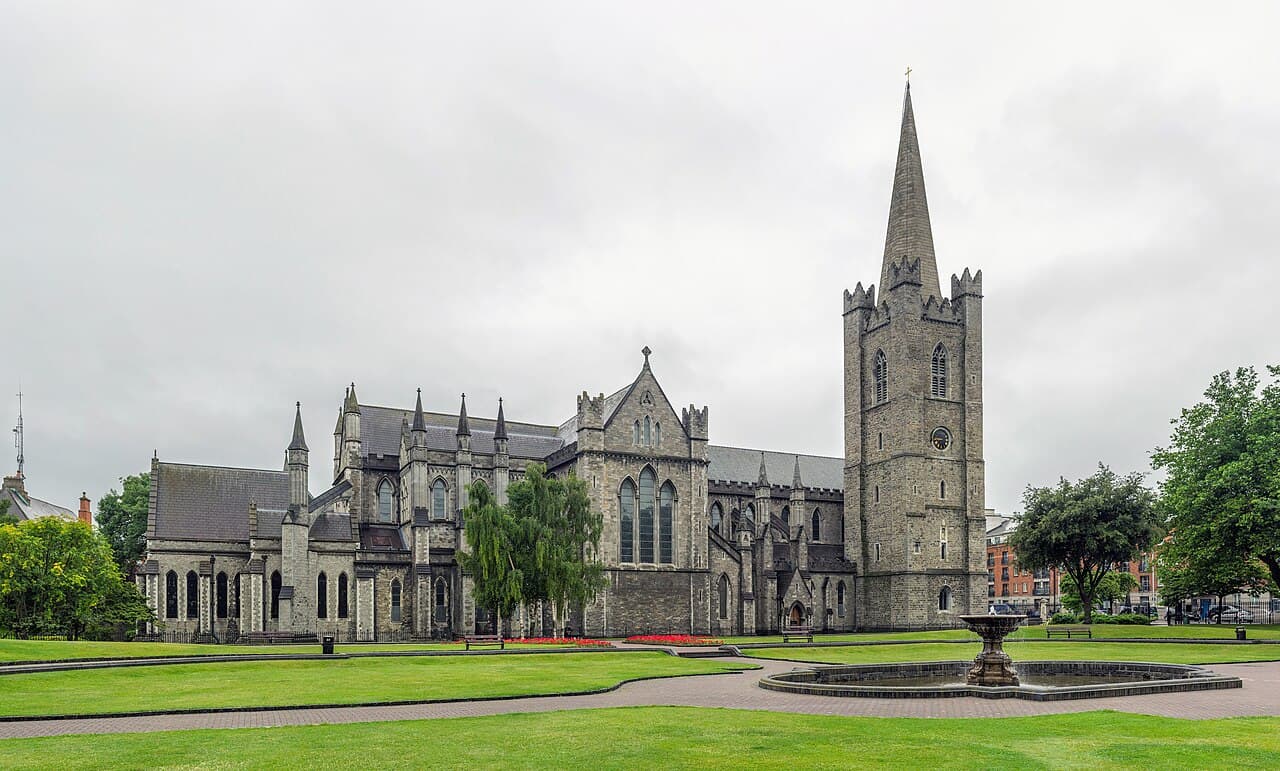
A signature stop locals and returning travelers point to in Dublin.
 Top sight
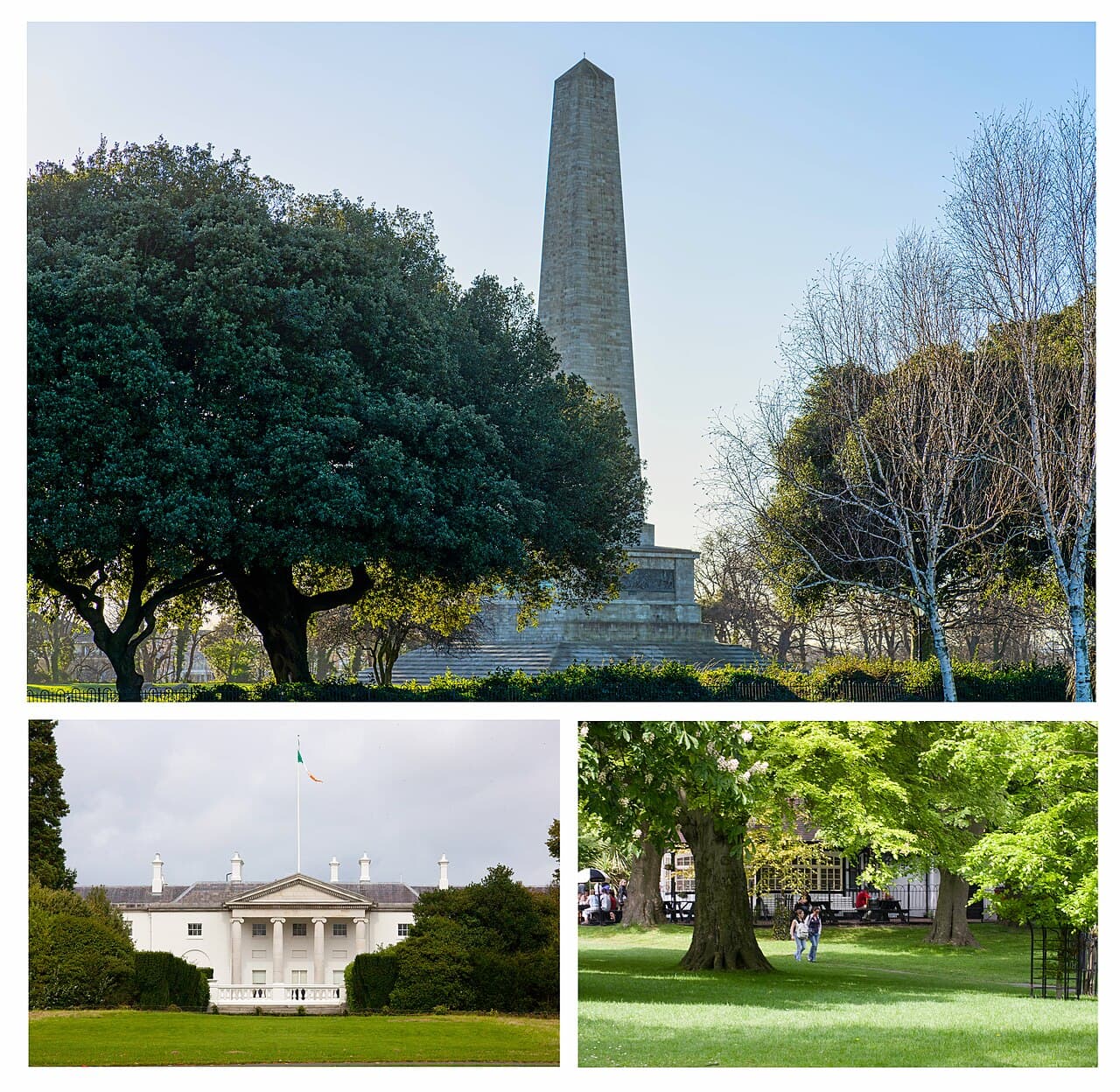
A signature stop locals and returning travelers point to in Dublin.
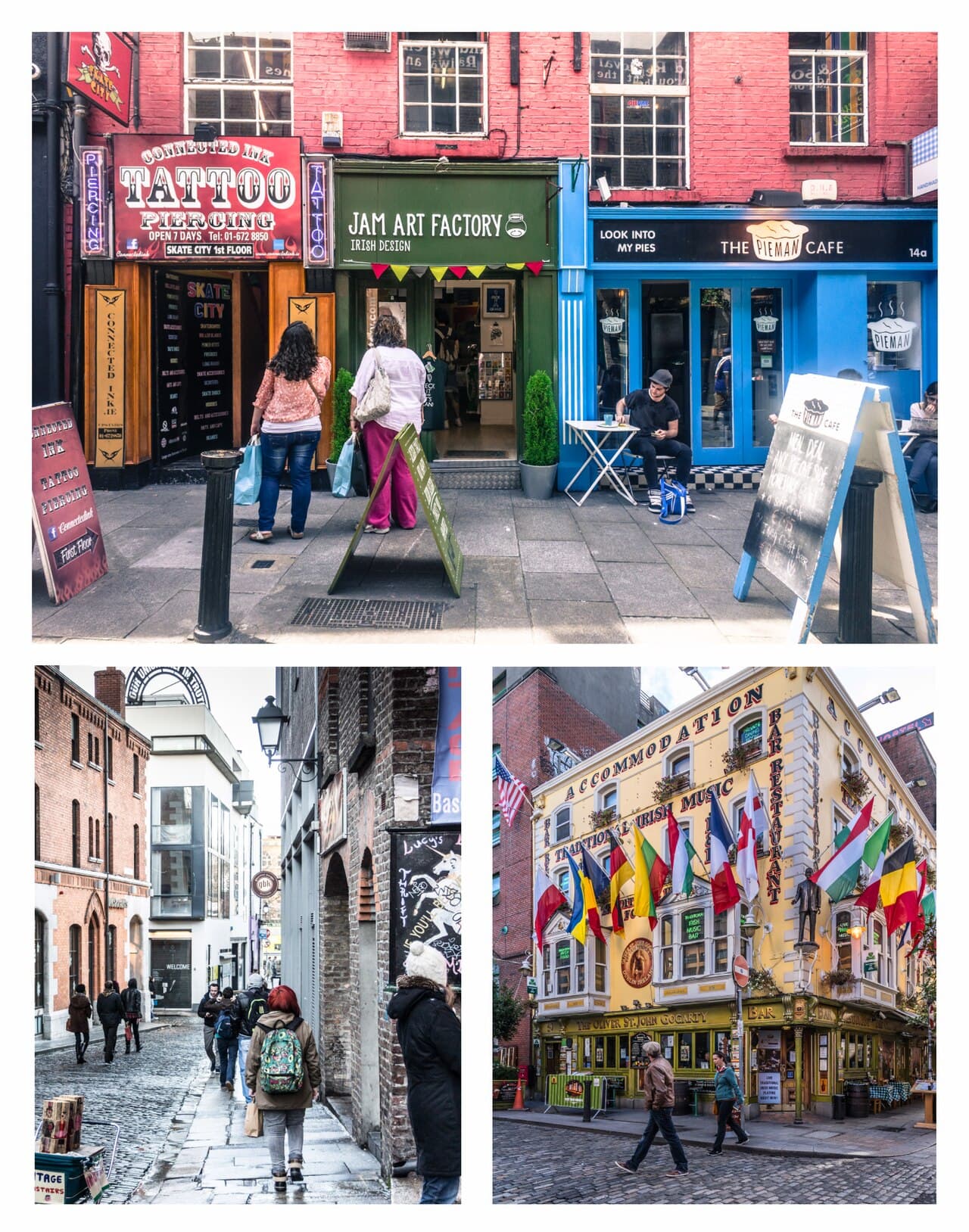 Top sight
A signature stop locals and returning travelers point to in Dublin.
A signature stop locals and returning travelers point to in Dublin.
A signature stop locals and returning travelers point to in Dublin.
A signature stop locals and returning travelers point to in Dublin.
Photo: J.-H. Janßen · CC BY-SA 3.0
A signature stop locals and returning travelers point to in Dublin.
Photo: Diliff · CC BY-SA 3.0
A signature stop locals and returning travelers point to in Dublin.
Photo: William Murphy · CC BY-SA 2.0
A signature stop locals and returning travelers point to in Dublin.
Photo: William Murphy · CC BY-SA 2.0
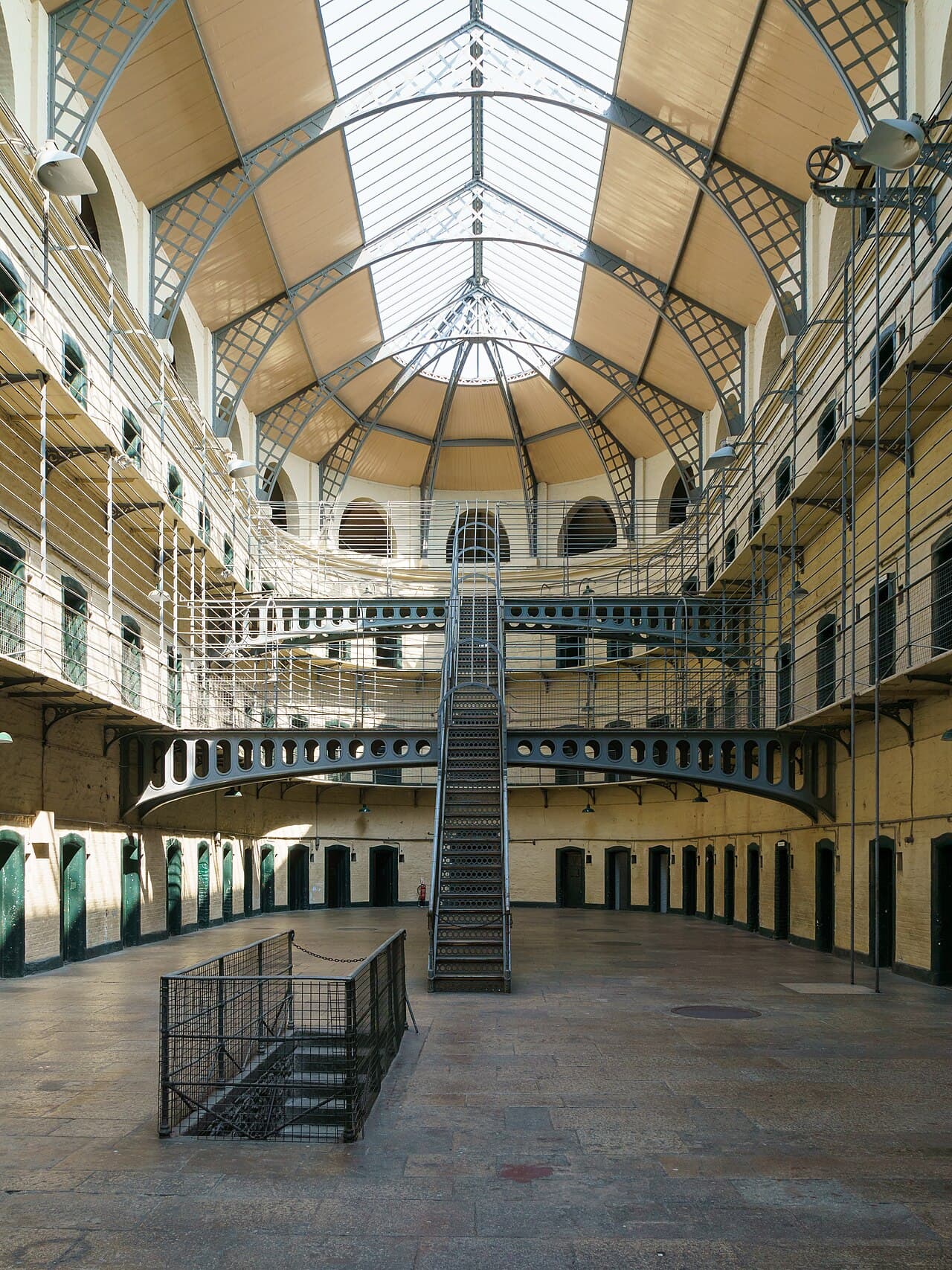
A signature stop locals and returning travelers point to in Dublin.
Photo: Colin · CC BY-SA 4.0
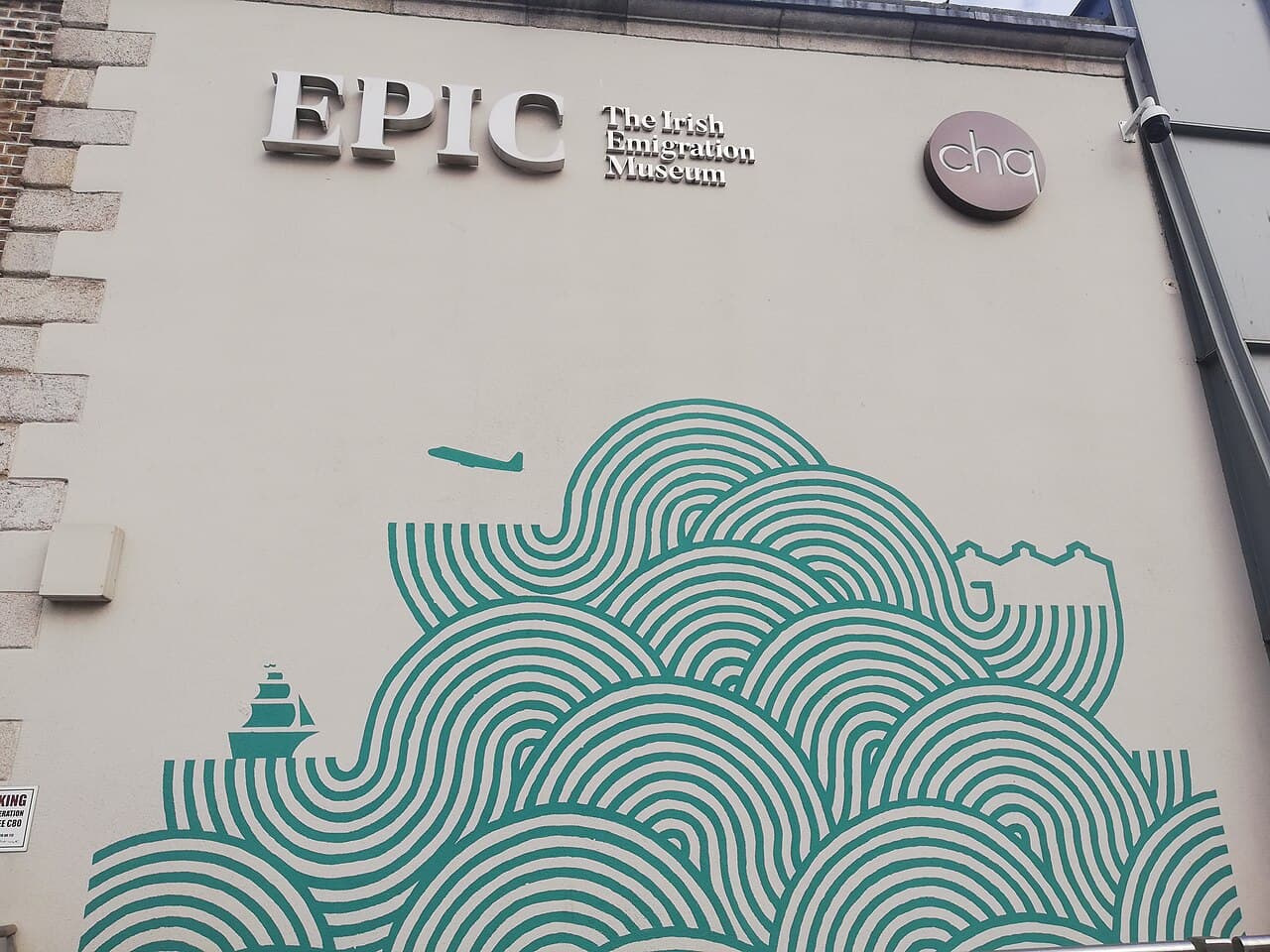
A signature stop locals and returning travelers point to in Dublin.
Photo: Sheila1988 · CC BY-SA 4.0
A pocket of Dublin with its own temperament — worth a deliberate detour when you're in the area.
A pocket of Dublin with its own temperament — worth a deliberate detour when you're in the area.
A pocket of Dublin with its own temperament — worth a deliberate detour when you're in the area.
A pocket of Dublin with its own temperament — worth a deliberate detour when you're in the area.
Wanderlust Pro
Pro members see insider tips for Dublin: a short list of restaurants, cafés and sights, picked by AI as local suggestions to double-check before you go.
The quick answers travelers want before they commit to flights, neighborhoods, and how long to stay.
Dublin Airport (DUB) is located 17.5 km (11 miles) north of the city centre; the journey takes 25–70 minutes depending on traffic and mode. There is currently no direct rail or tram link to the airport — MetroLink is in early planning but won't open for several years. Budget travellers should take Dublin Bus (routes 16 or 41), which runs every 15–20 minutes and costs just €2 with a Leap Card (€2.60 exact cash). Express coaches are more comfortable for luggage: Aircoach (Route 700) runs 24/7 every 15 minutes and costs €9, while Dublin Express costs from €9 and can reach the city in as little as 14 minutes via the Port Tunnel. Taxis queue outside both terminals and cost €25–€35 during daytime (Mon–Sat, 8am–8pm) and €32–€45 at night or Sundays; all fares are metered on national regulated tariffs with no surge pricing. App-based services (Uber, Free Now, Bolt) dispatch licensed taxis at the same metered rates. TFI Leap Visitor Cards can be purchased at WHSmith (T1 Arrivals) or SPAR (T2 Arrivals) for seamless onward travel.
Dublin's compact city centre is best explored on foot — top attractions like Trinity College, Temple Bar, and Grafton Street are within easy walking distance of one another. For longer distances, the TFI Leap Card is essential: it unlocks the €2 TFI 90-Minute Fare, which covers a single trip or unlimited transfers across Dublin Bus, Luas tram, DART, and commuter rail within Zone 1 for 90 minutes. The daily fare cap with a Leap Card is €6 and the weekly cap is €24. The Luas tram has two lines — the Red Line (west) and the Green Line (south) — with single fares up to €2.60 cash or cheaper with Leap. The DART coastal rail is ideal for exploring Dublin Bay villages from Howth to Dalkey. Leap Cards (regular or Visitor) are sold at newsagents, Luas/DART stations, and at the airport. For taxis, apps like Free Now, Uber (licensed taxis), and Bolt work citywide. DublinBikes offers a convenient bike-sharing scheme for short hops. Plan journeys with the TFI Real Time or TFI Journey Planner app.
Dublin rewards visitors across all seasons, but timing shapes the experience significantly. Late spring — particularly May and June — is a favourite among seasoned travellers: the weather is often pleasantly mild, daylight stretches well into the evening, crowds haven't yet peaked, and the city buzzes with events including the beloved Bloomsday festival on June 16th celebrating James Joyce. July and August are the warmest months (temperatures hovering around 18–19°C), with the longest days and a packed festival calendar, but accommodation prices soar and popular sights require advance booking. September is an underrated sweet spot: summer warmth lingers, tourist numbers thin, and Culture Night in late September fills venues across the city. Autumn also brings the atmospheric Bram Stoker Festival in October. Winter (December–February) is cold and damp, but Dublin's 800+ pubs come into their own, Christmas markets light up Grafton Street, and room rates drop significantly. St Patrick's Day in March draws enormous crowds and causes a spike in prices, though the atmosphere is electric. No matter when you visit, pack layers and expect at least some rain — but take full advantage of every bright spell.
Start at Trinity College: stroll the Georgian campus and visit the Book of Kells and the Long Room of the Old Library. Book tickets in advance and arrive early to beat queues.
Walk southwest to Dublin Castle (parts dating to the 13th century) and explore the adjacent Christ Church Cathedral and the Dublinia Viking & Medieval Museum in The Liberties neighbourhood.
Head to Temple Bar for a first pint at The Temple Bar pub and dinner at one of the cobblestone-lined streets. Catch live traditional music — sessions run nightly.
Visit the Guinness Storehouse in The Liberties — book ahead and cap the tour with panoramic views from the Gravity Bar. Nearby, explore the Teeling or Pearse Lyon whiskey distilleries.
Walk east to St. Patrick's Cathedral (tickets €11), then stroll through the Georgian Quarter around Merrion Square. Oscar Wilde's childhood home is at No. 1. Browse the National Gallery of Ireland — free entry.
Head to Portobello or Rathmines for dinner at a local neighbourhood restaurant away from the tourist trail, then follow the Grand Canal for an evening walk.
Take the DART north to Howth for a clifftop coastal walk and fresh seafood at the harbour, or head to Phoenix Park — more than twice the size of Central Park — for cycling and a chance to spot the free-roaming fallow deer herd.
Return to the city and visit Kilmainham Gaol for a moving tour of Ireland's struggle for independence, followed by the EPIC Irish Emigration Museum on the quays.
Seek out a genuine trad session at an authentic pub like The Cobblestone in Stoneybatter, where live music runs every day and the crowd is shushed to give musicians full attention.
Real coworking spaces, laptop-friendly cafés, and libraries mapped near the center of the city — the closest, best-rated desks first.
No coworking-ready spots surfaced for this city yet.
Pick a different category or check back once we’ve indexed more desks for this city.
Ask for cafés, quiet neighborhoods, date-night spots, or a first 48-hour plan.
Mention calls, Wi-Fi needs, or how much of the day has to stay laptop-friendly.
Get faster answers on where to stay, when to move neighborhoods, and what to skip.
There aren’t any, yet!
Block off the weeks you're free. Wanderlust turns this dossier — flights, lodging, neighborhoods, timing — into a single draft itinerary in about ninety seconds.
Wanderlust Pro
Insider tips for Dublin, unlimited AI-built itineraries, and travel companions you can invite to plan a trip together. From $5.00/month, billed annually.
Wanderlust Pro
Pro members see insider tips for Dublin: a short list of restaurants, cafés and sights, picked by AI as local suggestions to double-check before you go.