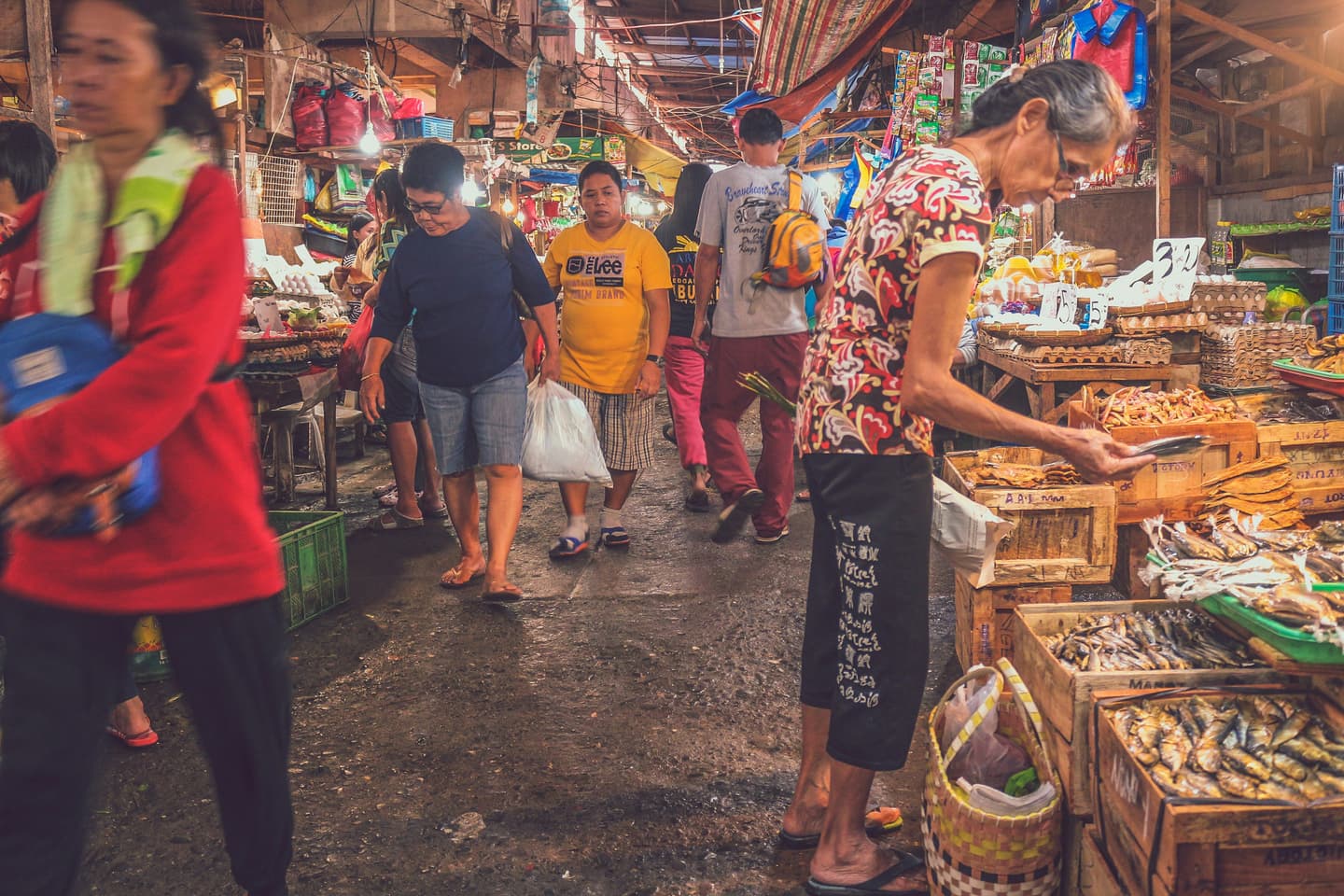
 City postcard
Davao
Mindanao's vibrant capital — where durian-scented markets, soaring Mount Apo, and island escapes meet big-city affordability.
Mindanao's vibrant capital — where durian-scented markets, soaring Mount Apo, and island escapes meet big-city affordability.
Davao City, on the southern island of Mindanao, is the Philippines' third-largest city and one of its most liveable — celebrated for clean streets, orderly governance, and exceptional affordability. Nature lovers find a paradise here, with Mount Apo (the country's highest peak), the Philippine Eagle Center, and the white-sand beaches of Samal Island all within easy reach. A diverse mix of indigenous cultures, migrant communities, and a growing expat scene give the city a cosmopolitan yet grounded feel. Strong English proficiency, low daily costs, and improving connectivity have made Davao an increasingly compelling base for long-stay travelers and digital nomads.
City postcardMindanao's vibrant capital — where durian-scented markets, soaring Mount Apo, and island escapes meet big-city affordability.
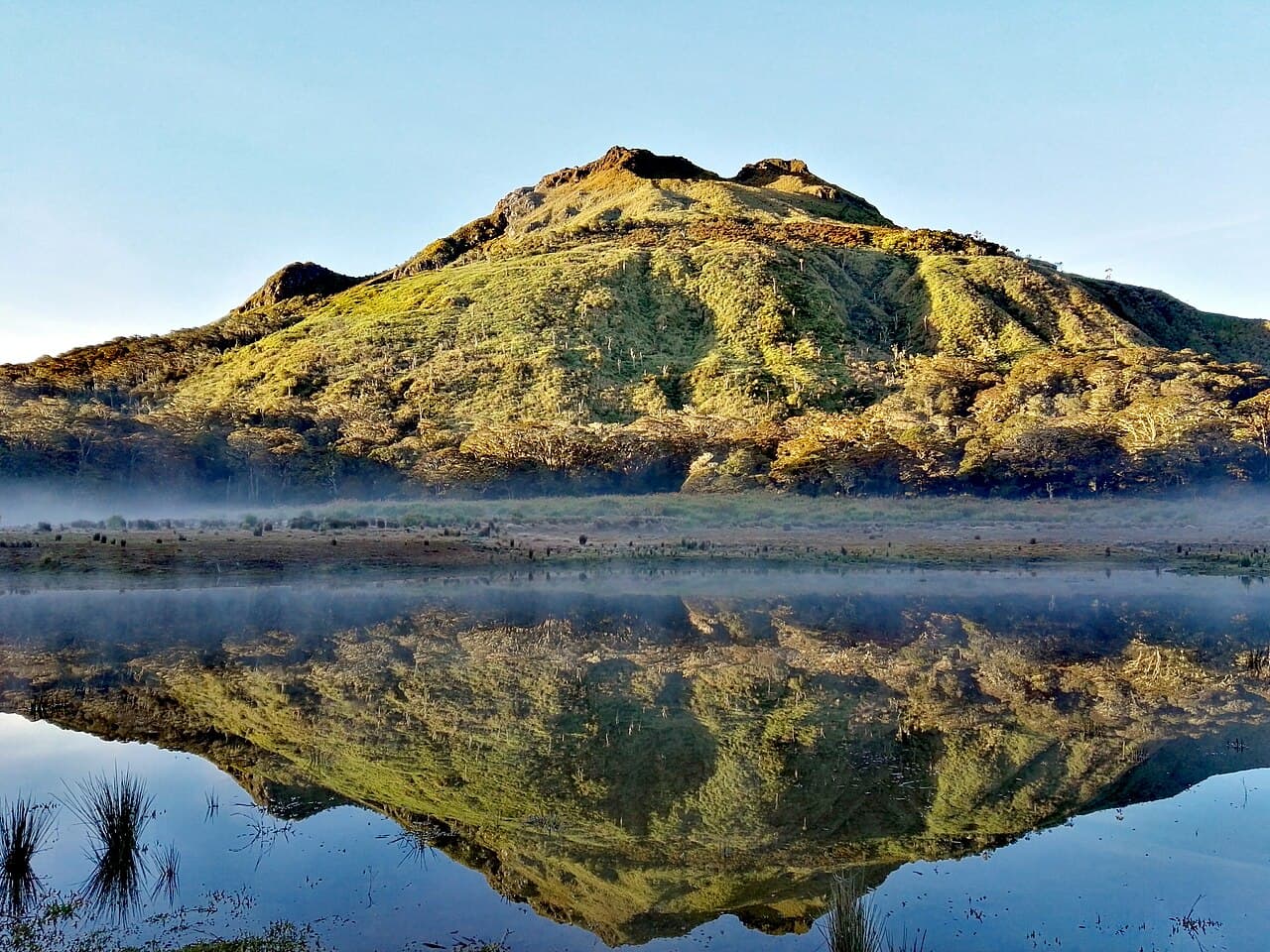 Top sight
A signature stop locals and returning travelers point to in Davao.
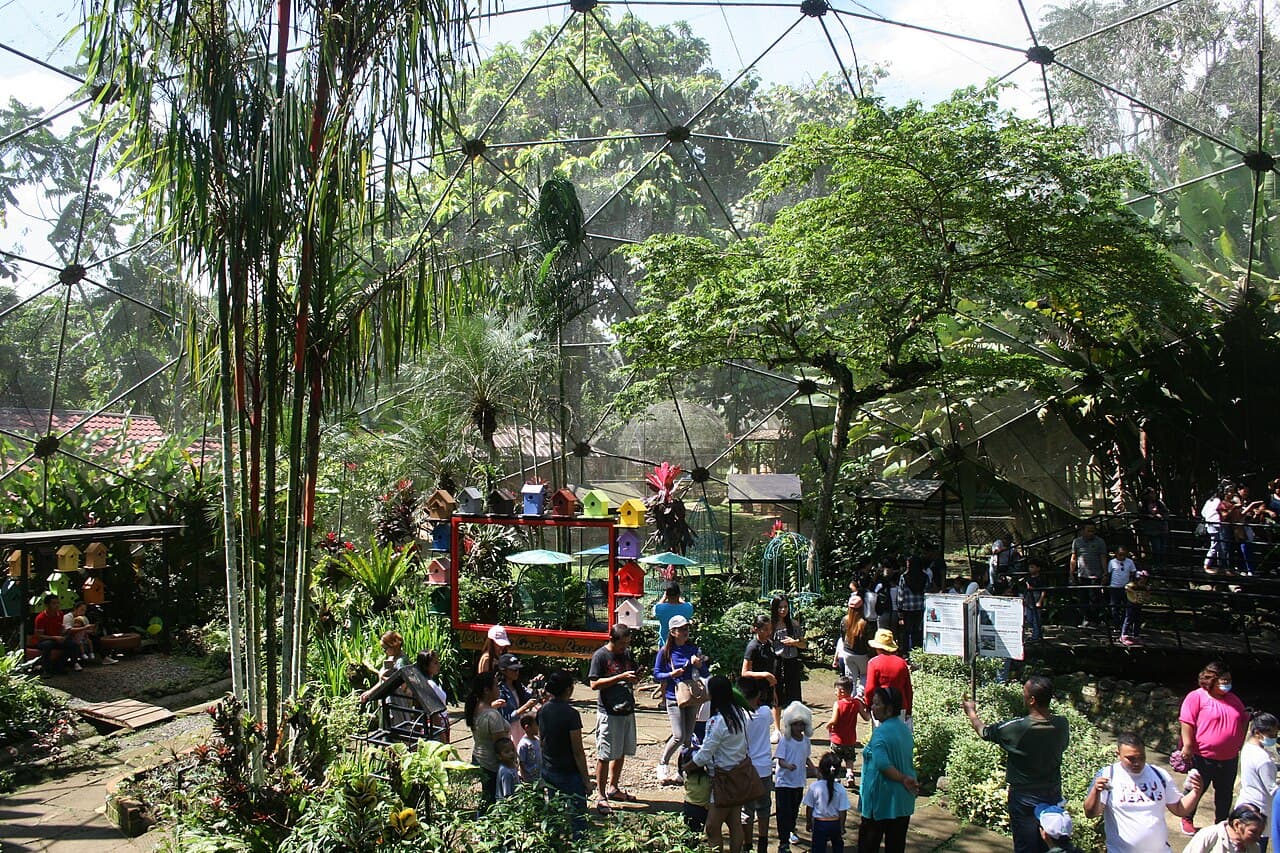 Top sight
A signature stop locals and returning travelers point to in Davao.
A signature stop locals and returning travelers point to in Davao.
Photo: Dosias · CC BY-SA 4.0
A signature stop locals and returning travelers point to in Davao.
A signature stop locals and returning travelers point to in Davao.
A signature stop locals and returning travelers point to in Davao.
A signature stop locals and returning travelers point to in Davao.
A signature stop locals and returning travelers point to in Davao.
A signature stop locals and returning travelers point to in Davao.
Photo: Gary Todd from Xinzheng, China · Public domain
A signature stop locals and returning travelers point to in Davao.
A pocket of Davao with its own temperament — worth a deliberate detour when you're in the area.
A pocket of Davao with its own temperament — worth a deliberate detour when you're in the area.
A pocket of Davao with its own temperament — worth a deliberate detour when you're in the area.
A pocket of Davao with its own temperament — worth a deliberate detour when you're in the area.
The quick answers travelers want before they commit to flights, neighborhoods, and how long to stay.
The main gateway is Francisco Bangoy International Airport (DVO), which handles both domestic and international flights. Philippine Airlines, Cebu Pacific, and AirAsia all operate frequent daily services; the Manila–Davao flight takes roughly 1 hour 50 minutes. From the airport, taxis to downtown cost approximately PHP 834 (~USD 15) for a 40-minute ride, while the Ecoland Bus Terminal — the hub for inter-city buses to General Santos, Cagayan de Oro, and beyond — is about a PHP 389 (~USD 7) taxi ride away. By sea, 2GO Travel and other ferry companies offer sailings from Manila and Cebu, though the journey takes 30–36 hours. Land travelers from other Mindanao cities can connect via bus or van through Ecoland Terminal, with routes across the island.
Davao runs on a practical mix of jeepneys, the new DC Bus system, metered taxis, tricycles, and Grab. Jeepney base fares are PHP 14 plus PHP 2/km (as of 2026). Metered taxis start at PHP 40 flag-down plus PHP 13.50/km — one of the few Philippine cities where functioning meter taxis are still the norm. Grab is available but supply can be thin during peak hours, with a per-km rate of PHP 15. The city-run DC Bus network expanded in 2025 with over 70 modern buses covering major corridors (Toril, Calinan, Buhangin, Roxas Avenue, and the CBD), offering fixed routes, standardized fares, and cashless payment. For day trips, renting a motorbike or car is practical — parking is cheap and road conditions are better than in many Philippine cities.
Unlike most of the Philippines, Davao sits outside the main typhoon belt, giving it a more even climate year-round with no sharply defined wet and dry seasons. That said, March through May tends to be the driest stretch, with the lowest rainfall and warm temperatures ideal for hiking Mount Apo or hopping to Samal Island. August is the cultural highlight of the calendar — the week-long Kadayawan Festival floods the streets with flower floats, indigenous street dancing, and tribal performances, coinciding with the peak fruit season (August–October) when durian and other tropical fruits are at their finest. December through February brings slightly cooler, more comfortable temperatures and thinner crowds, though the Christmas–New Year period sees a short spike in prices. For the best balance of good weather, festive atmosphere, and manageable crowds, aim for March–May or the Kadayawan window in mid-August.
Start at People's Park to see the iconic Durian Dome and landscaped gardens, then walk to the Museo Dabawenyo (free entry) for an introduction to Davao's indigenous history and colonial past.
Explore the Poblacion District — grab fresh durian and tropical fruit at Magsaysay Park's coastal market, browse souvenir stalls, and watch the city bustle along the waterfront.
Head to Roxas Avenue Night Market for a feast of grilled street food, fresh seafood, and local specialties at bargain prices — one of Davao's best after-dark experiences.
Visit the Philippine Eagle Center in Malagos to see the critically endangered national bird up close, along with conservation exhibits. Combine with a visit to Malagos Garden Resort for its botanical gardens and chocolate experiences.
Continue into the highlands to Eden Nature Park, sprawling across 80 hectares on the slopes of Mount Talomo. Walk nature trails, enjoy the cool mountain air, and try the zipline or Skycycle.
Sunset drinks and dinner at Jack's Ridge, the hilltop viewpoint restaurant with panoramic views over the city lights below.
Take a short ferry from Sta. Ana Wharf to Samal Island (about 20 minutes). Check into a beach resort, snorkel the clear waters, and explore the Giant Clam Sanctuary.
Relax on Samal's white-sand beaches or take a boat to quieter Talikud Island for coral reef snorkeling and a truly laid-back island atmosphere.
Return to Davao by ferry before dark and cap the trip with dinner at one of Lanang's modern dining spots in the SM Lanang Premier area.
Real coworking spaces, laptop-friendly cafés, and libraries mapped near the center of the city — the closest, best-rated desks first.
No coworking-ready spots surfaced for this city yet.
Pick a different category or check back once we’ve indexed more desks for this city.
Ask for cafés, quiet neighborhoods, date-night spots, or a first 48-hour plan.
Mention calls, Wi-Fi needs, or how much of the day has to stay laptop-friendly.
Get faster answers on where to stay, when to move neighborhoods, and what to skip.
There aren’t any, yet!
Block off the weeks you're free. Wanderlust turns this dossier — flights, lodging, neighborhoods, timing — into a single draft itinerary in about ninety seconds.
Wanderlust Pro
Go deeper than the highlights — premium Davao intel with hidden gems, top stays, and offline access on the ground. From $5.00/month, billed annually.