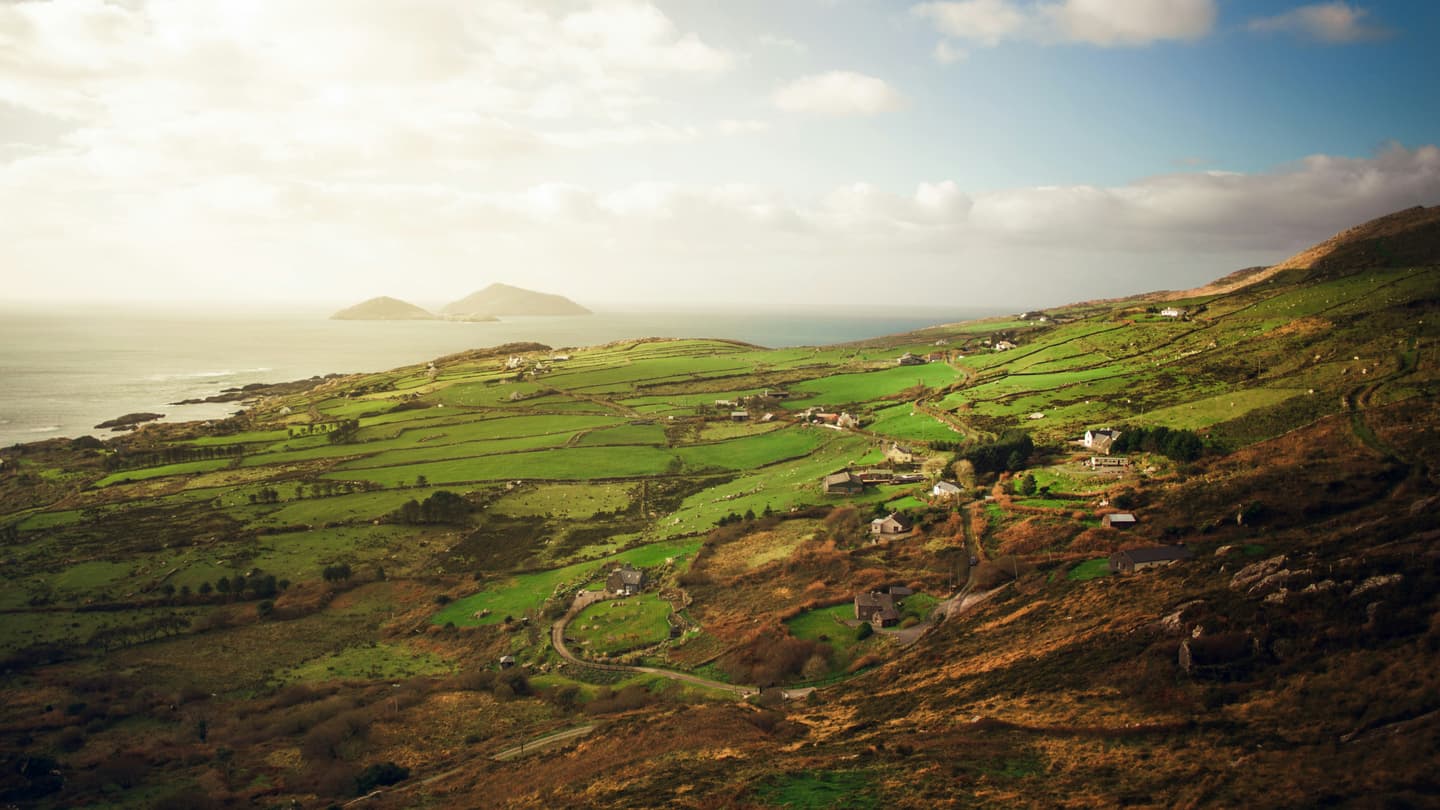
 City postcard
Cork
Ireland's rebel food capital — a compact, walkable city where craft culture, live music, and the famous English Market reign supreme.
Ireland's rebel food capital — a compact, walkable city where craft culture, live music, and the famous English Market reign supreme.
Cork, Ireland's second-largest city, earns fierce local pride with a blend of small-town charm and a surprisingly vibrant cultural scene. Known as the "Rebel City," it has built a reputation as a serious rival to Dublin thanks to its burgeoning food scene, artisan coffee shops, craft breweries, and 24 festivals a year. The compact island city center sits on the River Lee, making most major sights easily walkable. Day trips to Blarney Castle, Kinsale, and Cobh make it an ideal base for exploring Ireland's south coast.
City postcardIreland's rebel food capital — a compact, walkable city where craft culture, live music, and the famous English Market reign supreme.
 Top sight
A signature stop locals and returning travelers point to in Cork.
 Top sight
A signature stop locals and returning travelers point to in Cork.
 Top sight
A signature stop locals and returning travelers point to in Cork.
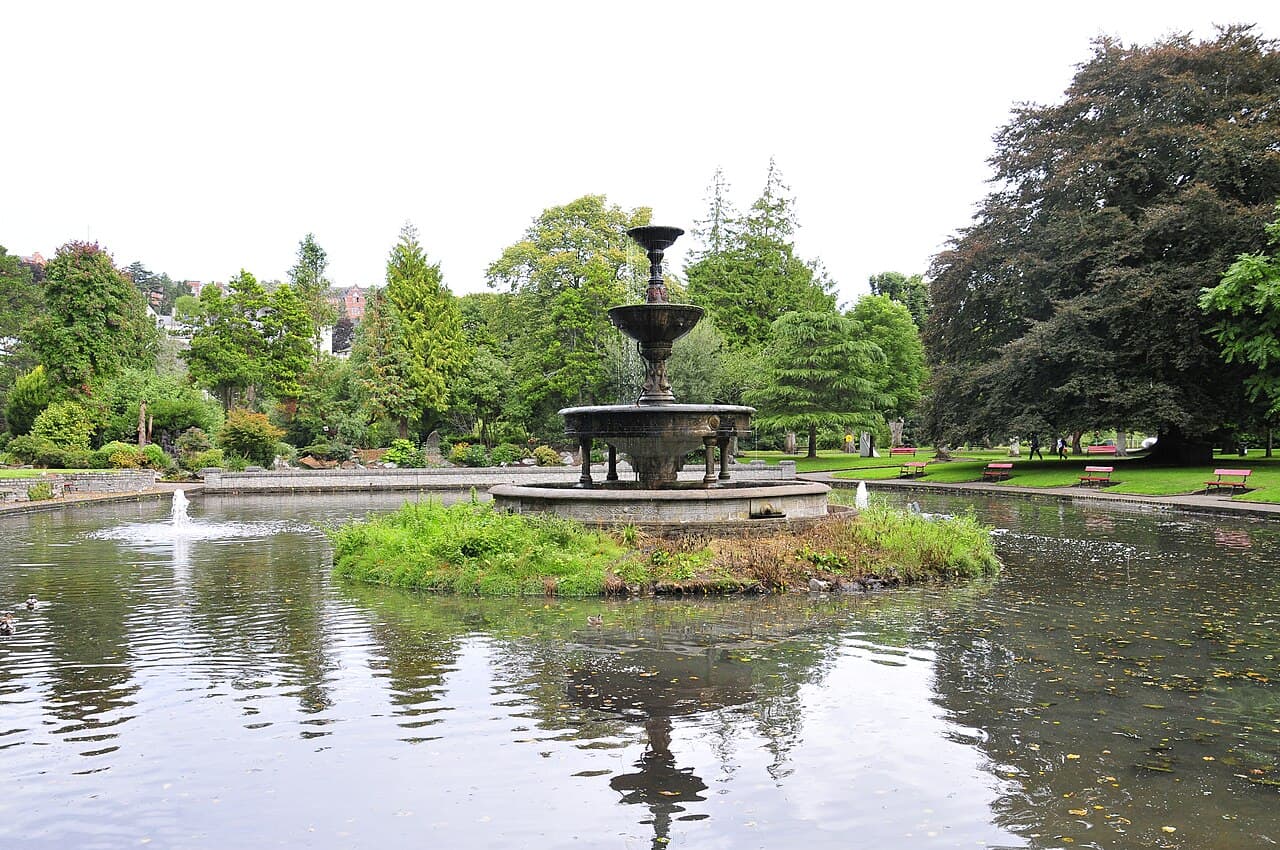 Top sight
A signature stop locals and returning travelers point to in Cork.
A signature stop locals and returning travelers point to in Cork.
Photo: Andy Beecroft · CC BY-SA 2.0
A signature stop locals and returning travelers point to in Cork.
A signature stop locals and returning travelers point to in Cork.
A signature stop locals and returning travelers point to in Cork.
A signature stop locals and returning travelers point to in Cork.
Photo: Sheila1988 · CC BY-SA 4.0
A signature stop locals and returning travelers point to in Cork.
Photo: Wikimedia Commons · Public domain
A signature stop locals and returning travelers point to in Cork.
Photo: Juri300 · CC BY-SA 4.0
A signature stop locals and returning travelers point to in Cork.
A visual anchor inside Cork worth building into the route.
A pocket of Cork with its own temperament — worth a deliberate detour when you're in the area.
A pocket of Cork with its own temperament — worth a deliberate detour when you're in the area.
A pocket of Cork with its own temperament — worth a deliberate detour when you're in the area.
A pocket of Cork with its own temperament — worth a deliberate detour when you're in the area.
Wanderlust Pro
Pro members see insider tips for Cork: a short list of restaurants, cafés and sights, picked by AI as local suggestions to double-check before you go.
The quick answers travelers want before they commit to flights, neighborhoods, and how long to stay.
Cork Airport (ORK) is the main entry point, located just 6 miles south of the city centre. There is no direct train to the airport, but Bus Éireann routes 225 and 226 run every 30 minutes and reach the city in approximately 18 minutes, costing around $4–$7. A taxi takes about 8 minutes and costs $19–$23. Cork Airport has also partnered with Iarnród Éireann and Bus Éireann on integrated ticketing, letting rail passengers arriving at Cork Kent Station add an airport bus transfer on a single ticket. From Dublin, Citylink and Bus Éireann coaches connect Dublin Airport to Cork city in around 3 hours, with fares averaging around $27.
Cork city centre is compact and very walkable — most major sights, the English Market, St. Anne's Church, and the University College Cork campus are all within easy walking distance of each other. For wider travel, Bus Éireann operates over 30 city bus routes, with buses running every 10–30 minutes depending on the route. The TFI Leap Card is the cheapest way to ride, saving up to 30% versus cash fares, and works on both city buses and the Cork commuter rail lines to Cobh and Midleton. Cork also has a TFI public bike-share scheme with stations across the city centre — the first 30 minutes are included in the subscription, making it ideal for short hops. For rural County Cork, a hire car is recommended; all major international rental companies operate from Cork Airport.
The sweet spot for visiting Cork is late spring to early autumn, May through September, when average temperatures sit between 12–16°C (54–61°F), days are long, and the risk of heavy rain is lower. July and August deliver the warmest, sunniest weather and the city buzzes with tourists — book accommodation well in advance. For a balance of good weather and thinner crowds, May through early July is ideal. October is a compelling shoulder-season choice thanks to the Cork Jazz Festival, which draws international performers to venues across the city. Winter is quiet, mild by European standards, and offers the cheapest rates, though expect more rain and shorter days.
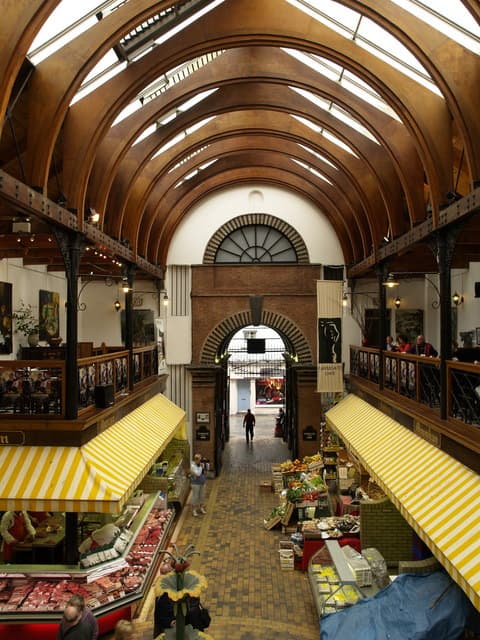
Start at the English Market for a sensory breakfast of local produce — grab a coffee and a fresh pastry from one of the market's traders. Wander the stalls before heading to the Crawford Art Gallery (free entry) on Emmet Place.
Stroll south across the River Lee to St. Fin Barre's Cathedral, Cork's Gothic masterpiece dedicated to the city's patron saint. Continue into the South Parish and along the riverbanks before returning to St. Patrick's Street for browsing and people-watching.
Dinner at a restaurant in the Victorian Quarter, then follow a local tip to find a neighbourhood pub with a live trad session. Music here tends to be warmer and less performative than in more tourist-facing venues.
Head uphill to the Shandon district, one of Cork's most evocative neighbourhoods, characterised by steep winding streets and brightly painted houses. Climb the tower of St. Anne's Church to ring the 18th-century Shandon Bells yourself and enjoy panoramic city views.
Walk down to University College Cork (UCC) and explore the beautiful limestone quad and grounds. Continue to the nearby Fitzgerald's Park and the Cork Public Museum for a relaxed afternoon.
Return to the city centre for dinner, then try the Jameson Distillery Experience at Midleton (if booking in advance) or explore the craft brewery bars that have sprung up across Cork's revitalised streets.
Take your pick: head to Blarney Castle (a short bus or taxi ride from the city) to kiss the Blarney Stone and wander the castle grounds and gardens, or board the commuter rail from Kent Station to Cobh for its colourful harbour-front and Titanic Experience.
If in Cobh, explore the cathedral and the Heritage Centre before returning to Cork. If at Blarney, visit the Blarney Woollen Mills before your return.
End your Cork stay with a final meal at one of the city's celebrated restaurants — Cork's food scene consistently rivals the best in Ireland — before an easy journey back to Cork Airport via the 225/226 Bus Éireann service.
Real coworking spaces, laptop-friendly cafés, and libraries mapped near the center of the city — the closest, best-rated desks first.
No coworking-ready spots surfaced for this city yet.
Pick a different category or check back once we’ve indexed more desks for this city.
Ask for cafés, quiet neighborhoods, date-night spots, or a first 48-hour plan.
Mention calls, Wi-Fi needs, or how much of the day has to stay laptop-friendly.
Get faster answers on where to stay, when to move neighborhoods, and what to skip.
There aren’t any, yet!
Block off the weeks you're free. Wanderlust turns this dossier — flights, lodging, neighborhoods, timing — into a single draft itinerary in about ninety seconds.
Wanderlust Pro
Insider tips for Cork, unlimited AI-built itineraries, and travel companions you can invite to plan a trip together. From $5.00/month, billed annually.
Wanderlust Pro
Pro members see insider tips for Cork: a short list of restaurants, cafés and sights, picked by AI as local suggestions to double-check before you go.