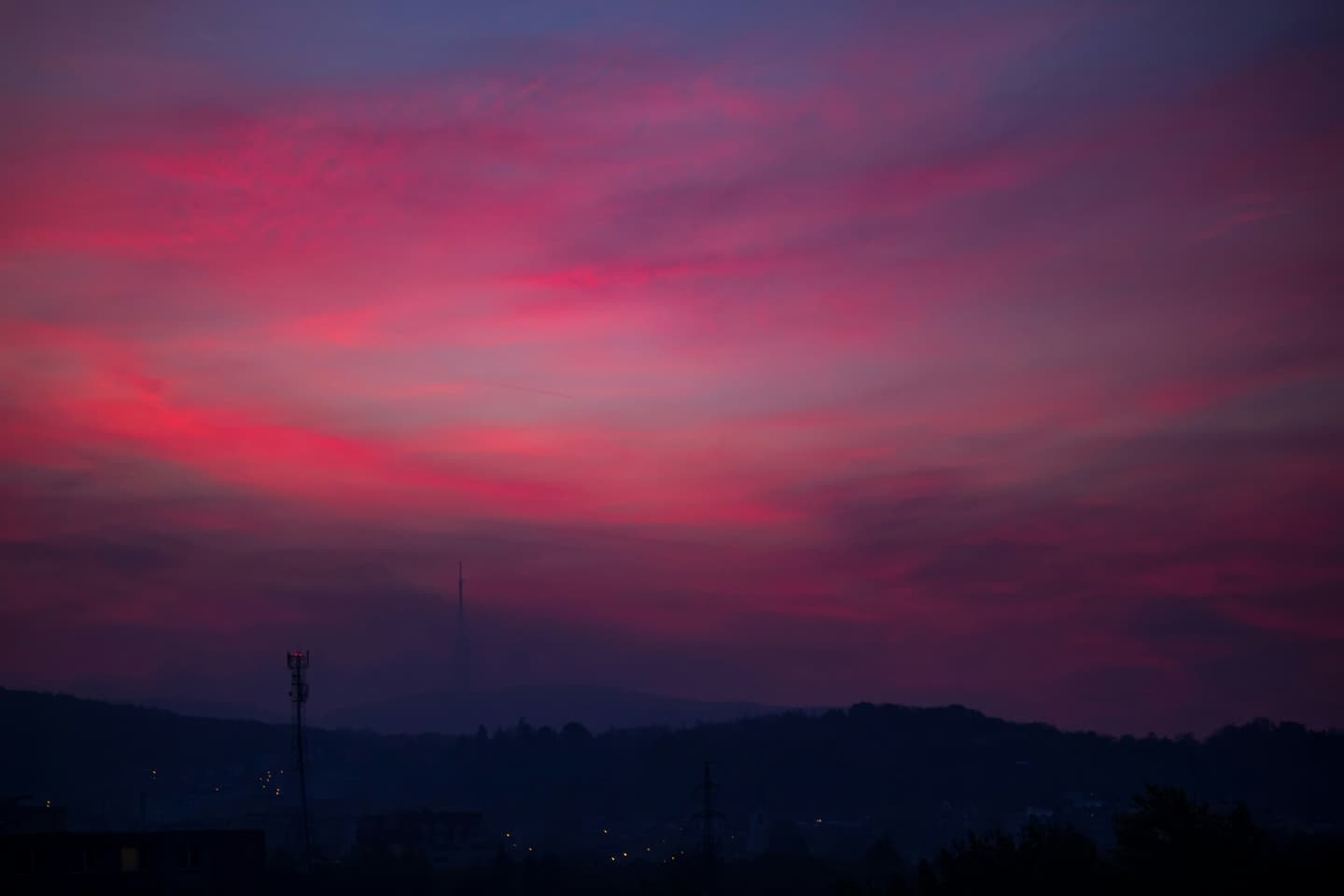
 City postcard
Bratislava
Central Europe's most compact capital — medieval charm, Habsburg palaces, and the Danube, all within a short walk.
Central Europe's most compact capital — medieval charm, Habsburg palaces, and the Danube, all within a short walk.
Bratislava is Slovakia's capital and largest city, perched on the Danube at the crossroads of Austria and Hungary. With fewer than half a million residents, it's one of Europe's most walkable capitals — its medieval Old Town, Baroque palaces, and modernist riverfront sit within easy strolling distance of each other. The city has undergone a quiet renaissance, with major infrastructure projects like the Eurovea II complex and a new Petržalka tram line modernising its fabric while its historic core retains Old World charm. It's affordable by Western European standards and makes an ideal base for day trips to Vienna, Budapest, and the Small Carpathians wine country.
City postcardCentral Europe's most compact capital — medieval charm, Habsburg palaces, and the Danube, all within a short walk.
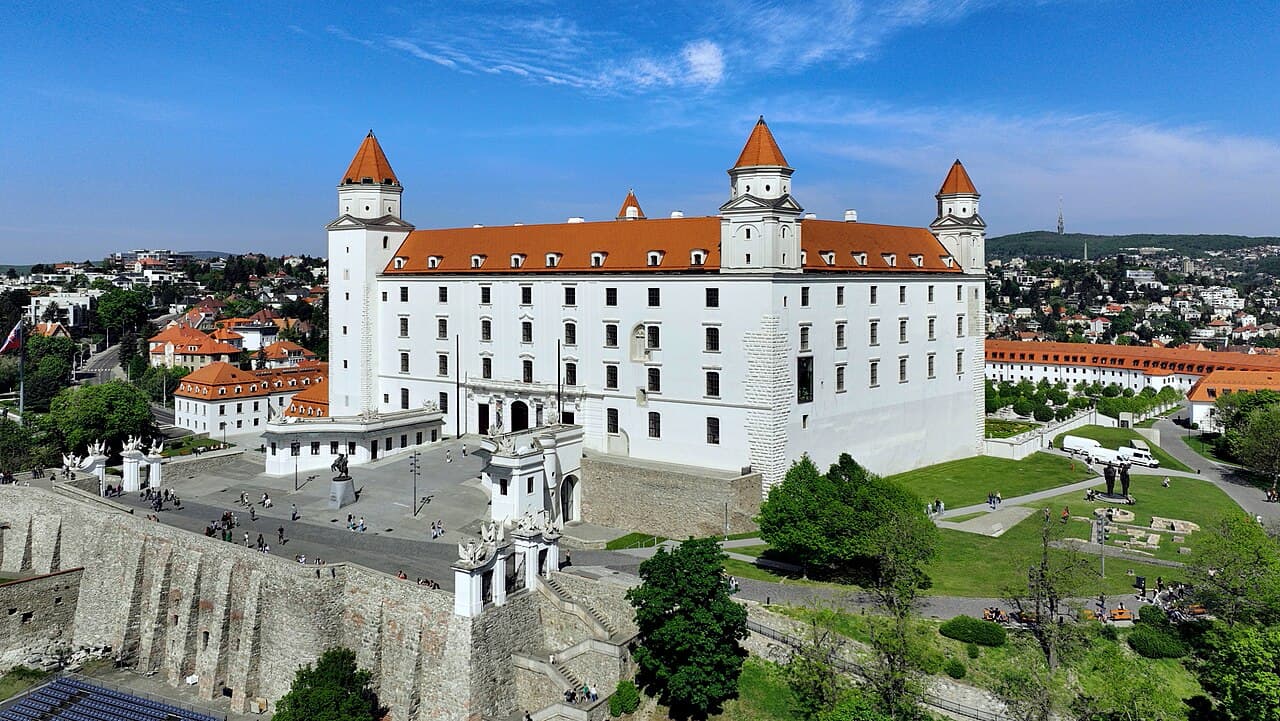 Top sight
A signature stop locals and returning travelers point to in Bratislava.
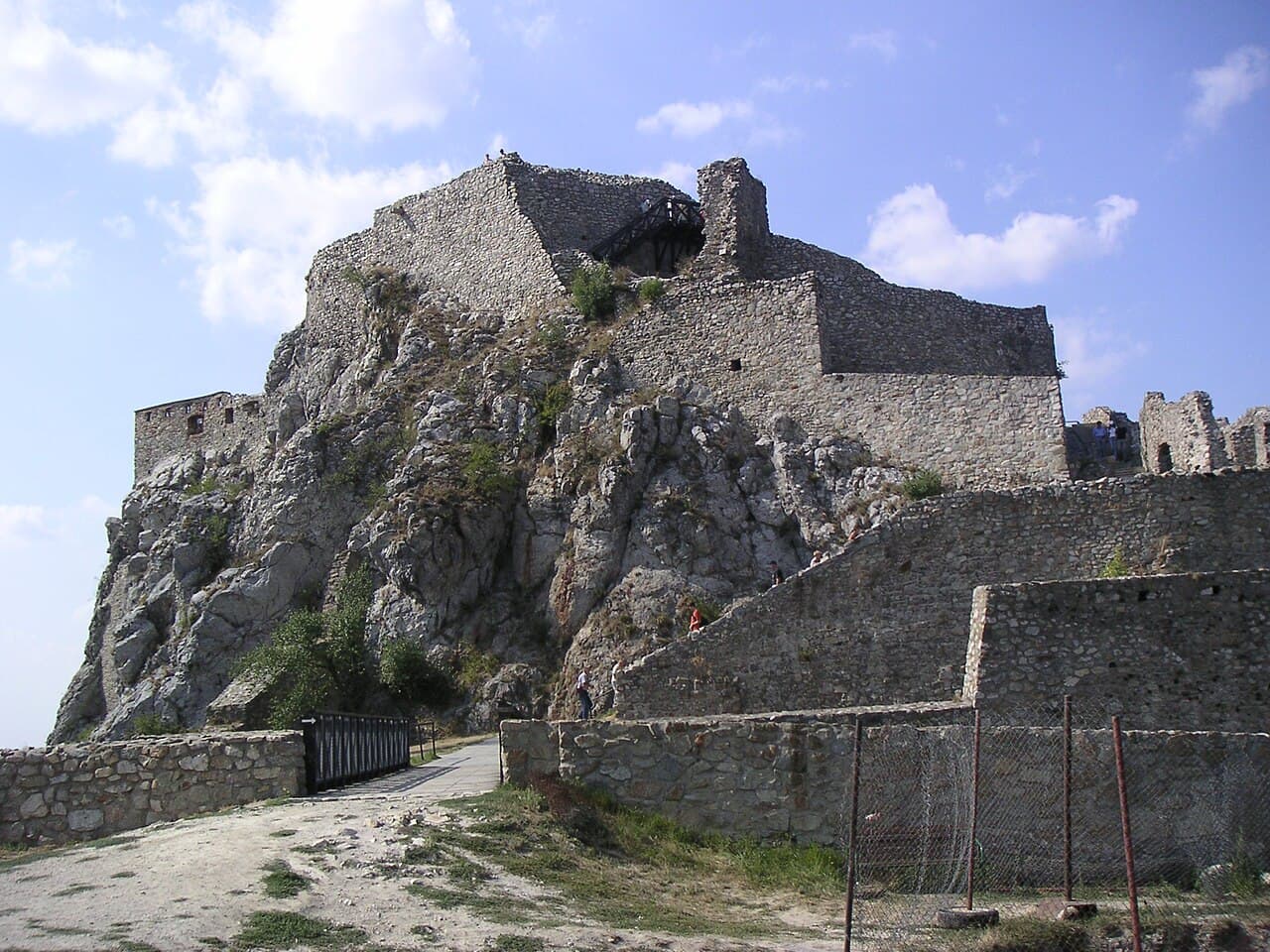 Top sight
A signature stop locals and returning travelers point to in Bratislava.
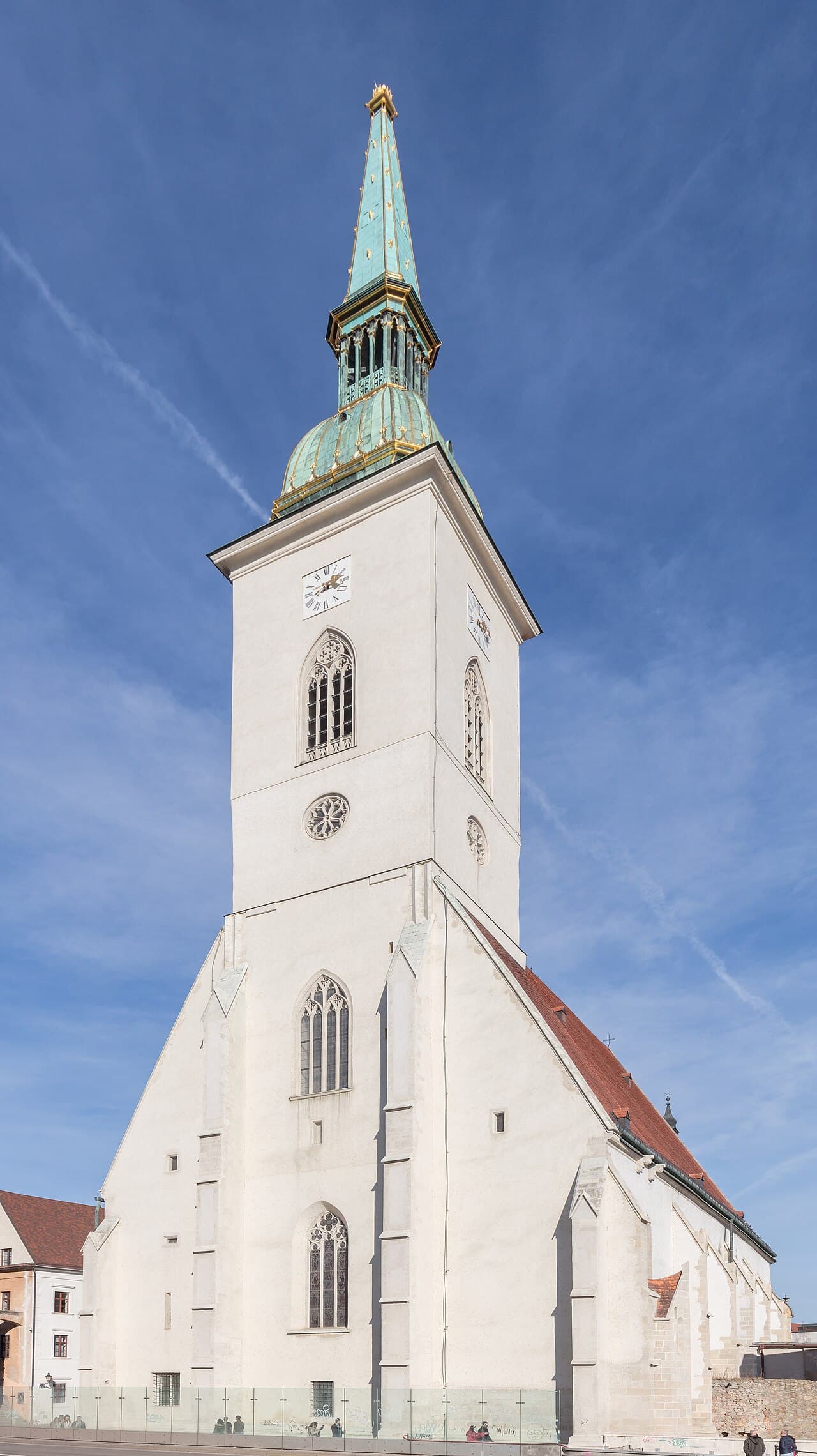 Top sight
A signature stop locals and returning travelers point to in Bratislava.
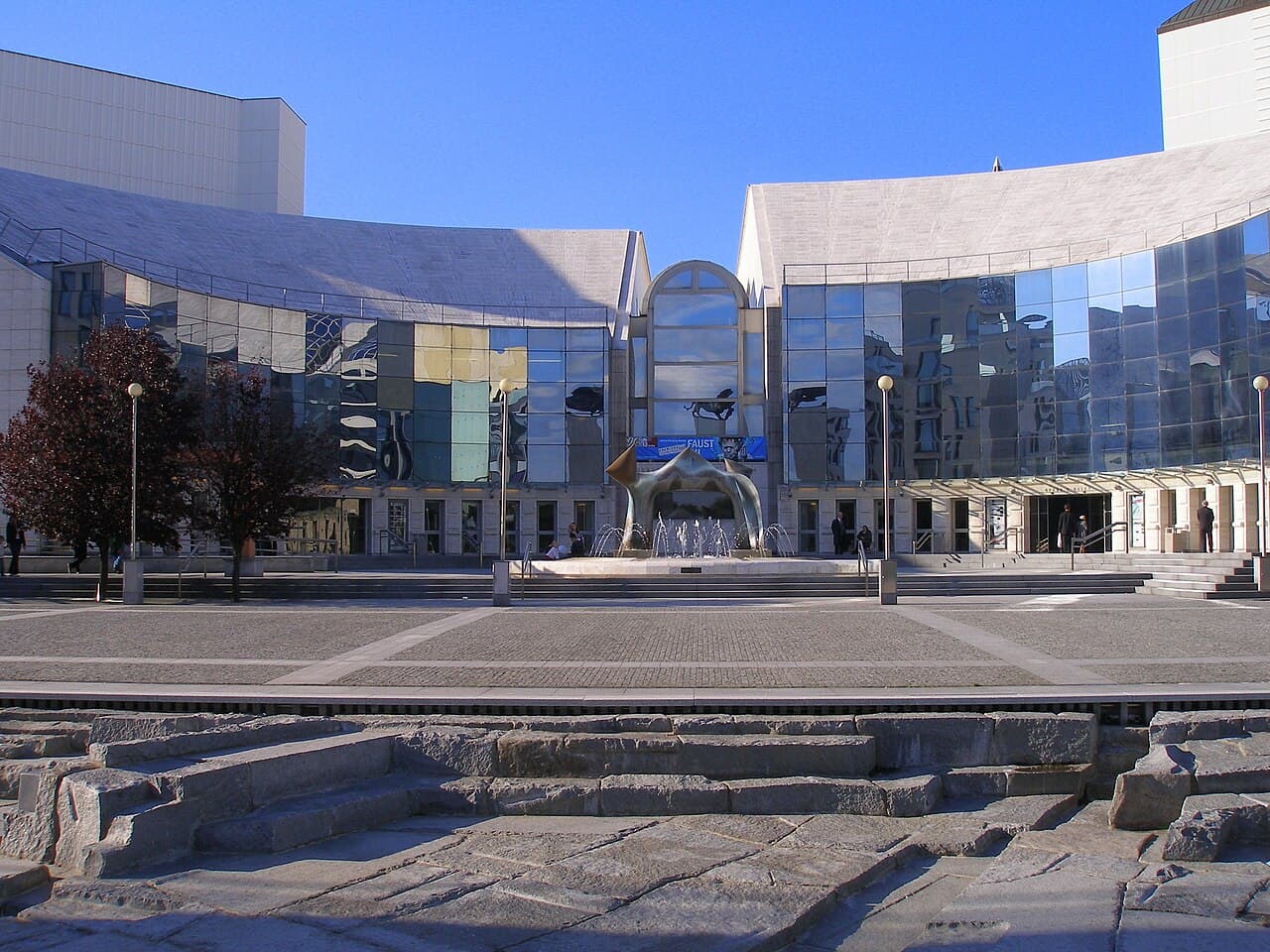 Top sight
A signature stop locals and returning travelers point to in Bratislava.
A signature stop locals and returning travelers point to in Bratislava.
Photo: C.Stadler/Bwag · CC BY-SA 4.0
A signature stop locals and returning travelers point to in Bratislava.
A signature stop locals and returning travelers point to in Bratislava.
Photo: Wikimedia Commons · CC BY-SA 3.0
A signature stop locals and returning travelers point to in Bratislava.
A signature stop locals and returning travelers point to in Bratislava.
Photo: Diego Delso · CC BY-SA 4.0
A signature stop locals and returning travelers point to in Bratislava.
A signature stop locals and returning travelers point to in Bratislava.
A signature stop locals and returning travelers point to in Bratislava.
Photo: Doko Ing. Mgr. Jozef Kotulič · CC BY-SA 3.0
A pocket of Bratislava with its own temperament — worth a deliberate detour when you're in the area.
A pocket of Bratislava with its own temperament — worth a deliberate detour when you're in the area.
A pocket of Bratislava with its own temperament — worth a deliberate detour when you're in the area.
A pocket of Bratislava with its own temperament — worth a deliberate detour when you're in the area.
Wanderlust Pro
Pro members see insider tips for Bratislava: a short list of restaurants, cafés and sights, picked by AI as local suggestions to double-check before you go.
The quick answers travelers want before they commit to flights, neighborhoods, and how long to stay.
Bratislava Milan Rastislav Štefánik Airport (BTS) sits about 9 km from the city centre, reachable in 15–20 minutes by taxi or 25–35 minutes by public bus. The cheapest option is Bus 61, which departs from outside the main terminal every 15 minutes (04:40–23:30) and terminates at the main train station (Hlavná stanica); a single ticket costs approximately €1.10 for adults (€0.55 concessions). From Hlavná stanica you can walk to the Old Town in 15 minutes, or connect via Bus 93 or Tram 1. A taxi takes around 10–20 minutes to the centre and costs roughly €17–€22 — always use the official taxi rank or the HOPIN app to avoid overcharging. Shared shuttles run €10–€15 per person. Bratislava is also well connected regionally: Vienna is just 1 hour away by train or bus, and the scenic Twin City Liner ferry from Vienna's centre costs around €25 per person.
Bratislava is famously walkable — the Old Town, Castle, and most major sights can be covered entirely on foot. For longer trips, the city operates an excellent network of trams, buses, and trolleybuses run by Dopravný podnik Bratislava (DPB). Single tickets are cheap and daily/multi-day passes offer even better value. The Bratislava CARD includes unlimited public transport plus free or discounted entry to major attractions including Bratislava Castle (normally €14). The HOPIN app is the recommended ride-hailing option for taxis, providing transparent pricing and protecting against overcharging. A new Petržalka tram line opened in July 2025, further expanding coverage across the Danube.
Bratislava follows a classic Central European four-season rhythm — cold winters, warm summers, and shoulder seasons that hit a sweet spot for travellers. May, June, and September are widely considered the best months: temperatures average a comfortable 17–22°C, the Old Town blooms, outdoor café terraces are in full swing, and crowds are manageable compared to peak July and August. Summer (June–August) peaks around 28°C — warm enough for Danube promenades and river cruises but rarely oppressively hot. Autumn brings the added draw of the Small Carpathians wine-harvest festivals and goose-speciality season in September and October. December is worth a visit despite the cold: Bratislava's Christmas markets draw visitors from Vienna and Budapest, bringing festive energy to the quiet low season. January through March is the least appealing stretch — grey, cold, and with the fewest tourists — though prices are at their lowest.
Start at Bratislava Castle for panoramic views over the Danube and the city. The baroque garden is free; the Museum of History inside costs €14 (free with Bratislava CARD). Walk down through the Castle quarter to St. Martin's Cathedral.
Explore Staré Mesto (Old Town): stroll Hlavné námestie (Main Square), find the Čumil manhole statue, and visit the Old Town Hall. Head to the Primate's Palace to see its rare collection of English tapestries. Finish at Michael's Tower, the city's only surviving medieval gate.
Dine in the Old Town on traditional Slovak bryndzové halušky (potato dumplings with sheep cheese) at a local pub, then take in the lit-up castle skyline from Hviezdoslav Square.
Walk across the SNP Bridge and ride the elevator up to the UFO Observation Deck (95 m high, views up to 100 km). Visit the Slovak National Theatre — the ornate Old Building is worth seeing for its architecture alone.
Stroll the Danube promenade and the Eurovea II waterfront complex. Visit the Slovak National Gallery in the Water Barracks to see the country's finest collection of modern and classic art.
Catch sunset from Slavín, Central Europe's largest WWII memorial at 52 m, with sweeping city views. Return to the Old Town for craft beer and Slovak wine in one of the neighbourhood bars.
Take a short bus ride west to Devín Castle, one of Central Europe's most important archaeological sites, dramatically perched where the Morava meets the Danube. Entrance €8 (Apr–Oct).
Return to Bratislava and head northeast into the Small Carpathians wine region. September–October visits coincide with the grape harvest and local wine festivals; the rest of the year offers wine-tasting at village cellars along the scenic Červená cesta (Red Road).
End the trip with a sunset dinner on one of the Old Town's terrace restaurants, or time a departure by the Twin City Liner ferry back to Vienna.
Real coworking spaces, laptop-friendly cafés, and libraries mapped near the center of the city — the closest, best-rated desks first.
No coworking-ready spots surfaced for this city yet.
Pick a different category or check back once we’ve indexed more desks for this city.
Ask for cafés, quiet neighborhoods, date-night spots, or a first 48-hour plan.
Mention calls, Wi-Fi needs, or how much of the day has to stay laptop-friendly.
Get faster answers on where to stay, when to move neighborhoods, and what to skip.
There aren’t any, yet!
Block off the weeks you're free. Wanderlust turns this dossier — flights, lodging, neighborhoods, timing — into a single draft itinerary in about ninety seconds.
Wanderlust Pro
Insider tips for Bratislava, unlimited AI-built itineraries, and travel companions you can invite to plan a trip together. From $5.00/month, billed annually.
Wanderlust Pro
Pro members see insider tips for Bratislava: a short list of restaurants, cafés and sights, picked by AI as local suggestions to double-check before you go.