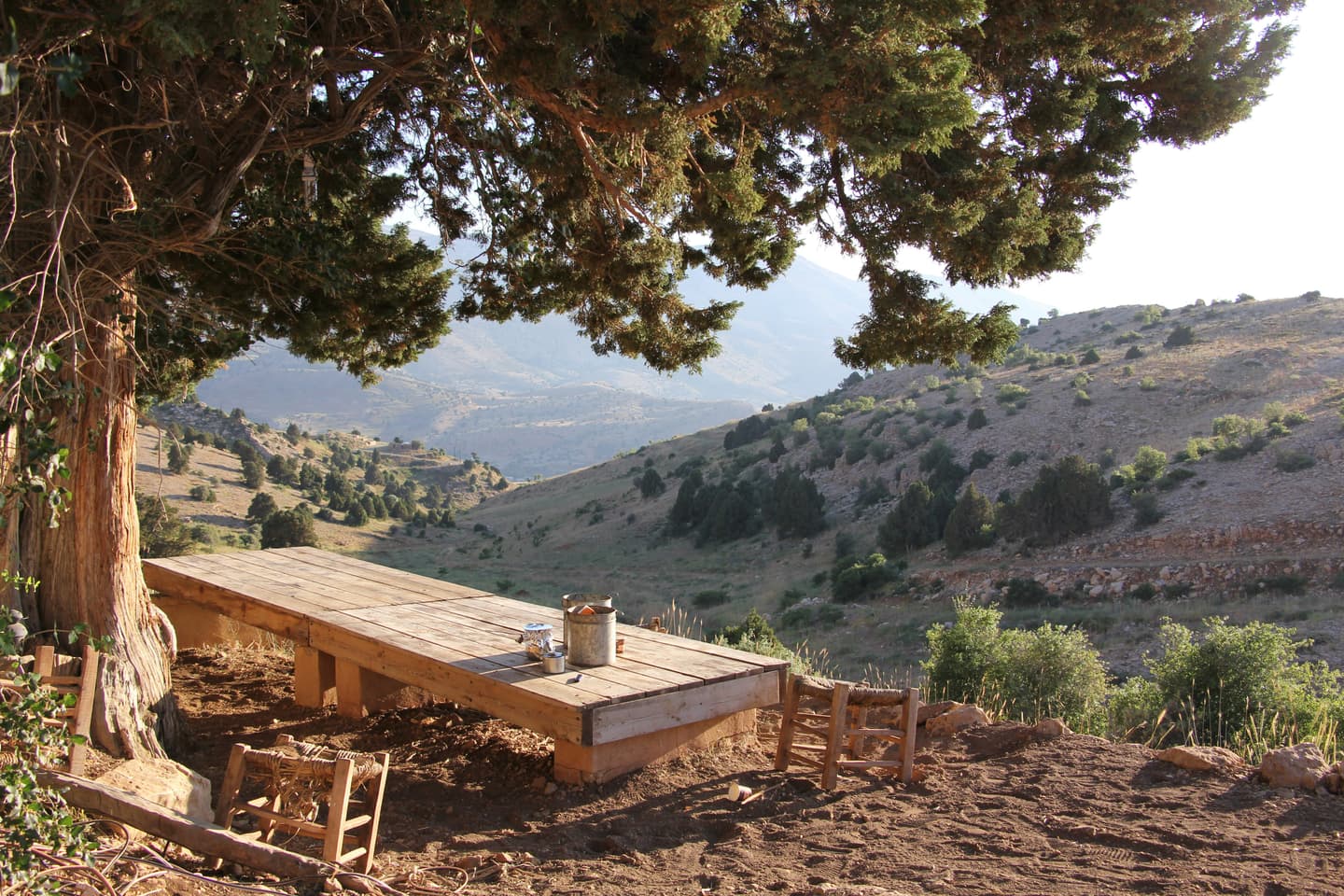
 City postcard
Beirut
Where East meets West — Beirut seduces with ancient ruins, legendary nightlife, and an unbreakable spirit.
Where East meets West — Beirut seduces with ancient ruins, legendary nightlife, and an unbreakable spirit.
Beirut is Lebanon's cosmopolitan capital, a city where Ottoman minarets stand beside Parisian-style façades and a Corniche that curves along the Mediterranean. Its neighborhoods pulse with street art, rooftop bars, and world-class Lebanese cuisine, all underpinned by a resilient creative culture that has survived civil war, economic crisis, and a devastating port explosion. Despite significant challenges — including ongoing travel advisories — the city rewards adventurous, well-prepared travelers with an experience unlike anywhere else in the Middle East. Beirut is best visited by those who do their homework, carry cash, and come with an open heart.
City postcardWhere East meets West — Beirut seduces with ancient ruins, legendary nightlife, and an unbreakable spirit.
 Top sight
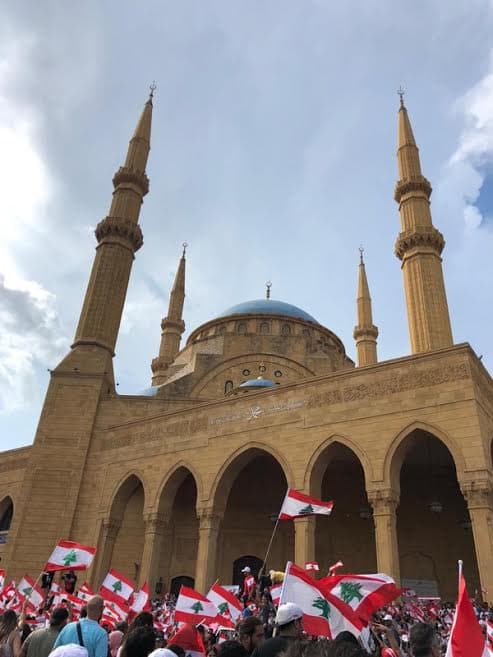
A signature stop locals and returning travelers point to in Beirut.
 Top sight
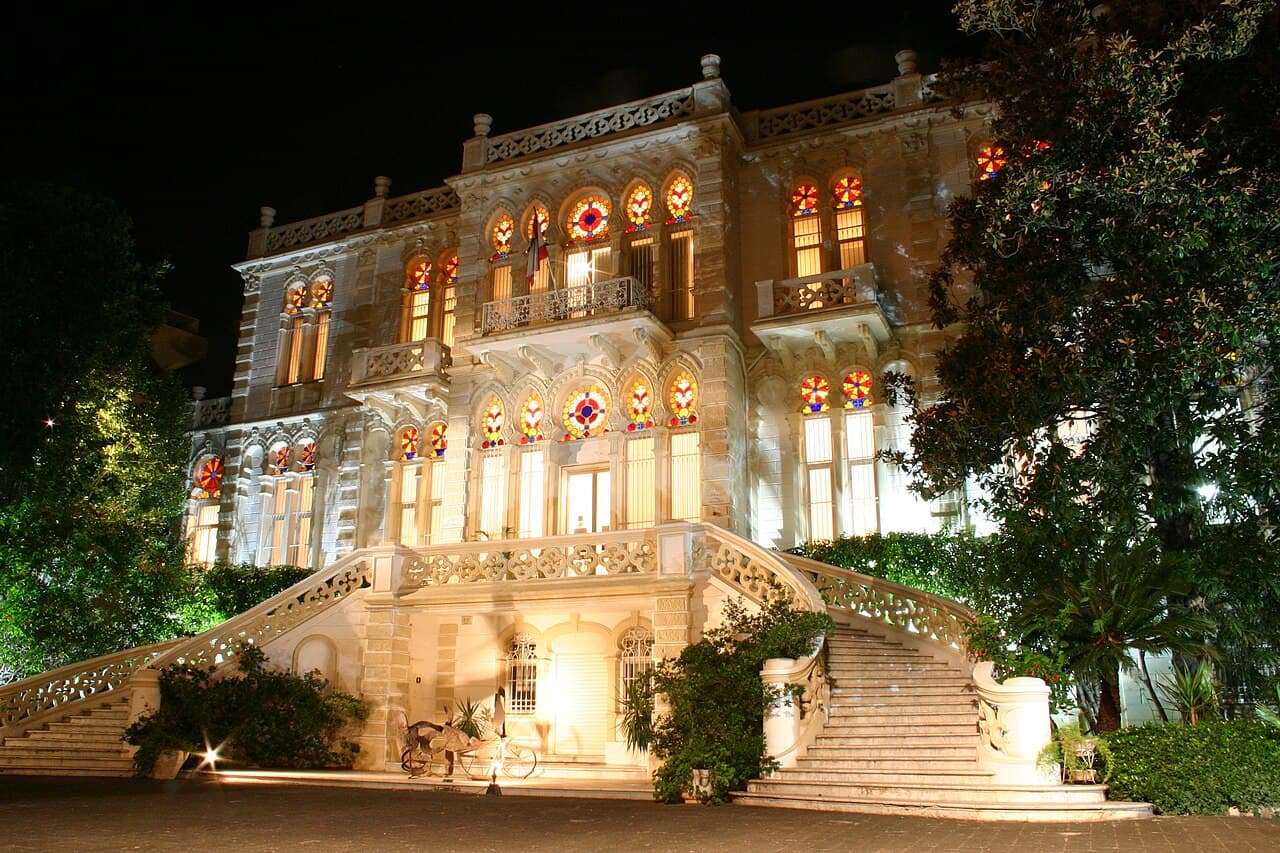
A signature stop locals and returning travelers point to in Beirut.
 Top sight
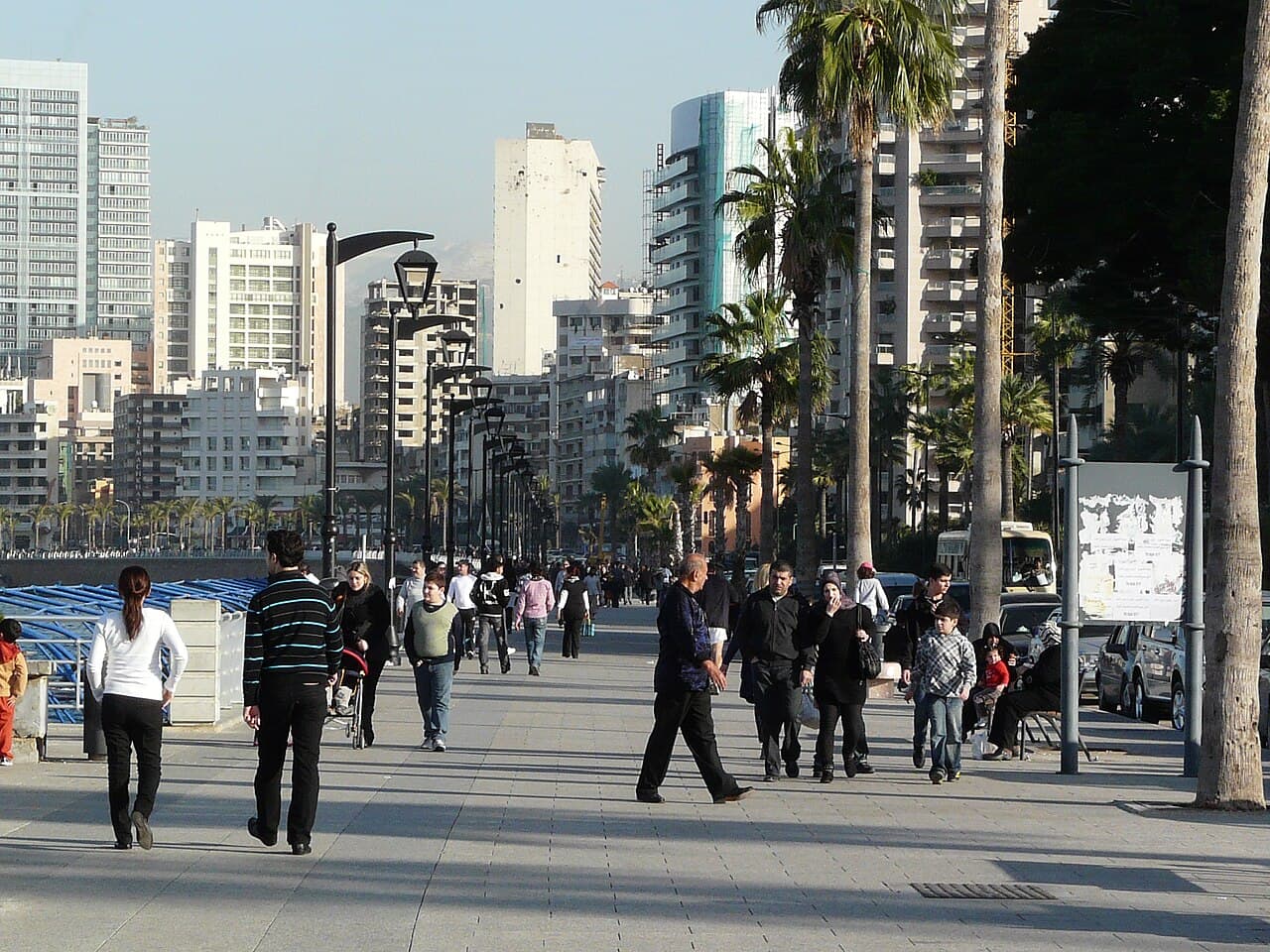
A signature stop locals and returning travelers point to in Beirut.
A signature stop locals and returning travelers point to in Beirut.
A signature stop locals and returning travelers point to in Beirut.
Photo: NicolasGaron · CC BY-SA 4.0
A signature stop locals and returning travelers point to in Beirut.
A signature stop locals and returning travelers point to in Beirut.
Photo: No machine-readable author provided. Bertilvidet~commonswiki assumed (based on copyright claims). · CC BY 2.5
A signature stop locals and returning travelers point to in Beirut.
Photo: Varun Shiv Kapur from Berkeley, United States · CC BY 2.0
A signature stop locals and returning travelers point to in Beirut.
A signature stop locals and returning travelers point to in Beirut.
A signature stop locals and returning travelers point to in Beirut.
A pocket of Beirut with its own temperament — worth a deliberate detour when you're in the area.
A pocket of Beirut with its own temperament — worth a deliberate detour when you're in the area.
A pocket of Beirut with its own temperament — worth a deliberate detour when you're in the area.
A pocket of Beirut with its own temperament — worth a deliberate detour when you're in the area.
Wanderlust Pro
Pro members see insider tips for Beirut: a short list of restaurants, cafés and sights, picked by AI as local suggestions to double-check before you go.
The quick answers travelers want before they commit to flights, neighborhoods, and how long to stay.
Beirut–Rafic Hariri International Airport (BEY) is Lebanon's sole commercial international gateway, located roughly 9 km (5.6 miles) south of the city center — about 15–20 minutes by car in normal traffic. It serves as a hub for Middle East Airlines (MEA) and connects to major cities across Europe, the Gulf, and Africa. There are no operational passenger trains in Lebanon and no rail link to the airport. Official airport taxis (identifiable by the airport logo on the door) operate from the designated taxi stand outside arrivals; a regulated fare to the city center runs approximately €17 (~$18 USD). Uber and Careem also operate pickups at BEY and are a transparent, fare-confirmed alternative. Budget-conscious travelers can take a minibus from outside the Departures Hall, though space for luggage is limited. Note: as of mid-2025, the Lebanese government introduced regulated, published fare schedules for airport taxis to end years of pricing inconsistency — scan the QR code displayed at the terminal for the official rate sheet.
Beirut has no metro or tram system. The primary modes of local transport are shared taxis ('service'), private taxis, and app-based ride-hailing. Shared service taxis follow fixed routes and are the cheapest option locals rely on daily, but routes can be hard to navigate for first-time visitors. Uber and Careem both operate in the city, offering metered fares and route confirmation upfront — the easiest choice for visitors. Traffic congestion is severe, especially along the coastal road and downtown core during morning and evening peaks; a trip that looks like 15 minutes on a map can take 45 minutes. Avoid renting a car within the city — parking is scarce and driving is assertive. Mobile 4G internet is fast (30+ Mbps), and a local SIM (e.g., Touch Lebanon, ~$25/month for 20 GB) makes ride-hailing seamless. Cash is essential: credit cards are rarely accepted in many establishments due to Lebanon's ongoing financial crisis.
Spring (April–May) is widely considered the best time to visit Beirut. Temperatures settle in the comfortable high-teens to low-20s°C, crowds are smaller than peak summer, and hotel rates are lower. You can explore ancient ruins, stroll the Corniche, and enjoy outdoor dining without the baking heat. Early autumn — September through mid-November — is an equally strong window: summer heat eases, crowds thin, and the city's cultural calendar picks back up after the August frenzy. Summer (June–August) is peak season with festivals, beach clubs, and electric nightlife, but expect soaring humidity, higher prices, and busy sights. Lebanon's famous novelty — skiing in the mountains in the morning and swimming in the Mediterranean in the afternoon — is best experienced in late winter or early spring, when mountain snowpack is still viable. Winter (November–February) brings rain and cooler temperatures, but offers rock-bottom prices and a more local, unhurried Beirut.
Start at Martyrs' Square — the symbolic heart of Beirut — and walk to Nejmeh Square (Place de l'Étoile) with its elegant clock tower and European-style cafés. Pop into the Mohammad Al-Amin Mosque and the adjacent St. George Maronite Cathedral, a striking symbol of Lebanon's religious coexistence.
Head to the National Museum of Beirut for a chronological journey through Phoenician, Roman, Byzantine, and Islamic artifacts. Afterward, stroll south along the Corniche and take in the iconic Raouche Pigeon Rocks at sunset.
Dinner in the Gemmayzeh district — Rue Gouraud is lined with Lebanese mezze restaurants. Stay for drinks at one of the strip's many bars and soak up the neighborhood's creative energy.
Walk Mar Mikhael's Armenia Street for coffee and a street art tour. The area is the heart of Beirut's creative scene, packed with eclectic cafés, galleries, and boutique shops. Visit a local co-working space if you need to catch up on work.
Take a taxi to Hamra and stroll through the American University of Beirut (AUB) campus — its lush gardens and Mediterranean views provide a welcome contrast to the urban hustle. Browse Hamra Street for local shopping and a classic Lebanese street falafel.
Head to Badaro for dinner — one of Beirut's trendiest, up-and-coming neighborhoods beloved by young locals. End the night at B 018, the legendary underground nightclub with a retractable roof that opens onto the stars.
Start at the Sursock Museum in Ashrafieh — a 19th-century mansion housing contemporary Lebanese and international art. Wander the elegant Achrafieh neighborhood and grab a traditional Lebanese breakfast (manoushe with za'atar) at a local bakery.
Drive or take a shared taxi north to Byblos (Jbeil), one of the world's oldest continuously inhabited cities. Explore the Crusader castle, ancient Phoenician ruins, and the charming harbor. Stop for fresh grilled fish at a waterside restaurant.
Return to Beirut in time for a rooftop sundowner — SKYBAR offers sweeping city and sea views. Round out your trip with a final spread of mezze: hummus, kibbeh, and fattoush at a traditional restaurant in Achrafieh.
Real coworking spaces, laptop-friendly cafés, and libraries mapped near the center of the city — the closest, best-rated desks first.
No coworking-ready spots surfaced for this city yet.
Pick a different category or check back once we’ve indexed more desks for this city.
Ask for cafés, quiet neighborhoods, date-night spots, or a first 48-hour plan.
Mention calls, Wi-Fi needs, or how much of the day has to stay laptop-friendly.
Get faster answers on where to stay, when to move neighborhoods, and what to skip.
There aren’t any, yet!
Block off the weeks you're free. Wanderlust turns this dossier — flights, lodging, neighborhoods, timing — into a single draft itinerary in about ninety seconds.
Wanderlust Pro
Insider tips for Beirut, unlimited AI-built itineraries, and travel companions you can invite to plan a trip together. From $5.00/month, billed annually.
Wanderlust Pro
Pro members see insider tips for Beirut: a short list of restaurants, cafés and sights, picked by AI as local suggestions to double-check before you go.