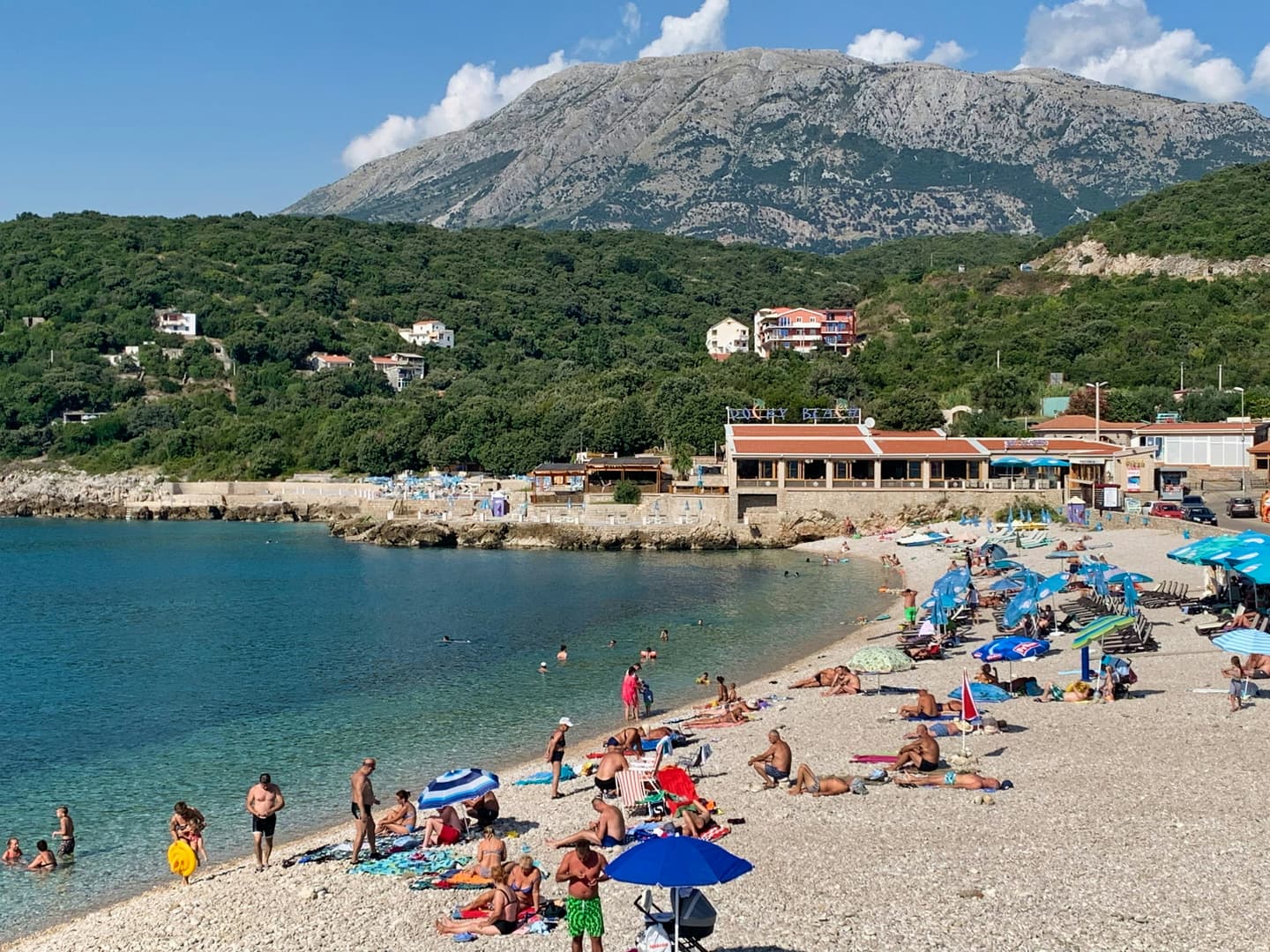
 City postcard
Bar
Bar: Montenegro's unhurried Adriatic port where ancient olive groves, ruined fortress walls, and ferry routes to Italy converge.
Bar: Montenegro's unhurried Adriatic port where ancient olive groves, ruined fortress walls, and ferry routes to Italy converge.
Bar is Montenegro's principal port city and southern Adriatic gateway — a working, lived-in town refreshingly free of the mass-tourism polish found in Budva or Kotor. Its crown jewel is Stari Bar, a hauntingly beautiful medieval fortress perched 4 km inland at the foot of Mount Rumija. Beyond history, the city offers some of the world's oldest olive trees, a vibrant waterfront promenade, and easy access to Lake Skadar and the Albanian border. For digital nomads and slow travellers, Bar delivers consistent year-round value and a genuine slice of Montenegrin daily life.
City postcardBar: Montenegro's unhurried Adriatic port where ancient olive groves, ruined fortress walls, and ferry routes to Italy converge.
 Top sight
A signature stop locals and returning travelers point to in Bar.
A signature stop locals and returning travelers point to in Bar.
A signature stop locals and returning travelers point to in Bar.
A signature stop locals and returning travelers point to in Bar.
A signature stop locals and returning travelers point to in Bar.
A signature stop locals and returning travelers point to in Bar.
Photo: Pudelek · CC BY-SA 4.0
A signature stop locals and returning travelers point to in Bar.
A signature stop locals and returning travelers point to in Bar.
A signature stop locals and returning travelers point to in Bar.
A pocket of Bar with its own temperament — worth a deliberate detour when you're in the area.
A pocket of Bar with its own temperament — worth a deliberate detour when you're in the area.
A pocket of Bar with its own temperament — worth a deliberate detour when you're in the area.
A pocket of Bar with its own temperament — worth a deliberate detour when you're in the area.
Wanderlust Pro
Pro members see insider tips for Bar: a short list of restaurants, cafés and sights, picked by AI as local suggestions to double-check before you go.
The quick answers travelers want before they commit to flights, neighborhoods, and how long to stay.
The most practical airport for Bar is Podgorica Airport (TGD), roughly 60–70 km north. From TGD, taxis cost approximately €40–50 and take about an hour; shared shuttle services are cheaper. Bar is also the southern terminus of Montenegro's only coastal rail line — trains from Podgorica run several times daily and take about 1 hour, with tickets as low as €2.40. Internationally, Bar is connected to Belgrade by the famed Belgrade–Bar railway (around 11–12 hours), a scenic route crossing 254 tunnels and 435 bridges including the Mala Rijeka Viaduct. Ferries run between Bari, Italy and Bar (Montenegro Lines), making it a popular entry point from Western Europe. Long-distance buses connect Bar to Podgorica, Kotor, Budva, and Sarajevo.
Bar is compact enough to explore the city centre and waterfront on foot. Local buses connect the city centre with Stari Bar (Old Town), Šušanj beach, and surrounding villages at low fares. Taxis are inexpensive by Western standards — rounding up to the nearest euro is standard practice rather than a percentage tip. Renting a car unlocks the full region: Mount Rumija hiking, Lake Skadar boat launches, and day trips up the coast to Petrovac or Budva are all within an easy hour's drive. All major Montenegrin carriers offer 4G coverage across Bar, and cheap mobile data plans mean you're rarely dependent on café Wi-Fi. The Montenegro Tower co-working space (in Dubrava, about 15 minutes south of the city centre) is the main dedicated workspace for remote workers.
Bar sits on the Adriatic coast and enjoys a classic Mediterranean pattern: hot, bone-dry summers and mild, wetter winters. The sweet spots are May–June and September–October. In May and early June the sea is already swimmable (around 23°C), crowds are thin, prices are lower, and the old olive groves and hillside ruins are at their most photogenic. September delivers the same magic on the tail end of summer — average daily temps around 22°C, clear skies, and the peak-season throngs heading home. July and August are reliably hot (highs around 31°C) and dry, making them ideal for beach lovers, but accommodation prices spike and the waterfront buzzes with tourists. Winter (November–March) brings the Bora wind, heavy rainfall (November is Montenegro's wettest month, exceeding 260 mm), and many seasonal restaurants close — though long-term renters benefit from dramatically reduced rents, sometimes 50–70% cheaper than peak coastal prices.
Head 4 km inland to Stari Bar (Old Town Fortress). Wander the haunting ruins, pick up handmade souvenirs from local stalls, and admire sweeping views over the coast from the fortress walls. Entrance is just €4 per person.
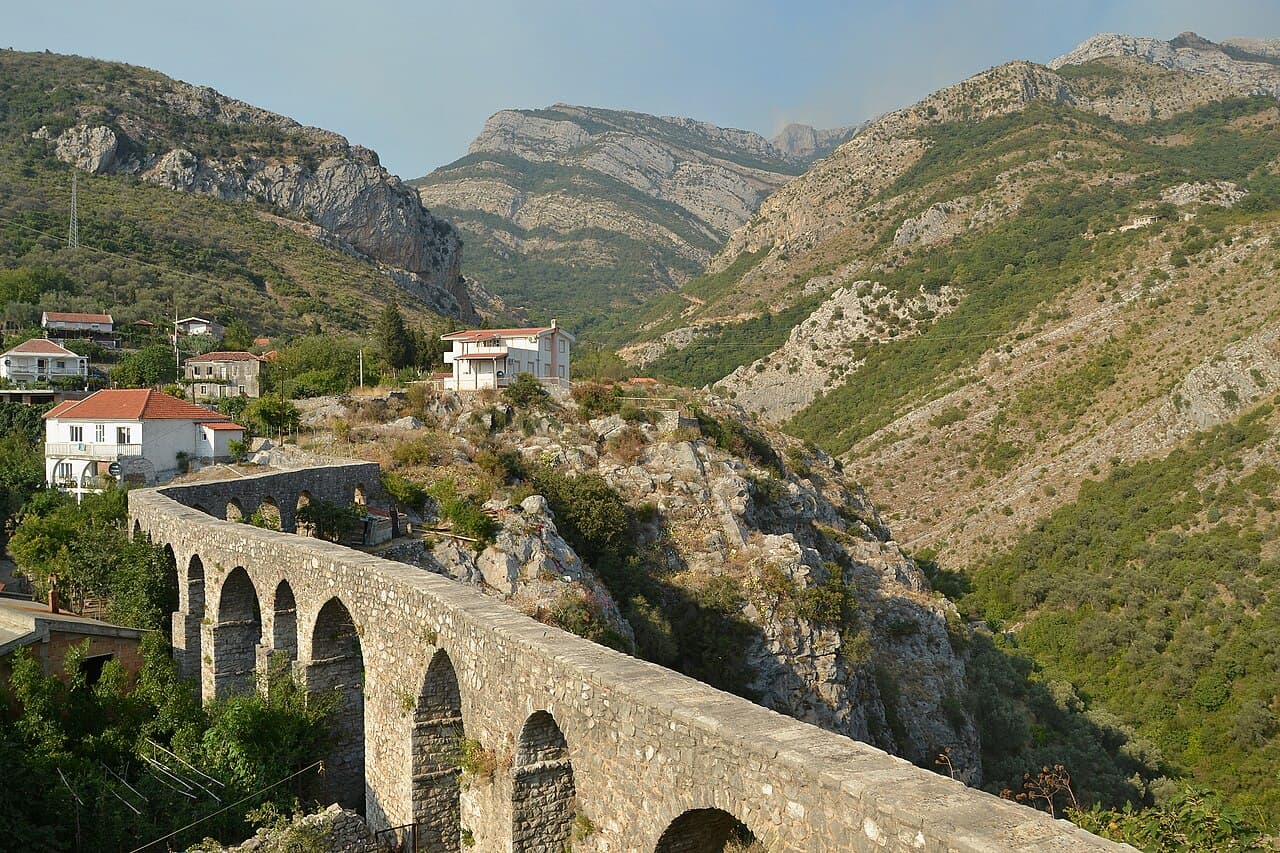
Walk from Stari Bar to the ancient Olive Tree — at over 2,000 years old it's considered the oldest in Montenegro. Entry is just €1. Then explore the Bar Aqueduct, the only one in Montenegro, a remarkable 16th-century Ottoman waterwork spanning 17 grand arches.
Stroll the palm-lined waterfront promenade, find a seafront café for grilled fish and local wine, and watch the sun dip behind the Adriatic.
Visit King Nikola's Palace near the harbour, a 19th-century royal retreat now housing a museum of Montenegrin royal history and surrounded by a Mediterranean park.
Walk to the Church of Saint Jovan Vladimir — the largest Orthodox church in Montenegro, completed in 2016, with an extraordinary 5,000 sq m of gold-rich interior frescoes. Wander the Šušanj beach suburb and take a swim.
Explore the harbour quarter for sunset boat views. Try a local konoba (tavern) for Montenegrin staples like lamb roasted under a sač (bell lid) and local Vranac red wine.
Drive or take a bus to Virpazar, the gateway village for Lake Skadar — one of Europe's largest lakes. Join a boat trip through reed beds teeming with pelicans and cormorants.
Return to Bar and ride the local train one stop to Podgorica for a short city excursion, or simply relax at one of Bar's quieter coves north of the marina.
If departing, board the legendary Belgrade–Bar overnight train for a bucket-list journey through 254 tunnels and across 435 bridges into Serbia, or catch the evening ferry to Bari, Italy.
Real coworking spaces, laptop-friendly cafés, and libraries mapped near the center of the city — the closest, best-rated desks first.
No coworking-ready spots surfaced for this city yet.
Pick a different category or check back once we’ve indexed more desks for this city.
Ask for cafés, quiet neighborhoods, date-night spots, or a first 48-hour plan.
Mention calls, Wi-Fi needs, or how much of the day has to stay laptop-friendly.
Get faster answers on where to stay, when to move neighborhoods, and what to skip.
There aren’t any, yet!
Block off the weeks you're free. Wanderlust turns this dossier — flights, lodging, neighborhoods, timing — into a single draft itinerary in about ninety seconds.
Wanderlust Pro
Insider tips for Bar, unlimited AI-built itineraries, and travel companions you can invite to plan a trip together. From $5.00/month, billed annually.
Wanderlust Pro
Pro members see insider tips for Bar: a short list of restaurants, cafés and sights, picked by AI as local suggestions to double-check before you go.