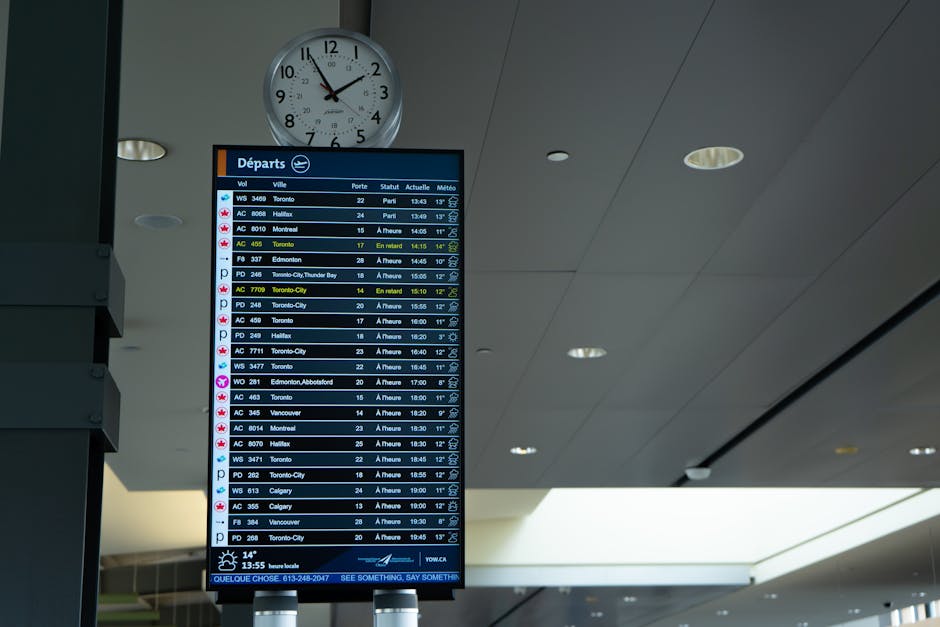
Transport19:05
Depart Calgary YYC
AC 2029, Air Canada (operated by Air Canada Rouge), Boeing 737 MAX 8. YYC 19:05 to YVR 19:43, arriving Terminal M.
Fiji and Japan

15-day Fiji and Japan trip
A shared escape for Fiji and Japan.
Day 01
AC 2029, Air Canada (operated by Air Canada Rouge), Boeing 737 MAX 8. YYC 19:05 to YVR 19:43, arriving Terminal M.
FJ 881 Fiji Airways (Business) YVR to Nadi. Departs YVR Terminal M.
Day 02

Sep 9 is lost crossing the International Date Line between Calgary and Nadi.
Day 03

FJ 881 Fiji Airways (Business) from Vancouver, departed Sep 8 at 22:20.

Ask for an early check-in. You land at 05:20 and it is about a 45 min drive, so you will be at the resort well before the room is ready - drop bags and start the day.

On property. Spa opens at 8am - go straight there once bags are dropped. Cold plunge with sauna needs booking ahead. NOTE: this overlaps the Friday spa day already on the plan (massage + hydrotherapy, cold plunge, Cleopatra bath ritual) - split the treatments across the two days when you book so you are not repeating.
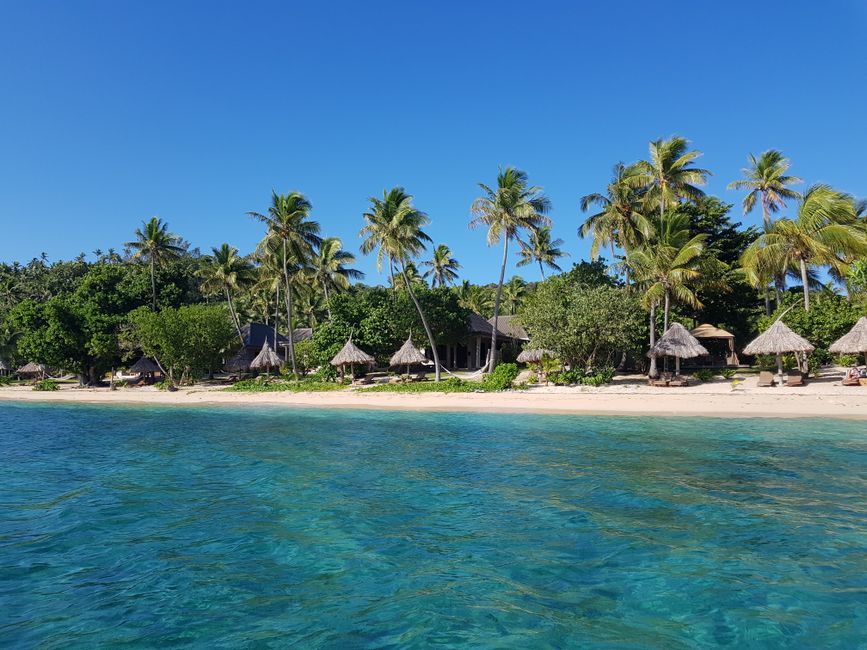
A two-minute walk from the resort and one of the best mainland beaches in Fiji.
The shape of the arrival day: no excursion. Straight from Nadi to Natadola off the redeye, bags dropped, spa in the morning, then the beach and the property for the rest of the day.
Day 04
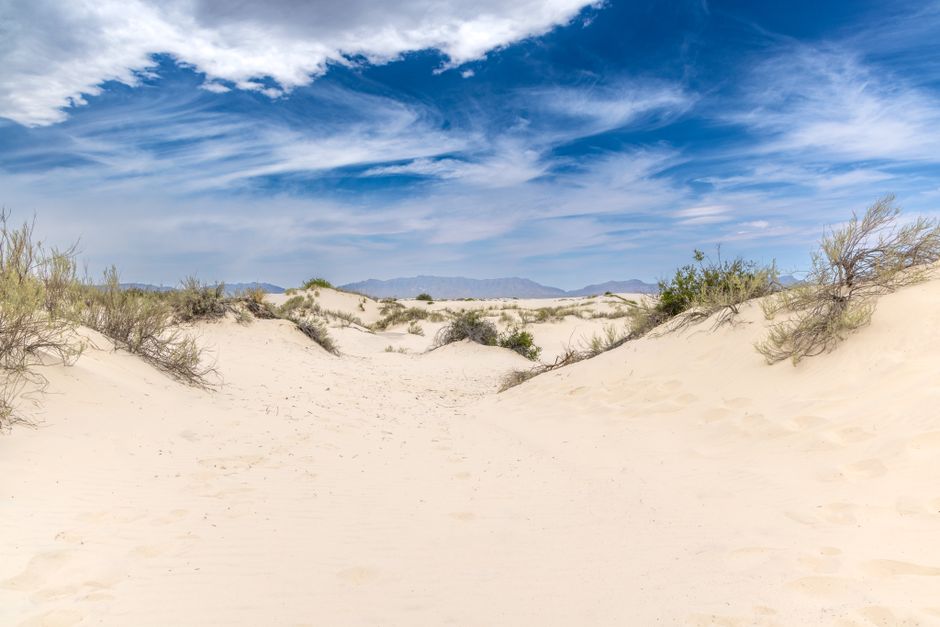
AUDIT ADD. About 25 min east of Natadola. Fiji's first national park: parabolic dunes up to 60 m, forest remnant behind them, and one of the most significant archaeological sites in the Pacific - pottery and burials exposed by wind. Short loop and long loop from the visitor centre. Be at the gate for opening: by 10am it is hot and shadeless and the dunes read flat in overhead light.
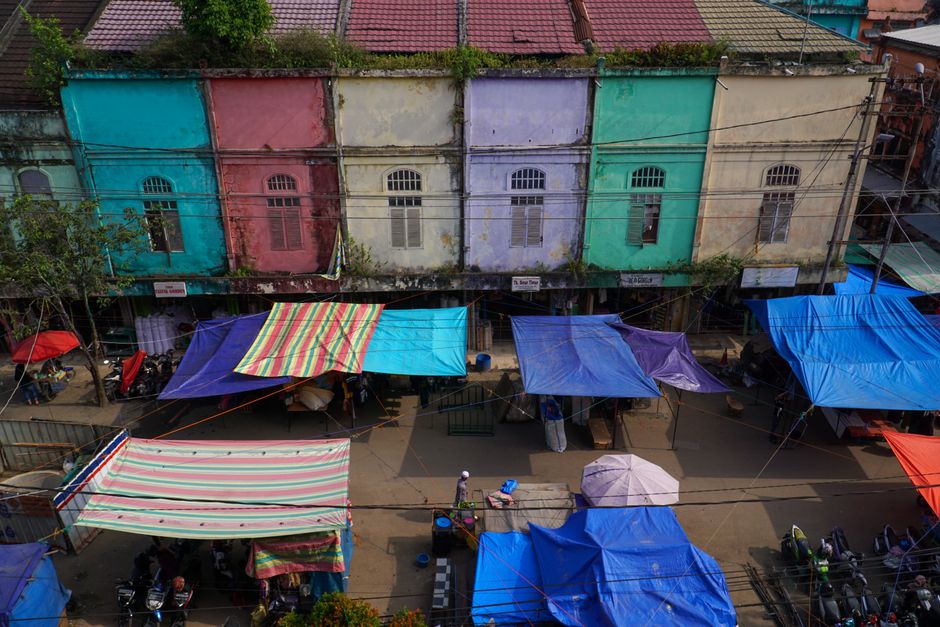
AUDIT ADD. A working produce market, not a craft market. Pairs with the dunes on the return leg.

Moved to the afternoon so the dunes can have the cool early hours. Spa opens at 8am if you would rather flip the day.
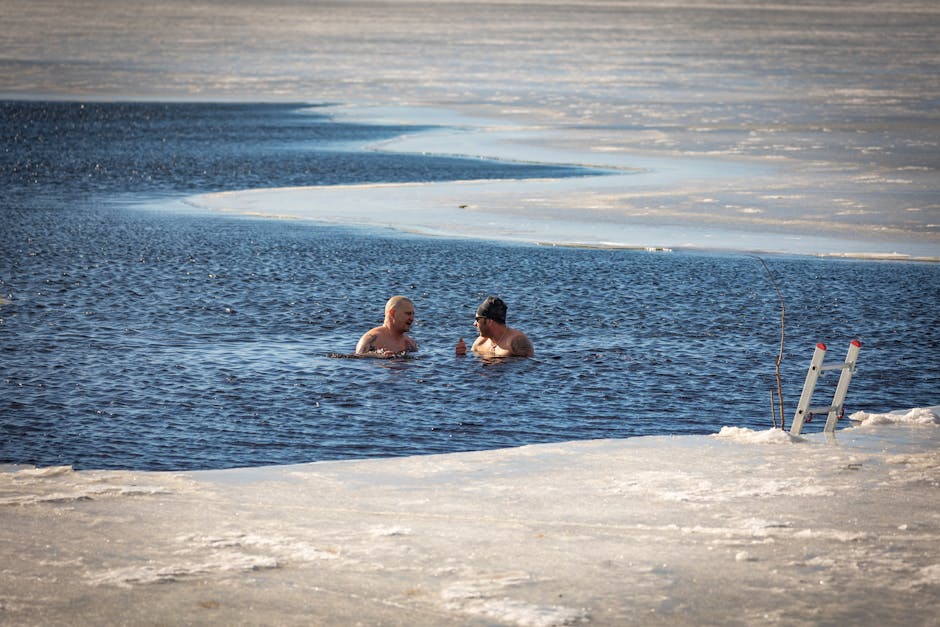
Book ahead.
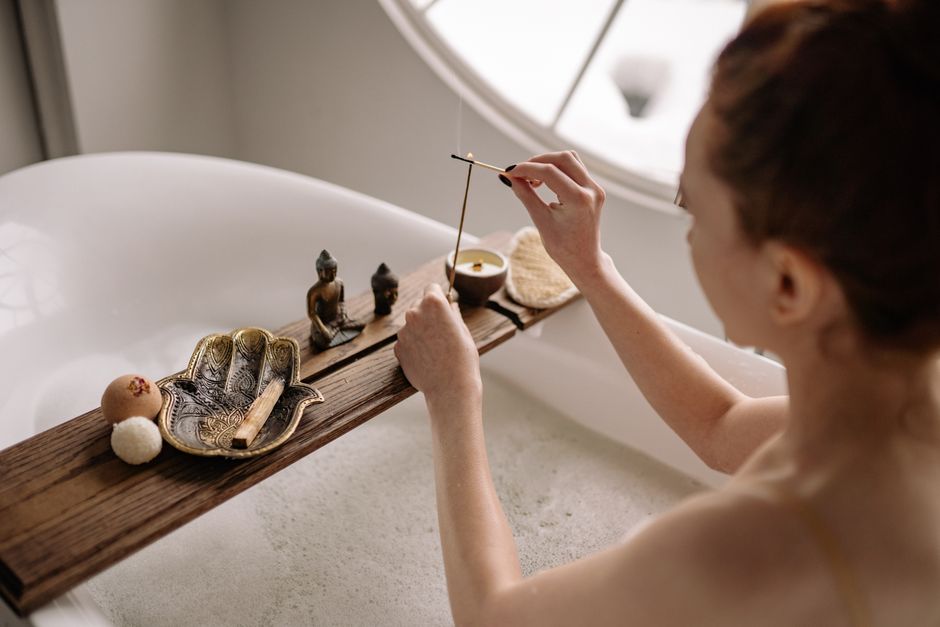
Order and book ahead.
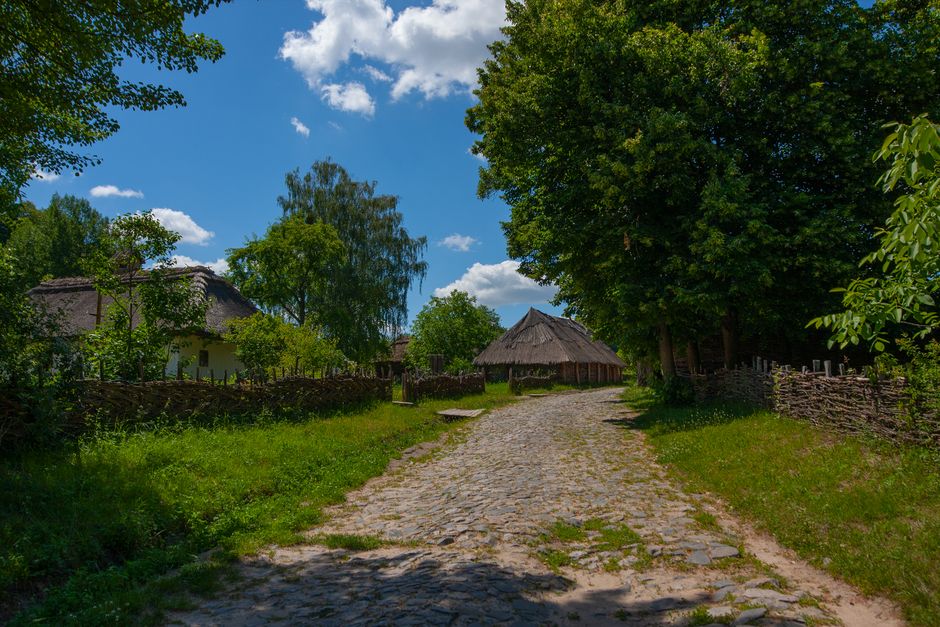
AUDIT SWAP for the resort village visit and kava ceremony. Navala, in the Ba highlands, is the one village in Fiji where essentially every dwelling is still a traditional thatched bure, laid out in ordered rows on the river terrace - nothing about it is reconstructed. Access is by permission with a village guide; present waka (kava root) for sevusevu. COST: roughly 2 to 2.5 hours each way inland via Ba, much of it unsealed. Book a small private guide rather than a bus tour, or the staged-performance problem simply relocates. This is a full-day commitment and would displace both the dunes and the spa.
Day 05

Ask for a late checkout.
AUDIT ADD. Slots into the otherwise dead two-hour Natadola-to-Nanuku transfer. Village-guided walk of roughly 45 min with several shallow river crossings, ending at a fall you can swim under. Shoes that can get wet, a small village fee, and go with the village guides rather than around them. Beats the resort waterfall tours, where a short paved approach engineers out the whole point - earning it.
Day 06
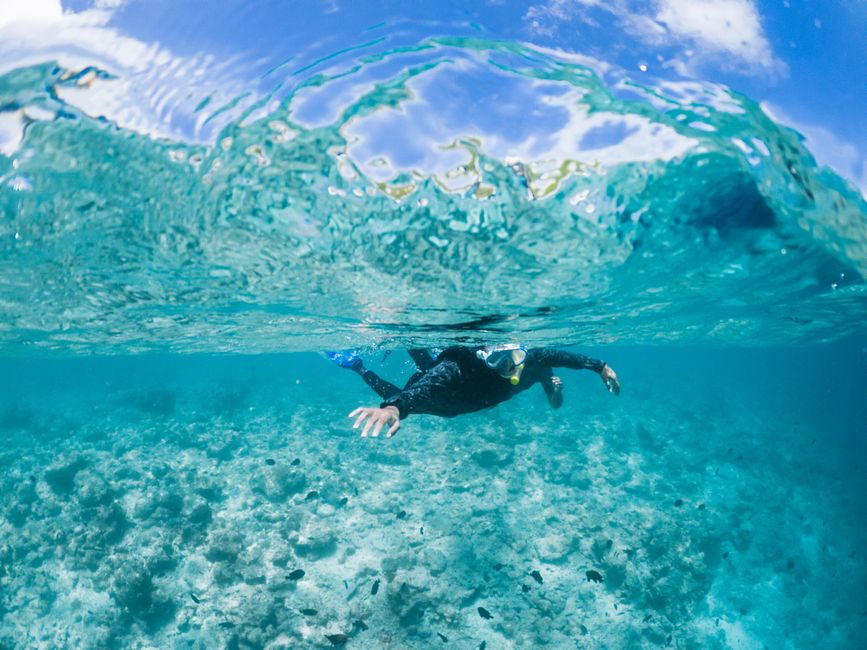
Runs out of Pacific Harbour, on Nanuku's doorstep - the same reef system the lagoon is known for. Ask Nanuku what they operate and book it on arrival.
Unstructured resort afternoon.
Day 07
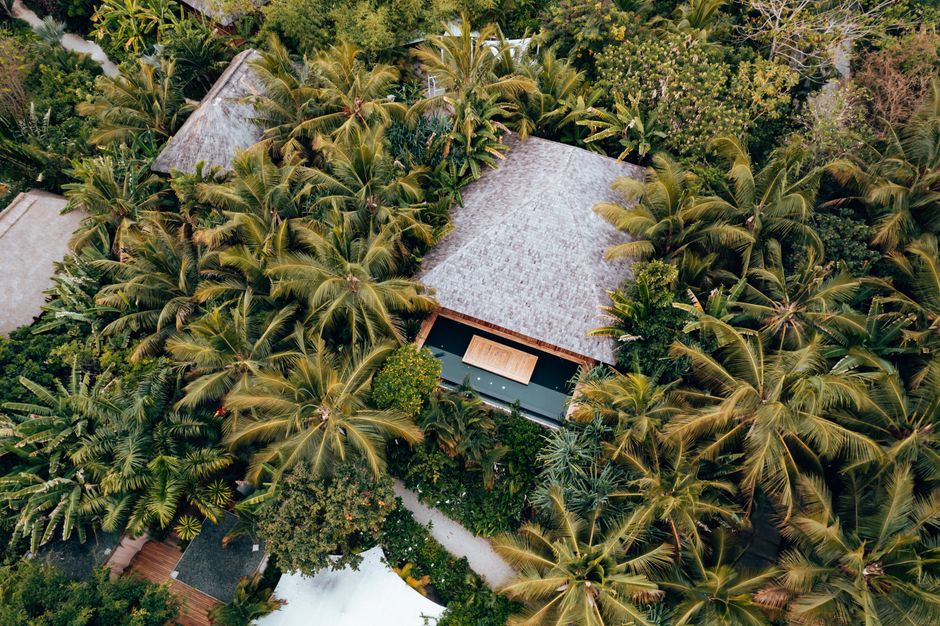
AUDIT SWAP for Cloud 9 / Malamala Beach Club / Mamanuca day trips, which market solitude and deliver a licensed bar on a pontoon shared with a boatload of people who came for the same photograph. Nanuku takes you out to its private island with a hamper and leaves you there, then collects you - same water, same sand, attribute delivered exactly rather than approximately. CONFIRM at booking whether the private-island picnic is inclusive on your rate or an add-on, and whether it runs in September. This is the single highest-value thing Nanuku does and it is worth building the day around.
Day 08

The 15:00 late checkout makes the whole morning usable - beach, lagoon, or a second snorkel if the first one landed well.
Late checkout assumed at 15:00 (Lindsay prefers it). Resorts are usually generous on an outbound-flight day, but confirm this with Nanuku at booking rather than on the morning. The whole departure day is built around it.
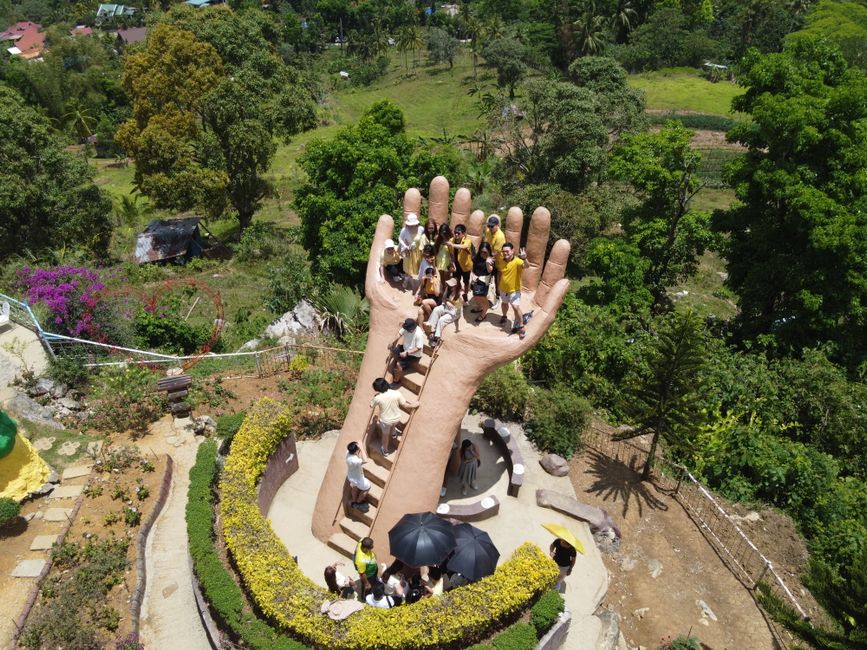
Sabeto Valley, about 20 min from Nadi airport - orchid collection under the Nausori escarpment, cheap. ONLY WORKS IF YOU CHECK OUT EARLIER THAN 15:00: with the assumed 15:00 checkout and a 2.5-3 hour drive west you reach the area around 18:00, after it closes. Moving checkout up to roughly noon makes it fit. Deliberately not on the arrival day - the garden does not open until about 08:00 and you land at 05:20, and waiting around after a redeye is not worth it.
AUDIT STRUCTURAL FIX. Denarau or Momi Bay. Leave Nanuku at 15:00, reach the Nadi area around 18:00, and buy a shower and a bed before the redeye. Arriving in Tokyo at 06:10 having showered at 8pm is a materially different September 16 than arriving sticky off a beach. Book it as an evening use rather than a full day.
FJ 351 Fiji Airways (Business) to Narita Terminal 2, arriving Sep 16 at 06:10.
Day 09
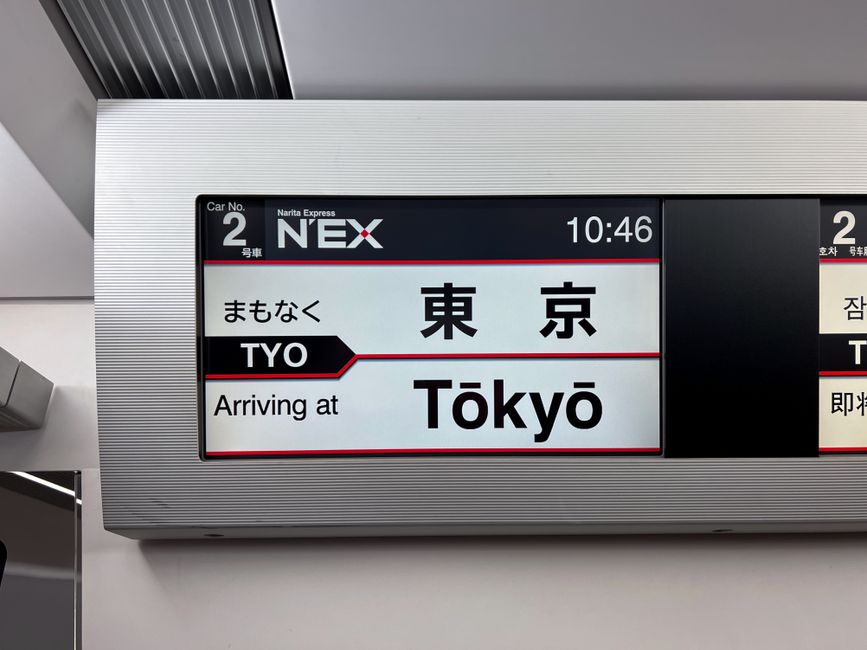
FJ 351 Fiji Airways (Business) from Nadi. Bring a reusable bag for garbage - public bins are scarce in Japan.
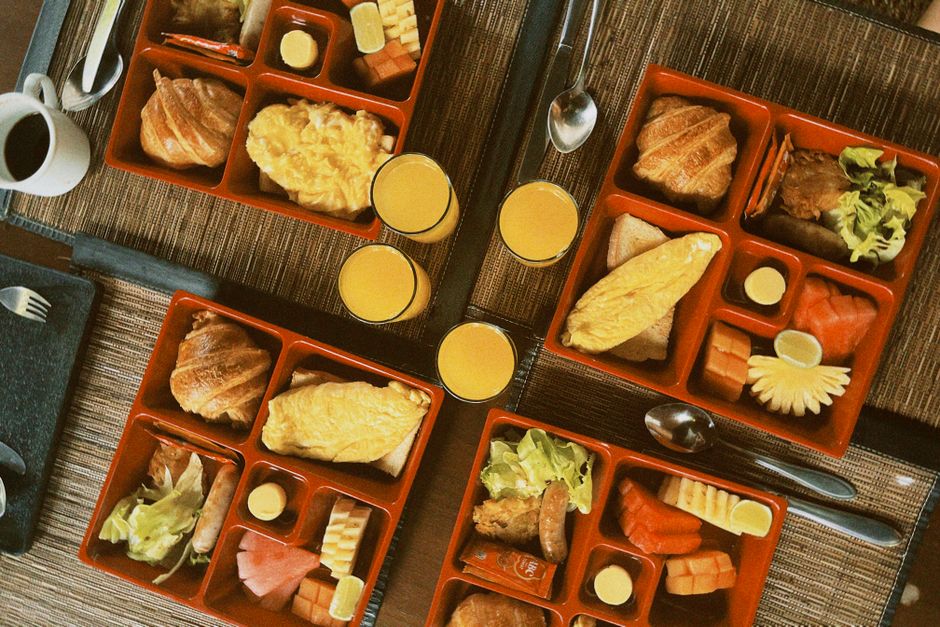
Buy for the train. They have self-heating options.
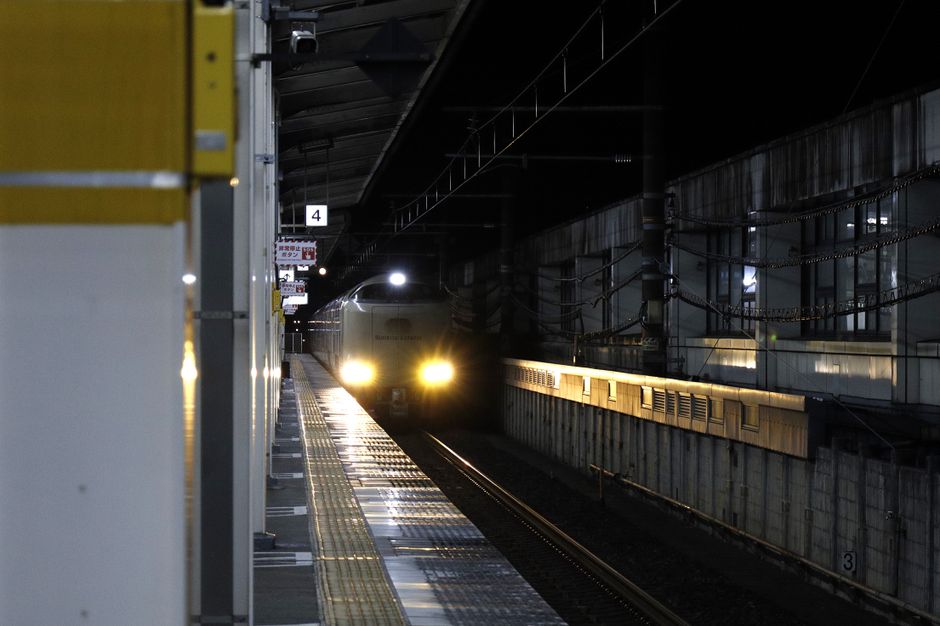
Booked: Nozomi 253, Tokyo 10:21 to Kyoto 12:32. Series N700, 16 cars. Green car, Car 8, seats 3-A and 3-B. 2 adults, Hayatoku-3 fare. IMPORTANT: the ticket is only valid on this specific train - it becomes invalid if you miss it and cannot be used for non-reserved seats. (The trip document had penciled in a Hikari; the actual booking is a Nozomi.)
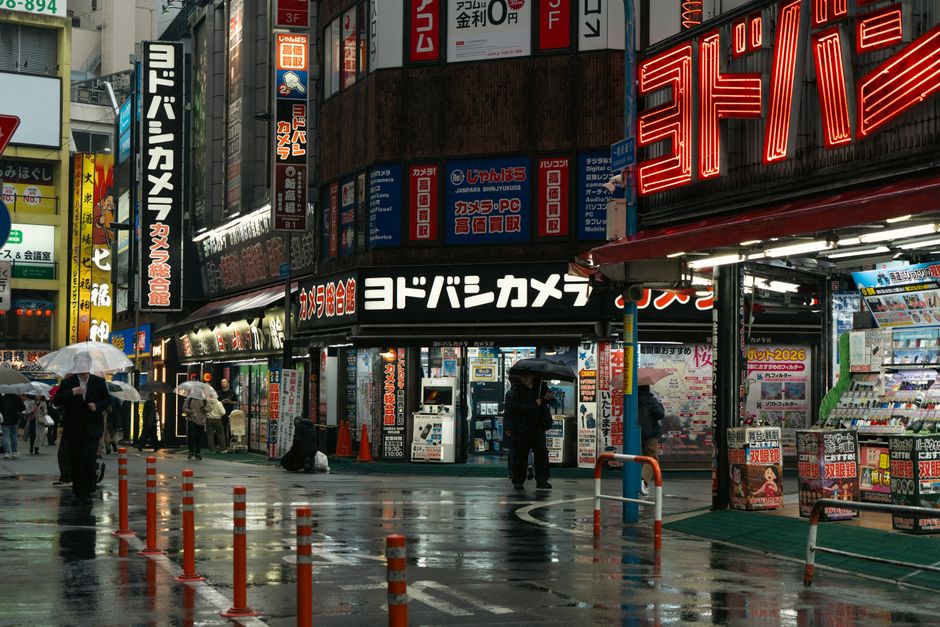
Pick up a disposable camera for the trip. Get the prints done in Tokyo.
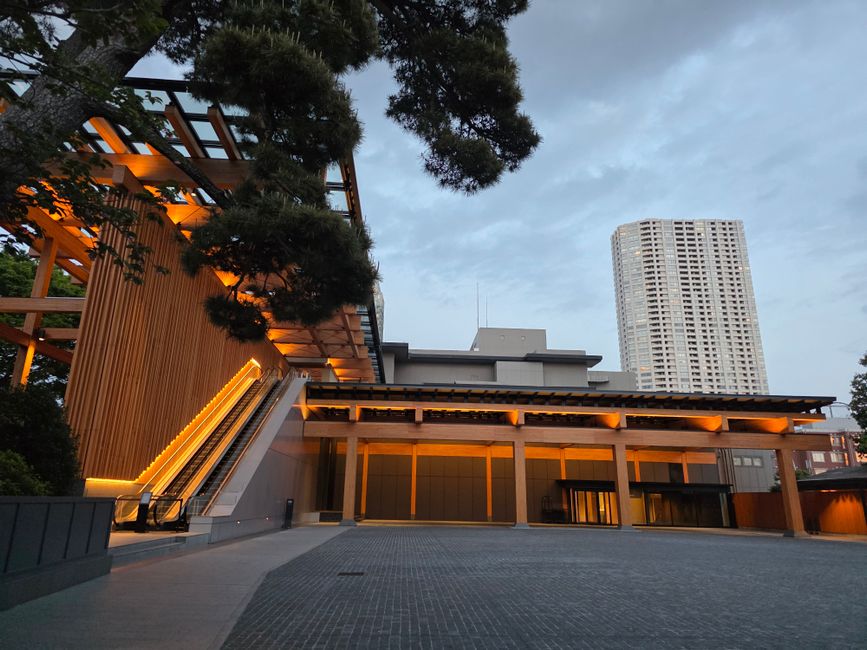
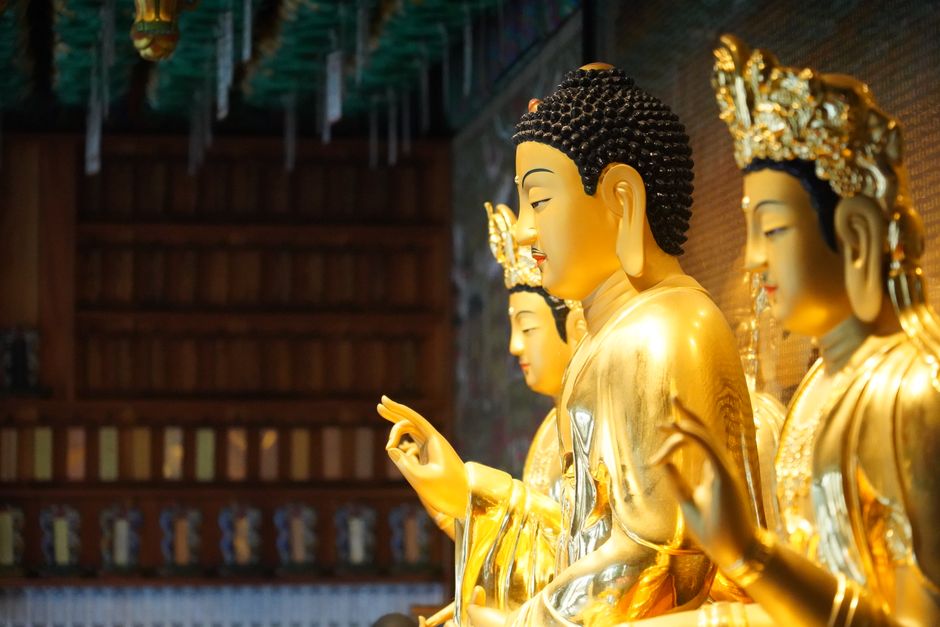
5 min from the hotel. Stamp desk is inside the main hall - purchase a stamp book here.
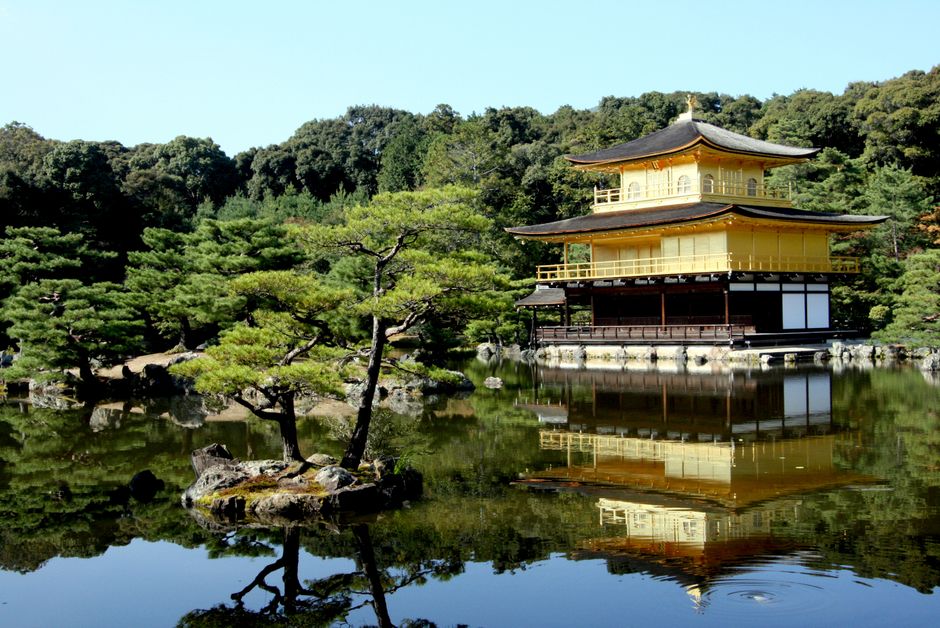
Mossy fairytale temple, about an hour away - may not be worth it. Other optional add-ons nearby: small Arashiyama side streets, riverside wandering, snack stops.
Rest before the evening.

Wander the side lanes behind the main streets. Start higher and work downhill. Crowds are lighter after 4pm.

Stamp. Flagged as might delete.
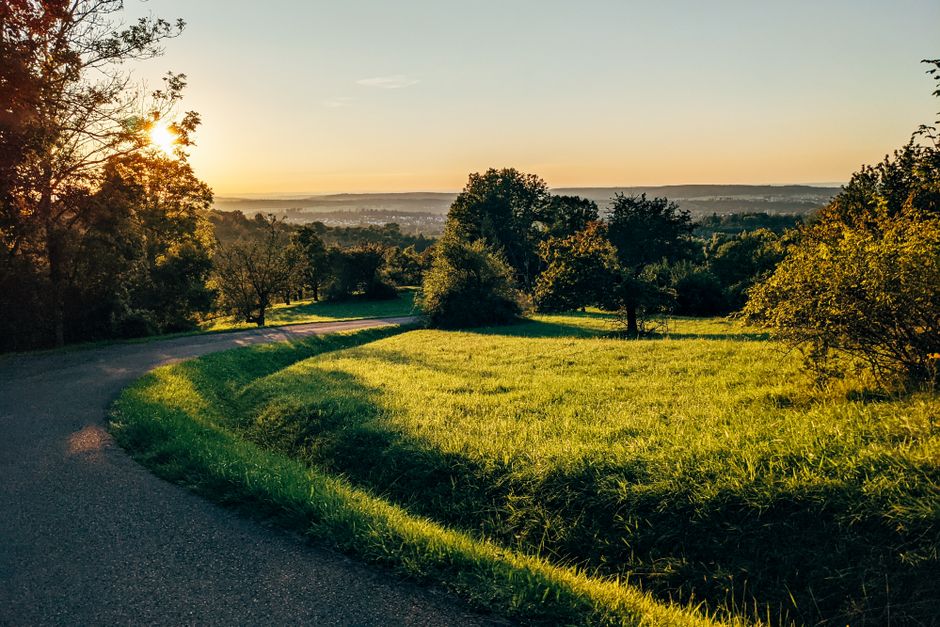
Two iconic pedestrian-only sloping streets in the Higashiyama district. Avoid 10am-3pm. Flagged as might delete.

Stamp.
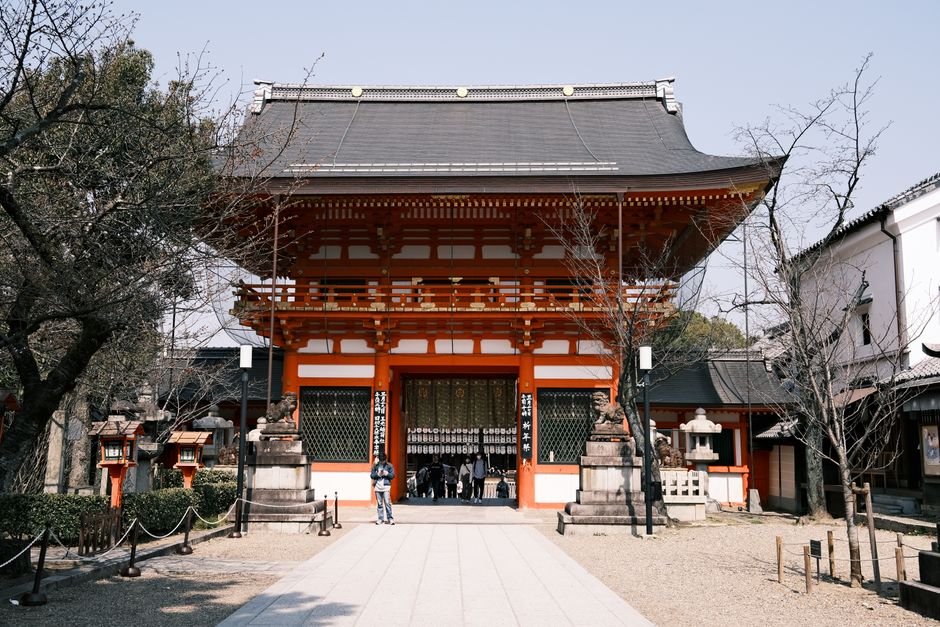
Stamp.

Katsukura or Tarekutsu. Gion Tanto for Japanese pancakes. Other Kyoto food targets: Gyoza Hohei, Kyoto Gyoza Enen Gion Honten (order the gyoza set, look for the metal sign), curry and tempura at Koisus.
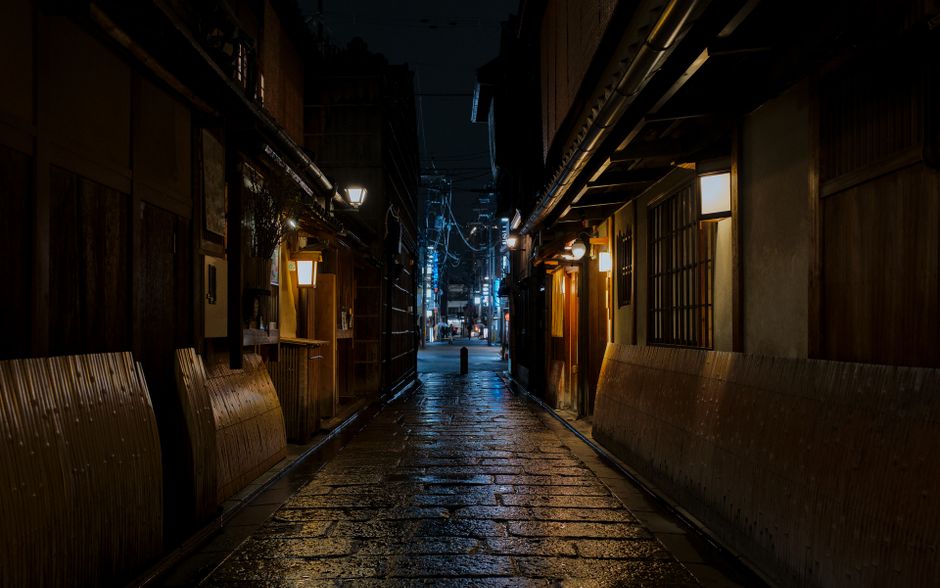
One of the must-visit spots in Kyoto.
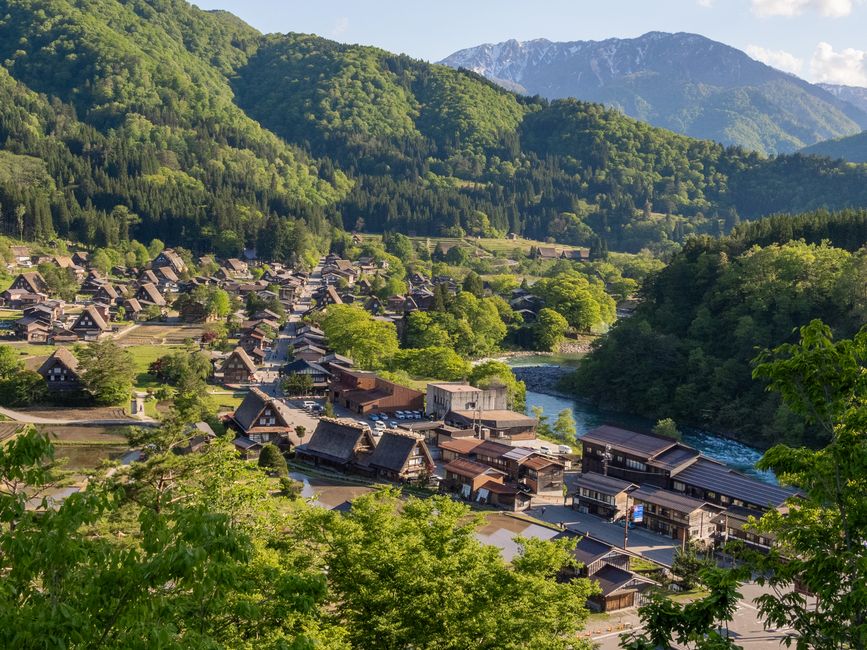
Land NRT 06:10 (Terminal 2); Nozomi 253 leaves Tokyo Station at 10:21. Narita Express runs about 1 hour, so there is a comfortable buffer - but this leg is not booked yet.
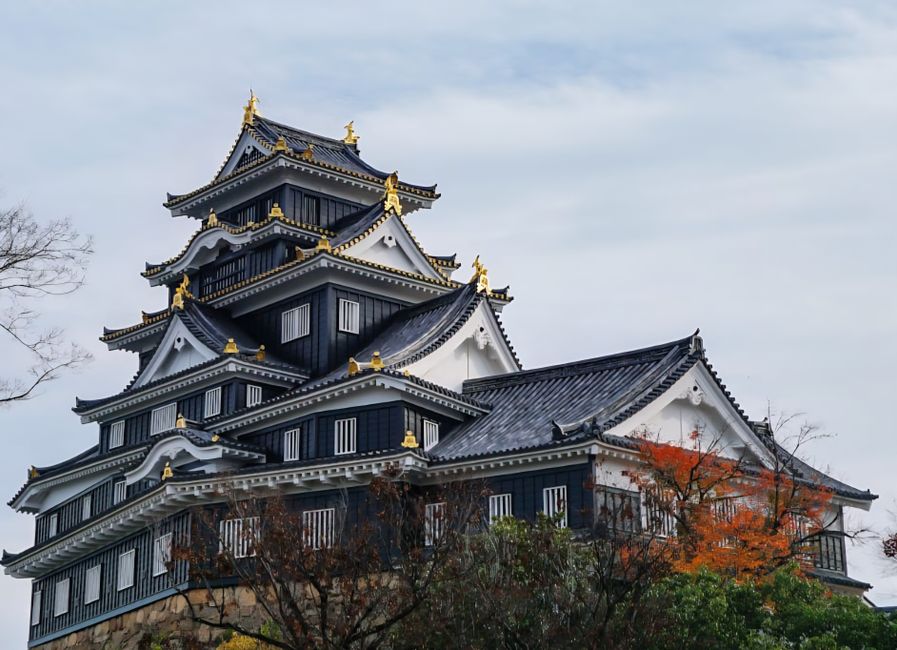
AUDIT OPTION (nothing on the plan is being replaced). A modern cantilevered wooden viewing deck on the ridge directly above Higashiyama, substantially larger than Kiyomizu's stage, looking down the full basin of Kyoto - and near-empty, because it takes a taxi to reach. Taxi up, then walk down into Higashiyama and pick up the evening. Worth knowing about if the Kiyomizu-dera line is long, since you cannot see Kiyomizu's structure while standing on it.
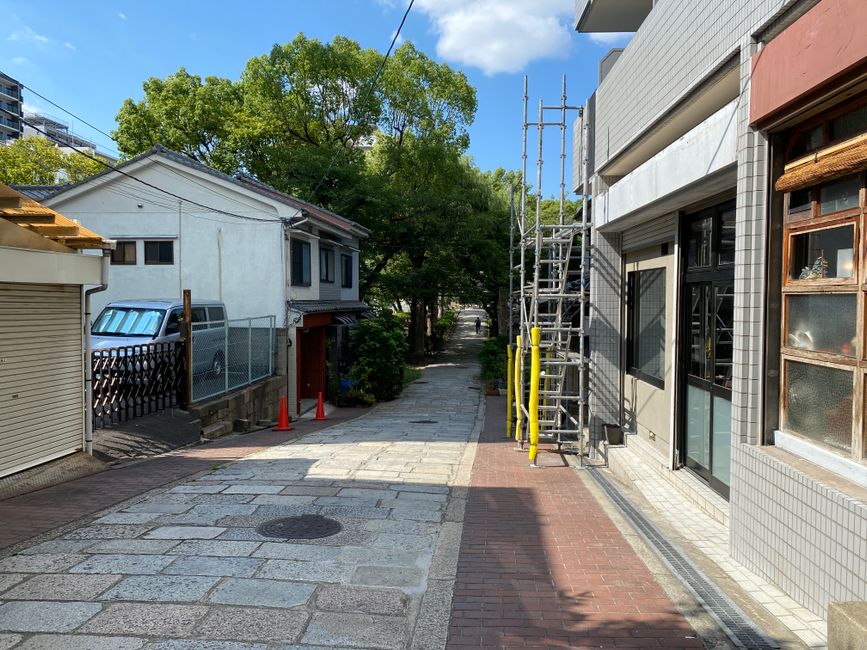
AUDIT OPTION. A short stone lane below Kodai-ji - sixty seconds off the Kodai-ji / Yasaka evening route already on the plan - and arguably the most completely composed streetscape in the city. Photography is restricted in places; walk it rather than shoot it. Costs almost nothing to add.
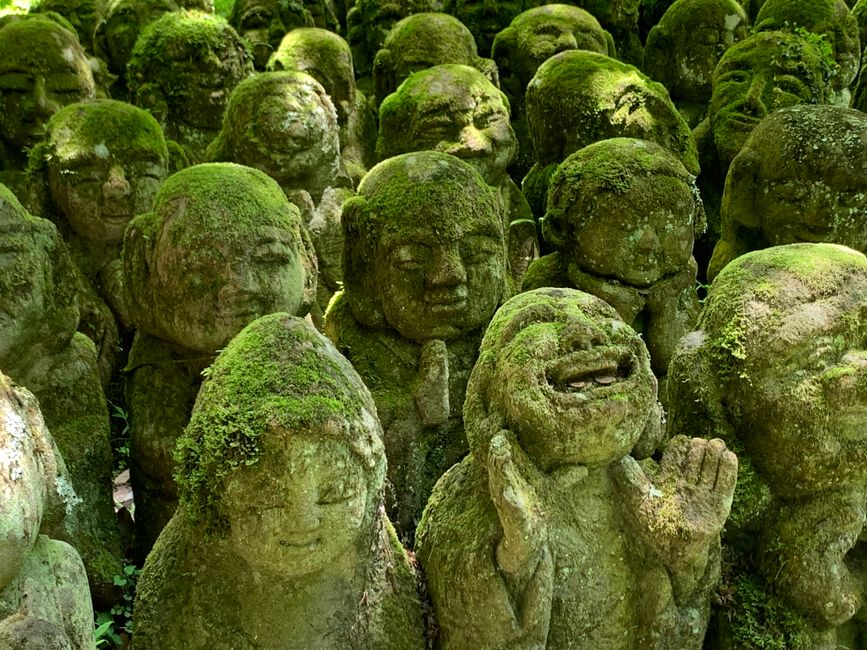
AUDIT OPTION - bundles with the Gio-ji trip already on the plan. Gio-ji alone is about twenty minutes of content for two hours of travel. Chained as Gio-ji, then Adashino Nenbutsu-ji (a hillside of roughly eight thousand stone Buddhas gathered for the unmourned dead, plus a bamboo path that does everything the Arashiyama grove does without the grove's crowd), then Saga-Toriimoto street back down, it becomes a solid 2.5-hour upper-Arashiyama loop and you can skip the main bamboo grove entirely. This is also the good version of the 'small Arashiyama side streets' line in the notes.
AUDIT OPTION. Shirakawa is already on the plan as a MAYBE; the audit's view is that it deserves to be the evening. Willows over a canal, stone bridges, machiya on both banks - the most beautiful street in Kyoto, and a five-minute walk from Hanamikoji. Hanamikoji itself is now a corridor of people photographing each other, with private-lane photography bans and enforcement patrols; ten minutes there is enough before moving on.
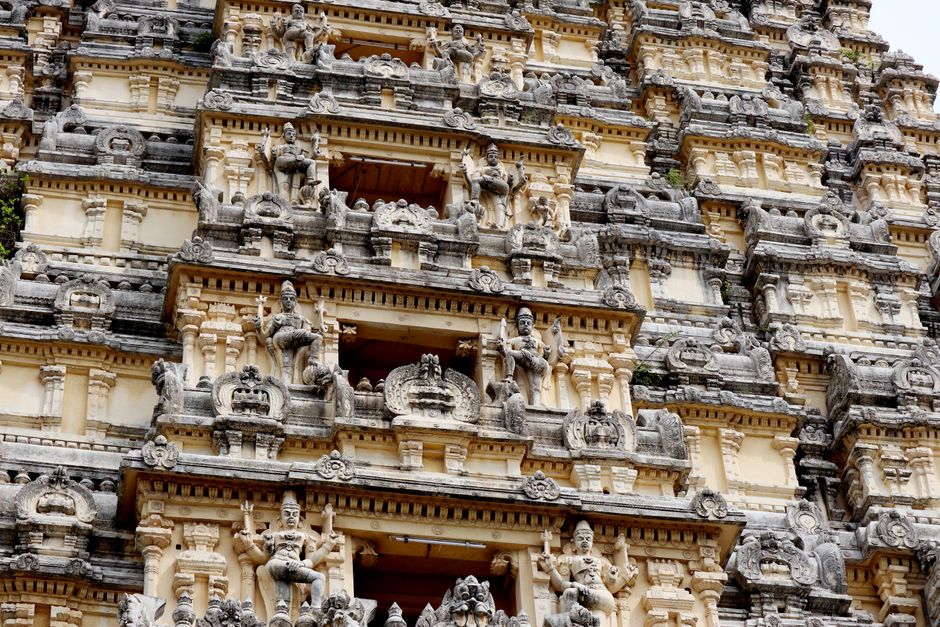
AUDIT OPTION. You reach Kyoto around 11:00 and cannot check in until 15:00. Forward the bags from Kyoto Station by takkyubin and spend the gap at Tofuku-ji or Sanjusangen-do rather than in the lobby. Side benefit: it frees up the afternoon currently earmarked for a hotel nap.
Day 10

Top priority for the day.
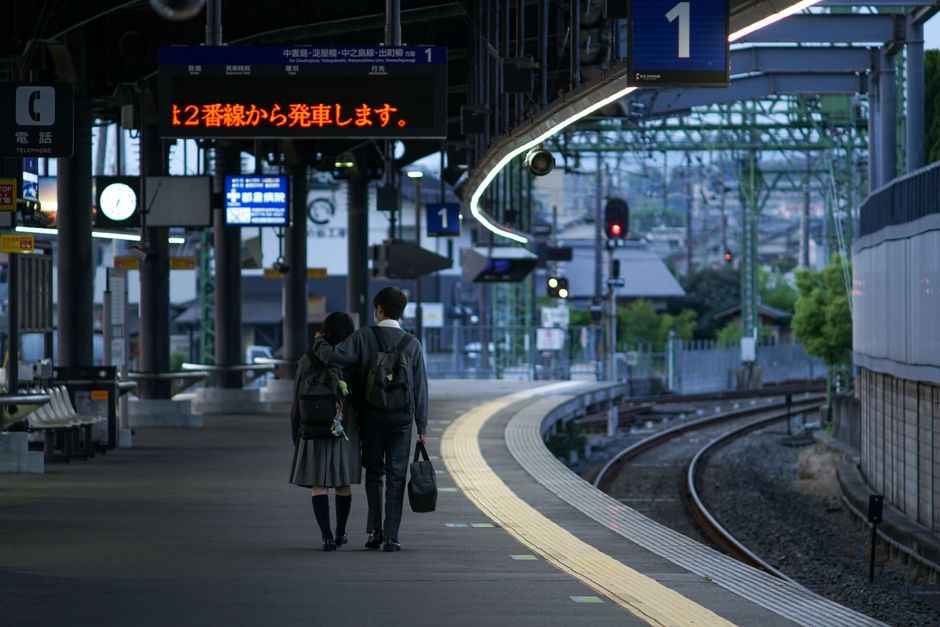
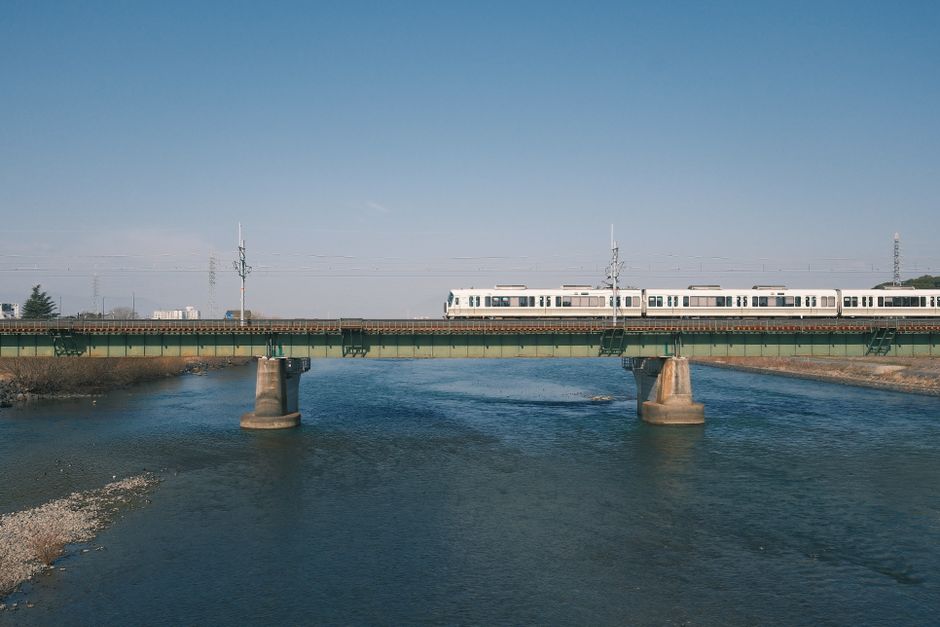
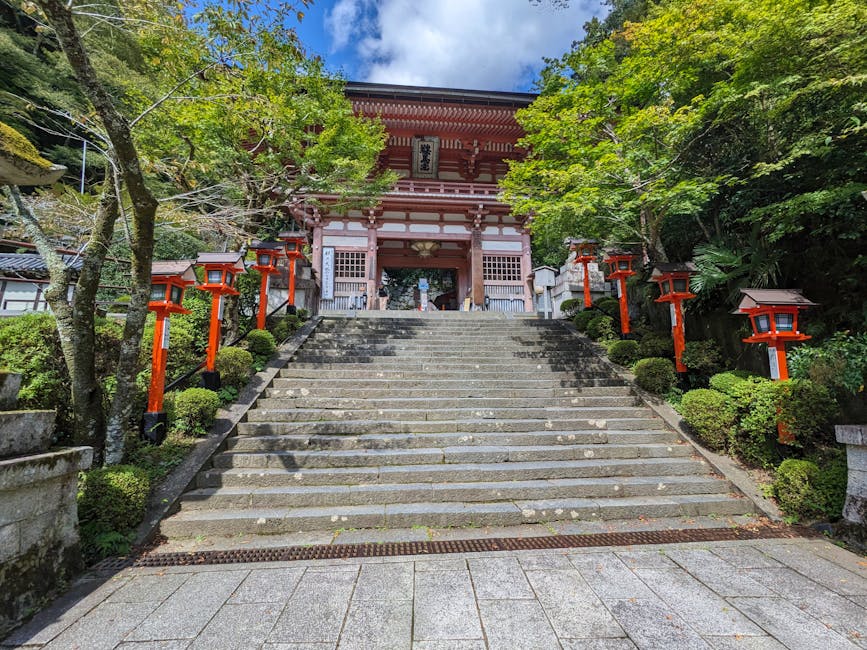
Keep it simple - skip a fancy sit-down lunch in Kibune and save the appetite for a drink or dessert by the river.
Yuki Shrine is optional. Do not spend too long inside Kurama-dera.
The centrepiece of the day - do not sacrifice this if the morning runs late.
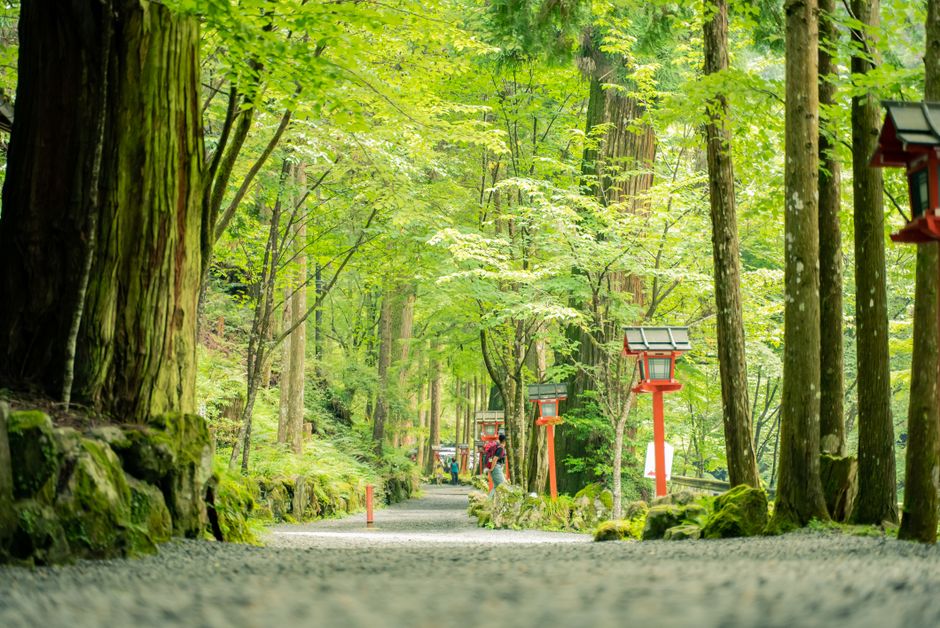
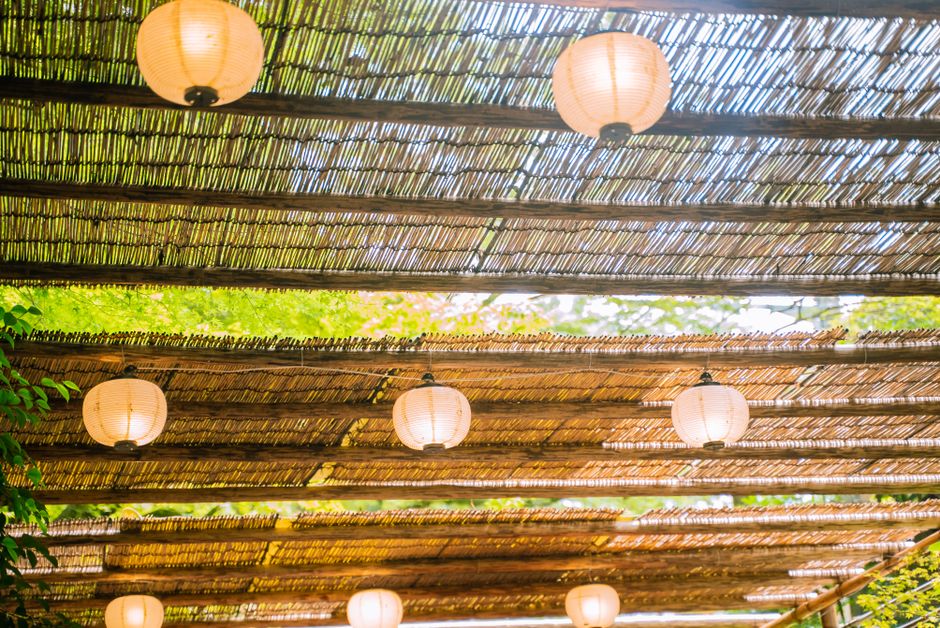
Riverside kawadoko seating.
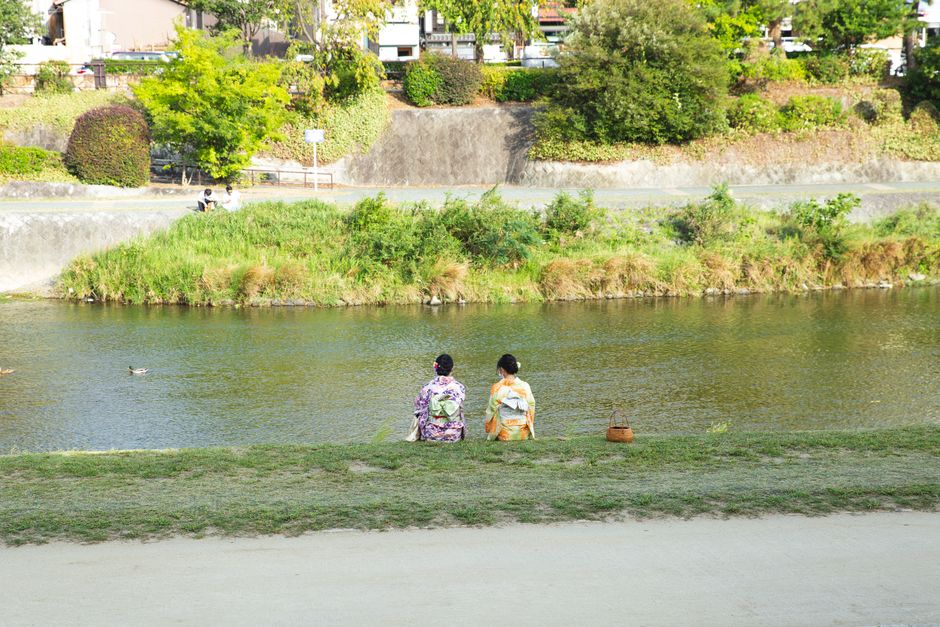
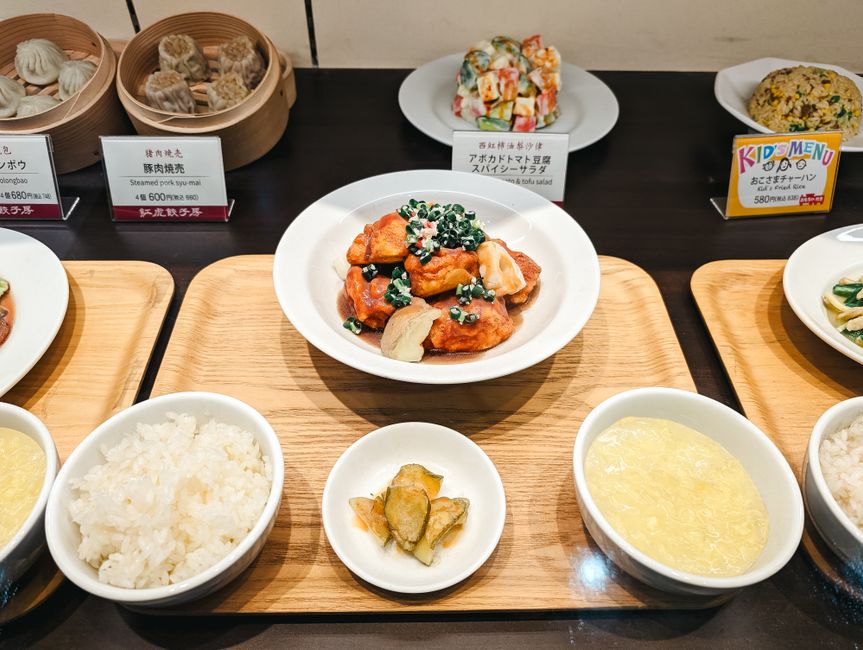
Men-ya Inoichi (ramen) | Katsukura (tonkatsu) | Mimikou (udon) | Gyoza Chaochao | Omen (handmade udon) | Hinode Udon (thicker, more local) | Shinpuki Saikan Ramen (local spot by the train station).
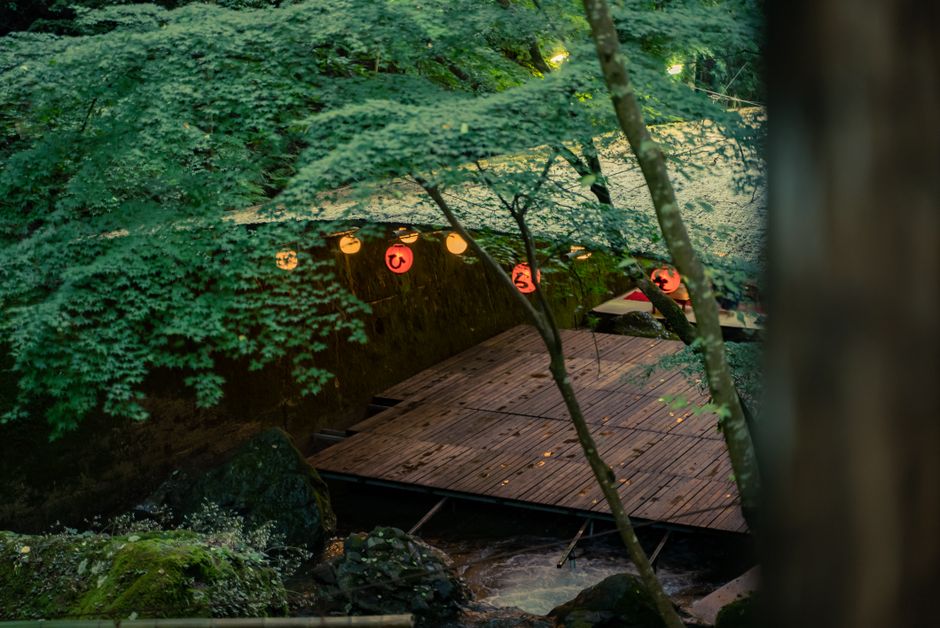
AUDIT OPTION. Kibune is the one place in Japan where eating on a platform over running water is a formal tradition, so it is worth having it done properly: the ryotei kawadoko at Hirobun or Beniya, lunch platforms set directly above the river with a kaiseki-format meal. Reserve ahead. City alternative: Pontocho noryo-yuka, the summer platforms out over the Kamogawa - book a yuka table rather than just walking Pontocho. VERIFY: Kamogawa yuka season conventionally runs May through September and Kibune's platforms come down around the end of the month - confirm both are still up for 17-18 September.
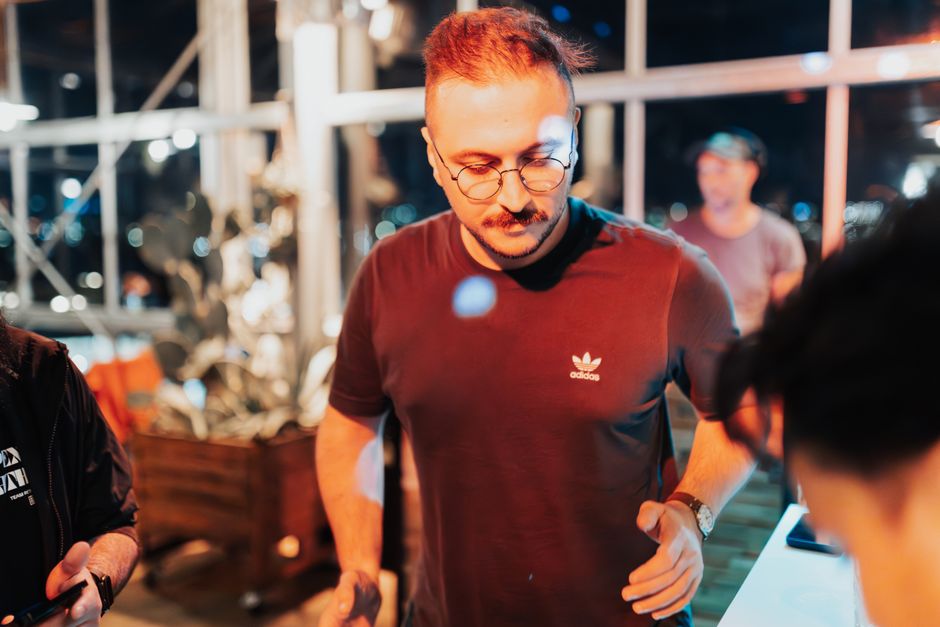
AUDIT OPTION. The oldest of Kyoto's five hanamachi, by Kitano Tenmangu - a genuinely working district with almost no visitors, and its teahouse street is what people imagine Gion is. It sits across the city from Higashiyama so it will not merge into the Wednesday evening; this is the Thursday-evening slot.
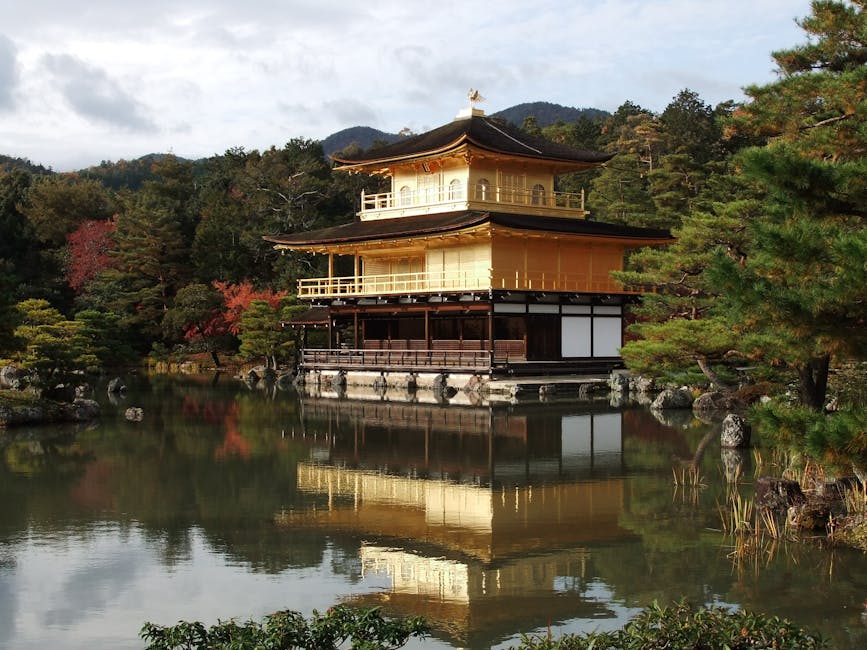
AUDIT OPTION. North of the Philosopher's Path. Shisen-do is a poet's retreat with a clipped azalea garden and a shishi-odoshi that punctuates the silence; Enko-ji's Jugyu-no-niwa is one of the finest maple-and-moss compositions in the city. Both take visitors in single figures on a September weekday.
Day 11
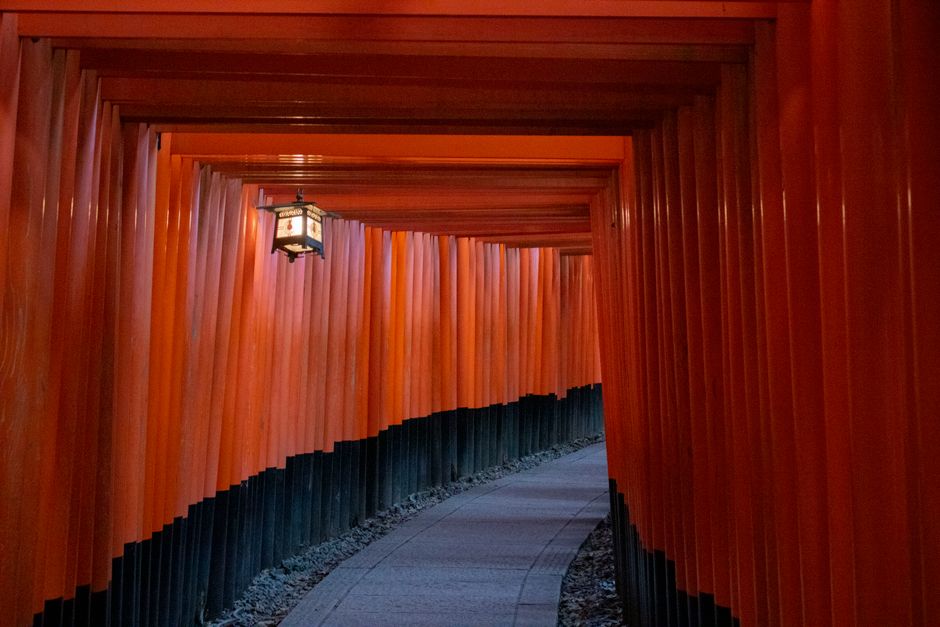
10-15 min train. Enter the gates and walk 5-10 min uphill, then look for the smaller path branching to the right. Once on the mountain path stay left at the forks. Go past the first major viewpoint into the quieter sections up toward the Yotsutsuji intersection viewpoint, then descend - about 1.5 hours.
Stamp.

Local spot right by the train station - if you did not go the day before.

About 1.5 to 2 hours.
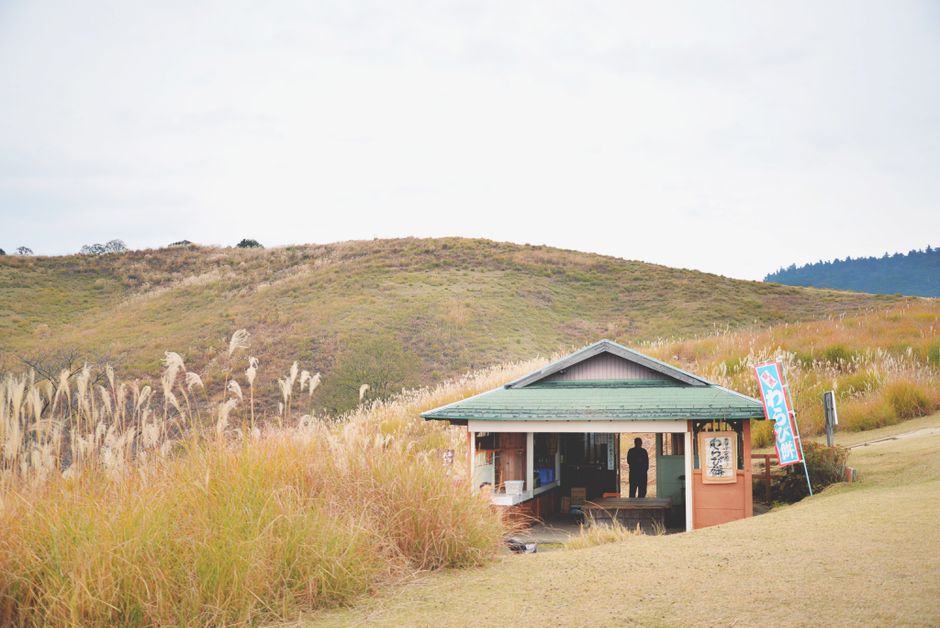
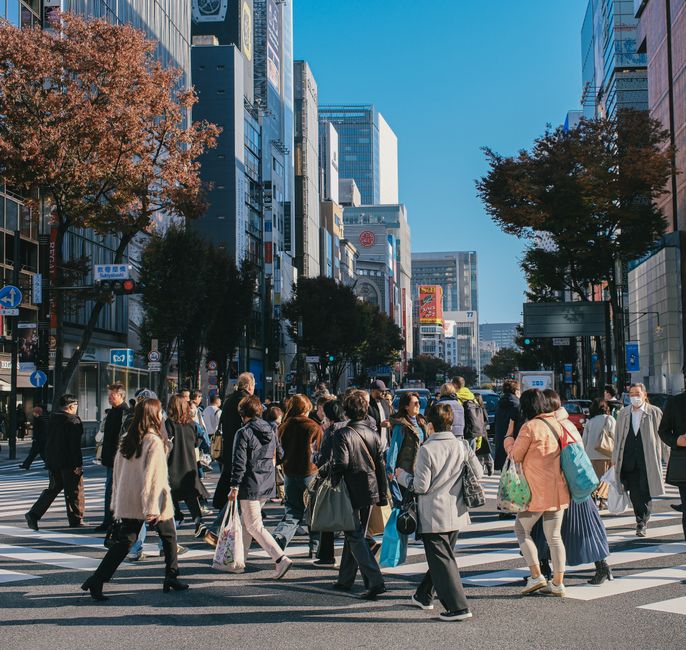
AUDIT OPTION. Hand the main bags to the Hyatt Regency Kyoto bell desk on Thursday evening for next-day delivery to the Hyatt Centric Ginza, and travel to Hakone with an overnight bag only. Gora is switchbacks, stairs and very small trains; a ryokan overnight does not need a suitcase. Cost is trivial, the difference on the Odawara-Gora leg is not.
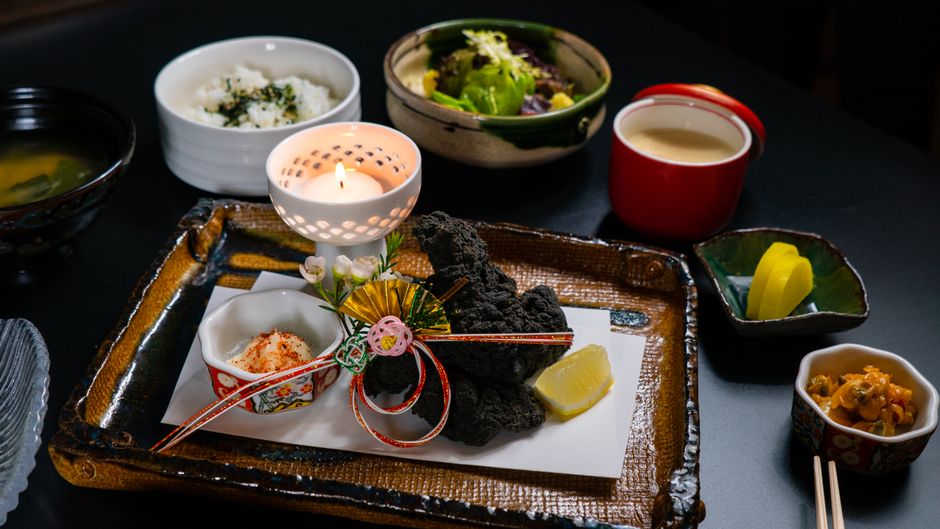
AUDIT NOTE. The onsen and the kaiseki dinner are the entire reason the Hakone night exists. Listed explicitly so nothing gets scheduled against it.
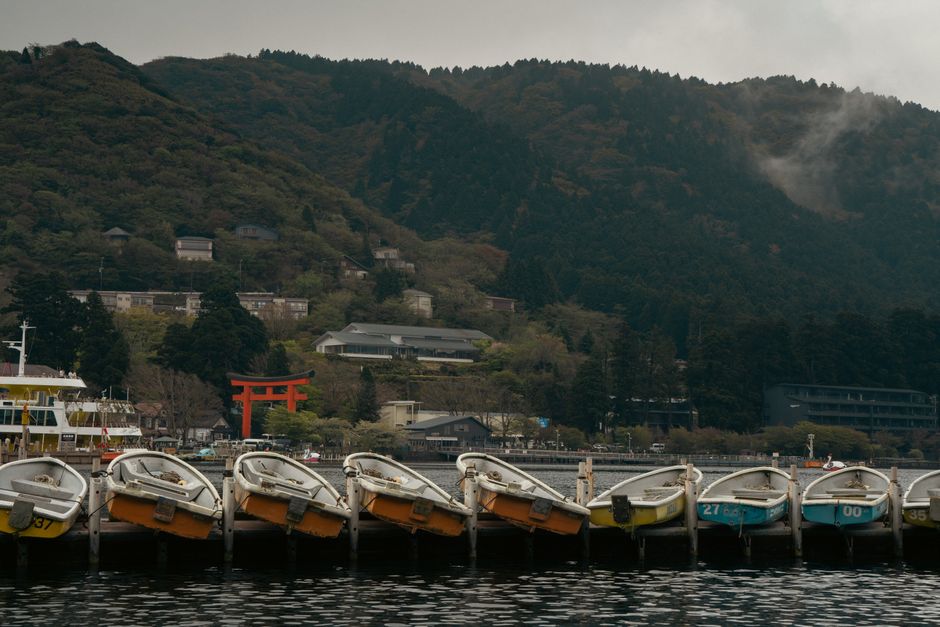
AUDIT STRUCTURAL FINDING. The Nozomi does not stop at Odawara - only certain Hikari services do. Kyoto to Odawara on a stopping Hikari is roughly two hours, and those services are less frequent than the headline timetable suggests. Then the Hakone Tozan line or a bus up to Gora, another 40-50 minutes with a change. Budget three hours door to door. Consequence: dawn Fushimi Inari + Tofuku-ji + ramen + a noon checkout + a 15:00 Gora check-in does not fit. Nothing needs cutting - but either Tofuku-ji slips or the ryokan arrival lands closer to 17:00, in which case confirm the dinner service allows it.
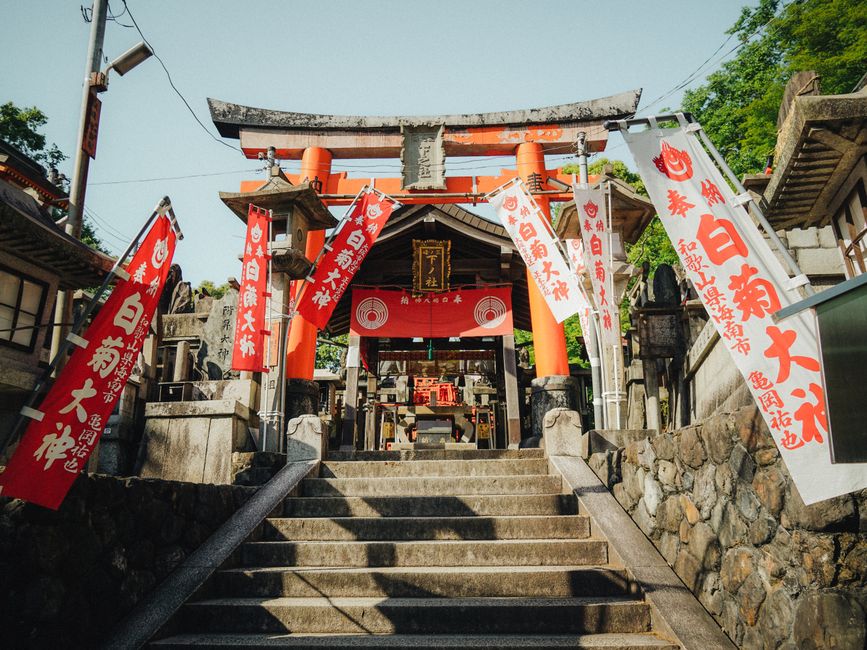
AUDIT OPTION - a refinement of the Fushimi plan, which the audit says is already the tier-one method. Rather than retracing your steps, carry over the summit loop and descend the eastern side toward Tofuku-ji, which is already the next stop. Same walk, no repeated ground, and you arrive at Tofuku-ji from the quiet direction.
Day 12
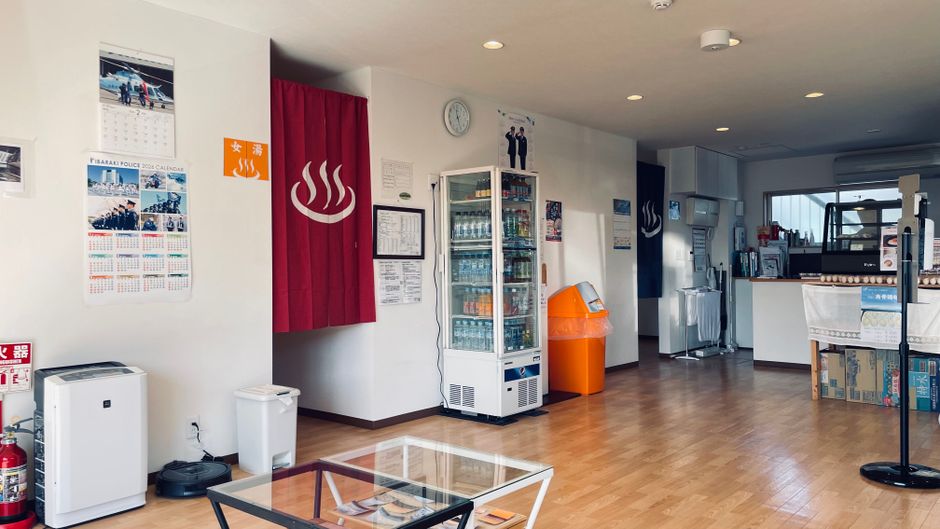
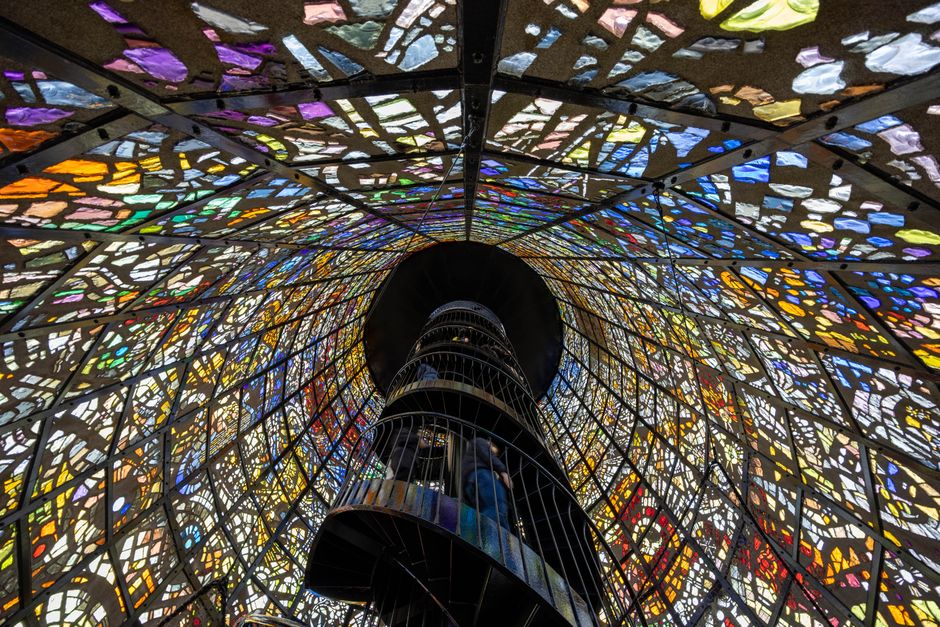
Listed as an alternative to the slow onsen morning.
Walk uphill about 10 min through the moss gardens - the viewpoint is inside.
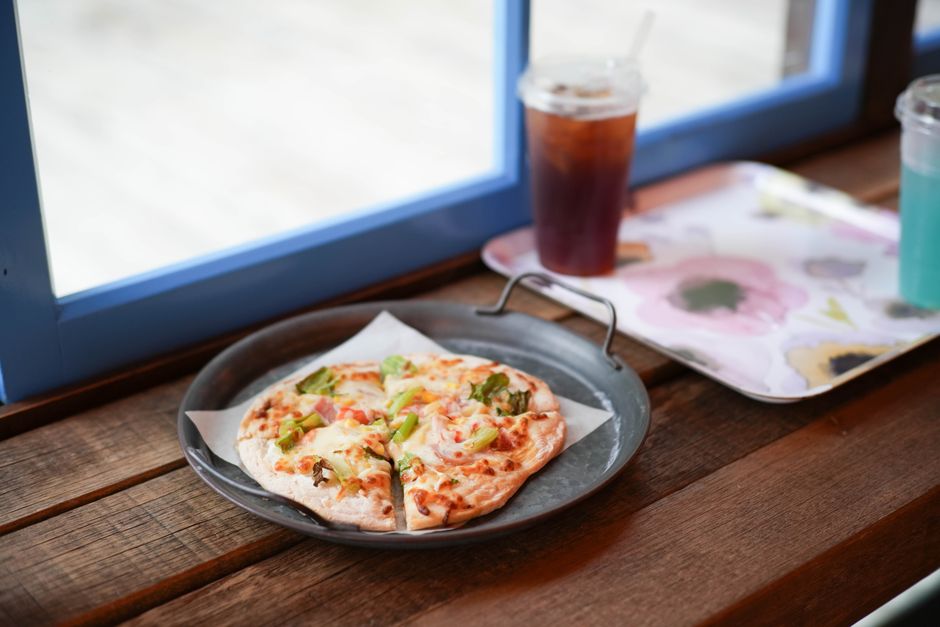


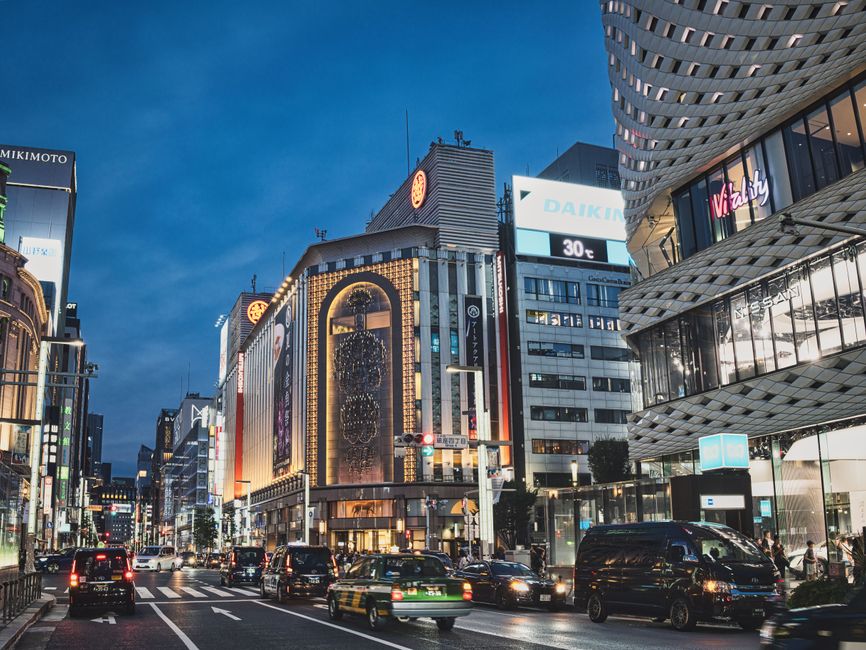
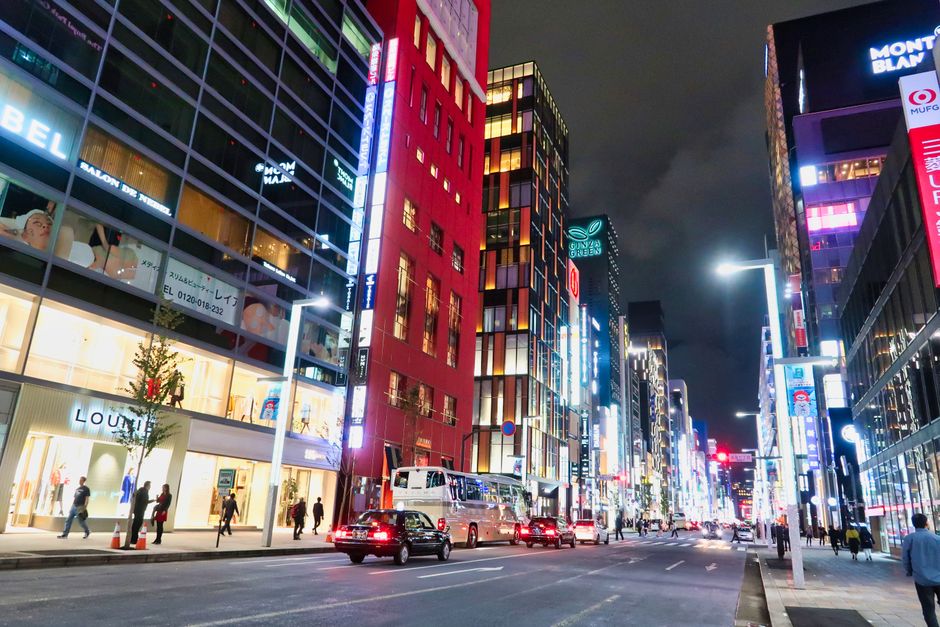
Free. Take a shot of the Ginza crossing from up here.

7-Eleven and FamilyMart both print. Bring the disposable camera picked up in Kyoto.
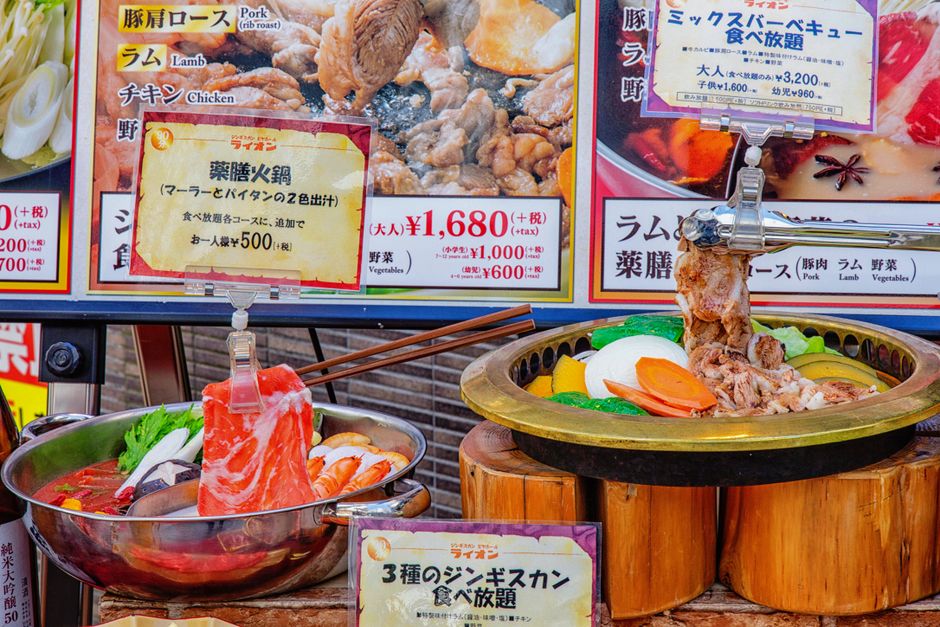
Ginza tsuboyaki (slow-roasted sweet potatoes in clay pots) | Ginza Kagari (chicken paitan ramen) | Ginza Bairin Honten (tonkatsu) | Ginza Sand (wagyu sandwiches).
Basement levels of the Marronnier Gate Ginza 2 building, same complex as Uniqlo. Two-story store, widely considered the best-value supermarket in Tokyo - lots of bento boxes and cheap food. 7 min walk from the hotel.
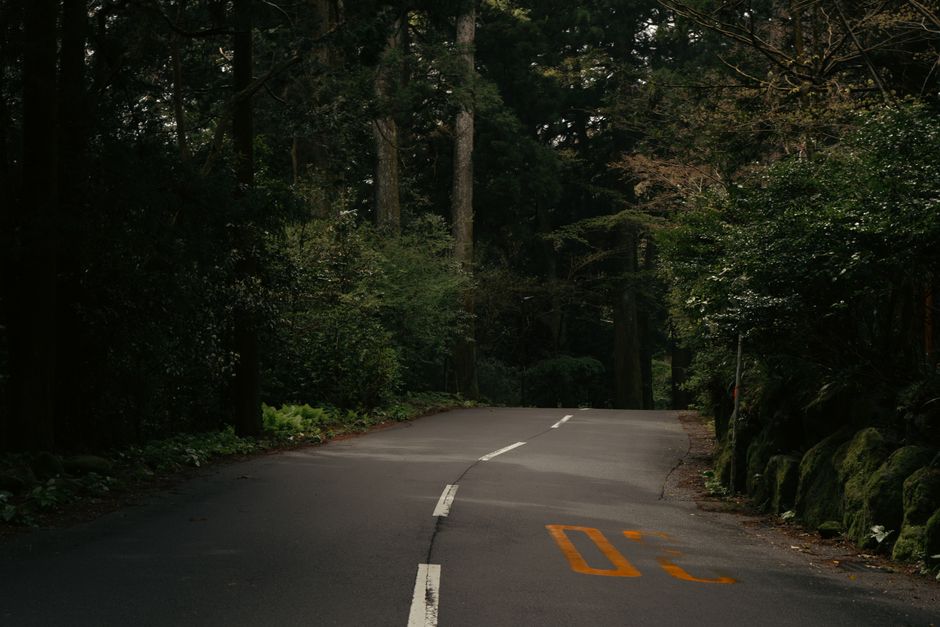
AUDIT OPTION. Moto-Hakone to Hakone-machi, about 30 minutes on foot: a surviving avenue of cryptomeria planted in the early 1600s to shade travellers on the Tokaido, flanking the old road along Lake Ashi. Add Onshi-Hakone Park on the promontory for the lake view and, on a clear morning, Fuji - with no ropeway ticket involved. This is the alternative to the standard Hakone conveyor (pirate ship, ropeway, Owakudani, black eggs, the torii queue). It is on the lake rather than in Gora, so it costs the bus down and back - a clear-sky-only call, and a genuine either/or with the museum morning.
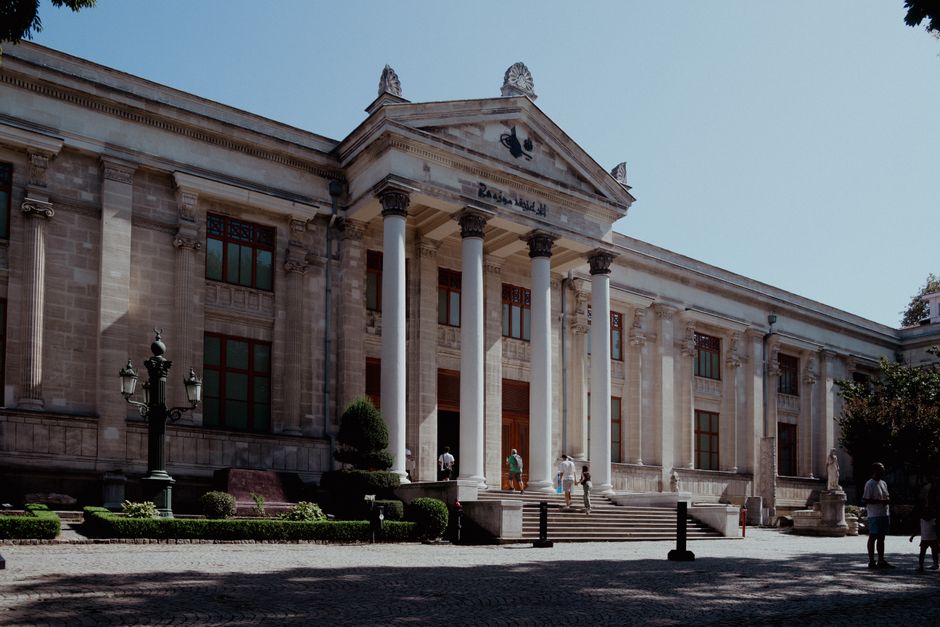
AUDIT OPTION - a third museum choice for this morning. Sunk into a beech forest, glass-walled, holding a first-rate Impressionist and modern Japanese collection, and the quietest of the three. Audit's timing note: with a 15:00 Tokyo check-in, one museum plus Naraya Cafe is a full and honest morning and two is a forced march - so the Open-Air Museum and the Hakone Museum of Art both on the plan are worth choosing between on the day. For the record the audit rates the Open-Air Museum highly; it is crowded because it is good.
Day 13
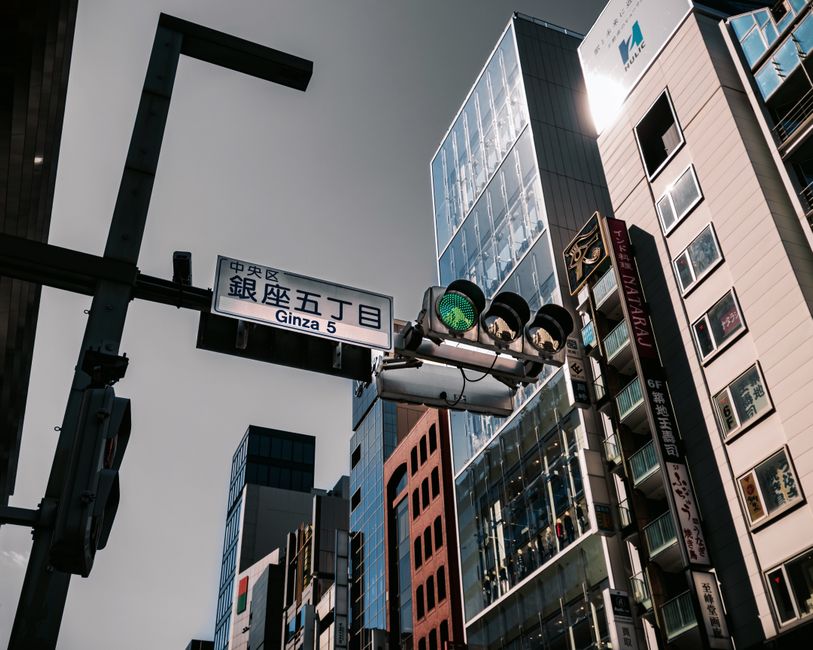
Nostalgic Tokyo atmosphere, quiet streets, cats everywhere, lots of shops for snacks and food.

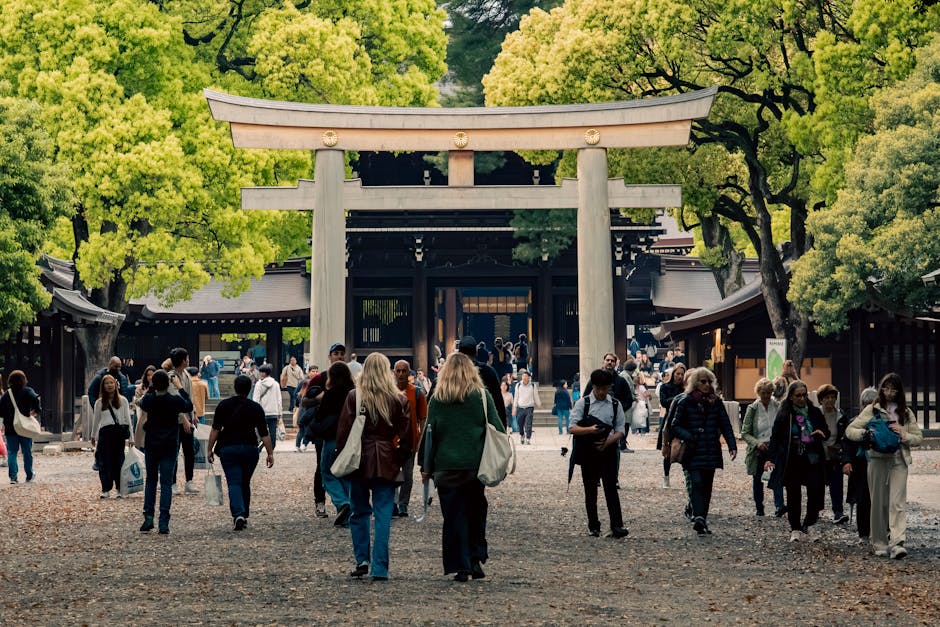
Best time is 3-5pm.
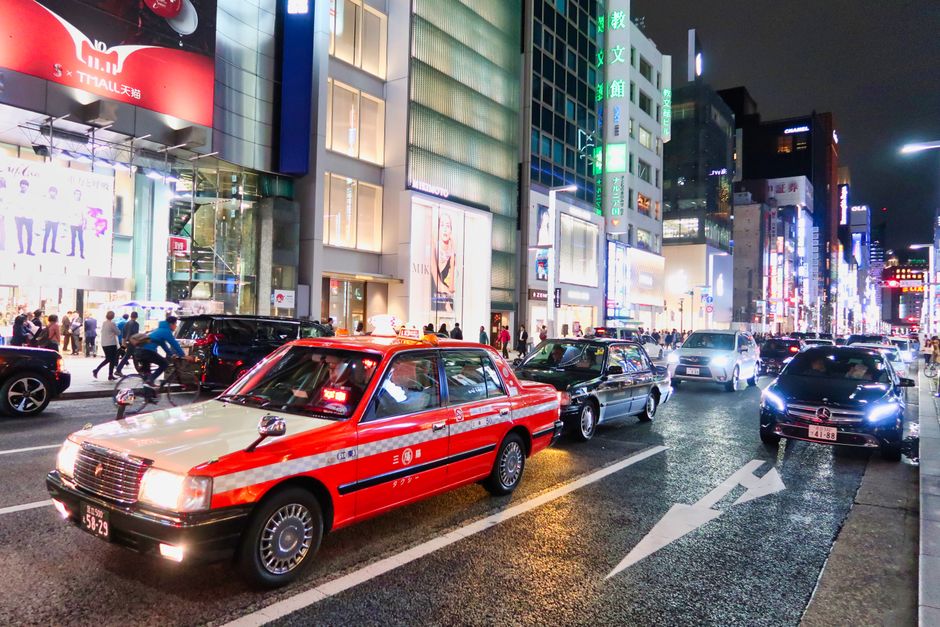
Huge dumplings.


AUDIT OPTION - same morning, same principle. Yanaka Cemetery's central avenue; Kayaba Coffee, a 1938 kissaten still working; and SCAI The Bathhouse, a 200-year-old sento converted into a contemporary gallery.

AUDIT OPTION - about a ten-minute walk from Yanaka Ginza, so it costs only a detour on a morning already being spent in Yanesen. Buildings from 1706 that survived both the Great Kanto earthquake and the firebombing, which is genuinely rare in Tokyo, plus a small vermilion torii tunnel up the hillside. Meiji Shrine stays exactly as planned at 3-5pm; the audit agrees that timing is right and that its attribute - a hundred thousand donated trees planted in 1920 to grow into a permanent forest - is different and genuine.
Day 14
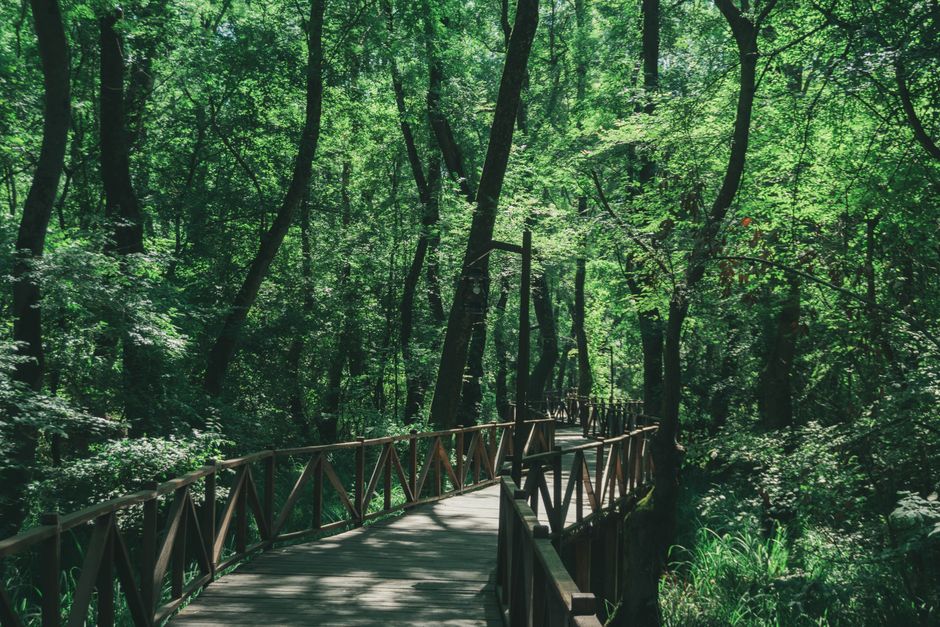
Alternative if you want something closer: Hibiya Park.

AUDIT OPTION alongside Itoya, not instead of it - Itoya is four minutes from the hotel and still earns its thirty minutes. At Kakimori you specify a notebook (cover, papers, rings, closure) and it is bound while you wait; next door at Inkstand you blend a custom fountain-pen ink to a formula they bottle and label for you. Same attribute as Itoya - obsessive material craft - but made rather than bought. VERIFY: both usually need reservations, sometimes weeks out, so book before leaving Calgary. Kuramae carries a whole afternoon: Koffee Mameya, Nakamura Tea Life Store, Carmine for leather. Note that Kuramae and Todoroki are on opposite sides of the city.
AUDIT OPTION - an alternate to Todoroki Valley, not a replacement. Twenty hectares of the old Shirokane estate held as a research forest and intentionally not landscaped, with visitor numbers capped by ticket, making it the closest surviving thing to pre-Edo Musashino terrain. The audit's own conclusion: Todoroki passes on its own merits, and if you keep Kakimori in the afternoon then keep Todoroki, because it is the shorter outing.
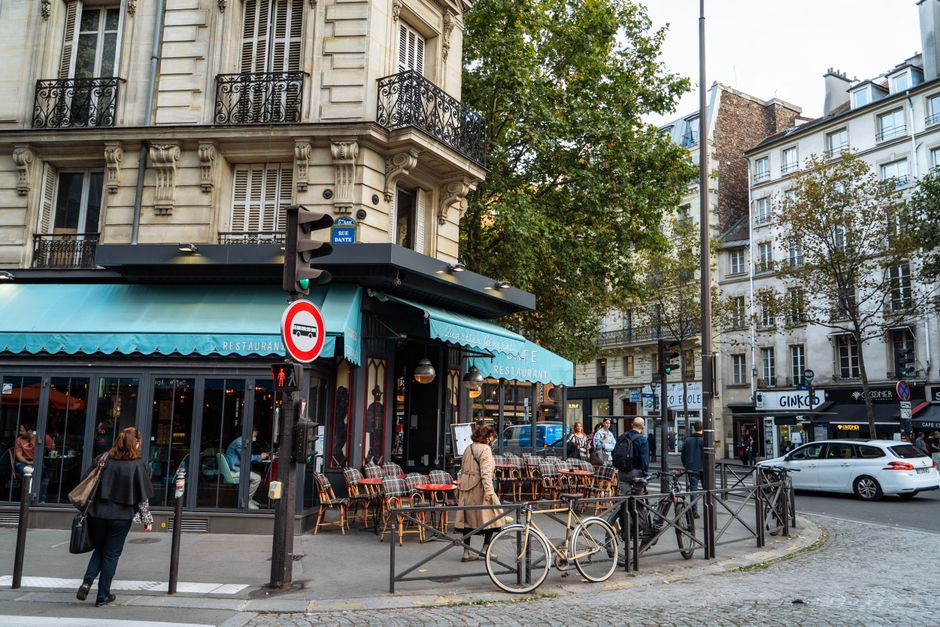
AUDIT OPTION - both about five minutes from the hotel. Cafe de l'Ambre, Ginza 8-chome, open since 1948: coffee only, no food, no wifi, served from beans aged deliberately for years in a narrow smoke-darkened room - the definitional version of a form Japan invented. Tricolore nearby is the other Ginza classic and it does serve breakfast. Either is a better use of a Ginza morning than the hotel buffet.

AUDIT OPTION - on the same principle as OK Ginza, which the audit says is already the insider answer and should be kept. Add the railway-arch izakaya under Yurakucho. And the basement food halls at Mitsukoshi or Matsuya Ginza discount prepared food heavily in the last hour - the quality of what gets marked down is absurd. Bento back to the room, or eaten in Hibiya Park. The audit's one negative: skip Tsukiji outer market, it is now a queue.
Day 15

Ask the hotel about the express bus - cheaper than the train.
JL 18 Japan Airlines (Business) Narita Terminal 2 to Vancouver, arriving 11:40 same day.
AC 2026 YVR Terminal M to YYC, arriving 18:09. Business class, Boeing 737 MAX 8, operated by Air Canada Rouge.
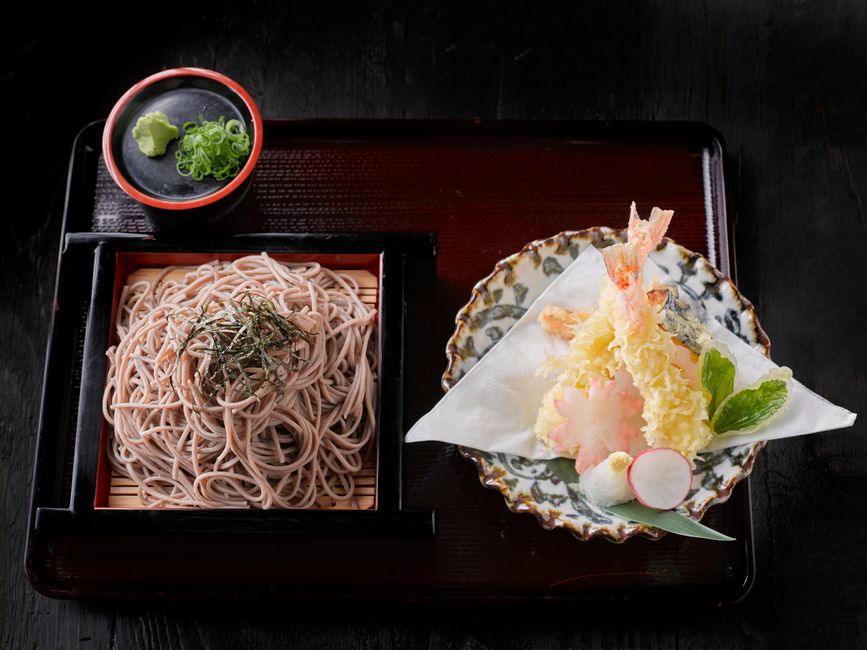
AUDIT OPTION - both about five minutes from Ochanomizu Origami Kaikan, which the audit says to keep as-is (a working paper-dyeing studio rather than a gift shop, and already a deep cut). Yushima Seido is a black-lacquered Confucian temple, unlike anything else in Tokyo and almost always empty. Kanda Yabu Soba is one of the oldest soba houses in the city, for a last proper lunch.
AUDIT STRUCTURAL NOTE. An 18:55 departure means being at Narita by roughly 16:15, which means leaving Ginza by 15:00. That gives you a morning and an early lunch, not an afternoon - plan two items, not four.
Clone it to get every day and stop in your own planner, ready to change, or start a new Fiji and Japan plan from scratch.
Shared via Wanderlust