City guide · Updated June 2026
EuropeNorway63.4° · 10.4°
Trondheim,Norway.
Norway's Viking capital reborn — medieval grandeur, student energy, and colourful wooden streets on the Trondheimsfjord.
Trondheim · NO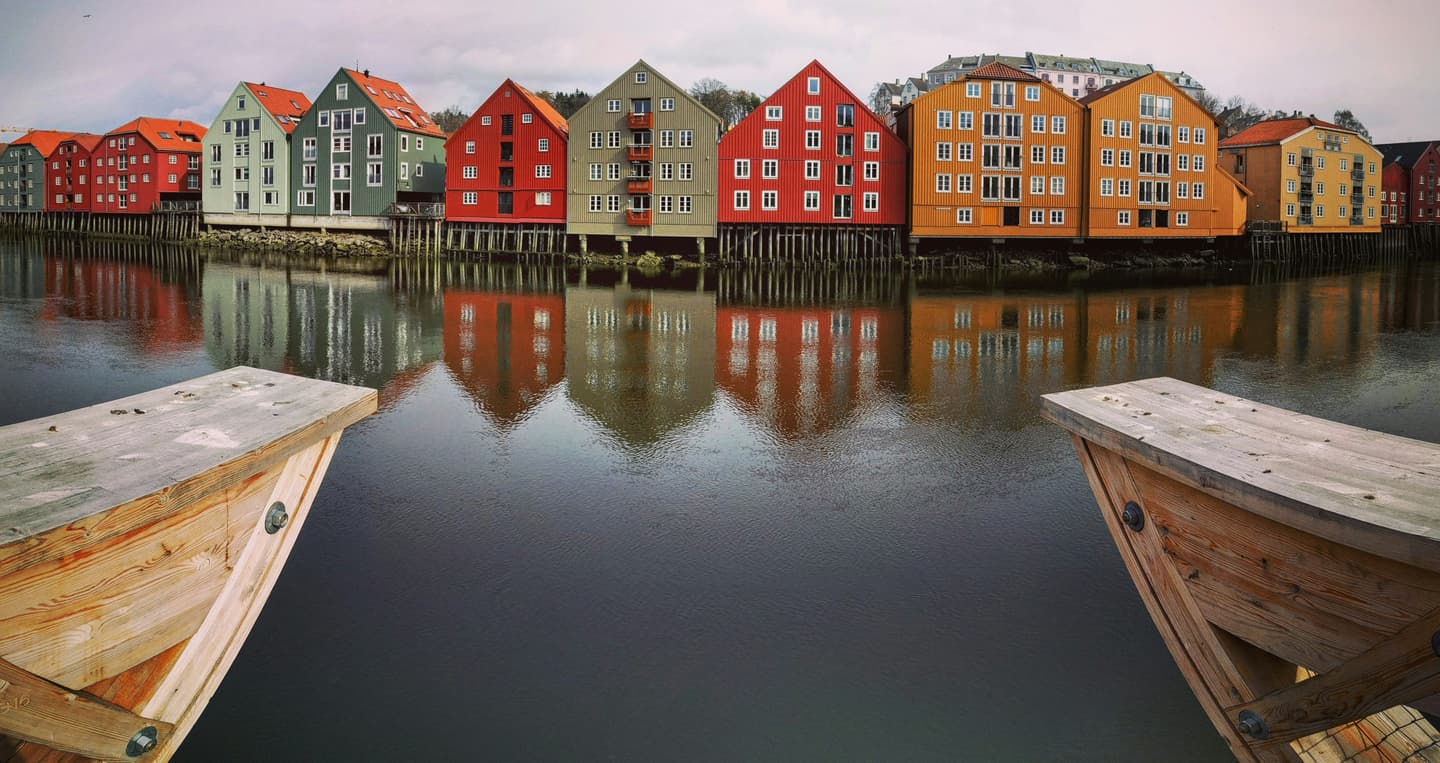
TrondheimNorway
★
Trondheim Airport Værnes (TRD)NEAREST AIRPORT
Population
183,361.6
Total residents
Global rank
#350
Wanderlust index
Best time
Summer (June–August) for long…
Peak window
Time zone
Europe/Oslo
Local time
Currency
Norwegian Krone (NOK)
Money in use
Language
Norwegian
Spoken locally
01 · Overview
About Trondheim
Norway's Viking capital reborn — medieval grandeur, student energy, and colourful wooden streets on the Trondheimsfjord.
Founded in 997 AD by King Olav Tryggvason, Trondheim served as Norway's first capital and remains its most historically resonant city — home to Scandinavia's largest medieval cathedral and Europe's most important pilgrimage route. Today it pairs that storied past with a lively, walkable present: nearly 40,000 students fuel a thriving café, craft-beer, and arts scene, while the colourful wooden wharves of Bakklandet, the Nidelva River, and Bymarka's vast outdoor spaces give the city a small-town warmth that belies its status as Norway's third-largest urban centre. Compact enough to explore on foot or bike, ambitious enough to satisfy curious travellers for a long weekend and beyond.
02 · Wanderlust scorecard
How Trondheim scores
Ratings run 0 to 5 unless marked. They come from our AI-assisted research and are refreshed on a rolling basis.
1
/ 5
Cost of living
Affordability, 0–5. Higher means cheaper.
4.4
/ 5
Leisure
Leisure rating, 0–5.
200
Mbps
Connectivity
Median internet speed.
4.9
/ 5
Safety
Safety rating, 0–5. Higher is safer.
2.6
/ 5
Overall livability
Overall rating, 0–5.
4.5
/ 5
Air quality
Air-quality rating, 0–5. Higher is cleaner.
7.3
index
Index score
Wanderlust ranking, 0–10: overall, safety, internet, cost, leisure and air quality, weighted.
03 · Weather & when to go
Best time to visit Trondheim
Current weather and the forecast, and the months our research rates best for a visit.
Month by month
Best months Either side Other months
Jan
Feb
Mar
Apr
May
Jun
Jul
Aug
Sep
Oct
Nov
Dec
Sweet spot: Summer (June–August) for long daylight hours, warmest temperatures, and a lively outdoor atmosphere; late December for Christmas markets and a snowy, cosy city feel..
More cities for these months: Where to go in June · Where to go in July · Where to go in August
04 · Things to do
Things to do in Trondheim
Top sights from our AI-assisted research, and other places we have photos of.
Top sight
Top sight
Bakklandet neighbourhood & Gamle Bybro
Top sight
Top sight
Archbishop's Palace & Crown Regalia
Top sight
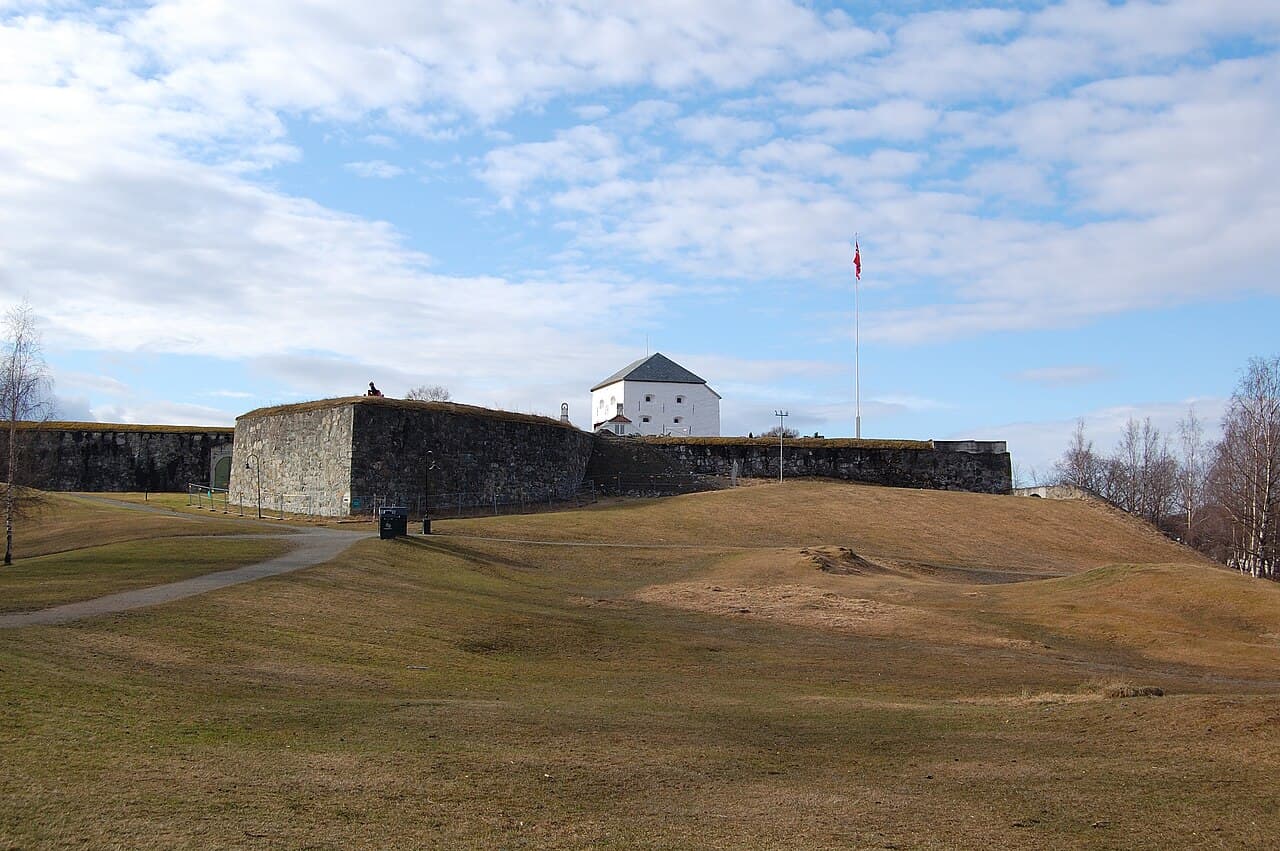
Kristiansten Fortress
Photo: User:Sveter (Please credit as "Petr Šmerkl, Wikipedia" in case you use this outside WMF projects.) · CC BY-SA 3.0
Top sight
Top sight
Rockheim – National Museum of Popular Music
Top sight
Top sight
Sverresborg Trøndelag Folk Museum
Top sight
Top sight
Munkholmen island fortress
Top sight
Top sight
Bymarka outdoor area
05 · Monthly cost of living
Cost of living in Trondheim
Estimated monthly totals in USD from our AI-assisted research, one per profile. Treat them as a starting point for a budget, not a quote.
$4,800
estimated monthly spend · USDProfileExpat
Price references — vs. profile benchmarks
Nomadmonthly spend · USD
$3,800
-21%
Expatmonthly spend · USD
$4,800
baseline
Familymonthly spend · USD
$14,857.9
+210%
Localmonthly spend · USD
$4,132.5
-14%
Median fiber speeddownload · Mbps
200
Mbps
06 · Neighborhoods
Where to stay in Trondheim
Neighborhoods our AI-assisted research lists as popular with visitors.
Bakklandet
Solsiden
Midtbyen (City Centre)
Nedre Elvehavn
07 · Insider tips
Sights and neighbourhoods, with a tip each.
Practical tips on places from this Trondheim guide, written with AI. One is free; Pro members see the rest. Double-check details before you go.
Insider tips · Wanderlust Pro
Practical tips on the sights and neighbourhoods in this Trondheimguide — when to go, what most visitors miss. Written with AI about the guide's own places; double-check details before you go. Pro members see every tip.
08 · Practical notes
Practical information for Trondheim
The essentials from this guide's data, in one place.
01
Getting there
- Nearest airport — Trondheim Airport Værnes (TRD)
02
Money
- Currency — Norwegian Krone (NOK)
- Affordability — 1/5 on the Wanderlust index (higher is cheaper)
03
Internet
- Median speed — 200 Mbps
- Internet score — 5/5
04
Safety
- Safety score — 4.9/5 from our AI-assisted research
05
Language
- Primary language — Norwegian
06
Timing
- Best window — Summer (June–August) for long daylight hours, warmest temperatures, and a lively outdoor atmosphere; late December for Christmas markets and a snowy, cosy city feel.
- Time zone — Europe/Oslo
Questions
Frequently asked, plainly answered.
The quick answers travelers want before they commit to flights, neighborhoods, and how long to stay.
Is Trondheim safe for travelers?+
Trondheim has a safety rating of 4.9 out of 5.
What is the best time to visit Trondheim?+
The best time to visit Trondheim is Summer (June–August) for long daylight hours, warmest temperatures, and a lively outdoor atmosphere; late December for Christmas markets and a snowy, cosy city feel..
How expensive is Trondheim?+
Trondheim has an affordability score of 1 out of 5, where 5 is most affordable.
What is the internet speed in Trondheim?+
Trondheim has an average internet speed of 200 Mbps.
What currency does Trondheim use?+
The currency used in Trondheim is Norwegian Krone (NOK).
What language is spoken in Trondheim?+
The primary language spoken in Trondheim is Norwegian.
Researched city guide
Getting there, getting around and when to go
Written with AI-assisted web research. Where we have sources, they are listed under each part.
What works
- World-class medieval heritage — the northernmost Gothic cathedral on Earth and a live pilgrimage tradition
- Exceptionally safe and high quality of life with a welcoming, student-driven atmosphere
- Highly walkable and bike-friendly, with the world's only bicycle lift in Bakklandet
- Thriving food scene rooted in local Nordic ingredients, plus a burgeoning craft-beer culture
- Outstanding outdoor access — Bymarka forest, Trondheimsfjord, and ski slopes all minutes from the city centre
- Gateway to northern Norway: onward connections by Hurtigruten coastal ferry and the Dovre/Nordland rail lines
What to weigh
- One of the most expensive cities in the world — restaurants, bars, and accommodation costs will shock most budgets
- Weather is unpredictable year-round with frequent rain; winter days offer as little as 4.5 hours of daylight
- Limited international flight connections compared to Oslo or Bergen; most routes via TRD are domestic or short-haul European
- Few English-language digital-nomad co-working spaces or nomad community infrastructure
- High cost of alcohol means nightlife can be prohibitively expensive
Getting in
How to arrive
Trondheim is served by Trondheim Airport Værnes (TRD), located about 30 km east of the city centre in the village of Værnes. The fastest and most frequent airport link is the Værnesekspressen express bus, which reaches the city centre in approximately 25–35 minutes with up to 4 departures per hour; a single adult ticket costs NOK 189 online or NOK 200 on board. The SJ Nord train is a cheaper alternative (roughly NOK 115–160 / ~$12–18), taking about 31–35 minutes to Trondheim Central Station (Trondheim S), though it runs less frequently — roughly hourly. AtB local buses (lines 70, 311, 430) also stop at the airport (4-min walk from the terminal) and are the cheapest option, though luggage space is limited. A taxi costs approximately NOK 950 (~$90) from the airport; Uber typically runs NOK 700 (~$65). By long-distance train, direct Dovre Line (Oslo–Trondheim) services run daily with the journey taking around 6.5–7 hours. By bus, Vy Ekspress coaches from Oslo take around 8 hours.
Getting around
Moving through the city
Trondheim's compact city centre is highly walkable, and the city has an excellent cycling infrastructure — including the world's first and only bicycle lift (Trampe) in Bakklandet, which carries mounted cyclists up the steepest hill for free. The Trondheim Bysykkel bikeshare scheme has stations across the city, including right next to the Trampe lift. Public buses and the Gråkallbanen tram line are operated by AtB; tickets purchased through AtB are valid on both buses and the tram. A single ticket costs NOK 46 (as of early 2024), and a monthly pass runs approximately NOK 800–1,200. The iconic Gråkallbanen tram — the northernmost in the world — runs from the city centre out to Lian in Bymarka, making it a scenic and practical route for outdoor day trips. Taxis and Uber are available but expensive: a typical city ride can cost NOK 200–400.
When to go
Timing your trip
Summer — June through August — is widely considered the best time to visit Trondheim. Average daytime temperatures range from 15°C to 22°C (59–72°F), and the city basks in near-endless daylight: on the longest day (21 June) the sun rises at 3am and sets at 11:40pm, with 'white nights' (never fully dark at midnight) running from late April to mid-August. Outdoor dining, kayaking on the Nidelva, fjord cruises, and the Munkholmen island ferry (mid-May to early September) are all at their peak. Peak tourist season is July–August, so expect higher prices and advance booking is advisable. For a quieter but still atmospheric visit, May and early June offer fewer crowds, blooming parks, and pleasantly mild weather. Winter (December–February) brings cold temperatures averaging around -1°C to 2°C, reliable snowfall, and a Christmas-market magic around Nidaros Cathedral, plus excellent skiing at nearby Vassfjellet (40 minutes away) and the Gråkallbanen tram-to-Bymarka ski trails. Autumn (September–October) sees vivid foliage, especially beautiful along the Nidelva, though rainfall increases and many outdoor attractions begin to wind down.
Plan your trip
3 days in Trondheim: a sample itinerary
A ready-made starting point. Make it your own — clone it into an editable journey and reshape every stop.
Day 01
Day 1 – The Medieval Heart
Morning
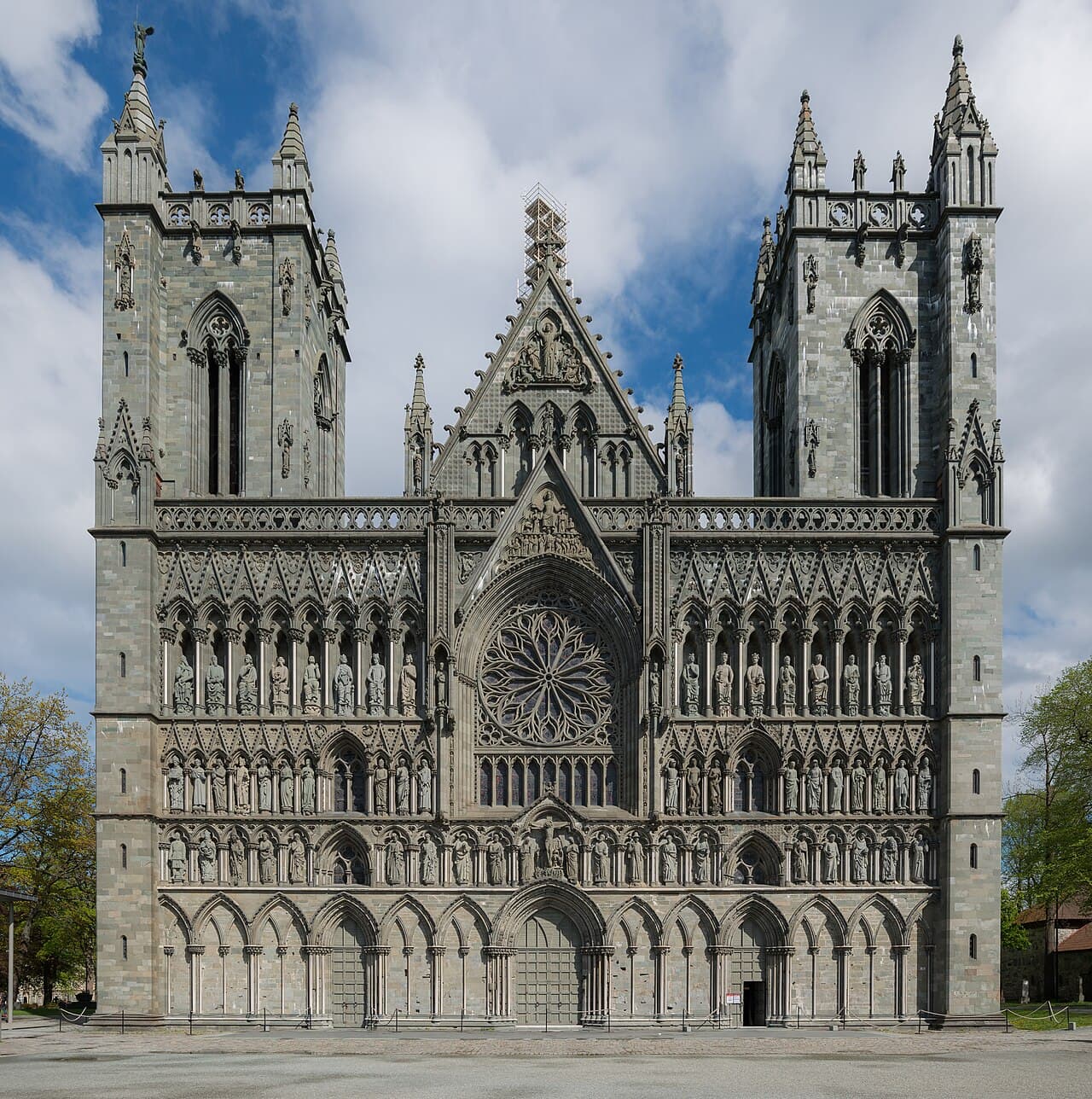
Begin at Nidaros Cathedral: arrive early to beat cruise-ship crowds and explore the ornate Gothic façade, the royal coronation nave, and the Archbishop's Palace with its Crown Regalia collection.
Afternoon
Walk south along Munkegata to Torvet (the main square) and its King Olav statue sundial, then cross the iconic red-arched Gamle Bybro into Bakklandet. Wander the cobbled lanes, browse boutiques, and stop for coffee at the legendary Baklandet Skydsstation café.
Evening
Head to Solsiden for dinner — the former shipyard area is lined with waterfront restaurants. If budget allows, try one of Trondheim's Nordic-flavour fine-dining spots; otherwise E.C. Dahls Bryggeri's tap room is a local institution for craft beer and casual bites.
Day 02
Day 2 – Forts, Museums & Culture
Morning
Hike or take bus 25 up to Kristiansten Fortress for sweeping panoramic views over the city and fjord. Explore the dungeon and fortification grounds, free to wander.
Afternoon
Descend to Rockheim — Norway's National Museum of Popular Music — for an interactive journey through Norwegian rock, pop, and metal history (NOK 170 adults). Afterwards, stroll through Nedre Elvehavn's bar-and-shop complex.
Evening
Try the Trampe bicycle lift experience in Bakklandet for a unique ride up Brubakken hill, then settle in at one of the neighbourhood's live-music venues — Antikvariatet hosts regular concerts in an atmospheric bookshelf-lined bar.
Day 03
Day 3 – Fjord, Forest & Day Trip
Morning
In summer (mid-May to early September), catch the ferry from Ravnkloa Fish Market out to Munkholmen — the ancient island fortress — for a guided tour (NOK 40) and a swim if the weather cooperates.
Afternoon
Take the Gråkallbanen tram from the city centre to Lian in Bymarka for a walk through the forest, or in winter strap on skis for the groomed trails. The tram ride itself, as the world's northernmost, is an attraction in its own right.
Evening
Return to the city for a final dinner in Midtbyen — try the market square area for a craft-beer tasting at ØX Tap Room (a 300-year-old vault cellar) or the waterfront Brattøra district for a farewell meal with fjord views.
Work-ready layer
Coworking spots and laptop-friendly anchors.
Real coworking spaces, laptop-friendly cafés, and libraries mapped near the center of the city — the closest, best-rated desks first.
Spots surfaced0
Categories—
Mapped0
No coworking-ready spots surfaced for this city yet.
Map pending
No mapped workspace points yet.
Pick a different category or check back once we’ve indexed more desks for this city.
Concierge
Ask the Trondheim concierge.
Share your travel style, must-see spots, or work schedule and the concierge will help turn this guide into something personal.
Personal trip brief
Tell it what kind of trip you're trying to have, and it will tighten the plan.
01
Travel style
Ask for cafés, quiet neighborhoods, date-night spots, or a first 48-hour plan.
02
Work constraints
Mention calls, Wi-Fi needs, or how much of the day has to stay laptop-friendly.
03
Real tradeoffs
Get faster answers on where to stay, when to move neighborhoods, and what to skip.
Traveler reviews
Reviews of Trondheim
Written by signed-in Wanderlust members. We don't check that a reviewer has visited.
No reviews of Trondheim yet.
Plan a trip to Trondheim.
Tell the planner your dates, who's coming, your budget and pace, and it drafts a day-by-day itinerary you can edit.
Wanderlust Pro
Insider tips for Trondheim, unlimited AI-built itineraries, and travel companions you can invite to plan a trip together. From $5.00/month, billed annually.