Top sight
Top sight
Malta's glamorous seaside hub — promenade walks, Valletta ferry views, designer shopping, and Mediterranean swimming all in one peninsula.
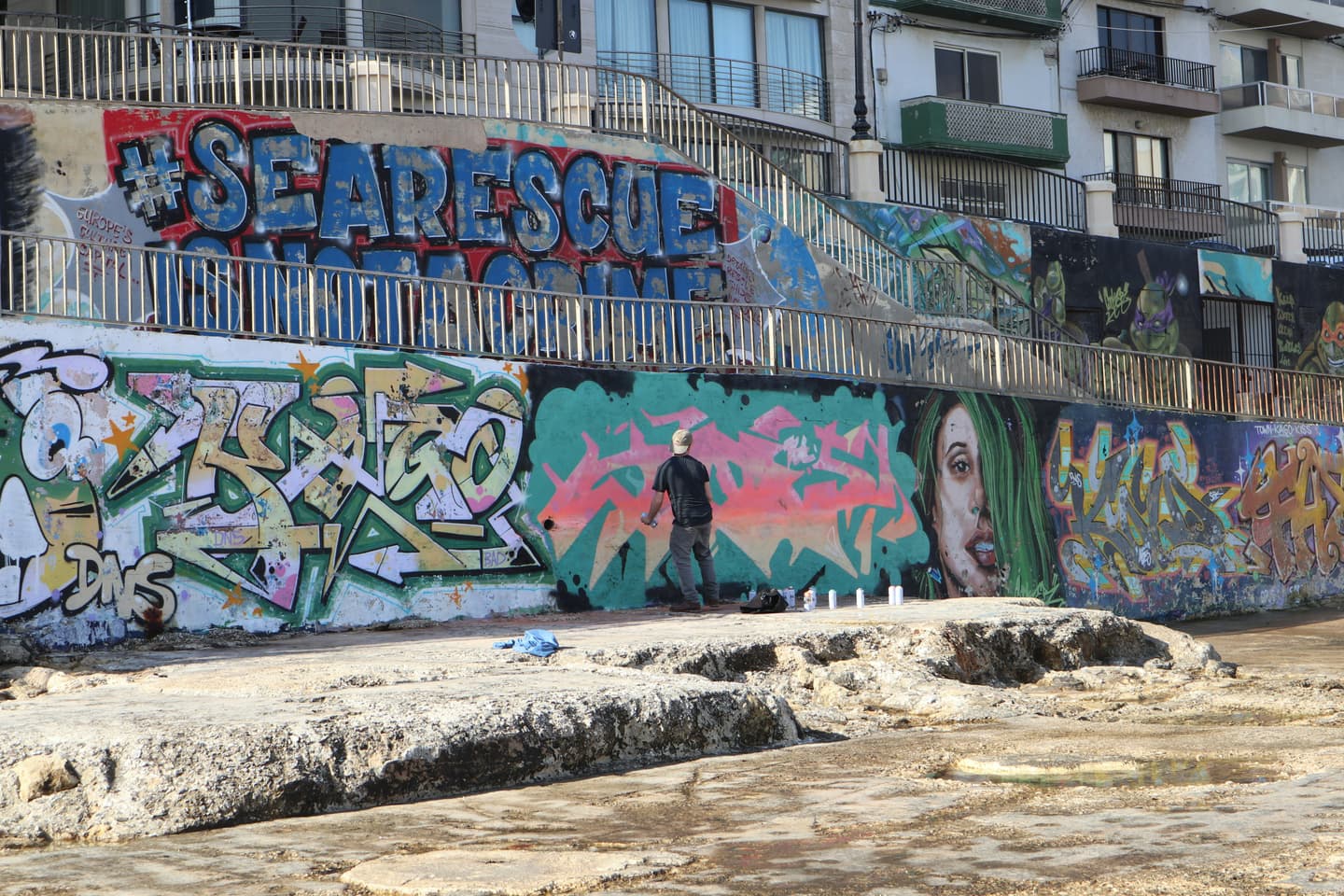
Sliema is a stylish, peninsula-set seaside town on Malta's northeastern coast, sitting directly across Marsamxett Harbour from the capital Valletta. Once a quiet fishing village, it grew into Malta's premier commercial and tourist district during British colonial rule, and today blends glass-fronted condos and designer malls with inner streets of ornate gallarija balconies and traditional limestone townhouses. Its 5-kilometre promenade, rocky swimming coves, buzzing café culture, and near-instant ferry access to Valletta make it the go-to base for exploring the entire island.
More cities for these months: Where to go in April · Where to go in May · Where to go in June · Where to go in September · Where to go in October
Insider tips · Wanderlust Pro
Practical tips on the sights and neighbourhoods in this Sliemaguide — when to go, what most visitors miss. Written with AI about the guide's own places; double-check details before you go. Pro members see every tip.
The quick answers travelers want before they commit to flights, neighborhoods, and how long to stay.
All flights land at Malta International Airport (MLA) in Luqa, approximately 12 km from Sliema. The fastest door-to-door option is a ride-hailing app (Bolt or eCabs): expect a fare of around €20 and a journey of 25–35 minutes under normal traffic. Malta has no train network. Public buses (Malta Public Transport) are far cheaper at around €2 but can take 45–55 minutes due to construction traffic around Msida — routes 13, 15, and X2 serve the Sliema corridor. Car rental is available at the airport from roughly €60/week, but parking in Sliema is notoriously difficult; on-street spaces are scarce and often resident-only. From Valletta, the Sliema–Valletta ferry is the most scenic and practical option, crossing Marsamxett Harbour in just 15 minutes and running regularly throughout the day. From St. Julian's, Sliema is a 20-minute walk along the promenade.
Sliema itself is compact and largely flat, making most sights reachable on foot. The star of local transport is the Sliema–Valletta ferry, which runs two departures per hour and costs just €2.80 return; sitting on the top deck delivers one of Malta's finest views. For wider island exploration, Malta Public Transport buses connect Sliema to virtually every town — a Tallinja Card gives discounted fares versus single tickets. Ride-hailing apps Bolt and eCabs are widely used and significantly cheaper than traditional taxis. Malta has no train or metro system. Parking a private car is a serious challenge: on-street spaces are limited and heavily resident-controlled, so use a private car park if driving. Bicycles can be rented locally for exploring the promenade toward St. Julian's. Free public Wi-Fi hotspots exist in squares and public gardens, and nearly all cafés and restaurants offer free Wi-Fi.
Sliema enjoys a classic hot-summer Mediterranean climate with virtually no rain from June through August, warm seas (25–27°C) peaking in July and August, and sunshine year-round. The sweet spots for most visitors are April–June and September–October: temperatures hover between 20–28°C, rainfall is minimal, the sea is perfectly swimmable, and the island hasn't yet hit its July–August tourist peak. October is particularly prized — summer crowds thin noticeably while sea temperatures remain warm enough for swimming well into the month. Summer (July–August) is Malta at full intensity: reliably hot (regularly exceeding 30°C), dry, and packed with European holidaymakers and village festas with fireworks most weekends. It's electric but can be exhausting for sightseeing. Winter (November–March) is the quietest and cheapest period — mild temperatures of 13–17°C and occasional short rain bursts make it ideal for culture-focused trips exploring Valletta and Mdina rather than beach days. Nomads and expats who prefer to avoid the summer heat frequently rate October–March as the most liveable window.
Start with an early walk or jog along the Tower Road promenade from Qui-Si-Sana toward Balluta Bay, stopping at a seafront kiosk (Gabbana) for coffee. Take a dip at Exiles Beach or the historic Fond Għadir rock pools.
Catch the 15-minute ferry from Sliema Ferries to Valletta. Explore St. John's Co-Cathedral, stroll Republic Street, and soak up the views from Upper Barrakka Gardens over the Grand Harbour. Grab pastizzi from a local vendor.
Return to Sliema by ferry as Valletta's limestone bastions glow in the evening light. Dine at a restaurant along The Strand or venture a few streets inland to escape the tourist-trap promenade spots.
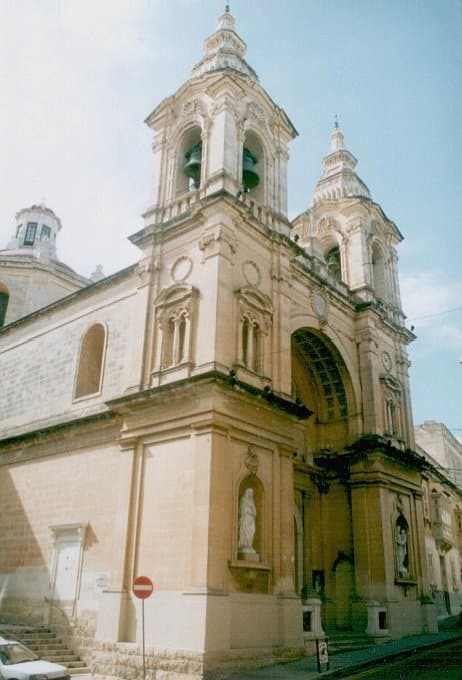
Explore Sliema's inner streets along Sir Adrian Dingli Street — hunt for ornate gallarija balconies, art deco facades, and the baroque Stella Maris Church (built 1854). Grab specialty coffee on Triq Manwel Dimech.
Head to Tigné Point and browse The Point Shopping Mall — over 70 stores inside the grounds of a former British military base. Walk the pedestrianised streets of Tigné Point for sea views. From nearby Gżira, cross the bridge to visit Manoel Island and its 18th-century fort.
Visit the restored Salesian Theatre in Sliema's backstreets for a performance or exhibition, then find a bar along The Strand for craft beers and live music.
Join a full-day boat tour departing from Sliema Ferries (daily departures around 10:00 AM via operators like Luzzu Cruises). Cruise toward Comino and the crystal-clear Blue Lagoon for swimming and snorkelling.
Continue to Gozo — visit the ancient Ggantija Temples (over 5,000 years old) or the clifftop Citadel in Victoria. Lunch on fresh seafood in one of Gozo's village squares.
Return to Sliema by ferry (typically arriving around 5:30 PM). Wind down with a sunset walk along the promenade and dinner overlooking the Valletta skyline — the best view in Malta as the city lights up after dark.
Real coworking spaces, laptop-friendly cafés, and libraries mapped near the center of the city — the closest, best-rated desks first.
No coworking-ready spots surfaced for this city yet.
Pick a different category or check back once we’ve indexed more desks for this city.
Ask for cafés, quiet neighborhoods, date-night spots, or a first 48-hour plan.
Mention calls, Wi-Fi needs, or how much of the day has to stay laptop-friendly.
Get faster answers on where to stay, when to move neighborhoods, and what to skip.
Written by signed-in Wanderlust members. We don't check that a reviewer has visited.
No reviews of Sliema yet.
Tell the planner your dates, who's coming, your budget and pace, and it drafts a day-by-day itinerary you can edit.
Wanderlust Pro
Insider tips for Sliema, unlimited AI-built itineraries, and travel companions you can invite to plan a trip together. From $5.00/month, billed annually.
Insider tips · Wanderlust Pro
Practical tips on the sights and neighbourhoods in this Sliemaguide — when to go, what most visitors miss. Written with AI about the guide's own places; double-check details before you go. Pro members see every tip.