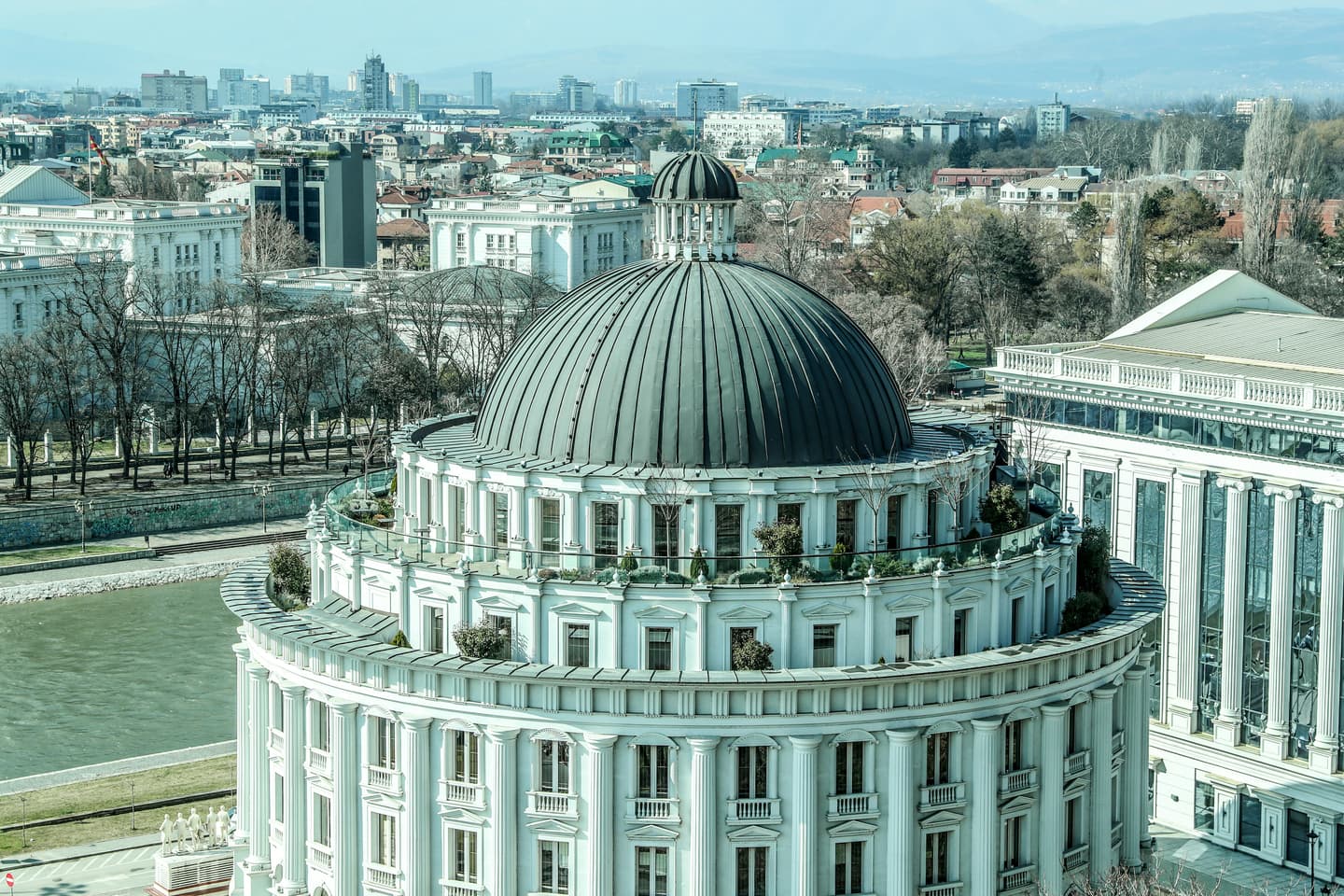
 City postcard
Skopje
Europe's most eccentric capital — where Ottoman bazaars, Baroque bombast, and Balkan soul collide.
Europe's most eccentric capital — where Ottoman bazaars, Baroque bombast, and Balkan soul collide.
Skopje is the capital and cultural heart of North Macedonia, a city shaped by Roman ruins, Byzantine churches, Ottoman alleyways, Yugoslav Brutalism, and a wildly ambitious early-21st-century neoclassical makeover. Straddling the Vardar River, it packs an improbable density of monuments, mosques, and museums into a compact, walkable center. Budget-friendly and genuinely off the beaten path, it rewards curious travelers who enjoy peeling back layers of history in a place that refuses easy categorisation.
City postcardEurope's most eccentric capital — where Ottoman bazaars, Baroque bombast, and Balkan soul collide.
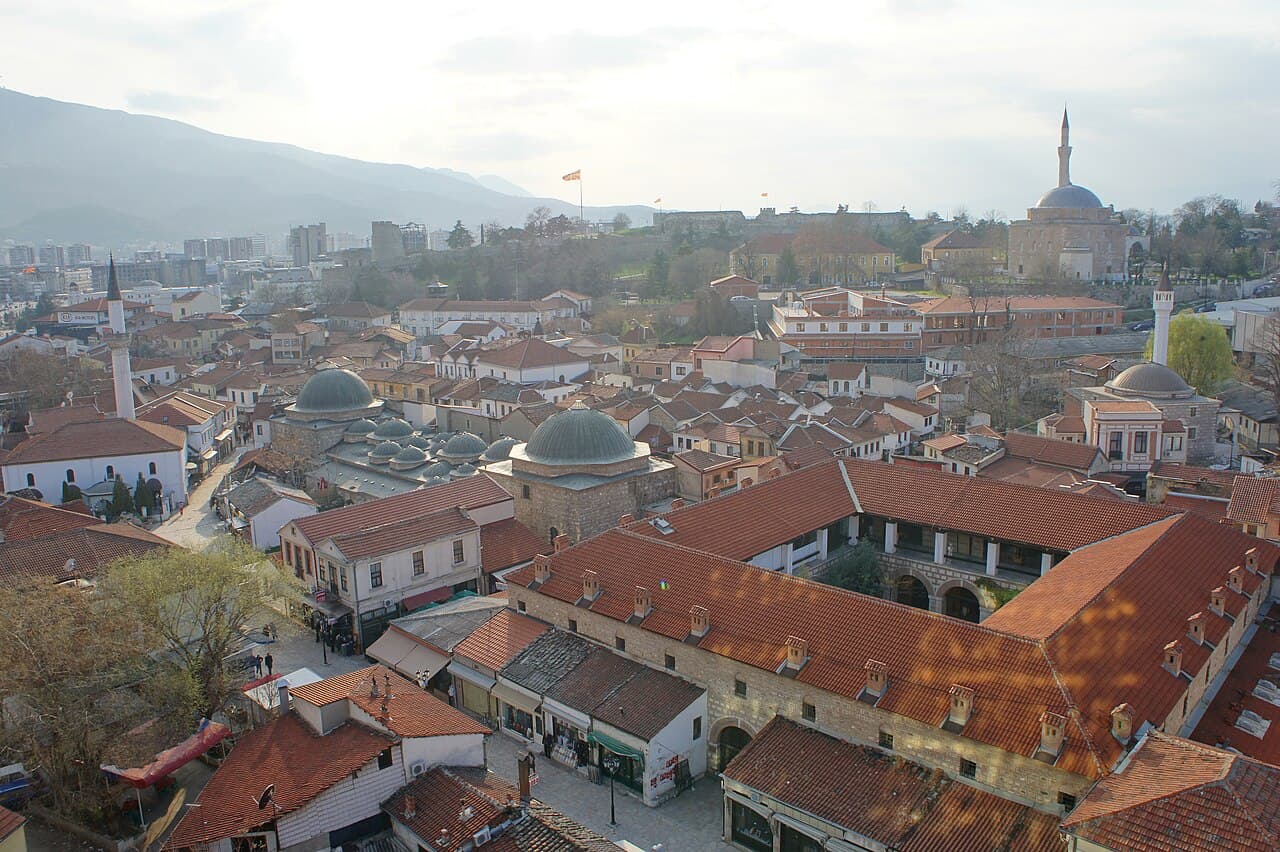 Top sight
A signature stop locals and returning travelers point to in Skopje.
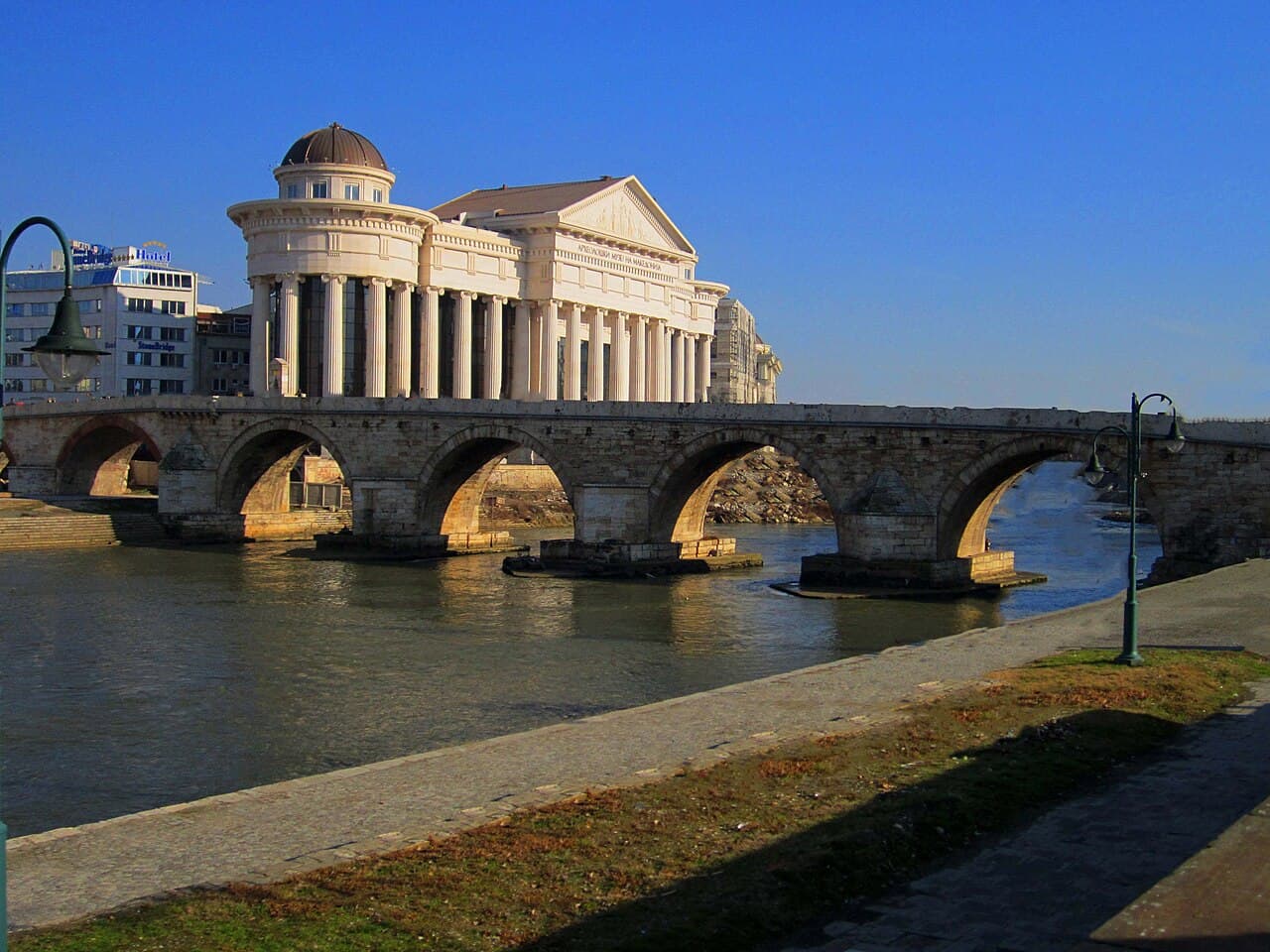 Top sight
A signature stop locals and returning travelers point to in Skopje.
A signature stop locals and returning travelers point to in Skopje.
Photo: Stotosenik · CC BY-SA 3.0
A signature stop locals and returning travelers point to in Skopje.
A signature stop locals and returning travelers point to in Skopje.
A signature stop locals and returning travelers point to in Skopje.
Photo: Делфина · CC BY-SA 3.0
A signature stop locals and returning travelers point to in Skopje.
A signature stop locals and returning travelers point to in Skopje.
A signature stop locals and returning travelers point to in Skopje.
A signature stop locals and returning travelers point to in Skopje.
A pocket of Skopje with its own temperament — worth a deliberate detour when you're in the area.
A pocket of Skopje with its own temperament — worth a deliberate detour when you're in the area.
A pocket of Skopje with its own temperament — worth a deliberate detour when you're in the area.
A pocket of Skopje with its own temperament — worth a deliberate detour when you're in the area.
Wanderlust Pro
Pro members see insider tips for Skopje: a short list of restaurants, cafés and sights, picked by AI as local suggestions to double-check before you go.
The quick answers travelers want before they commit to flights, neighborhoods, and how long to stay.
Skopje International Airport (SKP) sits approximately 20 km southeast of the city center and receives direct flights from major European hubs including London, Paris, and Amsterdam. The most affordable transfer is the airport shuttle bus (operated by V2V/Erak Transporter), which costs around MKD 199 (~€3.30) one-way, stops at Capitol Mall, the Central Bus Station, and Holiday Inn, and takes roughly 30–60 minutes depending on traffic. Tickets can be bought from the driver or at the airport kiosk (open 08:00–20:00). Official airport taxis (white vehicles numbered 1–65) are available 24/7 outside arrivals; fares to the city center range from approximately €10–25 (MKD 600–1,500) depending on the operator — confirm the price before departure. For app-based rides back to the airport, Wizi (formerly Cammeo) charges around MKD 1,000. Skopje is also well connected by international bus and train from Belgrade, Sofia, Thessaloniki, and other Balkan cities, arriving at the central bus and train station near Macedonia Square.
Skopje's compact center is best explored on foot — most major sights cluster along both banks of the Vardar River. The city bus network is extensive; a single ride costs around 35–40 MKD (~€0.60), while a monthly pass for all lines runs 1,400–1,600 MKD (~€23–26), purchasable via the SkopjeBus app. Taxis are inexpensive by European standards, with a starting fare of 40–60 MKD; app-based options include BeeRide (electric vehicles) and Wizi, both accepting card payment. For Mount Vodno, bus 25 runs from the center and is free on weekends; a cable car also operates from the lower station. Matka Canyon is about 30 minutes by car or local bus from the center.
Skopje has a continental climate with hot summers and cold winters. The sweet spots are late spring (April–May) and early autumn (September–October), when temperatures hover between 18–25°C, crowds thin out compared to peak summer, and the city's parks and riverside promenades are at their most inviting. Summer (June–August) is the busiest tourist season: skies are clear and days are long, but July and August can push past 30°C — ideal for Matka Canyon swims and Vodno hikes if you start early. May tends to be the wettest month, so pack a light layer. Winter (November–February) is cold, occasionally snowy, and very quiet — but also the cheapest time to visit, and festive markets add charm to the grey days.
Start at Macedonia Square to take in the monumental fountains, statues, and the iconic Stone Bridge. Cross into the Old Bazaar (Čaršija) for Turkish coffee, fresh pastries, and a wander through Ottoman-era lanes lined with craftsmen and spice stalls.
Climb up to Kale Fortress (free entry) for sweeping city views over the Vardar River. Afterwards, visit the Mustafa Pasha Mosque and the Daut Pasha Hamam, now an art gallery. End the afternoon at the Mother Teresa Memorial House, a free museum near her birthplace.
Head to the Debar Maalo neighbourhood for dinner at one of its bistros serving traditional Macedonian specialties — try pastrmajlija or zelnik. Explore the area's lively bar scene afterwards.
Visit the Archaeological Museum of North Macedonia on the south bank of the Vardar, then browse Bit Pazar — the city's colourful flea and fresh-produce market — for a taste of everyday Skopje life.
Take bus 25 (free on weekends) or the cable car up Mount Vodno to the Millennium Cross. Hike one of the forested trails and enjoy panoramic views over the entire Skopje Basin.
Return to the city center for dinner and drinks along the pedestrianised riverfront promenade. The Museum of Contemporary Art, perched above the fortress, is worth a stop at sunset for its views.
Head out early to Matka Canyon (~30 minutes from center by car or local bus). Take a boat ride on the emerald lake to visit the medieval Monastery of St. Andrew, perched dramatically above the water.
Hike the canyon trails past cliffs and cave entrances, then stop for a riverside lunch at one of the local restaurants beside the lake. Explore the area at a leisurely pace before returning to the city.
Back in Skopje, round off your trip with a final stroll through the Old Bazaar at dusk, pick up handicraft souvenirs, and enjoy a slow dinner with Macedonian wine at a traditional kafana.
Real coworking spaces, laptop-friendly cafés, and libraries mapped near the center of the city — the closest, best-rated desks first.
No coworking-ready spots surfaced for this city yet.
Pick a different category or check back once we’ve indexed more desks for this city.
Ask for cafés, quiet neighborhoods, date-night spots, or a first 48-hour plan.
Mention calls, Wi-Fi needs, or how much of the day has to stay laptop-friendly.
Get faster answers on where to stay, when to move neighborhoods, and what to skip.
There aren’t any, yet!
Block off the weeks you're free. Wanderlust turns this dossier — flights, lodging, neighborhoods, timing — into a single draft itinerary in about ninety seconds.
Wanderlust Pro
Insider tips for Skopje, unlimited AI-built itineraries, and travel companions you can invite to plan a trip together. From $5.00/month, billed annually.
Wanderlust Pro
Pro members see insider tips for Skopje: a short list of restaurants, cafés and sights, picked by AI as local suggestions to double-check before you go.