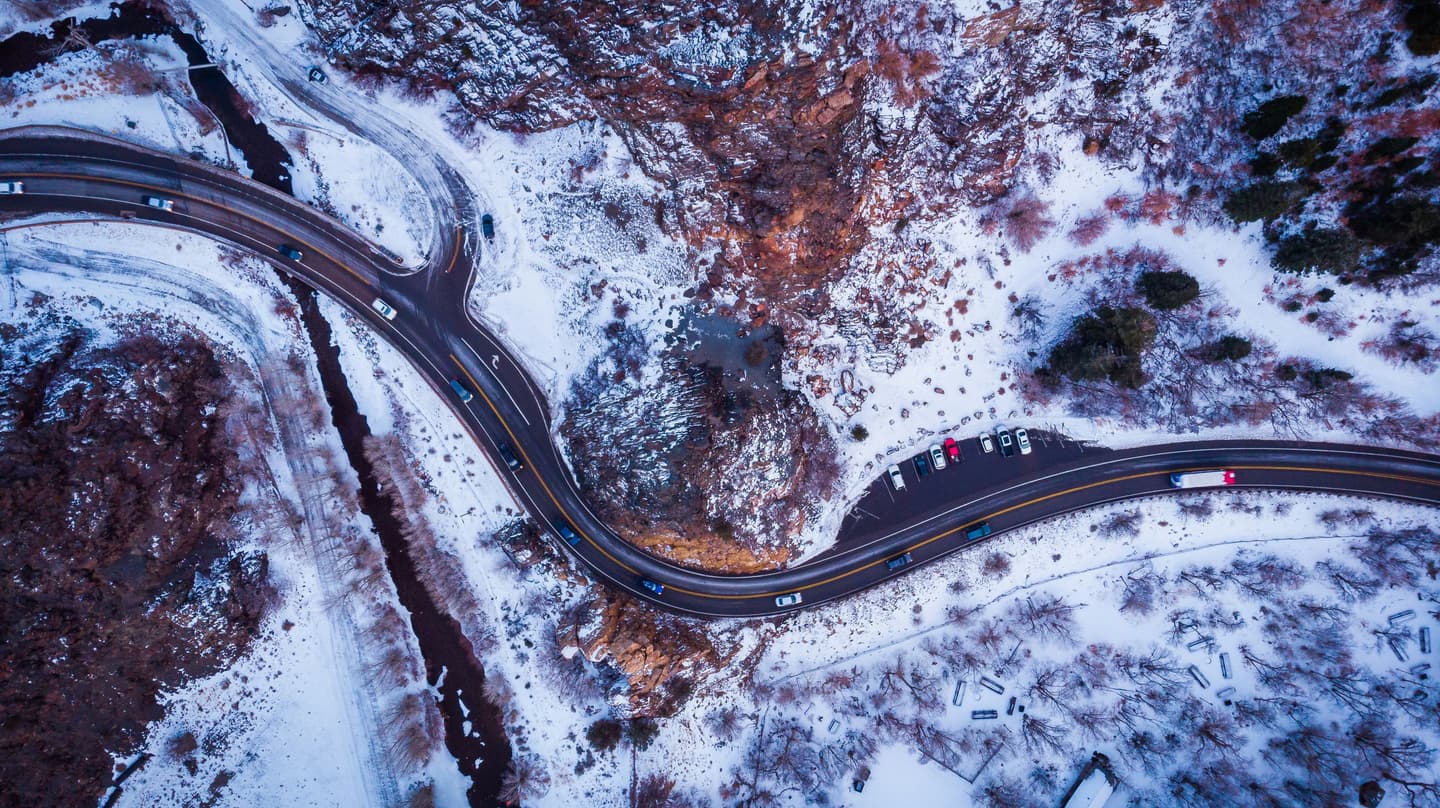
 City postcard
Salt Lake City
Gateway to the Wasatch: world-class skiing, red-rock road trips, and a surprisingly hip urban scene at 4,300 feet.
Gateway to the Wasatch: world-class skiing, red-rock road trips, and a surprisingly hip urban scene at 4,300 feet.
Salt Lake City sits dramatically at the foot of the Wasatch Mountains, blending pioneer history with a thriving modern culture of craft breweries, farm-to-table dining, and street art. It serves as the spiritual headquarters of the Church of Jesus Christ of Latter-day Saints and the gateway to five national parks, world-class ski resorts, and the otherworldly Great Salt Lake. The city's wide grid streets are easy to navigate, and a robust light-rail network keeps car-free travel surprisingly practical. Outdoor enthusiasts, history buffs, and foodies alike will find more than enough to fill a long visit.
City postcardGateway to the Wasatch: world-class skiing, red-rock road trips, and a surprisingly hip urban scene at 4,300 feet.
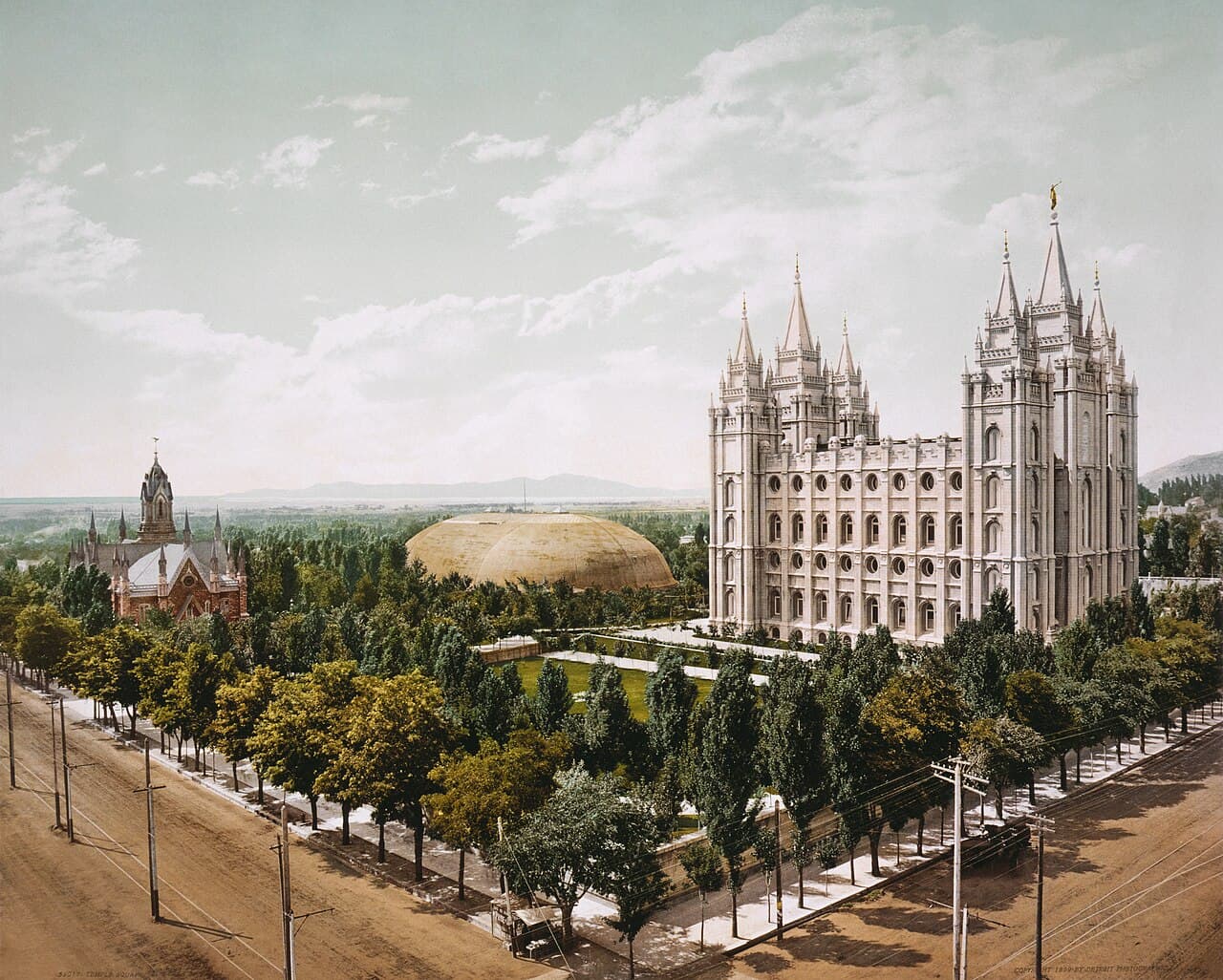 Top sight
A signature stop locals and returning travelers point to in Salt Lake City.
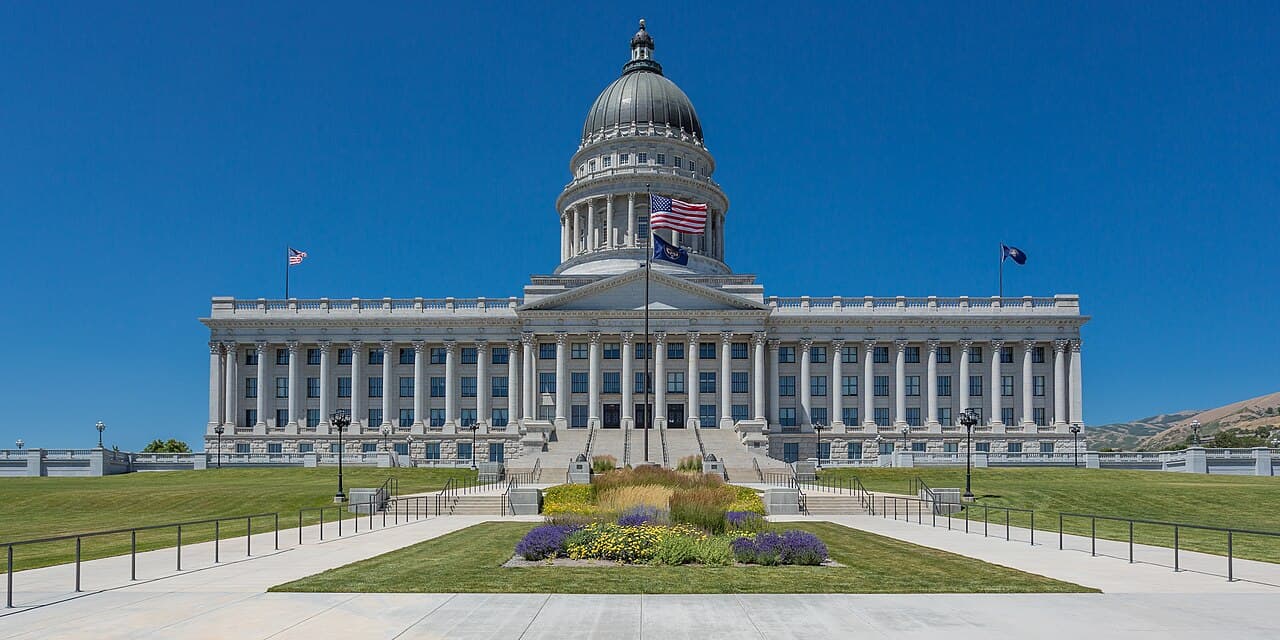 Top sight
A signature stop locals and returning travelers point to in Salt Lake City.
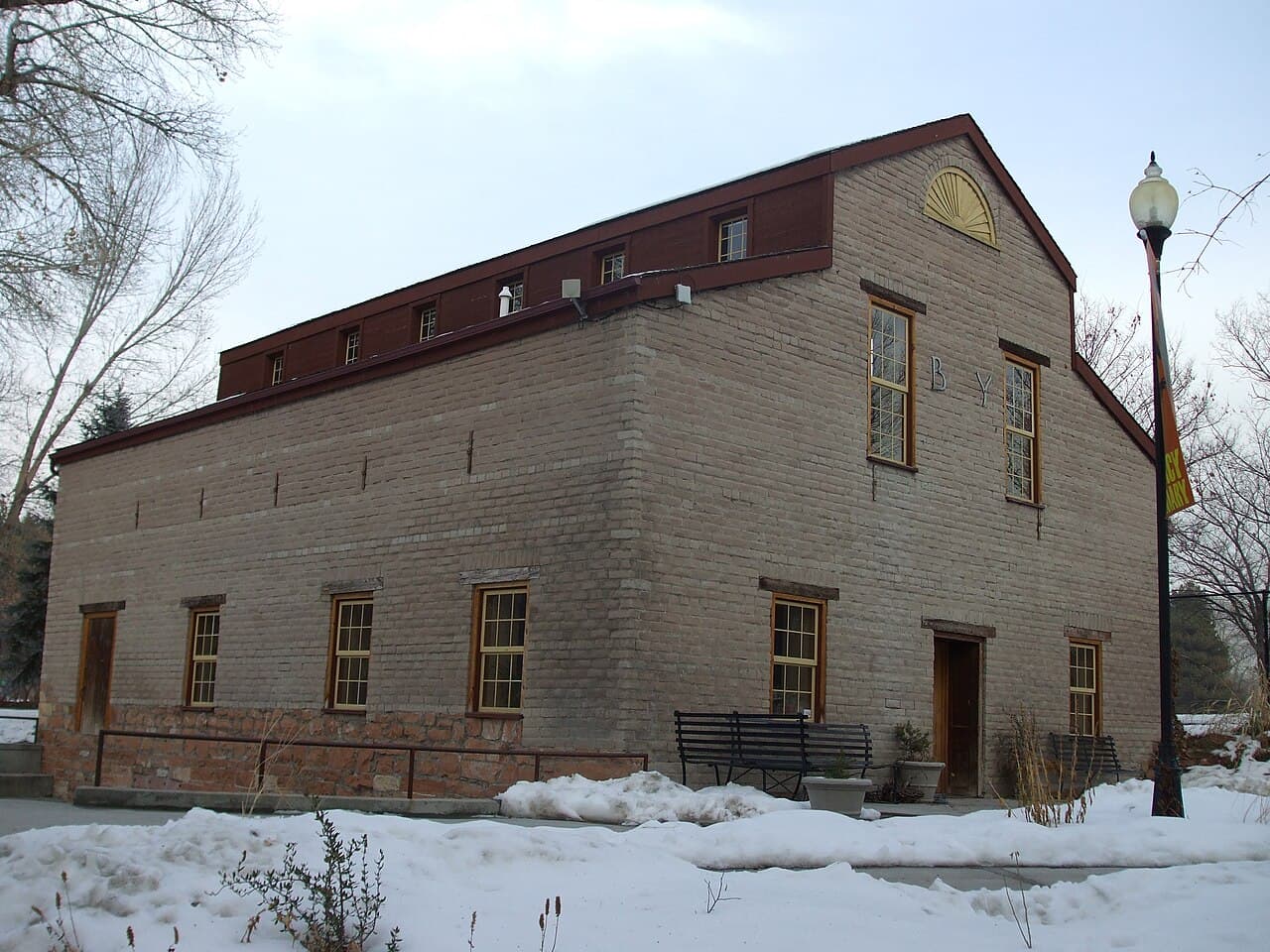 Top sight
A signature stop locals and returning travelers point to in Salt Lake City.
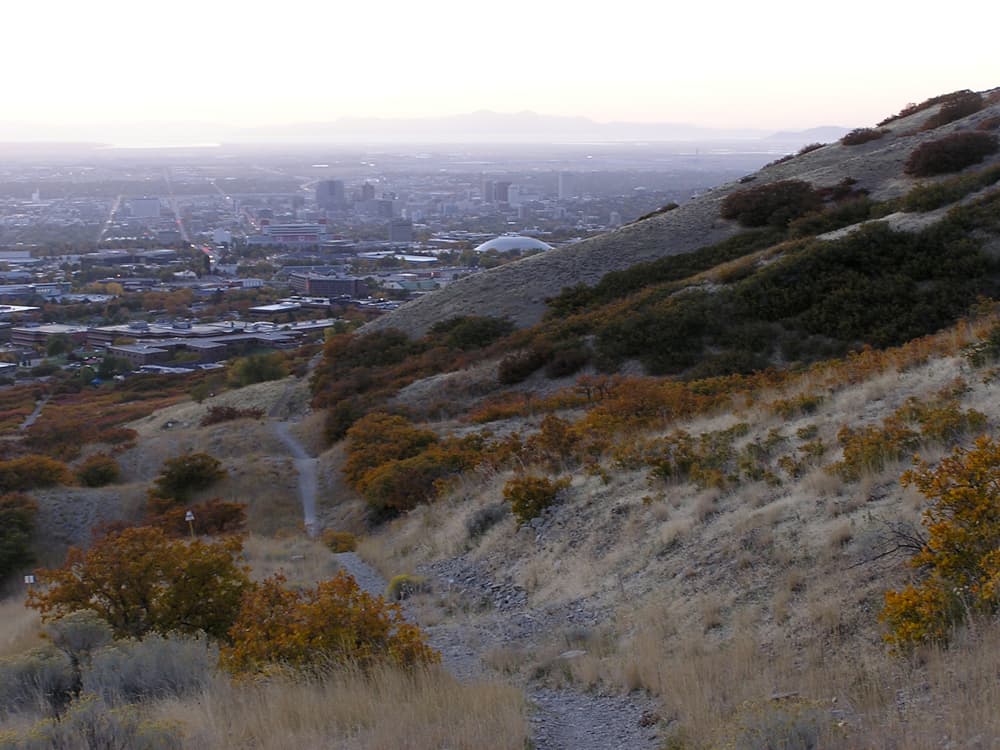 Top sight
A signature stop locals and returning travelers point to in Salt Lake City.
A signature stop locals and returning travelers point to in Salt Lake City.
Photo: William Henry Jackson · Public domain
A signature stop locals and returning travelers point to in Salt Lake City.
A signature stop locals and returning travelers point to in Salt Lake City.
A signature stop locals and returning travelers point to in Salt Lake City.
A signature stop locals and returning travelers point to in Salt Lake City.
A signature stop locals and returning travelers point to in Salt Lake City.
Photo: Tricia Simpson · CC BY-SA 3.0
A signature stop locals and returning travelers point to in Salt Lake City.
Photo: Michlaovic · Public domain
A signature stop locals and returning travelers point to in Salt Lake City.
A pocket of Salt Lake City with its own temperament — worth a deliberate detour when you're in the area.
A pocket of Salt Lake City with its own temperament — worth a deliberate detour when you're in the area.
A pocket of Salt Lake City with its own temperament — worth a deliberate detour when you're in the area.
A pocket of Salt Lake City with its own temperament — worth a deliberate detour when you're in the area.
Wanderlust Pro
Pro members see insider tips for Salt Lake City: a short list of restaurants, cafés and sights, picked by AI as local suggestions to double-check before you go.
The quick answers travelers want before they commit to flights, neighborhoods, and how long to stay.
Salt Lake City International Airport (SLC) sits approximately 6 miles northwest of downtown and serves as a hub for Delta Air Lines, offering nonstop service to 98+ destinations including New York, Los Angeles, London, Amsterdam, and Paris. The simplest and cheapest way into the city is the TRAX Green Line light rail: the station is located just outside the terminal, the fare is $2.50, and the ride to downtown takes about 20 minutes, with trains running every 15 minutes on weekdays from 5:30 am to 11:30 pm. Rideshare (Uber/Lyft) and taxis are available at the ground-transportation area outside the terminal; Yellow Cab of Utah is the only on-demand cab authorized for airport pick-up and offers flat rates to downtown. By car, downtown is a 10–14 minute drive depending on traffic.
All public transit in Salt Lake City is operated by the Utah Transit Authority (UTA). The TRAX light rail is the backbone of the network — a 45-mile, 50-station system with three color-coded lines (Red, Blue, Green) running every 15 minutes during peak hours. A single ride costs $2.50 for adults ($1.25 for seniors), a day pass is $6.25, and a monthly pass runs $83.75. Crucially, the entire downtown core and up to the State Capitol falls within UTA's Free Fare Zone, where all bus and light rail rides are free. The S Line streetcar connects Central Pointe station to the Sugar House district every 15 minutes on weekdays. The FrontRunner commuter rail extends service north to Ogden and south to Provo. During ski season, dedicated UTA ski buses run up Big and Little Cottonwood Canyons to Alta, Brighton, Snowbird, and Solitude. For trip planning and mobile ticketing, use the Transit app or UTA's GoRide app. GREENbike bike-share covers much of the central city, and Uber/Lyft are widely available. A car is recommended for canyon day trips and visits to Park City.
Salt Lake City rewards visitors in almost every season, but the sweet spots are late spring and early fall. September and October are the consensus pick among locals and travel experts: highs average a comfortable 69°F, the Wasatch canyons blaze with fall color, crowds thin after summer, and hotel rates drop. Late May through June offers a second ideal window — wildflowers appear in the Cottonwood Canyons, the downtown farmers market reopens, and the Utah Arts Festival and Utah Pride festival fill the calendar. July and August bring peak heat (highs in the upper 80s–90s°F) and the largest festivals, but book early as it is peak season. Winter draws a dedicated crowd for skiing: Alta, Snowbird, Brighton, and Solitude are within 30–45 minutes of downtown, and Temple Square's holiday lights are a major draw. The catch: winter temperature inversions can trap pollutants in the Salt Lake Valley bowl, causing some of the worst air-quality days of the year — visitors with respiratory sensitivities should check forecasts. Spring sees melting snow and rain but also lovely cherry blossoms on Capitol Hill and blooms at Red Butte Garden.
Start at Temple Square, the 35-acre headquarters of the Church of Jesus Christ of Latter-day Saints, to explore the grounds, Tabernacle, and Assembly Hall. Attend a free pipe organ recital (Mon–Sat at noon at the Conference Center).
Walk to the Utah State Capitol on Capitol Hill for panoramic views over the valley, then stroll the tree-lined Avenues neighborhood. Grab lunch in the 9th & 9th district at Pago or the Coffee Garden.
Head to the Granary District for dinner and craft beers at Fisher Brewing or Water Witch, then explore the street art and murals that line the neighborhood's converted warehouses.
Ride TRAX's Red Line to the University of Utah campus. Spend the morning at the copper-clad Natural History Museum of Utah to see the world-class dinosaur collection.
Walk next door to Red Butte Garden & Arboretum for a picnic with mountain views, then hit the Bonneville Shoreline Trail above the foothills for sweeping valley panoramas.
Return downtown via TRAX and explore Sugar House for dinner — the historic neighborhood's dining and boutique scene along Sugar House Park is perfect for an easy evening stroll.
Drive or take a bus west to the Great Salt Lake. Explore Antelope Island State Park for bison herds, brine shrimp flats, and sunrise views over the lake and Wasatch peaks.
Head back to the city for lunch at Red Iguana (iconic Utah-Mexican cuisine), then take a quick drive or bus up Mill Creek Canyon for a scenic afternoon hike through the lush, steep-walled canyon.
Wind down with a craft brewery tour or hop-on-hop-off trolley ride through downtown, finishing with live music at one of SLC's independent venues in the arts and nightlife district.
Real coworking spaces, laptop-friendly cafés, and libraries mapped near the center of the city — the closest, best-rated desks first.
No coworking-ready spots surfaced for this city yet.
Pick a different category or check back once we’ve indexed more desks for this city.
Ask for cafés, quiet neighborhoods, date-night spots, or a first 48-hour plan.
Mention calls, Wi-Fi needs, or how much of the day has to stay laptop-friendly.
Get faster answers on where to stay, when to move neighborhoods, and what to skip.
There aren’t any, yet!
Block off the weeks you're free. Wanderlust turns this dossier — flights, lodging, neighborhoods, timing — into a single draft itinerary in about ninety seconds.
Wanderlust Pro
Insider tips for Salt Lake City, unlimited AI-built itineraries, and travel companions you can invite to plan a trip together. From $5.00/month, billed annually.
Wanderlust Pro
Pro members see insider tips for Salt Lake City: a short list of restaurants, cafés and sights, picked by AI as local suggestions to double-check before you go.