 City postcard
Prague
Prague: a fairy-tale skyline of Gothic spires, world-class beer, and surprisingly wallet-friendly living in the heart of Europe.
Prague: a fairy-tale skyline of Gothic spires, world-class beer, and surprisingly wallet-friendly living in the heart of Europe.
Prague, the capital of Czechia, is one of Europe's best-preserved medieval cities — the only Central European capital to escape large-scale bombing in the 20th century. Its compact historic core layers Gothic cathedrals, Baroque palaces, and Art Nouveau facades over cobblestone lanes that reward slow, aimless wandering. A thriving café culture, legendary beer scene, and excellent public transit make it equally appealing to short-stay visitors and long-term digital nomads. Costs remain lower than Western European capitals, though rents and dining prices have risen sharply in recent years.
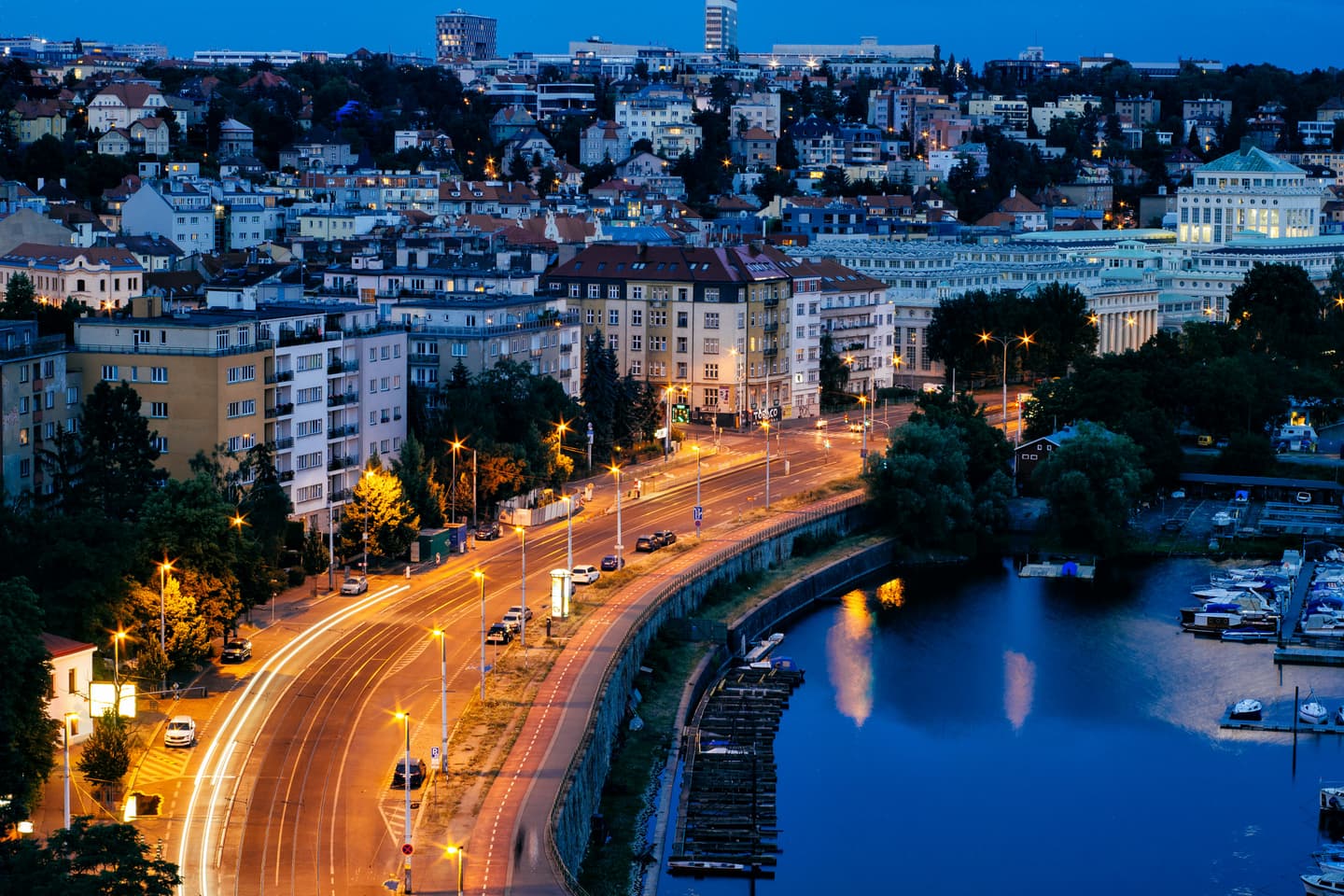
City postcardPrague: a fairy-tale skyline of Gothic spires, world-class beer, and surprisingly wallet-friendly living in the heart of Europe.
 Top sight
A signature stop locals and returning travelers point to in Prague.
A signature stop locals and returning travelers point to in Prague.
A signature stop locals and returning travelers point to in Prague.
A signature stop locals and returning travelers point to in Prague.
A signature stop locals and returning travelers point to in Prague.
A signature stop locals and returning travelers point to in Prague.
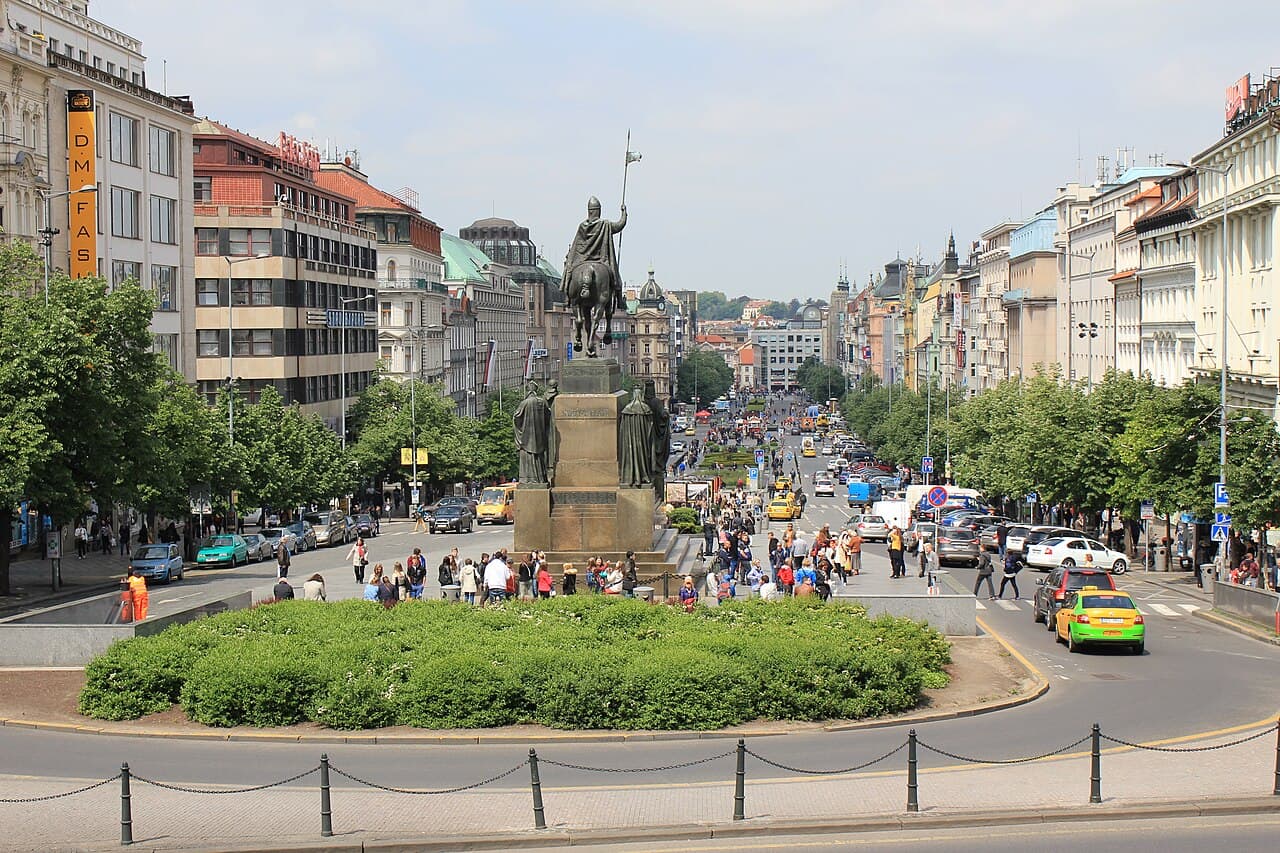
Photo: Øyvind Holmstad · CC BY-SA 3.0
A signature stop locals and returning travelers point to in Prague.
A signature stop locals and returning travelers point to in Prague.
A signature stop locals and returning travelers point to in Prague.
A visual anchor inside Prague worth building into the route.
A pocket of Prague with its own temperament — worth a deliberate detour when you're in the area.
A pocket of Prague with its own temperament — worth a deliberate detour when you're in the area.
A pocket of Prague with its own temperament — worth a deliberate detour when you're in the area.
A pocket of Prague with its own temperament — worth a deliberate detour when you're in the area.
Wanderlust Pro
Pro members see insider tips for Prague: a short list of restaurants, cafés and sights, picked by AI as local suggestions to double-check before you go.
The quick answers travelers want before they commit to flights, neighborhoods, and how long to stay.
Most visitors fly into Václav Havel Airport Prague (PRG), located about 13 km west of the city center — roughly 25–30 minutes by car or 30 minutes by public transit. The cheapest airport transfer is trolleybus #59 (replacing the former bus #119 in 2024), which runs every 3–10 minutes from 4:22 AM to 23:32 PM, taking about 16 minutes to Nádraží Veleslavín metro station (Line A). A 90-minute ticket costs 40 CZK (~€1.60). From Veleslavín, Line A connects to the city center in 6–8 stops. The Airport Express bus (AE) runs directly to Prague's Main Train Station (Hlavní nádraží) on metro Line C in about 40 minutes; a one-way ticket costs 100 CZK and must be purchased separately from regular transit tickets. Taxis from the airport start at around $25 USD but can rise with traffic. Prague is also well served by international rail, with the Main Train Station acting as a hub for EuroCity and Intercity connections to Vienna, Berlin, Budapest, and beyond.
Prague's historic core is highly walkable, and most top attractions can be reached on foot. For longer trips, the DPP network of metro (3 lines), trams, and buses operates daily from around 5 AM to 12:30–1 AM, with night trams (lines 91–99) and night buses running every 20–30 minutes after midnight. Tickets are time-based: a 30-minute ticket costs 30 CZK and a 90-minute ticket costs 40 CZK; the same ticket is valid across metro, tram, bus, and even the Petřín funicular. Monthly passes cost around 600 CZK (~$27 USD) — a smart buy for longer stays. Buy tickets at vending machines (contactless cards accepted), DPP counters, or via the Lítačka mobile app. Uber also operates in Prague, including a dedicated airport service. Ride-hailing apps and official metered taxis are the safest cab options; avoid hailing unmarked cabs on the street as overcharging does still occur. The Freebike e-bike share system offers an increasingly popular cycling option across the city.
Spring (April–May) is widely considered the best time to visit Prague: gardens bloom, temperatures are pleasant for sightseeing (highs in the mid-50s to upper 60s °F), and the city is notably less crowded than in summer. These months also coincide with Prague's popular beer festivals. Autumn (September–October) is the savvy traveler's second choice — cooler air, softer light, and breathing room on Charles Bridge and the castle routes make it Prague's most composed season for architecture walks and neighborhood exploration. Summer brings the city's longest days and liveliest festival calendar, but also its heaviest crowds and highest hotel prices; those who visit in July–August should plan early starts to beat the mid-morning rush on main sights. Winter transforms Prague into a moody, introspective city: Christmas markets fill Old Town Square with atmospheric charm, but daylight is short and temperatures can dip well below freezing. Museums, concert halls, and Art Nouveau cafés become the focus. Whenever you visit, note that Prague's overtourism is concentrated — Old Town Square and Charles Bridge feel very different at 6 AM versus midday.
Start early (before 8 AM) on Charles Bridge to catch the Vltava mist and near-empty statues. Cross into Malá Strana for a morning coffee before heading back to Old Town Square to watch the Astronomical Clock chime. Explore the surrounding Gothic streets and the Church of Our Lady before Týn.
Walk north into Josefov, the Jewish Quarter — Prague's finest collection of historic synagogues and the evocative Old Jewish Cemetery. Grab a weekday lunch special (polední menu) at a local spot off the main square for under €8.
Return to Old Town for dinner and a stroll through the illuminated squares. Consider a classical concert at the Art Nouveau Municipal House — shows run most evenings.
Head up to Prague Castle early to beat the tour groups. Walk through St. Vitus Cathedral, the Old Royal Palace, and Golden Lane. Catch the changing of the guard ceremony. Explore the Strahov Monastery and Library nearby.
Descend into Malá Strana (Lesser Town) and wander Mostecká Street for lunch. Visit the hidden Vrtba Garden, a terraced 18th-century Baroque gem tucked down a side street. Cross back over the river and climb up to Letná Park for panoramic views of Old Town across the Vltava.
Settle into Letná Beer Garden for a post-sunset pint with locals. The neighborhood of Holešovice nearby has excellent restaurants and bars at prices well below the tourist center.
Explore the Lennon Wall in Malá Strana — its constantly changing graffiti art is best photographed in the soft morning light. Then make your way to Wenceslas Square, the lively boulevard at the heart of modern Prague.
Take the tram to Vinohrady for a leisurely lunch at one of the neighborhood's hip cafés. Browse the green spaces and elegant fin-de-siècle apartment blocks. Walk or tram across to adjacent Žižkov to see the looming Žižkov Television Tower — climb it for sweeping city views.
Wrap up in Karlín, Prague's recently revitalized district, for dinner at one of its modern restaurants. The neighborhood has a thriving craft beer scene and is popular with expats and digital nomads.
Real coworking spaces, laptop-friendly cafés, and libraries mapped near the center of the city — the closest, best-rated desks first.
No coworking-ready spots surfaced for this city yet.
Pick a different category or check back once we’ve indexed more desks for this city.
Ask for cafés, quiet neighborhoods, date-night spots, or a first 48-hour plan.
Mention calls, Wi-Fi needs, or how much of the day has to stay laptop-friendly.
Get faster answers on where to stay, when to move neighborhoods, and what to skip.
Notes from members who have already done the airport run, the cafe search, and the first-week reality check.
There aren’t any, yet!
Block off the weeks you're free. Wanderlust turns this dossier — flights, lodging, neighborhoods, timing — into a single draft itinerary in about ninety seconds.
Wanderlust Pro
Insider tips for Prague, unlimited AI-built itineraries, and travel companions you can invite to plan a trip together. From $5.00/month, billed annually.
Wanderlust Pro
Pro members see insider tips for Prague: a short list of restaurants, cafés and sights, picked by AI as local suggestions to double-check before you go.