Top sight
Top sight
Nepal's lakeside adventure capital — Himalayan views, world-class trekking, and a blissfully laid-back pace.
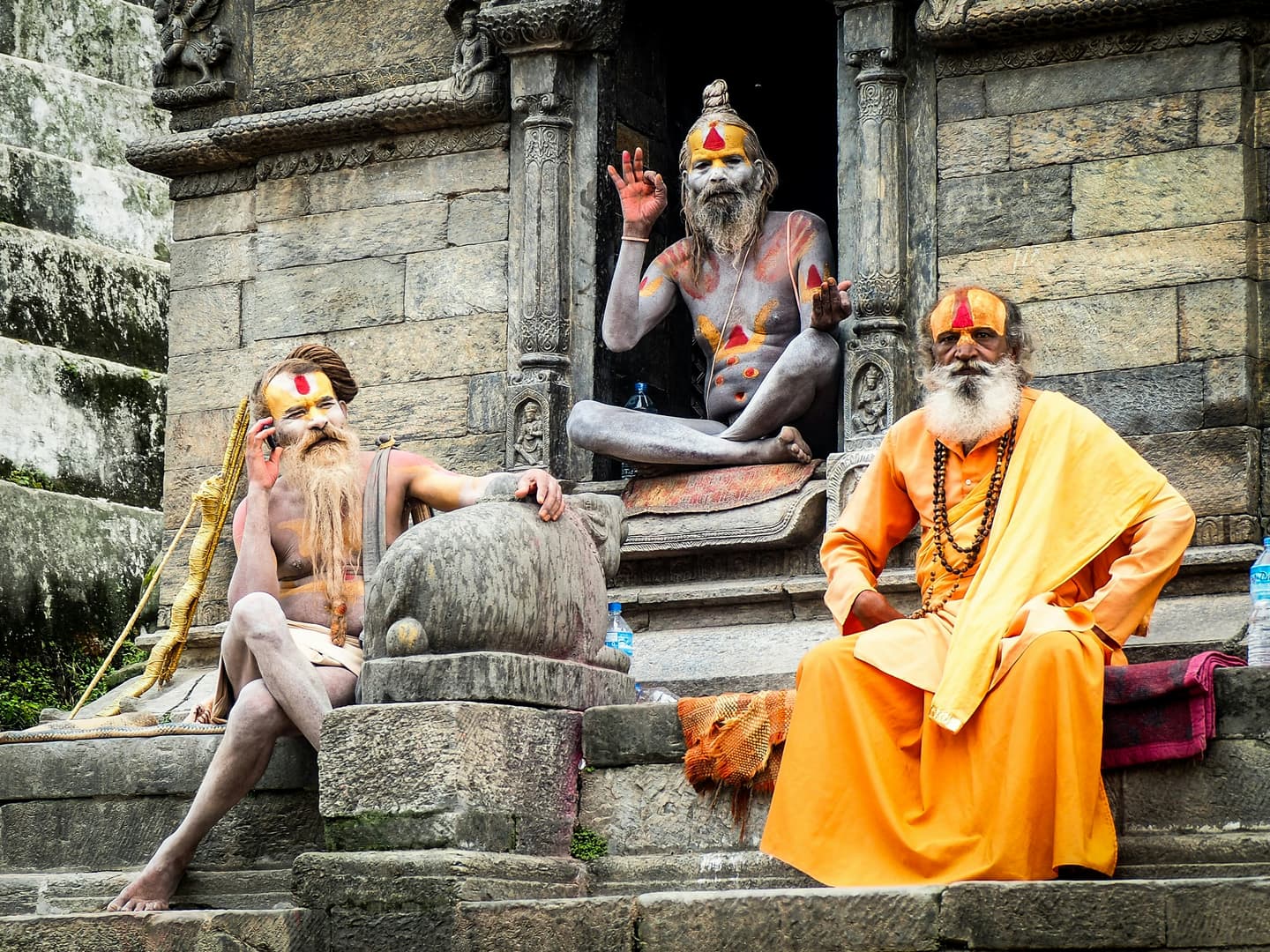
Pokhara sits on the serene shores of Phewa Lake with the Annapurna range as its dramatic backdrop, earning its reputation as Nepal's tourism capital and gateway to some of the world's greatest treks. Far calmer and greener than Kathmandu, the city blends bohemian lakeside cafes, Tibetan settlements, and Gurung village culture with a full menu of adventure sports — from paragliding to zip-lining. It is both an end destination and the classic launching pad for the Annapurna Circuit, Annapurna Base Camp, and Mardi Himal routes. Digital nomads and long-stay travelers are increasingly drawn by ultra-low costs, improving fiber internet, and an unmatched work-life backdrop.
More cities for these months: Where to go in March · Where to go in April · Where to go in October · Where to go in November
Insider tips · Wanderlust Pro
Practical tips on the sights and neighbourhoods in this Pokharaguide — when to go, what most visitors miss. Written with AI about the guide's own places; double-check details before you go. Pro members see every tip.
The quick answers travelers want before they commit to flights, neighborhoods, and how long to stay.
Pokhara International Airport (PHH) is the city's own gateway, located just 3 km from Lakeside, with taxis from the terminal costing around NPR 800+. As of 2025–26, PHH handles primarily domestic flights; international scheduled service is still limited, so most visitors fly into Tribhuvan International Airport (KTM) in Kathmandu first. From Kathmandu, the fastest option is a domestic hop on Buddha Air, Yeti Airlines, or Shree Airlines — flights take just 25–30 minutes with stunning Himalayan aerial views. For those on a tighter budget, tourist buses from Kathmandu depart early morning and cost NPR 1,200–1,600 (~$9–12 USD), covering the ~200 km route in 6–8 hours under normal road conditions (allow longer during road upgrade periods). Nepal tourist visas are available on arrival at Kathmandu airport for most nationalities; bring USD cash for the visa fee.
Lakeside (Baidam) is compact and very walkable. Taxis are the most convenient option for crossing town; agree on a fare before you get in or insist on the meter. Rickshaws and e-rickshaws are available for short hops in Lakeside. Renting a bicycle (~NPR 200–400/day) or motorbike (~NPR 800–1,200/day) is popular for exploring the lakefront, Sarangkot road, and surrounding villages. Local microbuses connect Lakeside to the city bus park and Newroad area for a few rupees. Ride-hailing apps have limited coverage compared to Kathmandu, so walking or negotiating with local taxi drivers remains the norm.
Autumn — October and November — is broadly considered Pokhara's finest season. The post-monsoon air is crystal clear, delivering unobstructed panoramas of Dhaulagiri, Annapurna, and the iconic Fishtail peak (Machhapuchhre). Temperatures sit comfortably between 15°C and 24°C, perfect for trekking routes like Annapurna Base Camp and Mardi Himal, and paragliding conditions are at their most stable. Major festivals Dashain and Tihar also fall in this window, adding cultural colour. Spring (March–April) is the second peak, with rhododendron forests in full bloom, warming temperatures of 15–30°C, and equally good mountain visibility. Both seasons book out fast — reserve accommodation early. Winter (December–February) is peaceful, cheaper, and surprisingly popular for clear mountain views, though cold mornings (down to 0°C) limit high-altitude trekking. The monsoon (June–August) turns the valley lush and green but brings heavy rain, potential landslides on trekking routes, and frequent power cuts.
Arrive and settle into Lakeside (Baidam). Take an early rowboat out on Phewa Lake to visit Tal Barahi Temple on its island — serene before the day-trippers arrive.
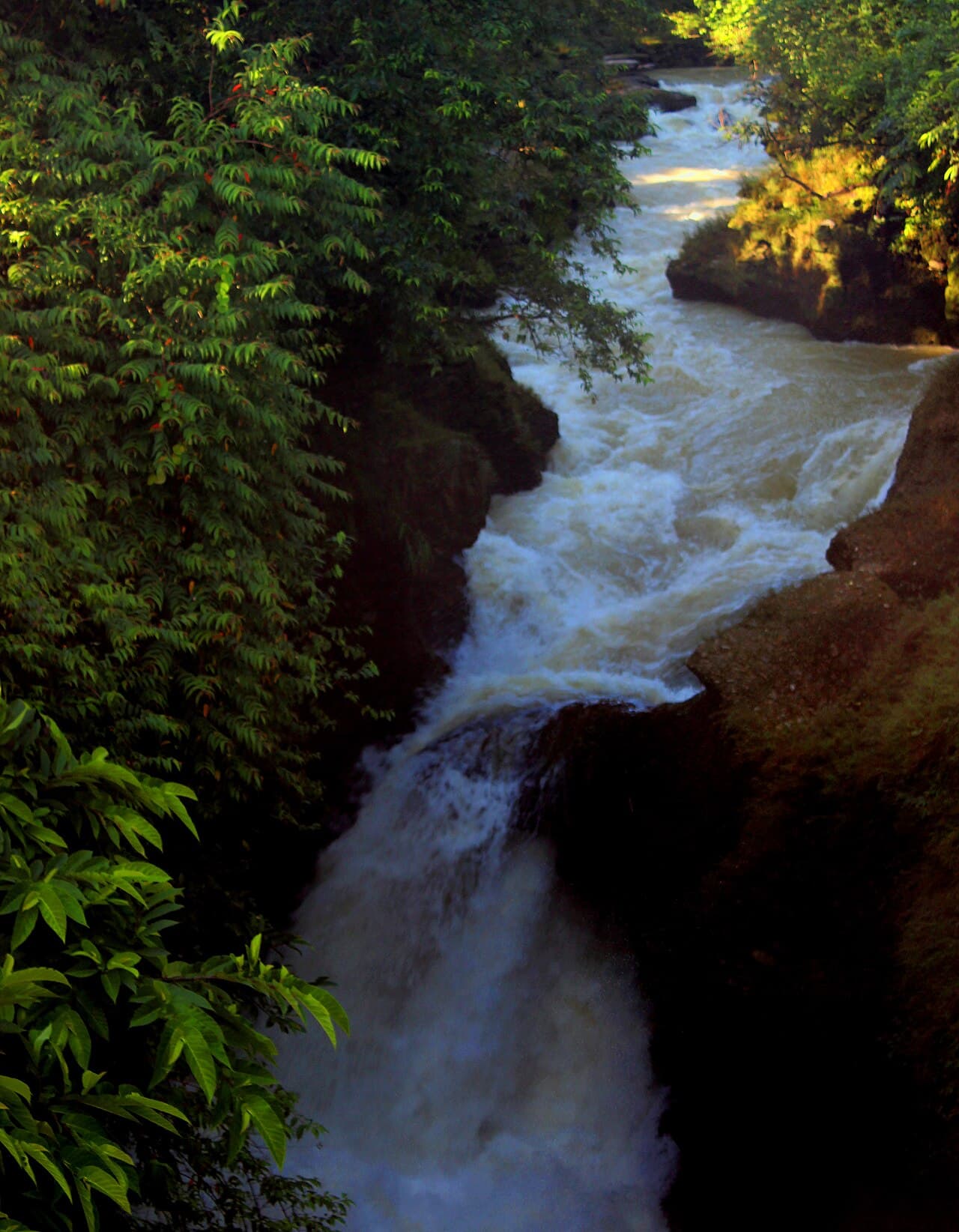
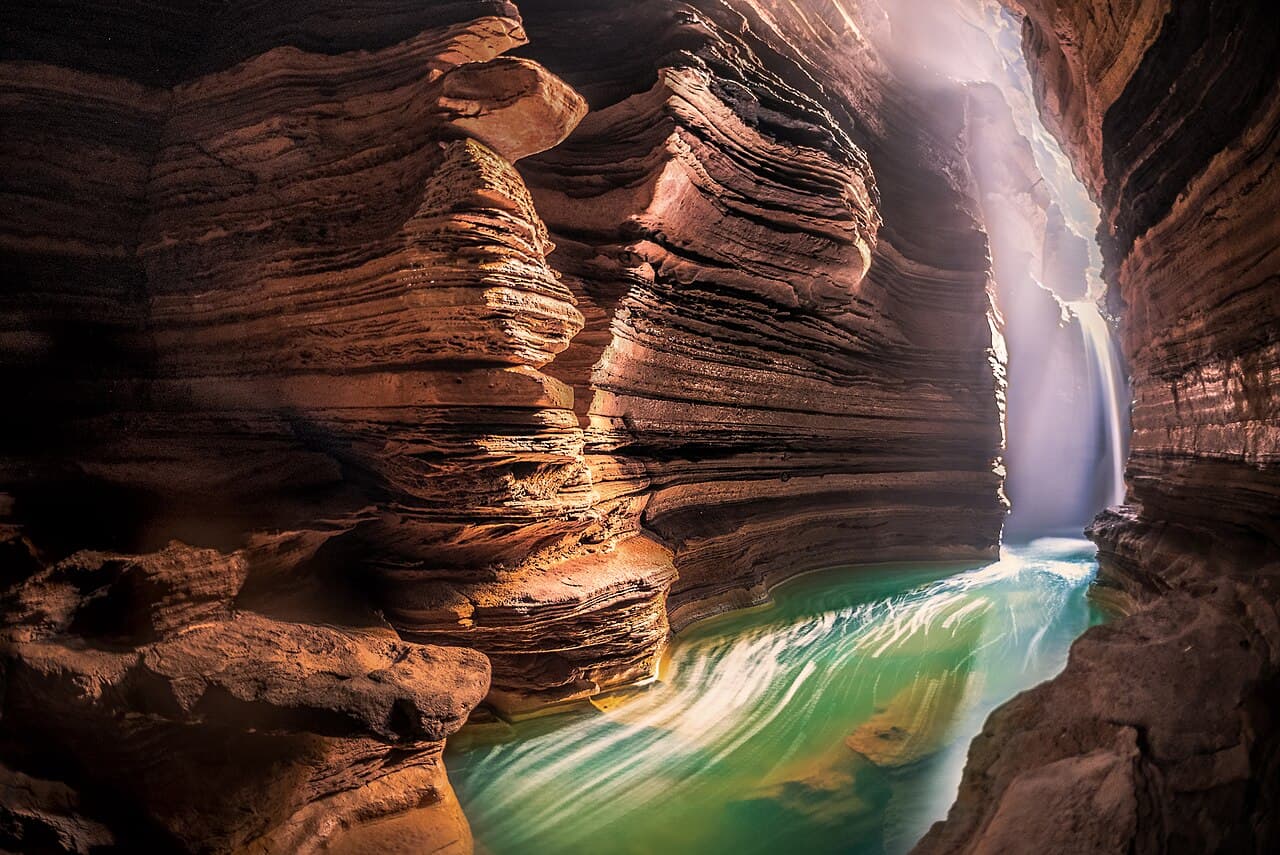
Stroll the Lakeside promenade, browse trekking gear shops, and visit Davis Falls (Devi's Falls) and the adjacent Gupteshwor Mahadev Cave.
Dinner at a Lakeside rooftop restaurant with Annapurna range views. Explore the lively bar and live-music scene along the main strip.
Pre-dawn taxi or hike up to Sarangkot for one of Nepal's most famous sunrises — the Annapurna and Dhaulagiri massifs glow gold above the mist-covered valley.
Tandem paraglide from Sarangkot or Pame flying zone, soaring over the lake and city. Book through a licensed Lakeside operator. Rest and refuel with momos and thukpa.
Visit the International Mountain Museum for exhibits on Himalayan history and climbing expeditions, then dinner in the Newroad area for a more local atmosphere.
Day-hike or motorbike ride to Begnas Lake (14 km east) — far quieter than Phewa, with paddleboats and lakeside teahouses. Alternatively, start the short trek to Australian Camp for close-up Annapurna views.
Visit a Tibetan refugee settlement or Gurung village on the outskirts of Pokhara for a glimpse of local handicrafts and gompa culture.
Sunset drinks on a Lakeside rooftop, followed by a farewell dinner of dal bhat at a family-run local restaurant before your onward journey.
Real coworking spaces, laptop-friendly cafés, and libraries mapped near the center of the city — the closest, best-rated desks first.
No coworking-ready spots surfaced for this city yet.
Pick a different category or check back once we’ve indexed more desks for this city.
Ask for cafés, quiet neighborhoods, date-night spots, or a first 48-hour plan.
Mention calls, Wi-Fi needs, or how much of the day has to stay laptop-friendly.
Get faster answers on where to stay, when to move neighborhoods, and what to skip.
Written by signed-in Wanderlust members. We don't check that a reviewer has visited.
No reviews of Pokhara yet.
Tell the planner your dates, who's coming, your budget and pace, and it drafts a day-by-day itinerary you can edit.
Wanderlust Pro
Insider tips for Pokhara, unlimited AI-built itineraries, and travel companions you can invite to plan a trip together. From $5.00/month, billed annually.
Insider tips · Wanderlust Pro
Practical tips on the sights and neighbourhoods in this Pokharaguide — when to go, what most visitors miss. Written with AI about the guide's own places; double-check details before you go. Pro members see every tip.