City guide · Updated June 2026
EuropeSerbia45.3° · 19.8°
Novi Sad,Serbia.
Serbia's cultural gem on the Danube — a relaxed, walkable city of fortress views, café culture, and Austro-Hungarian charm.
Novi Sad · RS
Novi SadSerbia
★
Belgrade Nikola Tesla Airport (BEG)NEAREST AIRPORT
Population
297,801.8
Total residents
Global rank
#236
Wanderlust index
Best time
Late spring and early autumn
Peak window
Time zone
Europe/Belgrade
Local time
Currency
Serbian Dinar (RSD)
Money in use
Language
Serbian
Spoken locally
01 · Overview
About Novi Sad
Serbia's cultural gem on the Danube — a relaxed, walkable city of fortress views, café culture, and Austro-Hungarian charm.
Novi Sad, Serbia's second-largest city, sits on the banks of the Danube in the northern province of Vojvodina. Often called the "Serbian Athens," it blends Austro-Hungarian architecture with a laid-back university-town energy, a thriving café scene, and one of Europe's most celebrated music festivals, EXIT. Compact enough to explore on foot or by bike, the city is also a gateway to the Fruška Gora national park, the wineries of Vojvodina, and the charming baroque town of Sremski Karlovci. It holds UNESCO Creative City of Media Arts status and offers a significantly lower cost of living than Belgrade.
02 · Wanderlust scorecard
How Novi Sad scores
Ratings run 0 to 5 unless marked. They come from our AI-assisted research and are refreshed on a rolling basis.
4.5
/ 5
Cost of living
Affordability, 0–5. Higher means cheaper.
3.5
/ 5
Leisure
Leisure rating, 0–5.
400
Mbps
Connectivity
Median internet speed.
3.8
/ 5
Safety
Safety rating, 0–5. Higher is safer.
3.8
/ 5
Overall livability
Overall rating, 0–5.
3.5
/ 5
Air quality
Air-quality rating, 0–5. Higher is cleaner.
7.5
index
Index score
Wanderlust ranking, 0–10: overall, safety, internet, cost, leisure and air quality, weighted.
03 · Weather & when to go
Best time to visit Novi Sad
Current weather and the forecast, and the months our research rates best for a visit.
Month by month
Best months Either side Other months
Jan
Feb
Mar
Apr
May
Jun
Jul
Aug
Sep
Oct
Nov
Dec
Sweet spot: Late spring and early autumn — May, June, and September offer comfortable temperatures, manageable crowds, and the best conditions for exploring the fortress, riverside, and surrounding Vojvodina countryside..
More cities for these months: Where to go in April · Where to go in May · Where to go in June · Where to go in September · Where to go in October
04 · Things to do
Things to do in Novi Sad
Top sights from our AI-assisted research, and other places we have photos of.
Top sight
Top sight
Freedom Square (Trg Slobode)
Top sight
Top sight
Name of Mary Church (Catholic Cathedral)
Top sight
Top sight
Danube Beach (Štrand)
Top sight
Top sight
Fruška Gora Monasteries
Top sight
Top sight
EXIT Music Festival
05 · Monthly cost of living
Cost of living in Novi Sad
Estimated monthly totals in USD from our AI-assisted research, one per profile. Treat them as a starting point for a budget, not a quote.
$950
estimated monthly spend · USDProfileExpat
Price references — vs. profile benchmarks
Nomadmonthly spend · USD
$1,350
+42%
Expatmonthly spend · USD
$950
baseline
Familymonthly spend · USD
$2,243.9
+136%
Localmonthly spend · USD
$528.4
-44%
Median fiber speeddownload · Mbps
400
Mbps
06 · Neighborhoods
Where to stay in Novi Sad
Neighborhoods our AI-assisted research lists as popular with visitors.
Stari Grad (Old Town)
Petrovaradin
Grbavica
Liman
07 · Insider tips
Sights and neighbourhoods, with a tip each.
Practical tips on places from this Novi Sad guide, written with AI. One is free; Pro members see the rest. Double-check details before you go.
Insider tips · Wanderlust Pro
Practical tips on the sights and neighbourhoods in this Novi Sadguide — when to go, what most visitors miss. Written with AI about the guide's own places; double-check details before you go. Pro members see every tip.
08 · Practical notes
Practical information for Novi Sad
The essentials from this guide's data, in one place.
01
Getting there
- Nearest airport — Belgrade Nikola Tesla Airport (BEG)
02
Money
- Currency — Serbian Dinar (RSD)
- Affordability — 4.5/5 on the Wanderlust index (higher is cheaper)
03
Internet
- Median speed — 400 Mbps
- Internet score — 3.2/5
04
Safety
- Safety score — 3.8/5 from our AI-assisted research
05
Language
- Primary language — Serbian
06
Timing
- Best window — Late spring and early autumn — May, June, and September offer comfortable temperatures, manageable crowds, and the best conditions for exploring the fortress, riverside, and surrounding Vojvodina countryside.
- Time zone — Europe/Belgrade
Questions
Frequently asked, plainly answered.
The quick answers travelers want before they commit to flights, neighborhoods, and how long to stay.
Is Novi Sad safe for travelers?+
Novi Sad has a safety rating of 3.8 out of 5.
What is the best time to visit Novi Sad?+
The best time to visit Novi Sad is Late spring and early autumn — May, June, and September offer comfortable temperatures, manageable crowds, and the best conditions for exploring the fortress, riverside, and surrounding Vojvodina countryside..
How expensive is Novi Sad?+
Novi Sad has an affordability score of 4.5 out of 5, where 5 is most affordable.
What is the internet speed in Novi Sad?+
Novi Sad has an average internet speed of 400 Mbps.
What currency does Novi Sad use?+
The currency used in Novi Sad is Serbian Dinar (RSD).
What language is spoken in Novi Sad?+
The primary language spoken in Novi Sad is Serbian.
Researched city guide
Getting there, getting around and when to go
Written with AI-assisted web research. Where we have sources, they are listed under each part.
What works
- Exceptionally affordable — 25–35% cheaper than Belgrade across housing, food, and daily expenses
- Fast, reliable fibre internet with average speeds exceeding 400 Mbps
- Compact, walkable Old Town with rich Austro-Hungarian architecture
- Vibrant cultural scene: EXIT Festival, UNESCO Creative City of Media Arts status, 26 resident nationalities
- Relaxed university-town atmosphere with a strong café culture and friendly English-speaking locals
- Gateway to Fruška Gora national park, Vojvodina wine country, and Sremski Karlovci
What to weigh
- No local airport — all flights route through Belgrade (BEG), roughly 80 km away
- Indoor smoking is still widespread in cafés and restaurants
- Summers can be intensely hot, with temperatures occasionally exceeding 35°C
- Smaller expat and nomad community compared to Belgrade
- Winters are cold, grey, and damp with limited tourist appeal
Getting in
How to arrive
Novi Sad has no airport of its own; the nearest international gateway is Belgrade Nikola Tesla Airport (BEG), located approximately 80 km to the south. There is no direct public transport from the airport to Novi Sad, so travellers must connect via Belgrade city centre. The most economical route is bus line 600 (or A1 minibus) from the airport to New Belgrade Train Station (roughly 30–40 minutes), followed by a high-speed train to Novi Sad — the rail leg takes around 40–60 minutes and tickets cost approximately €4. The full door-to-door journey by public transport takes about 1 hour 45 minutes and costs $4–$7. Direct buses from Belgrade's Zeleni Venac bus station to Novi Sad run throughout the day; operators including Lasta and Niš-Ekspres charge around 600–650 RSD (~$6–7) for the roughly 1.5-hour ride. A pre-booked private transfer from BEG to Novi Sad takes about 1 hour 30 minutes and costs €90–€120. Official airport taxis charge around €60 for the trip (Zone 6 fare); always collect a receipt from the Taxi Information counter in the arrivals hall before boarding.
Getting around
Moving through the city
Novi Sad is a compact, highly walkable city — the Old Town core is centred around just three main streets and most sights are reachable on foot. Cycling is extremely popular: Novi Sad is known as the bicycle capital of Serbia, and day rentals cost around $3 USD. The city operates a public bus network, and public transport in Novi Sad is free for residents (visitors should confirm current fare policy locally). Taxis and ride-hailing apps are inexpensive by Western standards and provide easy access to Petrovaradin across the Varadin Bridge. For day trips to Fruška Gora, Sremski Karlovci, or Subotica, local buses and the regional rail network provide affordable connections.
When to go
Timing your trip
Novi Sad has a continental climate with hot summers and cold, grey winters. The sweet spots are late spring (May–June) and early autumn (September–October), when daytime temperatures sit between 15–25°C, crowds are manageable, and outdoor café terraces and the Danube riverside come fully to life. July and August are the warmest and busiest months — the famous EXIT Festival draws large crowds to Petrovaradin Fortress in early July — but temperatures can spike above 35°C. September is particularly appealing: warm enough to enjoy Štrand beach and the river walks, yet drier than summer, with October being the statistically driest month of the year. Winter (November–February) brings frost, occasional snow, and short daylight hours, making it the least popular period for visitors, though hotel prices drop significantly.
Plan your trip
3 days in Novi Sad: a sample itinerary
A ready-made starting point. Make it your own — clone it into an editable journey and reshape every stop.
Day 01
Day 1 – Old Town & the Fortress
Morning
Start at Freedom Square (Trg Slobode), taking in the neo-Renaissance City Hall and the neo-Gothic Name of Mary Church. Stroll along pedestrianised Zmaj Jovina Street for coffee at a terrace café.
Afternoon
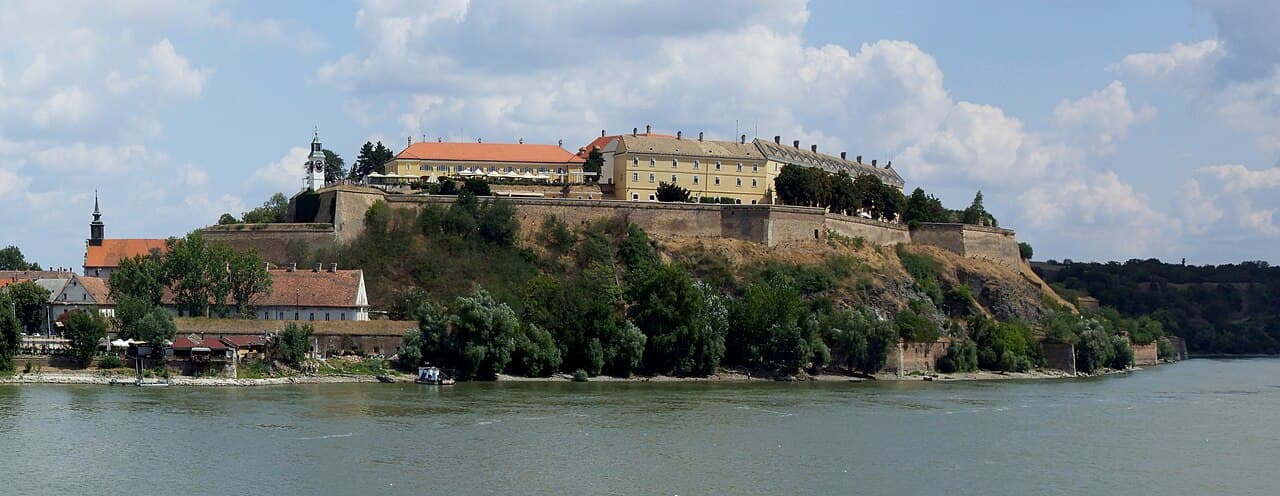
Cross the Varadin Bridge to Petrovaradin Fortress — explore the ramparts, the iconic clock tower with its reversed hands, and the network of underground tunnels. Enjoy panoramic views over the Danube from the upper terrace.
Evening
Head back to Stari Grad for dinner in a traditional konoba on Dunavska Street, then explore the lively bar scene around Laze Telečkog Street.
Day 02
Day 2 – Culture, Museums & the Riverside
Morning
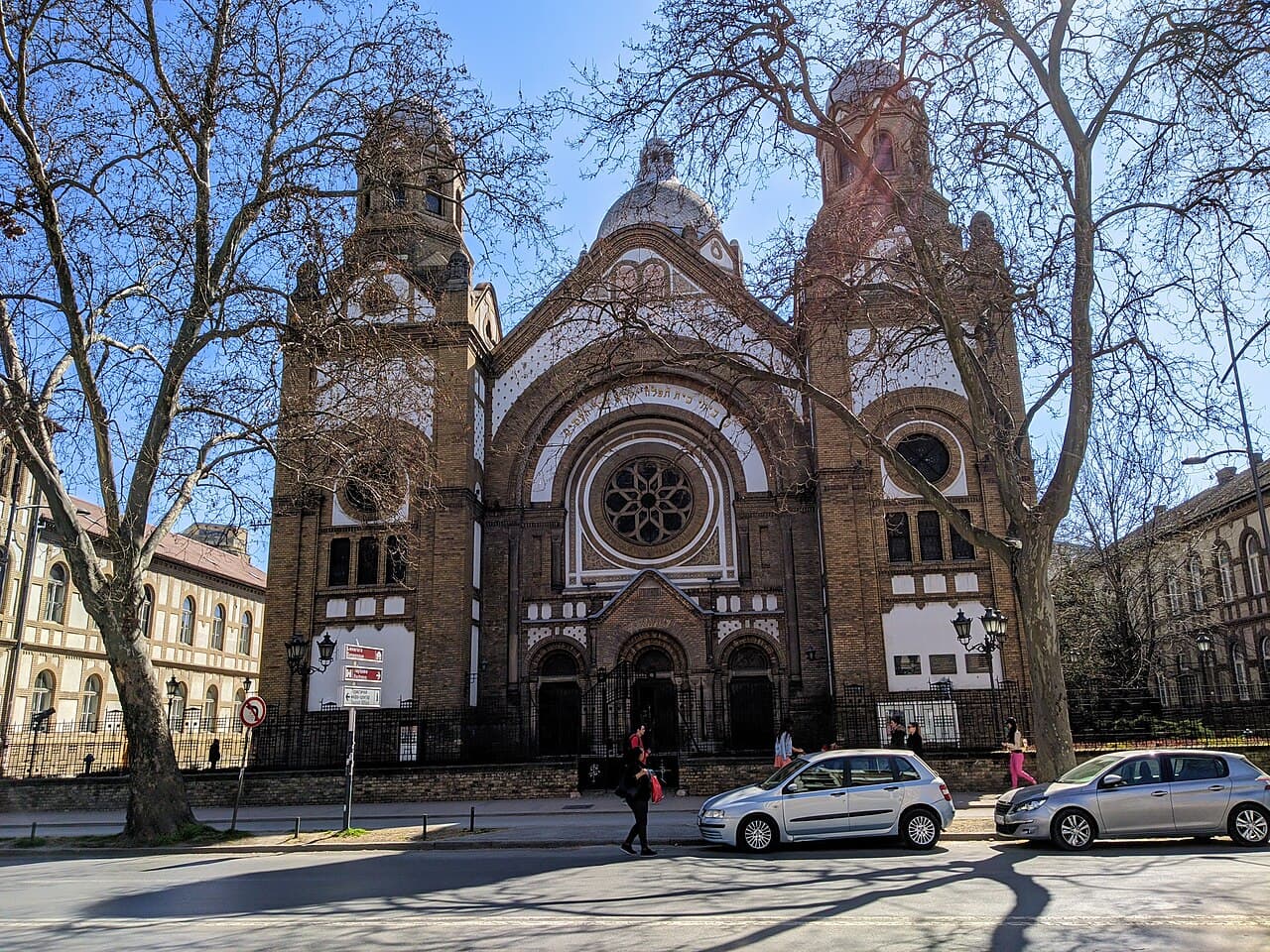
Visit the Museum of Vojvodina, one of the oldest museum complexes in Serbia, followed by the Art Nouveau Synagogue near Freedom Square.
Afternoon
Walk down to Štrand beach on the Danube for a leisurely afternoon by the river. Rent a bicycle and cycle along the riverside promenade towards the Danube Park, a romantic green oasis in the city centre.
Evening
Attend a performance at the Serbian National Theatre, or join a local wine-bar crawl sampling Vojvodina's excellent indigenous grape varieties.
Day 03
Day 3 – Fruška Gora & Sremski Karlovci
Morning
Take a short bus or taxi ride to the baroque town of Sremski Karlovci — once the seat of the Serbian Orthodox Church within the Habsburg Empire — and explore its grand churches, fountains, and wine cellars.
Afternoon
Continue into Fruška Gora National Park for a walk through the forested hills and a visit to one of the medieval Orthodox monasteries tucked into the hillsides.
Evening
Return to Novi Sad for a farewell dinner at one of the Salaš (traditional farmhouse restaurants) on the city's outskirts, known for enormous portions of local Vojvodina cuisine.
Work-ready layer
Coworking spots and laptop-friendly anchors.
Real coworking spaces, laptop-friendly cafés, and libraries mapped near the center of the city — the closest, best-rated desks first.
Spots surfaced0
Categories—
Mapped0
No coworking-ready spots surfaced for this city yet.
Map pending
No mapped workspace points yet.
Pick a different category or check back once we’ve indexed more desks for this city.
Concierge
Ask the Novi Sad concierge.
Share your travel style, must-see spots, or work schedule and the concierge will help turn this guide into something personal.
Personal trip brief
Tell it what kind of trip you're trying to have, and it will tighten the plan.
01
Travel style
Ask for cafés, quiet neighborhoods, date-night spots, or a first 48-hour plan.
02
Work constraints
Mention calls, Wi-Fi needs, or how much of the day has to stay laptop-friendly.
03
Real tradeoffs
Get faster answers on where to stay, when to move neighborhoods, and what to skip.
Traveler reviews
Reviews of Novi Sad
Written by signed-in Wanderlust members. We don't check that a reviewer has visited.
No reviews of Novi Sad yet.
Plan a trip to Novi Sad.
Tell the planner your dates, who's coming, your budget and pace, and it drafts a day-by-day itinerary you can edit.
Wanderlust Pro
Insider tips for Novi Sad, unlimited AI-built itineraries, and travel companions you can invite to plan a trip together. From $5.00/month, billed annually.