 City postcard
New Orleans
America's most soulful city — where jazz, Creole cuisine, and festival culture collide 365 days a year.
America's most soulful city — where jazz, Creole cuisine, and festival culture collide 365 days a year.
New Orleans is a singular American city shaped by centuries of French, Spanish, African, and Caribbean influence — audible in its music, visible in its ironwork balconies, and tasted in every bowl of gumbo. The birthplace of jazz and home to the world-famous Mardi Gras, the city pulses with live music from the French Quarter to Frenchmen Street every night of the week. Time Out named New Orleans the #1 Best City for Food in the world, and Condé Nast placed it as the only U.S. city in its global top-ten destinations. From the antebellum grandeur of the Garden District to the bohemian art galleries of Bywater, every neighborhood tells a layered, unmistakably NOLA story.
City postcardAmerica's most soulful city — where jazz, Creole cuisine, and festival culture collide 365 days a year.
 Top sight
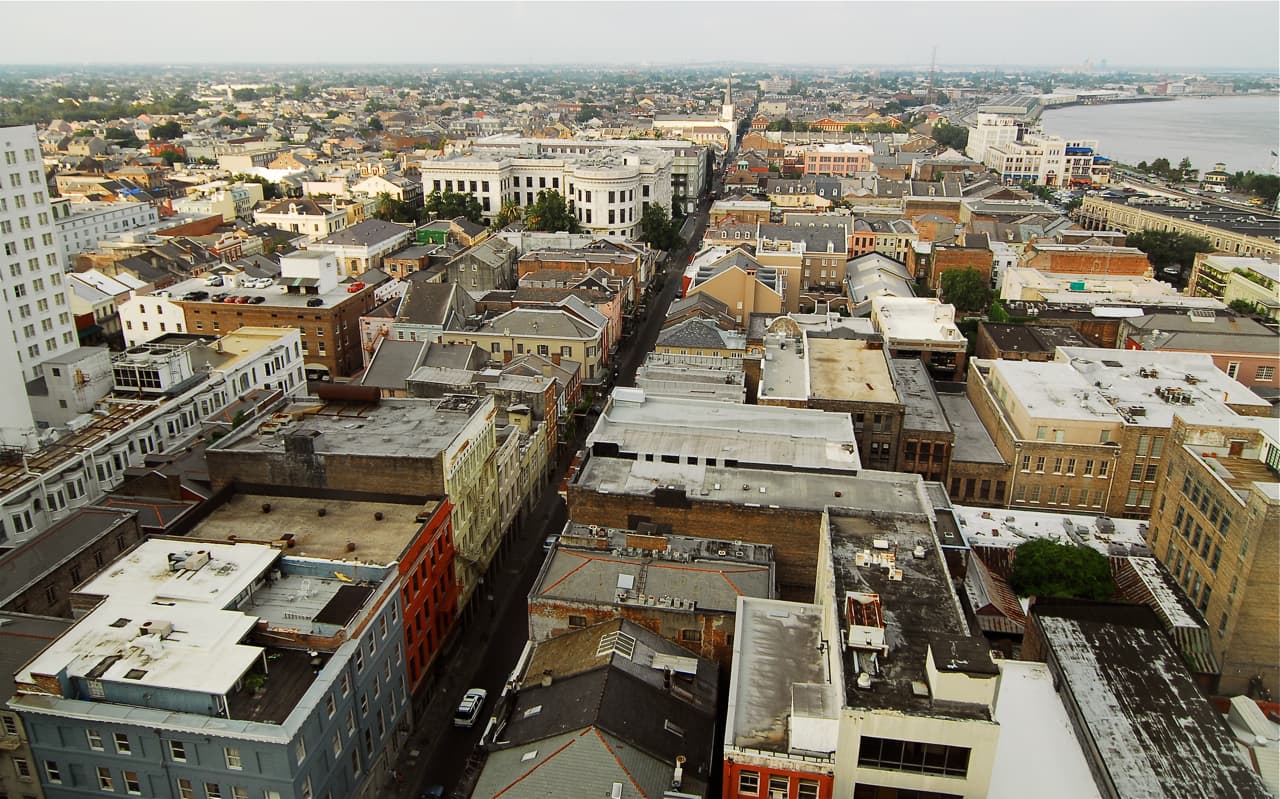
A signature stop locals and returning travelers point to in New Orleans.
 Top sight
A signature stop locals and returning travelers point to in New Orleans.
 Top sight
A signature stop locals and returning travelers point to in New Orleans.
A signature stop locals and returning travelers point to in New Orleans.
Photo: Chris Litherland · CC BY-SA 3.0
A signature stop locals and returning travelers point to in New Orleans.
Photo: Francis Lee · CC BY-SA 3.0
A signature stop locals and returning travelers point to in New Orleans.
A signature stop locals and returning travelers point to in New Orleans.
A signature stop locals and returning travelers point to in New Orleans.
Photo: The National WWII Museum · Public domain
A signature stop locals and returning travelers point to in New Orleans.
A signature stop locals and returning travelers point to in New Orleans.
A signature stop locals and returning travelers point to in New Orleans.
A pocket of New Orleans with its own temperament — worth a deliberate detour when you're in the area.
A pocket of New Orleans with its own temperament — worth a deliberate detour when you're in the area.
A pocket of New Orleans with its own temperament — worth a deliberate detour when you're in the area.
A pocket of New Orleans with its own temperament — worth a deliberate detour when you're in the area.
Wanderlust Pro
Pro members see insider tips for New Orleans: a short list of restaurants, cafés and sights, picked by AI as local suggestions to double-check before you go.
The quick answers travelers want before they commit to flights, neighborhoods, and how long to stay.
Louis Armstrong New Orleans International Airport (MSY) sits approximately 15 miles west of downtown. The most affordable option is the RTA 202 Airport Express bus, which runs to Downtown New Orleans for $1.25 per ride. Taxis from the cab stand on Level 1 charge a flat regulated fare of $36 each way for one or two passengers ($14 per person for groups of three or more), plus $1 per bag. Rideshares (Uber/Lyft) operate from a designated Level 1 pick-up zone with a minimum fare of around $33–$36 into Orleans Parish. The Airport Shuttle (airportshuttleneworleans.com) offers shared transfers to Downtown, Uptown, and the French Quarter for $24 per person one-way or $44 round-trip; shuttles depart approximately every 30 minutes from 5:55 AM–10:00 PM. The journey to the French Quarter typically takes 20–30 minutes in normal traffic. Amtrak also serves the city at Union Passenger Terminal (1001 Loyola Ave) via the City of New Orleans (Chicago) and Crescent (New York) lines.
New Orleans is highly walkable in its core neighborhoods — the French Quarter, Marigny, and the Warehouse District can all be explored entirely on foot, with most attractions clustered within a few blocks of each other. The iconic streetcar network is both practical and scenic: the St. Charles Avenue line (the oldest continuously operating streetcar in the world) connects the CBD to the Garden District and Uptown; the Canal Street and Riverfront lines serve additional corridors. A single streetcar ride costs $1.25; a one-day pass is $3. Cycling is viable thanks to over 100 miles of bike lanes across a flat terrain — bike rentals are widely available. Rideshares (Uber/Lyft) are affordable for longer trips, with short cross-city fares often under $10 outside peak festival periods. Avoid renting a car for central stays: parking is scarce and can cost $25–$65 per day in popular areas, and streets are frequently closed for parades.
New Orleans rewards visitors year-round, but timing shapes everything from your wallet to your waistline. Spring (February–May) is the city's undisputed peak: Mardi Gras (February 17, 2026; February 9, 2027) ignites the streets weeks before Fat Tuesday, followed swiftly by the French Quarter Festival and the New Orleans Jazz & Heritage Festival, all set against mild temperatures in the mid-60s to low 80s°F. Book accommodation 3–6 months ahead for these weekends. Fall (October–November) is the sweet spot for savvy travelers — comfortable temperatures, moderate crowds, and meaningfully lower hotel rates than spring, with Halloween ghost tours adding a uniquely NOLA flavor. Winter (December–February, outside Mardi Gras) brings the city's quietest, most local atmosphere: temperatures in the mid-40s to mid-60s, Celebration in the Oaks in City Park, and Reveillon dinners at top Creole restaurants, all without the queues. Summer (June–September) is for bargain hunters only — heat and humidity routinely hit the 90s°F, afternoon thunderstorms are common, and hurricane season runs June 1–November 30. That said, events like the ESSENCE Festival and Satchmo SummerFest keep summer far from dead.
Start with café au lait and beignets at Café Du Monde beside Jackson Square, then stroll the Vieux Carré to admire 300-year-old architecture, cast-iron balconies, and St. Louis Cathedral. Browse Royal Street's galleries and antique shops.
Walk up to the Treme neighborhood — America's oldest African American community — and visit the New Orleans Historic Voodoo Museum. Pop into Louis Armstrong Park and Congo Square to soak up the roots of jazz, then explore Frenchmen Street by daylight.
Return to Frenchmen Street for one of the world's great live-music strips: hop between the Spotted Cat, Snug Harbor, and the Apple Barrel to catch traditional jazz, modern brass, and everything in between. End with a late-night bowl of gumbo.
Board the St. Charles Avenue streetcar ($1.25) from Canal Street into the Garden District. Walk the shaded streets past antebellum mansions and Lafayette Cemetery No. 1, then browse the six-mile stretch of Magazine Street's boutiques and cafés.
Devote two to three hours to The National WWII Museum — ranked among the world's top war museums — with authentic aircraft, Higgins Boats, and immersive exhibits. Lunch at the museum's American Sector restaurant.
Head to Commander's Palace in the Garden District for the legendary jazz brunch or dinner. Reserve well in advance. Afterwards, ride the streetcar back toward the Quarter for nightcaps on Bourbon Street.
Head to City Park — a 1,300-acre oasis — to visit the New Orleans Museum of Art and its Sculpture Garden, rent a bike, or paddle the lagoons. The park is at its loveliest in the morning light.
Explore the bohemian Bywater neighborhood: indie cafés, murals, and local art galleries give this area its laid-back creative energy. Try a po'boy from a neighborhood joint. If scheduling allows, book an afternoon swamp tour from a nearby outfitter to spot alligators and cypress forests.
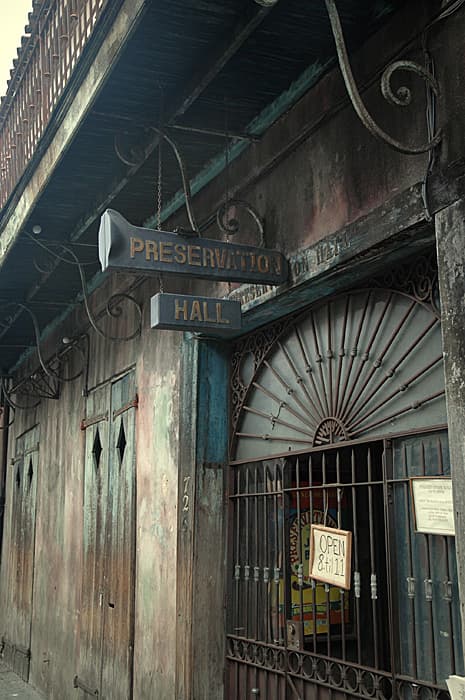
Circle back to the Marigny for a final night on Frenchmen Street, or catch a show at Preservation Hall in the Quarter — doors open nightly and the intimate brass-band sets are a true NOLA rite of passage.
Real coworking spaces, laptop-friendly cafés, and libraries mapped near the center of the city — the closest, best-rated desks first.
No coworking-ready spots surfaced for this city yet.
Pick a different category or check back once we’ve indexed more desks for this city.
Ask for cafés, quiet neighborhoods, date-night spots, or a first 48-hour plan.
Mention calls, Wi-Fi needs, or how much of the day has to stay laptop-friendly.
Get faster answers on where to stay, when to move neighborhoods, and what to skip.
There aren’t any, yet!
Block off the weeks you're free. Wanderlust turns this dossier — flights, lodging, neighborhoods, timing — into a single draft itinerary in about ninety seconds.
Wanderlust Pro
Insider tips for New Orleans, unlimited AI-built itineraries, and travel companions you can invite to plan a trip together. From $5.00/month, billed annually.
Wanderlust Pro
Pro members see insider tips for New Orleans: a short list of restaurants, cafés and sights, picked by AI as local suggestions to double-check before you go.