Top sight
Top sight
Where Soviet grandeur meets quiet resilience — Europe's most frozen-in-time capital.
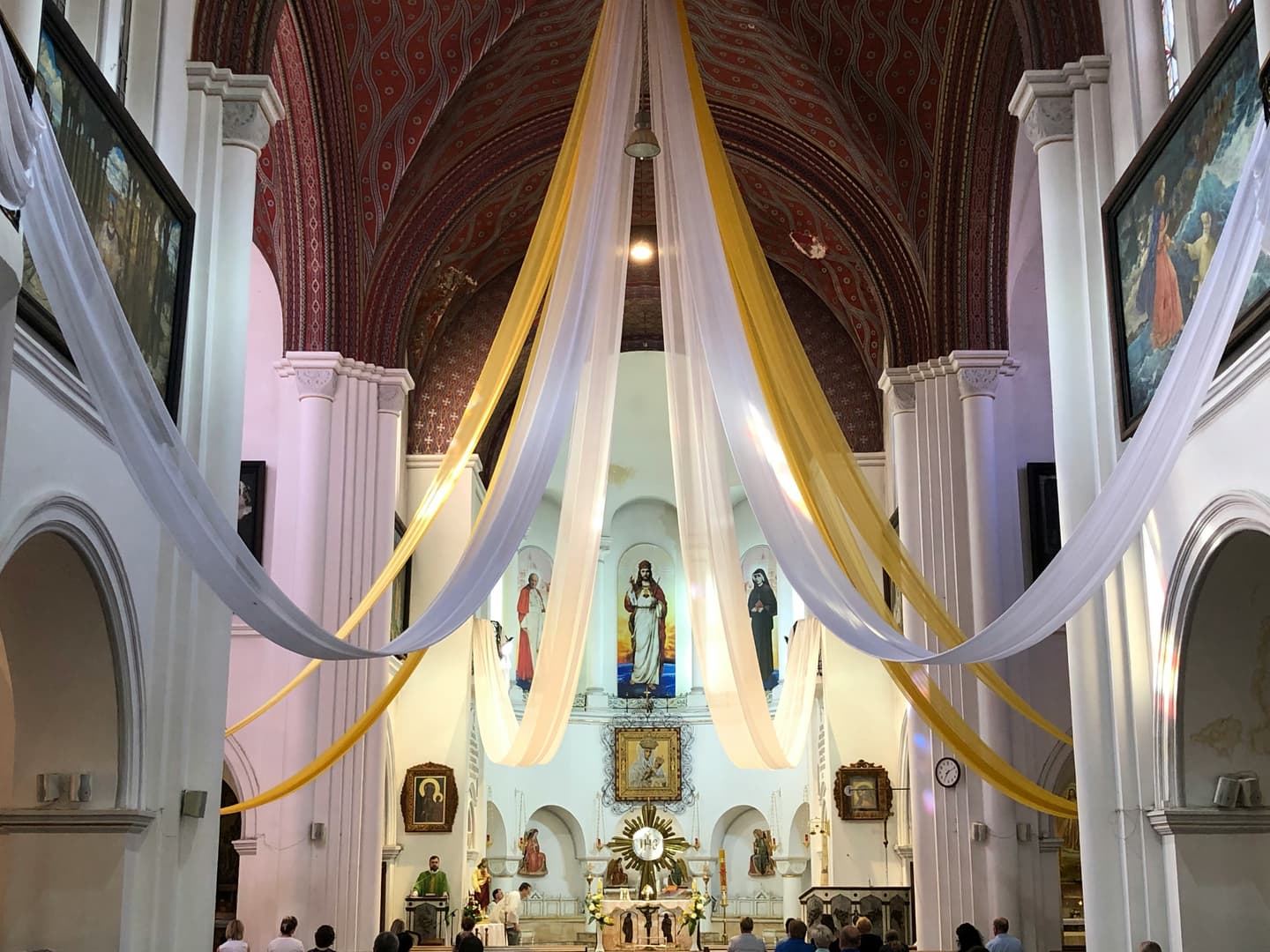
Minsk is Belarus's capital and largest city, rebuilt from near-total WWII destruction into a monumental showcase of Stalinist imperial architecture — wide boulevards, soaring obelisks, and ornate metro stations that feel like underground palaces. Beneath the grand facades, a younger generation has seeded hipster cafés, street-art corridors, and a lively nightlife scene on Zybitskaya Street. The city remains one of Europe's most affordable urban destinations, though Western governments currently advise against all travel due to the geopolitical environment and risk of politically motivated detention. Visitors who do go should research entry requirements carefully, as visa-free access (up to 30 days) is available to many nationalities flying in through Minsk National Airport.
More cities for these months: Where to go in May · Where to go in June · Where to go in July · Where to go in August · Where to go in September
Insider tips · Wanderlust Pro
Practical tips on the sights and neighbourhoods in this Minskguide — when to go, what most visitors miss. Written with AI about the guide's own places; double-check details before you go. Pro members see every tip.
The quick answers travelers want before they commit to flights, neighborhoods, and how long to stay.
Minsk National Airport (MSQ) sits 42 km east of the city centre. The most budget-friendly connection is bus #300, which departs every 15 minutes from the central Ploshcha Nezalezhnosti (Independence Square) metro station, takes roughly 30 minutes, and costs 1.5 BYN (~$0.45). A taxi or Yandex.Go ride-hail from the city centre runs 15–20 BYN (~$6–8). A high-speed rail link (41.8 km, under 30 minutes) is under construction and expected to open by 2028–2029. Many EU airlines avoid Belarusian airspace; most inbound international flights currently arrive via Russian, Turkish, or Middle Eastern carriers. Rail is a popular regional option: trains from Warsaw (via Brest) and Moscow arrive at Minsk-Passazhirsky station in the city centre. Note: the U.S. (Level 4), UK FCDO, and Australian Smartraveller all advise against travel to Belarus — check your government's current guidance before booking.
Minsk's public transport system is efficient, clean, and extremely cheap. The metro operates daily from ~5:30 AM to 1:00 AM, with trains every 2–3 minutes at peak hours and 33 stations across its network; a single token costs ~0.90–1.00 BYN (~$0.30). Buses, trolleybuses, and trams cover the rest of the city at the same flat fare. For taxis, use Yandex.Go or the local Sergey app — a typical 10-minute cross-city ride runs just $2–3; avoid unmetered airport touts who routinely overcharge. Bike rentals (Minsk Bike, Kolobike) are available for river park routes. The metro does not reach the airport directly, but bus #300 provides a frequent, direct link.
The sweet spot is May through September, when Minsk blossoms into a genuinely pleasant city: warm sunshine, green parks along the Svislach River, and Zybitskaya Street overflowing with bar-goers on weekends. June and July are peak summer, ideal for Victory Park, Gorky Park boat rentals, and the outdoor café culture that softens the city's austere Soviet edges. May's springtime freshness is arguably the most beautiful, as first described by travellers who contrast it sharply with the city's grey winter persona. Autumn (September) brings mild temperatures and fewer crowds before the cold sets in. Winter (November–March) is harsh — heavy snowfall, icy pavements, and temperatures well below freezing — though the monumental architecture takes on an eerie grandeur under snow, and hotels are at their cheapest.
Start on Independence Avenue (15 km of UNESCO-nominated Stalinist imperial architecture). Walk from the imposing Gate of Minsk towers toward Independence Square, pausing at the KGB building and the striking bas-relief above KFC. Explore Independence Square and the Church of Saints Simon and Helena (Red Church).
Head to Victory Square to see the 38-metre obelisk flanked by eternal flames, then walk to the Belarusian Great Patriotic War Museum — a strikingly modern building with a haunting, unmissable interior covering WWII's devastation of Belarus.
Dinner at Lido (Belarusian buffet, perfect for sampling draniki and machanka cheaply), then drinks on Zybitskaya Street, which transforms on summer evenings into an open-air bar scene.
Explore the Upper Town: cobbled Trinity Suburb, the Town Hall, Basilian monastery ruins, and the Virgin Mary Cathedral. Walk down to the Svislach River and cross to the Island of Tears memorial — a deeply moving monument to Belarusian soldiers lost in the Soviet-Afghan War.
Take the metro out to the National Library of Belarus — a giant 'diamond' rhombicuboctahedron. Tour the interior and take the lift to the observation deck for panoramic city views. Return via Komarovsky Market to browse local produce, smoked meats, and Soviet-era souvenirs.
Catch an opera or ballet at the Bolshoi Theatre of Belarus (tickets are remarkably affordable, often under $20 for excellent seats). The historic building is a spectacle in itself.
Walk Oktyabrskaya Street to see the Vulica Brasil murals — former factory walls transformed into vivid street art. Stop for coffee at one of the surrounding hipster cafés that have colonised the old industrial district.
Head to Gorky Park for a Ferris wheel ride above the Svislach River, or take a day trip (~1.5 hrs) to Mir Castle or Nesvizh Palace, both UNESCO World Heritage Sites easily reached by organised tour or marshrutka from the central bus station.
Final dinner at Rakovskiy Brovar brewpub for local craft beer and traditional Belarusian food, followed by a last stroll along the illuminated Independence Avenue at night.
Real coworking spaces, laptop-friendly cafés, and libraries mapped near the center of the city — the closest, best-rated desks first.
No coworking-ready spots surfaced for this city yet.
Pick a different category or check back once we’ve indexed more desks for this city.
Ask for cafés, quiet neighborhoods, date-night spots, or a first 48-hour plan.
Mention calls, Wi-Fi needs, or how much of the day has to stay laptop-friendly.
Get faster answers on where to stay, when to move neighborhoods, and what to skip.
Written by signed-in Wanderlust members. We don't check that a reviewer has visited.
No reviews of Minsk yet.
Tell the planner your dates, who's coming, your budget and pace, and it drafts a day-by-day itinerary you can edit.
Wanderlust Pro
Insider tips for Minsk, unlimited AI-built itineraries, and travel companions you can invite to plan a trip together. From $5.00/month, billed annually.
Insider tips · Wanderlust Pro
Practical tips on the sights and neighbourhoods in this Minskguide — when to go, what most visitors miss. Written with AI about the guide's own places; double-check details before you go. Pro members see every tip.