Top sight
Top sight
The city that never sleeps—iconic skyline, world-class culture, and infinite urban energy on 24 square miles.
Manhattan is New York City's electrifying core, packed with iconic landmarks, world-renowned museums, and a dining scene boasting 69 Michelin-starred restaurants as of 2025. Its 24 square miles stretch from the historic Financial District and jazz birthplace of Harlem in the north to the bohemian streets of Greenwich Village and the glass towers of Midtown. Broadway, the High Line, Central Park, and hundreds of vibrant neighborhoods make it one of the most visited urban destinations on earth, drawing roughly 60 million visitors a year.
More cities for these months: Where to go in April · Where to go in May · Where to go in June · Where to go in September · Where to go in October · Where to go in November
Insider tips · Wanderlust Pro
Practical tips on the sights and neighbourhoods in this Manhattanguide — when to go, what most visitors miss. Written with AI about the guide's own places; double-check details before you go. Pro members see every tip.
The quick answers travelers want before they commit to flights, neighborhoods, and how long to stay.
Manhattan is served by three major airports. JFK (John F. Kennedy International) is the largest and best-connected via public transit: take the AirTrain ($8.75) to Jamaica Station and hop on the E subway, or to Howard Beach for the A train — total cost around $11.65 and roughly 50–60 minutes to Midtown. Taxis from JFK charge a flat rate of $110 (plus surcharges). LaGuardia (LGA) is the closest airport; take the 7 train to 74th Street-Roosevelt Avenue then the free Q70 bus transfer — total subway fare just $2.90. Newark Liberty (EWR) is across the Hudson in New Jersey: connect via AirTrain to NJ Transit into Penn Station for around $15–$18.65 total, roughly 40–50 minutes. Amtrak trains roll into Penn Station from all major East Coast cities, and budget bus services like FlixBus and Megabus also serve multiple Manhattan-area terminals.
The NYC subway is the backbone of Manhattan transit, running 24/7 across the entire island and into all outer boroughs. The standard subway fare is $2.90 per ride (2025), payable with OMNY contactless tap-to-pay via credit/debit card or phone — MetroCards were retired at end of 2025. OMNY's fare-capping means you pay no more than $35 in any 7-day period (equivalent to 12 rides), after which all trips are free. Use the free MYmta app for real-time arrivals and trip planning. Buses run cross-town (east–west) while subways are fastest north–south. Walking is strongly recommended for short distances — Manhattan is exceptionally walkable. Skip renting a car: parking is scarce and extremely expensive, and traffic is heavy around the clock. Rideshares (Uber, Lyft) are cheaper than yellow taxis for most trips but can surge during peak hours. Yellow cabs are metered within the five boroughs.
Manhattan rewards visitors year-round, but the timing of your trip dramatically shapes the experience. The shoulder seasons — spring (April to mid-May) and fall (mid-September to October) — are widely considered the sweet spot: mild temperatures between 18–23°C (65–75°F), manageable crowds, photogenic scenery, and lower hotel rates than peak summer. Spring brings cherry blossoms, reopened rooftop bars, the Tribeca Film Festival in April, and Broadway's new season in full swing. Fall delivers crisp blue skies, Central Park's golden foliage, and the energy of NYC Pride's shoulder glow from the summer. Summer (June–August) is peak season — hot and humid, with rooftop brunches, outdoor concerts, the NYC Pride March in June, and packed streets, but also the highest hotel prices. Winter (January–February) is the budget traveler's secret weapon: hotel rates drop significantly, museums are quieter, Broadway tickets are easier to score, and NYC Restaurant Week (usually January or February) offers prix-fixe deals at top restaurants. December is its own spectacle — tree lightings, ice rinks at Rockefeller Center, the Macy's Thanksgiving Day Parade, and the Times Square New Year's Eve countdown — but expect massive crowds and peak prices.
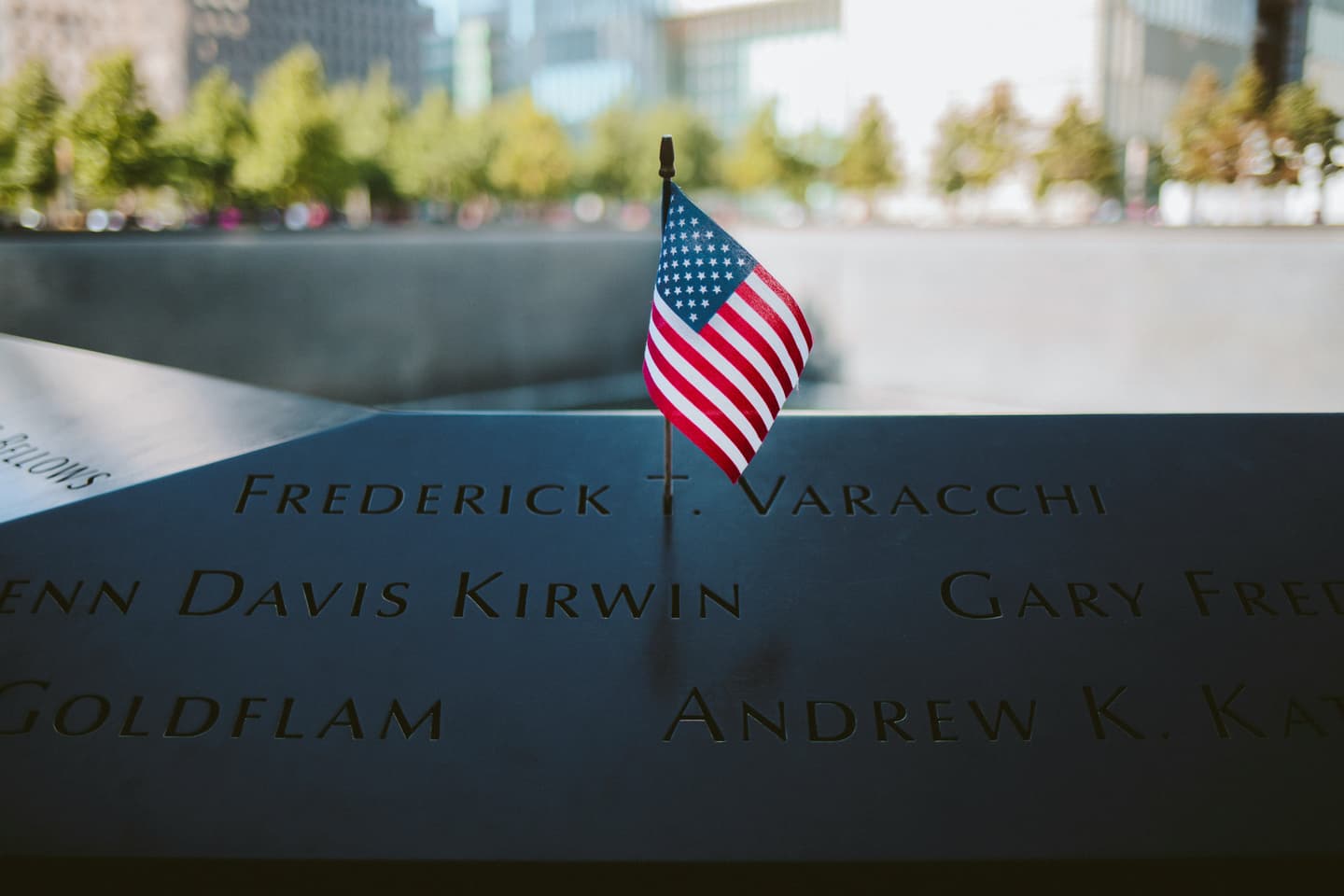
Start downtown at the 9/11 Memorial & Museum, then walk to One World Trade Center Observatory for sweeping skyline views. Stroll through the Financial District, passing the Charging Bull and the New York Stock Exchange on Wall Street.
Head north to the High Line — Manhattan's elevated park built on a former rail line — and walk its full length from Gansevoort Street to Hudson Yards. Stop at Chelsea Market for lunch. Continue to the Empire State Building for sunset views from the 86th-floor observation deck.
Dive into Hell's Kitchen for dinner (the area around 9th Ave is loaded with restaurants at every price point), then catch a Broadway show in the Theater District — book tickets in advance or grab last-minute deals at the TKTS booth in Times Square.
Spend the morning at the Metropolitan Museum of Art on the Upper East Side — allow at least 2–3 hours. The suggested donation makes it accessible on any budget.
Cross into Central Park for a picnic or bike rental. Explore Bethesda Terrace, The Ramble, and Belvedere Castle. Head up to the Upper West Side and browse Zabar's deli. Visit the American Museum of Natural History for a classic NYC afternoon.
Explore the culinary and cultural richness of Harlem along 125th Street — soul food, jazz clubs, and vibrant murals. Visit Sylvia's for Southern cooking or catch live jazz at one of the neighborhood's iconic venues.
Begin with breakfast in the West Village — wander the tree-lined streets and browse boutiques. Walk through Washington Square Park, a hub of street performers and local life, then into SoHo for its cast-iron architecture and flagship stores.
Head to the Lower East Side and Chinatown for some of Manhattan's best cheap eats — dumplings, ramen, and knishes. Visit the Brooklyn Bridge on foot for panoramic views of both skylines. You can cross into DUMBO for views back at Manhattan.
Return to the Lower East Side for its buzzy cocktail bar and live music scene, or hop over to Tribeca for a quieter, upscale dinner. End the night at a rooftop bar — try the ones in Williamsburg or the Meatpacking District for sweeping Manhattan skyline views at golden hour.
Real coworking spaces, laptop-friendly cafés, and libraries mapped near the center of the city — the closest, best-rated desks first.
No coworking-ready spots surfaced for this city yet.
Pick a different category or check back once we’ve indexed more desks for this city.
Ask for cafés, quiet neighborhoods, date-night spots, or a first 48-hour plan.
Mention calls, Wi-Fi needs, or how much of the day has to stay laptop-friendly.
Get faster answers on where to stay, when to move neighborhoods, and what to skip.
Written by signed-in Wanderlust members. We don't check that a reviewer has visited.
No reviews of Manhattan yet.
Tell the planner your dates, who's coming, your budget and pace, and it drafts a day-by-day itinerary you can edit.
Wanderlust Pro
Insider tips for Manhattan, unlimited AI-built itineraries, and travel companions you can invite to plan a trip together. From $5.00/month, billed annually.
Insider tips · Wanderlust Pro
Practical tips on the sights and neighbourhoods in this Manhattanguide — when to go, what most visitors miss. Written with AI about the guide's own places; double-check details before you go. Pro members see every tip.