Top sight
Top sight
A UNESCO-listed capital where medieval fortresses, free public transport, and EU cosmopolitanism collide in one compact city.
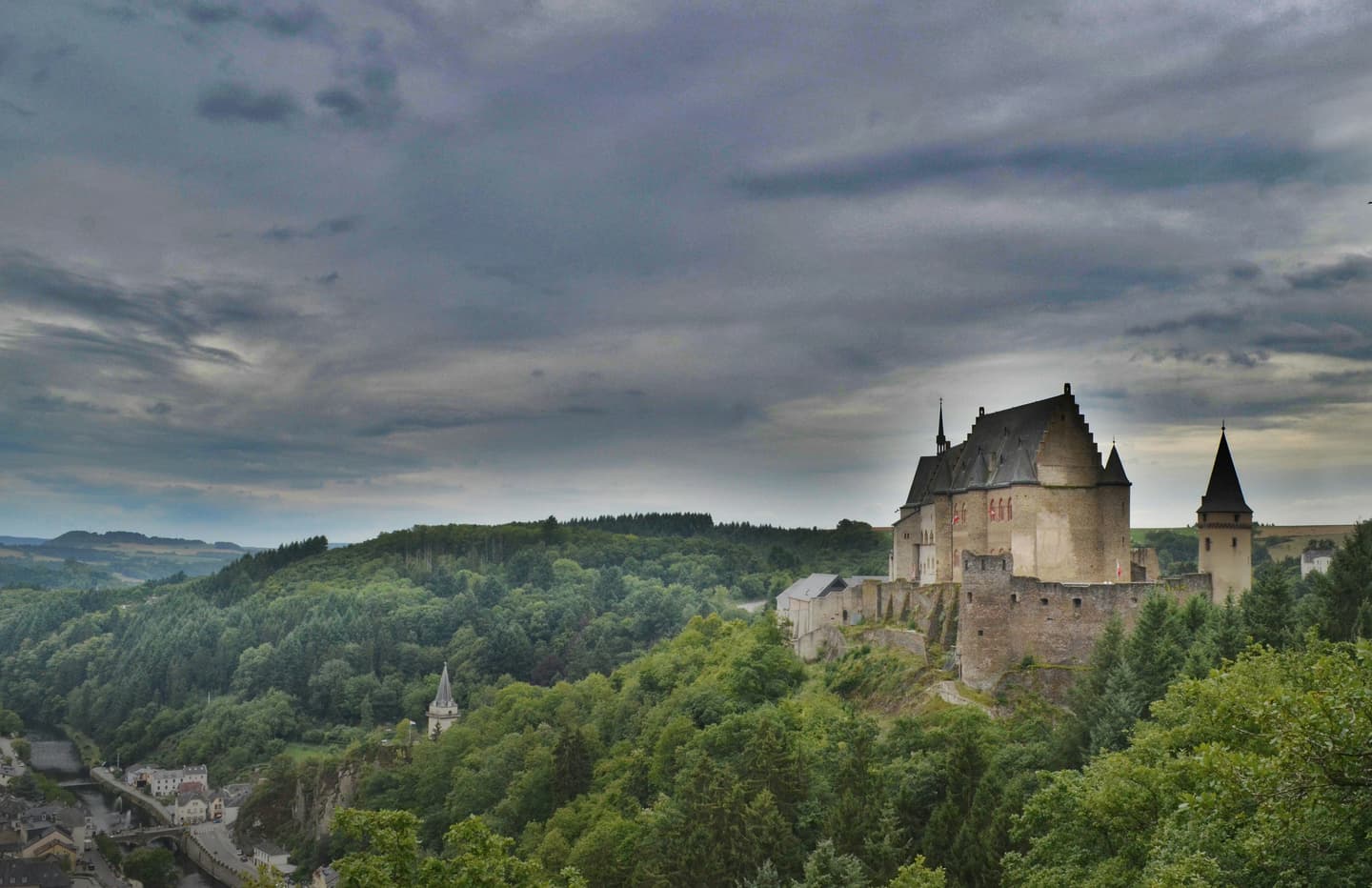
Luxembourg City is a UNESCO World Heritage site where centuries-old casemates and ramparts rise dramatically above lush river valleys, while glass-and-steel EU institutions anchor the modern Kirchberg plateau. The world's only remaining Grand Duchy punches far above its size with Michelin-starred dining, world-class museums, and a thriving multilingual expat community. Its standout practical perk: all buses, trams, and domestic trains are completely free for everyone — a global first since 2020. Despite premium living costs, the city rewards visitors and residents alike with extraordinary safety, cleanliness, and effortless access to France, Germany, and Belgium.
More cities for these months: Where to go in April · Where to go in May · Where to go in June · Where to go in September · Where to go in October

Insider tips · Wanderlust Pro
Practical tips on the sights and neighbourhoods in this Luxembourgguide — when to go, what most visitors miss. Written with AI about the guide's own places; double-check details before you go. Pro members see every tip.
The quick answers travelers want before they commit to flights, neighborhoods, and how long to stay.
Luxembourg Airport (LUX) sits just 6–8 km east of the city centre. The fastest free option is Bus 29, which runs directly to Gare Centrale (Central Train Station) in roughly 20 minutes, departing every 15 minutes on weekdays. Bus 16 is an alternative serving the city centre via Kirchberg (Luxexpo, Philharmonie, MUDAM) in about 25 minutes. As of March 2025, Tram T1 is now fully operational and connects the airport all the way to the National Stadium in the south, stopping at the city centre and Gare Centrale (journey ~31 min) — and it's free. Taxis are available 24/7 outside arrivals; expect approximately €30–35 to the city centre in normal traffic. Uber and Bolt do not currently operate in Luxembourg. By rail, CFL trains link Luxembourg City to Paris (TGV, ~2 hours), Brussels (~3.5 hours, ~€33), Trier (~1 hour, ~€5.40), and Metz (~30 min, ~€6). International journeys require a paid ticket; domestic travel is free.
Luxembourg is the world's first country to offer completely free nationwide public transport — all buses, trams, and domestic CFL trains in 2nd class require no ticket for residents, commuters, and tourists alike since March 2020. Only 1st-class train travel (€3 for 2 hours) and cross-border journeys are paid. The Tram T1 line is the backbone of city transit, linking the Airport, Kirchberg (EU institutions), city centre, Gare Centrale, and the Cloche d'Or business district. The AVL bus network covers all residential districts with increased frequency at peak times. Download the Mobiliteit.lu app (iOS/Android) for real-time timetables and route planning, or the CFL Mobile app for train schedules. The vel'oH! e-bike share scheme has 144 stations and 1,157 electric bikes across 8 communes — a great way to explore the valleys and parks. Note: taxis are unregulated in Luxembourg, so confirm the fare before boarding; typical airport-to-centre fare is ~€30–35. Uber and Bolt do not operate here. For the compact historic core, walking is often the best option.
Spring (April–May) and early autumn (September–October) are the sweet spots for visiting Luxembourg City: temperatures are mild and pleasant, crowds are thinner than summer, and the city's parks and valley trails are at their most photogenic — spring brings blooming gardens, while autumn drapes the Alzette and Pétrusse valleys in warm foliage. Summer (June–August) is lively, with a packed programme of open-air festivals, outdoor dining, and the Grand Ducal Palace summer tours, though accommodation prices climb and the city fills with business and leisure visitors. Winter (November–March) transforms Luxembourg City with charming Christmas markets and a festive atmosphere, though some outdoor attractions have reduced hours and temperatures can be cold and wet. Pack layers year-round — Luxembourg's weather is famously unpredictable — and wear comfortable shoes for the hilly cobblestone terrain.
Start at the Bock Casemates, the labyrinthine UNESCO-listed underground tunnels carved into the rock — arrive early to beat queues. Stroll the Chemin de la Corniche promenade for sweeping views over the Alzette valley and rooftops of Grund.
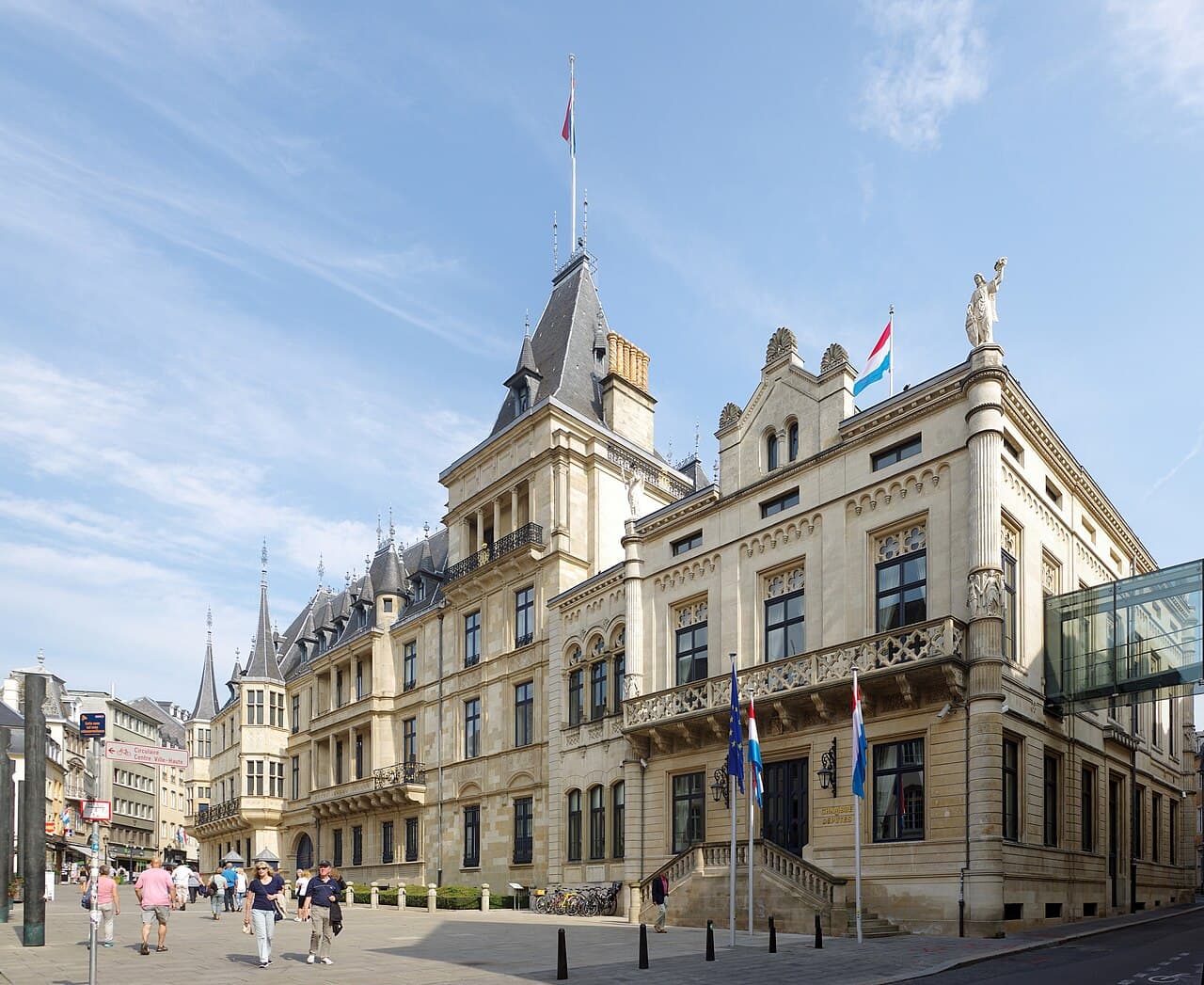
Descend to the Grund district via the free public elevator from the Plateau du St-Esprit. Explore the charming riverside quarter, then head back up to tour the Grand Ducal Palace exterior (and interior during summer guided tours) and peek inside Notre-Dame Cathedral on Place Guillaume II.
Dinner in the old town — try authentic Luxembourgish cuisine (Judd mat Gaardebounen, smoked pork with broad beans) at a traditional brasserie. End the evening with a drink in the lively Clausen bar district, just below the plateau.
Dedicate the morning to the National Museum of History and Art (MNAHA) on Marché-aux-Poissons — one of the finest collections in the Benelux region. The Luxembourg Pass covers entry and saves on multiple admissions.
Take the free tram to Kirchberg to explore the EU institutions district. Visit MUDAM (Musée d'Art Moderne Grand-Duc Jean) in its stunning I.M. Pei-designed building, then walk through the Kirchberg plateau and see the Philharmonie Luxembourg concert hall.
Return to the city centre for dinner in Limpertsberg, the neighbourhood popular with expats for its restaurant variety and relaxed atmosphere. Catch the free Nightlifebus home if heading out late.
Board a free CFL train from Gare Centrale and head to the Moselle Valley wine region (Grevenmacher or Remich, ~30 min). Enjoy a morning tasting of local Crémant and Riesling wines at a family vineyard.
Return to the city or, alternatively, take a free bus to Ettelbruck and connect to Vianden — home to one of Europe's most spectacular hilltop castles, perched above the Our river. The château commands breathtaking views and fascinating medieval history.
Return to Luxembourg City by early evening on the free CFL network. Celebrate your last night with dinner at a wine bar in Clausen or the Rham plateau, toasting to the Grand Duchy with a glass of local Pinot Gris.
Real coworking spaces, laptop-friendly cafés, and libraries mapped near the center of the city — the closest, best-rated desks first.
No coworking-ready spots surfaced for this city yet.
Pick a different category or check back once we’ve indexed more desks for this city.
Ask for cafés, quiet neighborhoods, date-night spots, or a first 48-hour plan.
Mention calls, Wi-Fi needs, or how much of the day has to stay laptop-friendly.
Get faster answers on where to stay, when to move neighborhoods, and what to skip.
Written by signed-in Wanderlust members. We don't check that a reviewer has visited.
No reviews of Luxembourg yet.
Tell the planner your dates, who's coming, your budget and pace, and it drafts a day-by-day itinerary you can edit.
Wanderlust Pro
Insider tips for Luxembourg, unlimited AI-built itineraries, and travel companions you can invite to plan a trip together. From $5.00/month, billed annually.
Insider tips · Wanderlust Pro
Practical tips on the sights and neighbourhoods in this Luxembourgguide — when to go, what most visitors miss. Written with AI about the guide's own places; double-check details before you go. Pro members see every tip.