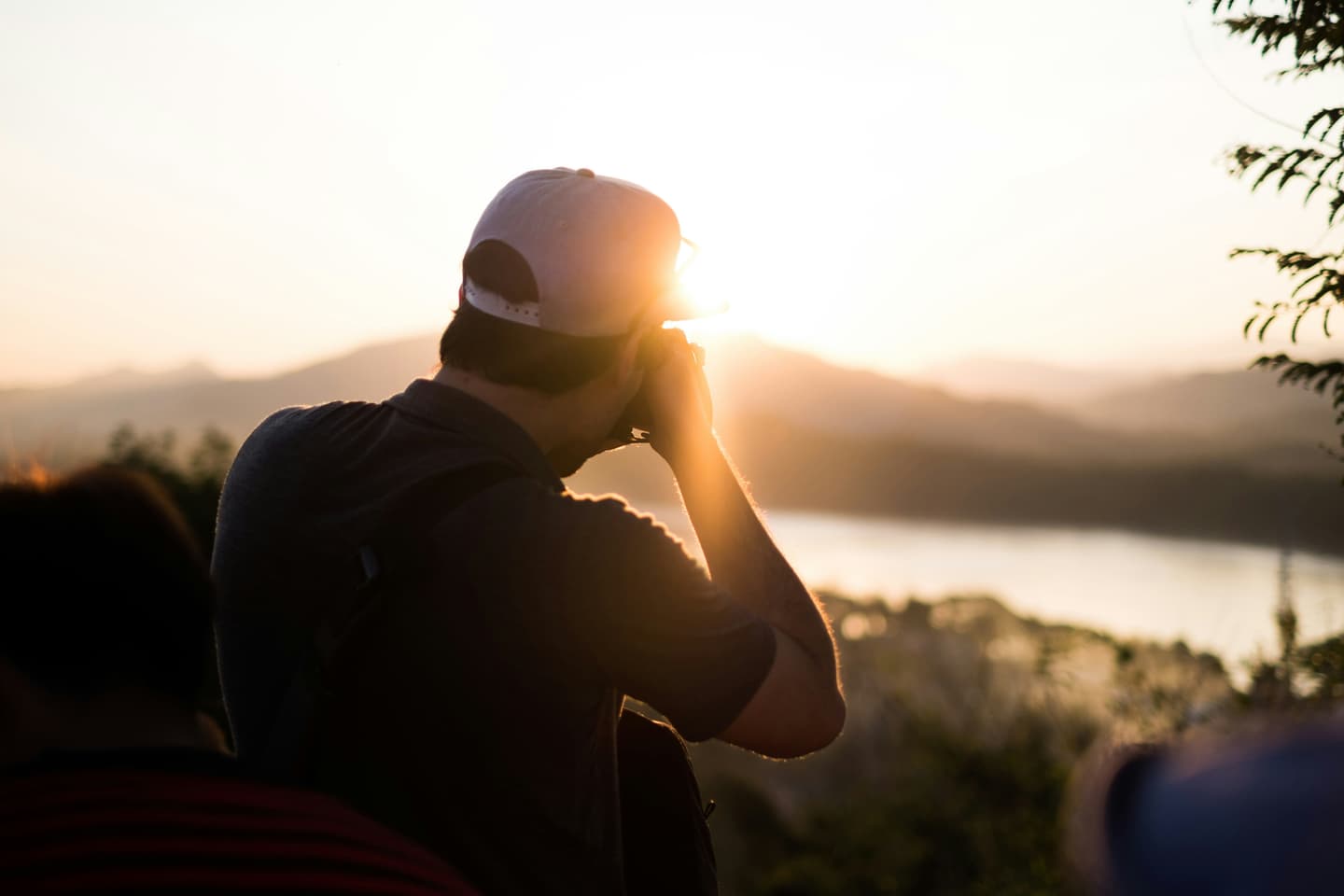
 City postcard
Luang Prabang
Where golden temples, slow Mekong sunsets, and dawn alms-giving rituals make time stand beautifully still.
Where golden temples, slow Mekong sunsets, and dawn alms-giving rituals make time stand beautifully still.
Luang Prabang is a UNESCO World Heritage town at the confluence of the Mekong and Nam Khan rivers in northern Laos, celebrated for its harmonious blend of Lao Buddhist temples and French colonial architecture. The compact, walkable Old Town peninsula rewards unhurried exploration — from pre-dawn tak bat (alms-giving) ceremonies to turquoise cascades at Kuang Si Falls and lively night markets brimming with handicrafts and street food. A new era of connectivity via the Laos-China high-speed railway has made the city easier to reach, while its famously slow pace remains intact, making it one of Southeast Asia's most rewarding destinations for culture seekers and slow travelers alike.
City postcardWhere golden temples, slow Mekong sunsets, and dawn alms-giving rituals make time stand beautifully still.
 Top sight
A signature stop locals and returning travelers point to in Luang Prabang.
 Top sight
A signature stop locals and returning travelers point to in Luang Prabang.
 Top sight
A signature stop locals and returning travelers point to in Luang Prabang.
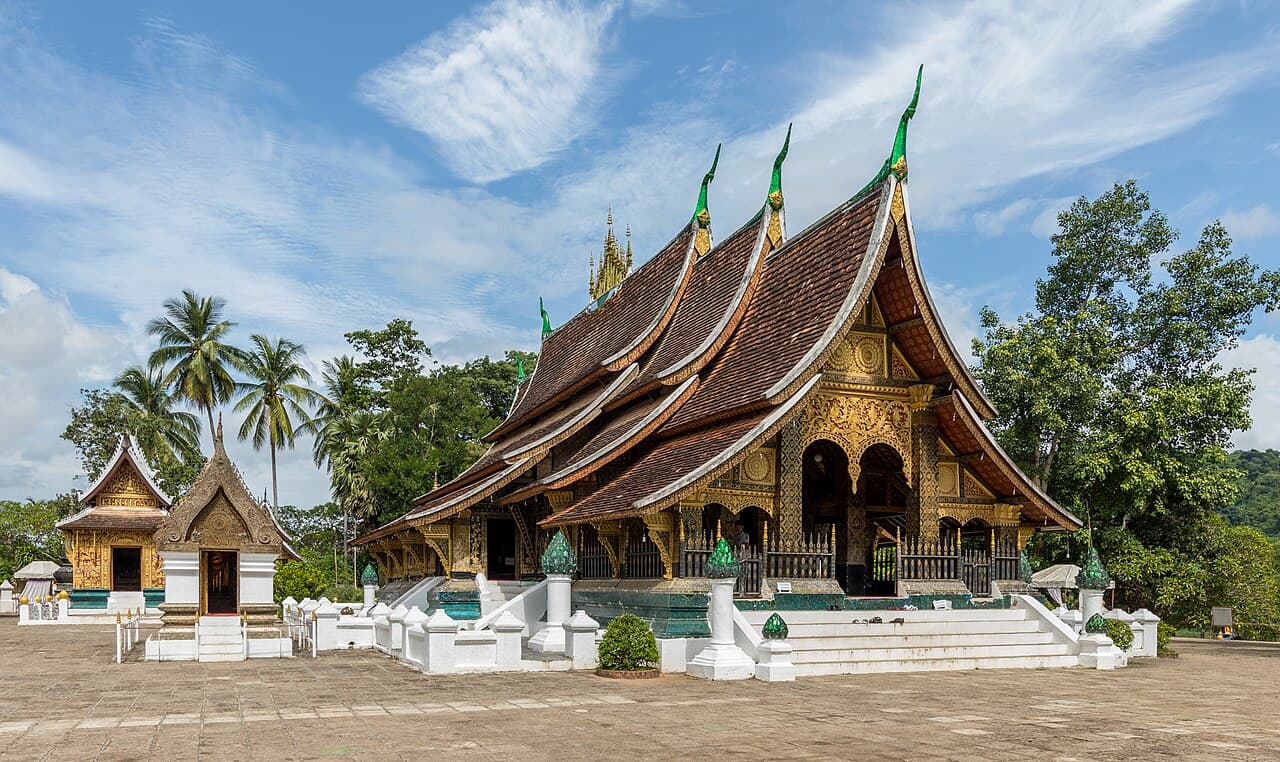
A signature stop locals and returning travelers point to in Luang Prabang.
Photo: Basile Morin · CC BY-SA 4.0
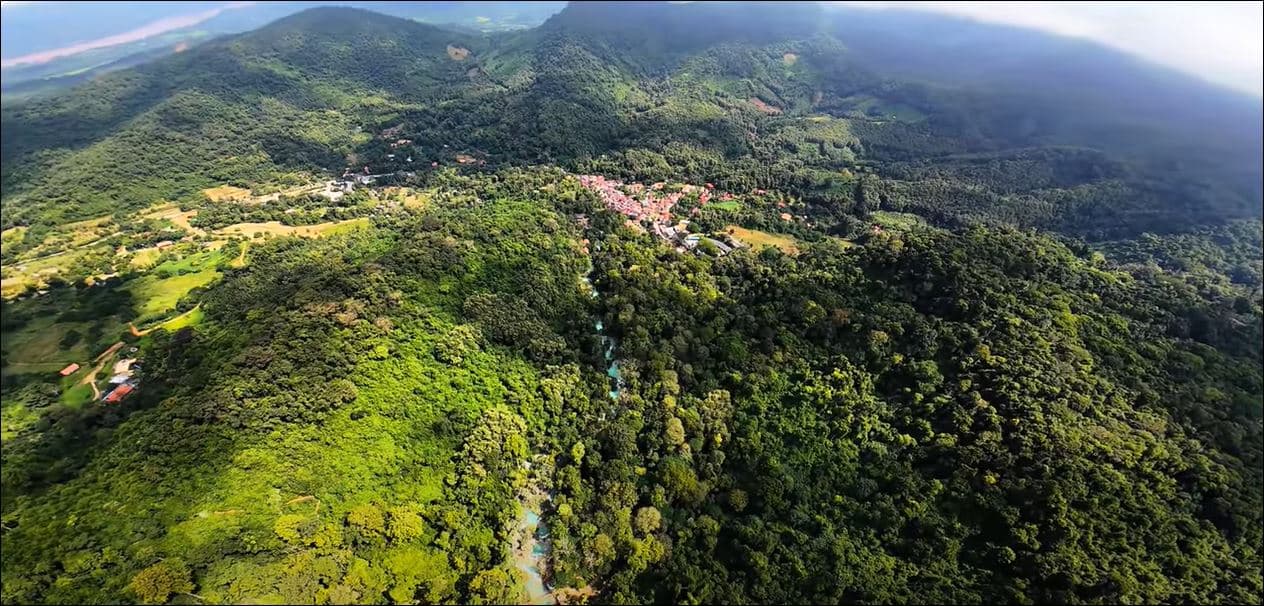
A signature stop locals and returning travelers point to in Luang Prabang.
Photo: NruasPaoYPP · CC BY-SA 4.0
A signature stop locals and returning travelers point to in Luang Prabang.
A signature stop locals and returning travelers point to in Luang Prabang.
A signature stop locals and returning travelers point to in Luang Prabang.
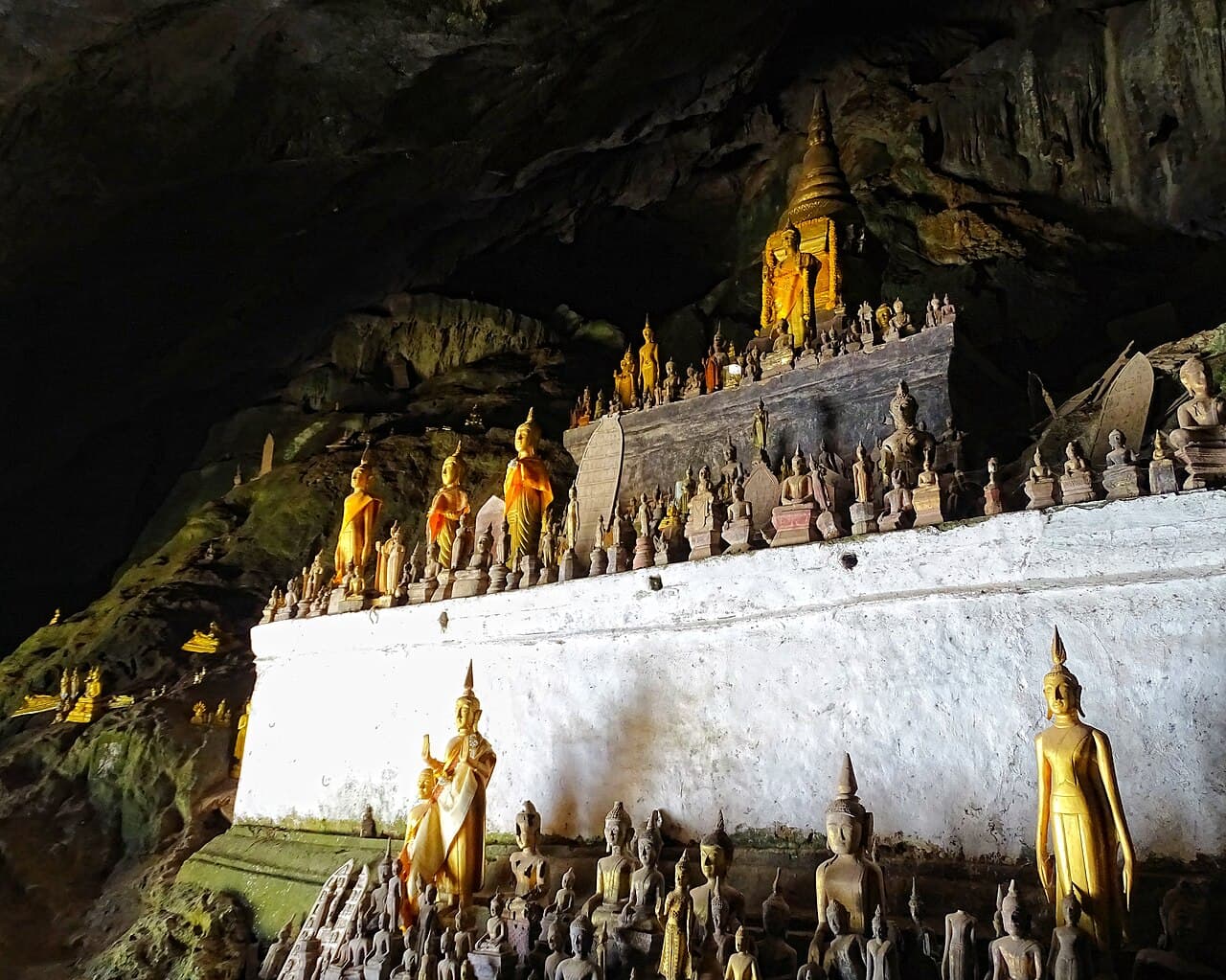
Photo: Bjørn Christian Tørrissen · CC BY-SA 4.0
A signature stop locals and returning travelers point to in Luang Prabang.
A signature stop locals and returning travelers point to in Luang Prabang.
A signature stop locals and returning travelers point to in Luang Prabang.
A pocket of Luang Prabang with its own temperament — worth a deliberate detour when you're in the area.
A pocket of Luang Prabang with its own temperament — worth a deliberate detour when you're in the area.
A pocket of Luang Prabang with its own temperament — worth a deliberate detour when you're in the area.
A pocket of Luang Prabang with its own temperament — worth a deliberate detour when you're in the area.
Wanderlust Pro
Pro members see insider tips for Luang Prabang: a short list of restaurants, cafés and sights, picked by AI as local suggestions to double-check before you go.
The quick answers travelers want before they commit to flights, neighborhoods, and how long to stay.
Luang Prabang International Airport (LPQ) sits just 4 km from the city center. Direct international flights connect LPQ with Bangkok (Suvarnabhumi, multiple daily on Bangkok Airways and Lao Airlines), Chiang Mai, Hanoi, and Siem Reap. From the airport, an official fixed-price tuk-tuk to the city center costs around LAK 50,000 (~$2.50 USD); a shuttle minivan is LAK 50,000 per person (~$2.50); or many hotels offer complimentary transfers if booked in advance. The landmark Laos-China Railway (LCR) now connects Vientiane to Luang Prabang in approximately 2 hours for ~$15–25 USD, with train tickets bookable via 12Go. From Bangkok, the full overland-rail journey is possible: take the overnight Thai rail to Vientiane, then catch the LCR high-speed train north to Luang Prabang — a budget-friendly and scenic option. The iconic 2-day Mekong slow boat from Huay Xai (Thai-Lao border) is a bucket-list arrival route, with an overnight stop in Pak Beng; tickets are purchased at the Huay Xai pier. VIP buses from Vientiane to Luang Prabang cost $10–25 and take around 10–12 hours via winding mountain roads.
The Old Town peninsula is roughly 2 km end-to-end — one of Southeast Asia's most walkable UNESCO towns — so most visitors rarely need motorized transport during the day. Bicycle rental is the optimal way to explore: standard touring bikes cost as little as $2/day, with electric bikes available at ~$8/day for extended range to waterfall villages. Tuk-tuks are the backbone of movement for longer trips; short hops within the city center run LAK 20,000–50,000 (~$1–5 USD) — always negotiate fares before boarding as there are no meters. For outlying attractions, tuk-tuks to Kuang Si Falls (about 29 km) cost around $8–10 each way; a shared tuk-tuk split between travelers is significantly cheaper. Motorbike rentals are available through guesthouses at roughly LAK 80,000–120,000/day (~$8–12 USD). There is no Grab equivalent with reliable local coverage; the Loca app works in Luang Prabang for more transparent pricing on some routes. Long-tail boats to Pak Ou Caves depart from the main pier near the night market.
The sweet spot for Luang Prabang is November through February — the cool, dry season — when daytime temperatures sit between 15 °C and 30 °C, skies are clear, and the countryside is still lush from the monsoon. December and January offer the most idyllic conditions (and the most tourists), so book accommodation well in advance. Night temperatures can dip to 10–12 °C in January, so pack a light layer. By late January, afternoons begin to heat up and the air turns hazy as hill-tribe burning season approaches. March through May brings fierce heat above 35 °C and smoke haze from agricultural burning that can seriously degrade air quality — particularly problematic for those with respiratory conditions. The monsoon season (June–October) delivers heavy rain and elevated river levels, which can close some trails and roads; however, waterfalls are at their most dramatic and tourist numbers drop significantly, offering cheaper rates and quieter temples. October's Boun Ok Phansa festival, with its lantern-lit river ceremonies and boat races, is a compelling reason to brave the tail-end of the wet season.
Rise before dawn to witness the sacred tak bat alms-giving procession along Sisavangvong Road, then browse the adjacent Morning Market (open 05:00–10:00) for local snacks like sticky rice skewers and noodle soup. Climb the 329 steps of Mount Phousi for panoramic views across the Mekong.
Spend the afternoon touring the Royal Palace Museum (entry LAK 30,000 / ~$1.50 USD) and the exquisite Wat Xieng Thong — considered the most important temple in Luang Prabang, renowned for its intricate mosaics and Lan Xang architecture. Stroll along the riverfront promenade toward Wat Mai Suwannaphumaram.
Settle into the Night Market on Sisavangvong Road for handicrafts, textiles, and street food. Consider joining a 2-hour guided Evening Street Food Tour (LAK 300,000 / ~$15 USD) to sample 10+ dishes with a local guide, then wind down with a riverside beer at T56 Café & Bar on Khem Khong Road.
Depart early (by 08:00) for Kuang Si Falls, ~29 km from town, to beat the midday tour buses. Take a tuk-tuk (~$8–10 each way, negotiable) or rent a bicycle/e-bike for the scenic ride. Entry to the falls costs LAK 25,000 (~$1.25 USD). Swim in the iconic turquoise tiered pools and walk the forest trail to the upper cascades.
Return to town for lunch at one of the French-Lao fusion cafés along Sakkaline Road — try Le Banneton for croissants and aromatic coffee. Visit the UXO Museum (free entry) to learn about Laos' ongoing bomb-disposal efforts, then explore the quiet temple of Wat Visoun and its unusual 'watermelon stupa'.
Board a traditional sunset cruise on the Mekong (approximately $20–45 per person depending on provider), departing around 5 PM with drinks, snacks, and sometimes traditional Lao music and dance. Watch the golden-hour light play across the jungle-covered mountains before dinner at a riverside restaurant.
Take a long-tail boat upriver from the main pier near the Night Market to the Pak Ou Caves — two riverside caverns filled with thousands of Buddha statues. The journey passes by traditional riverside villages and takes roughly 1.5–2 hours each way. Pack snacks and enjoy the Mekong scenery.
Return to town and visit the Living Land Rice Farm (LAK 150,000 / ~$7.50 USD) for an interactive rice cultivation experience — plant, thresh, and cook your own sticky rice with local farmers. Alternatively, join a traditional Lao cooking class in the Old Town to take the flavors of Luang Prabang home with you.
Spend your final evening exploring the quieter back lanes of the Old Town — a random turn often reveals a gilded temple or a chic artisanal café. Head back up Phou Si for a sunset view, then enjoy a farewell dinner of laap (minced meat salad), khao soi noodle soup, and grilled Mekong fish at a local restaurant on Khem Khong.
Real coworking spaces, laptop-friendly cafés, and libraries mapped near the center of the city — the closest, best-rated desks first.
No coworking-ready spots surfaced for this city yet.
Pick a different category or check back once we’ve indexed more desks for this city.
Ask for cafés, quiet neighborhoods, date-night spots, or a first 48-hour plan.
Mention calls, Wi-Fi needs, or how much of the day has to stay laptop-friendly.
Get faster answers on where to stay, when to move neighborhoods, and what to skip.
There aren’t any, yet!
Block off the weeks you're free. Wanderlust turns this dossier — flights, lodging, neighborhoods, timing — into a single draft itinerary in about ninety seconds.
Wanderlust Pro
Insider tips for Luang Prabang, unlimited AI-built itineraries, and travel companions you can invite to plan a trip together. From $5.00/month, billed annually.
Wanderlust Pro
Pro members see insider tips for Luang Prabang: a short list of restaurants, cafés and sights, picked by AI as local suggestions to double-check before you go.