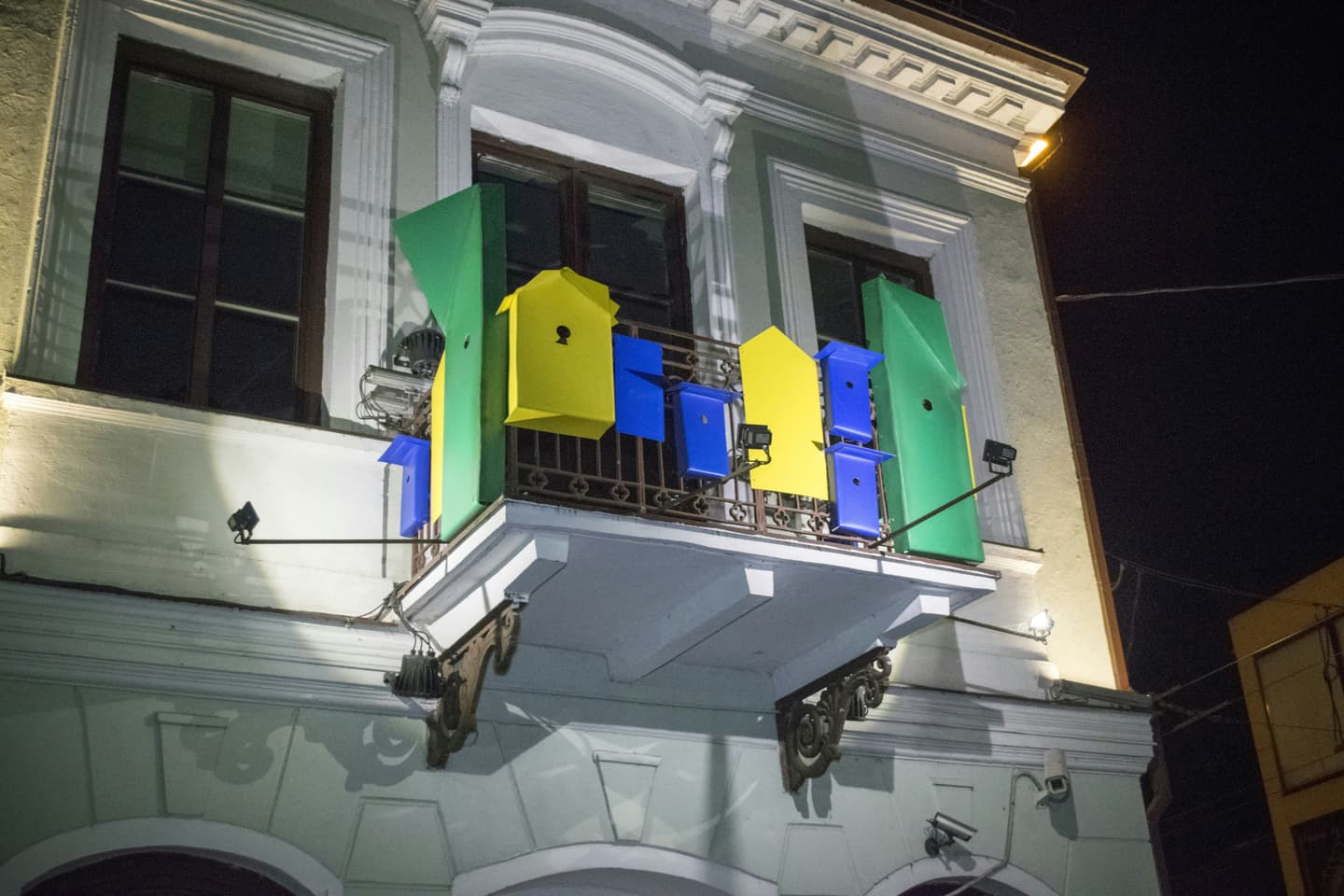
 City postcard
Kaunas
Lithuania's spirited second city — interwar architecture, world-class museums, and a buzzing café culture on the Nemunas.
Lithuania's spirited second city — interwar architecture, world-class museums, and a buzzing café culture on the Nemunas.
Kaunas is Lithuania's second-largest city, sitting at the confluence of the Nemunas and Neris rivers with a population of around 304,000. Once the country's interim capital between the World Wars, it retains a remarkable legacy of Modernist, Art Deco, and Bauhaus architecture alongside a medieval Old Town largely untouched by WWII. Today it blends deep historical identity with a youthful, student-driven energy — walkable, affordable, and increasingly on the European cultural radar thanks to Michelin recognition and a growing arts scene.
City postcardLithuania's spirited second city — interwar architecture, world-class museums, and a buzzing café culture on the Nemunas.
 Top sight
A signature stop locals and returning travelers point to in Kaunas.
 Top sight
A signature stop locals and returning travelers point to in Kaunas.
 Top sight
A signature stop locals and returning travelers point to in Kaunas.
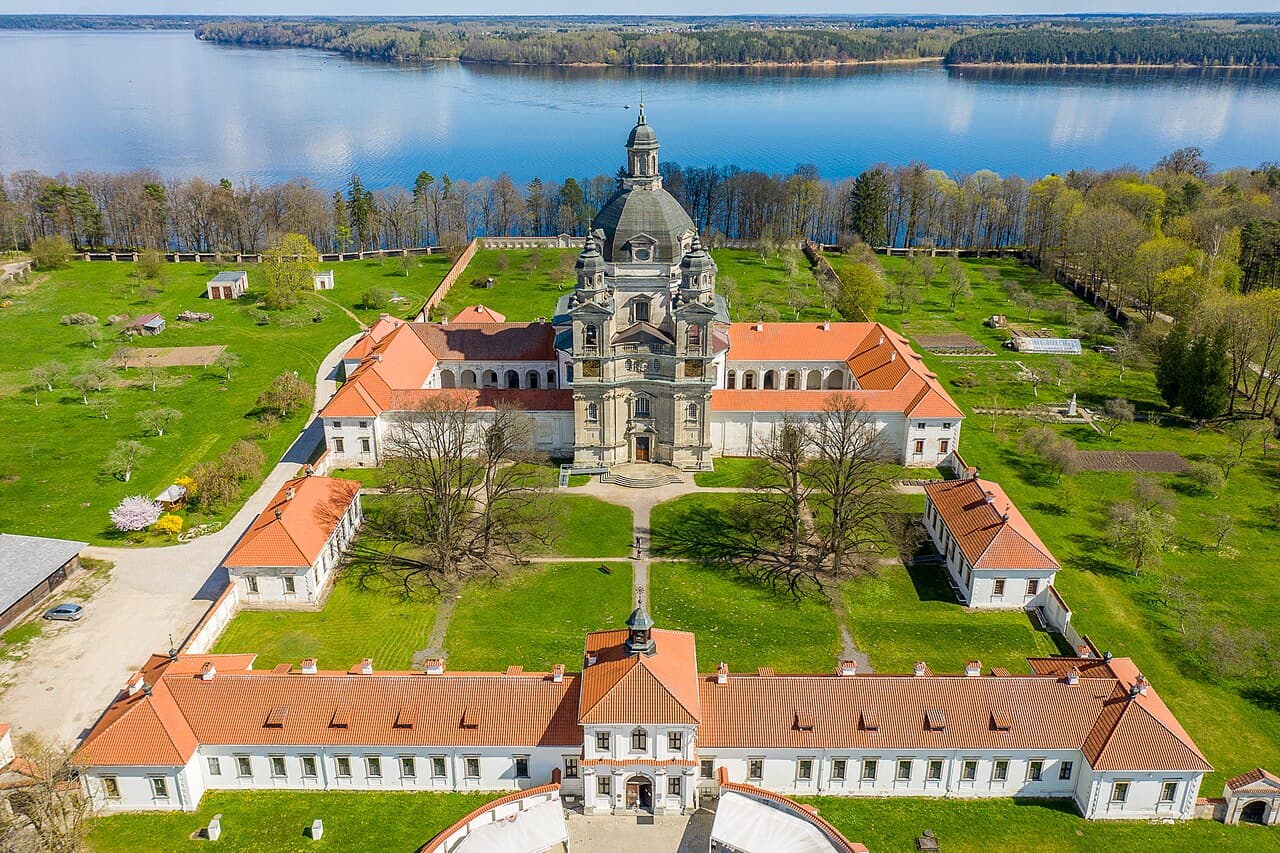 Top sight
A signature stop locals and returning travelers point to in Kaunas.
A signature stop locals and returning travelers point to in Kaunas.
Photo: Skelanard · CC BY-SA 4.0
A signature stop locals and returning travelers point to in Kaunas.
A signature stop locals and returning travelers point to in Kaunas.
Photo: Augustas Didžgalvis · CC BY-SA 4.0
A signature stop locals and returning travelers point to in Kaunas.
A signature stop locals and returning travelers point to in Kaunas.
Photo: user:CD · CC BY-SA 4.0
A signature stop locals and returning travelers point to in Kaunas.
Photo: Augustas Didžgalvis · CC BY-SA 4.0
A signature stop locals and returning travelers point to in Kaunas.
A signature stop locals and returning travelers point to in Kaunas.
A pocket of Kaunas with its own temperament — worth a deliberate detour when you're in the area.
A pocket of Kaunas with its own temperament — worth a deliberate detour when you're in the area.
A pocket of Kaunas with its own temperament — worth a deliberate detour when you're in the area.
A pocket of Kaunas with its own temperament — worth a deliberate detour when you're in the area.
Wanderlust Pro
Pro members see insider tips for Kaunas: a short list of restaurants, cafés and sights, picked by AI as local suggestions to double-check before you go.
The quick answers travelers want before they commit to flights, neighborhoods, and how long to stay.
Kaunas International Airport (KUN) is located approximately 14–15 km northeast of the city centre and serves direct routes from more than 20 European cities. The most affordable transfer into town is city bus route 29G, which runs directly between the airport, the central bus station, and the railway station; a single ticket purchased from the driver costs €1. Taxis from the airport to the city centre run approximately €20–25, and ride-hailing via Bolt is widely available at the terminal. Travellers arriving via Vilnius (VNO, ~100 km east) can reach Kaunas by intercity bus — services run roughly every 30 minutes from Vilnius bus station at around €6 per trip.
Kaunas Old Town and New Town are compact and best explored on foot. The city's bus and trolleybus network covers wider neighbourhoods; tickets can be bought from the driver or via the 'Žiogas' mobile app. Bolt and Uber operate throughout the city and are reliable for longer trips or late-night travel. The two historic funicular railways — in Žaliakalnis and Aleksotas — offer scenic rides up the city's hills. Cycling and e-scooter rentals are also available for flexible exploration. A Kaunas Card provides discounts on attractions and public transport for visitors.
Kaunas is best visited from late May through early September, when temperatures are pleasant and the city's outdoor café culture, riverbank parks, and summer festivals come alive. May and June are particularly sweet spots — days are long, crowds are lighter than peak July–August, and the Old Town's interwar architecture is best appreciated under clear skies. September extends the season nicely with golden light, fewer tourists, and comfortable walking temperatures. Winter (December–February) is cold and dark, with average highs near freezing, but Christmas markets add charm for those undeterred by the chill. Budget travellers can find the best deals in the off-peak shoulder months of November through March.
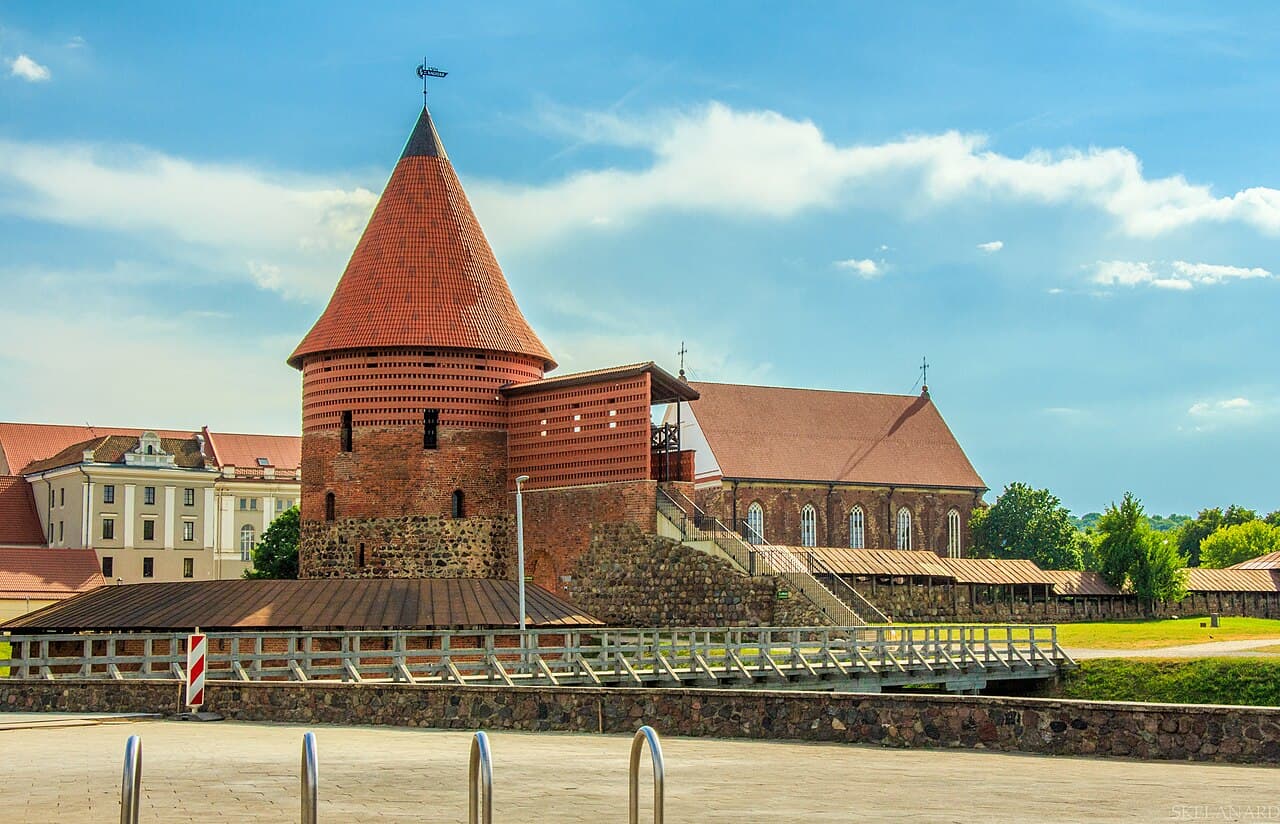
Begin at Kaunas Castle, the Gothic 14th-century fortress at the confluence of the Nemunas and Neris rivers. Explore the ruins and the surrounding riverside park.
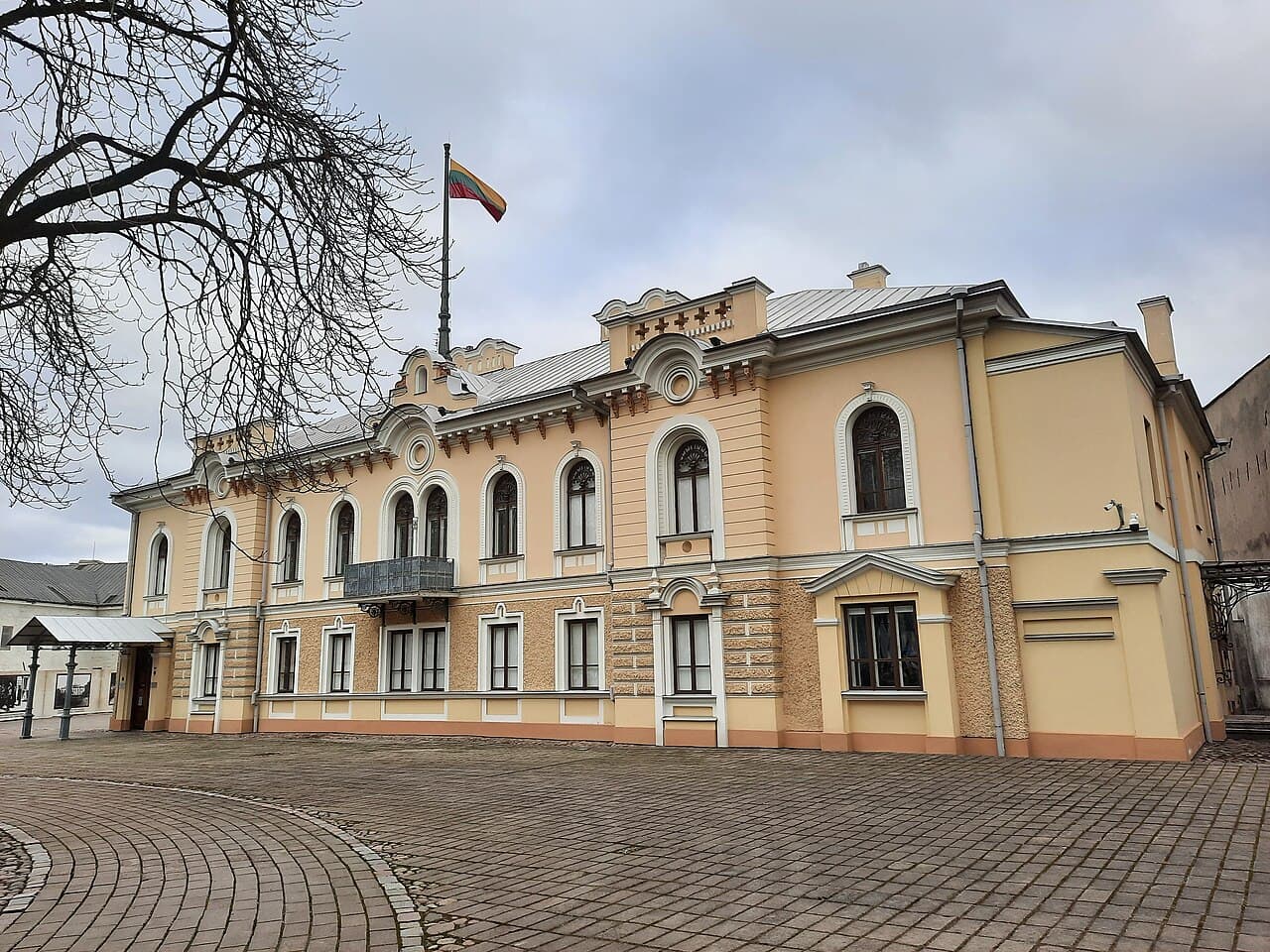
Stroll down Vilnius Street to cobblestoned Town Hall Square (Rotušės aikštė), taking in the 16th-century merchant houses and the striking white Town Hall. Visit the nearby Historical Presidential Palace to explore Lithuania's interwar independence era.
Dine at one of the Old Town's courtyard restaurants, then follow Vilnius Street east into New Town for a drink at one of the craft beer bars near Laisvės Alėja.
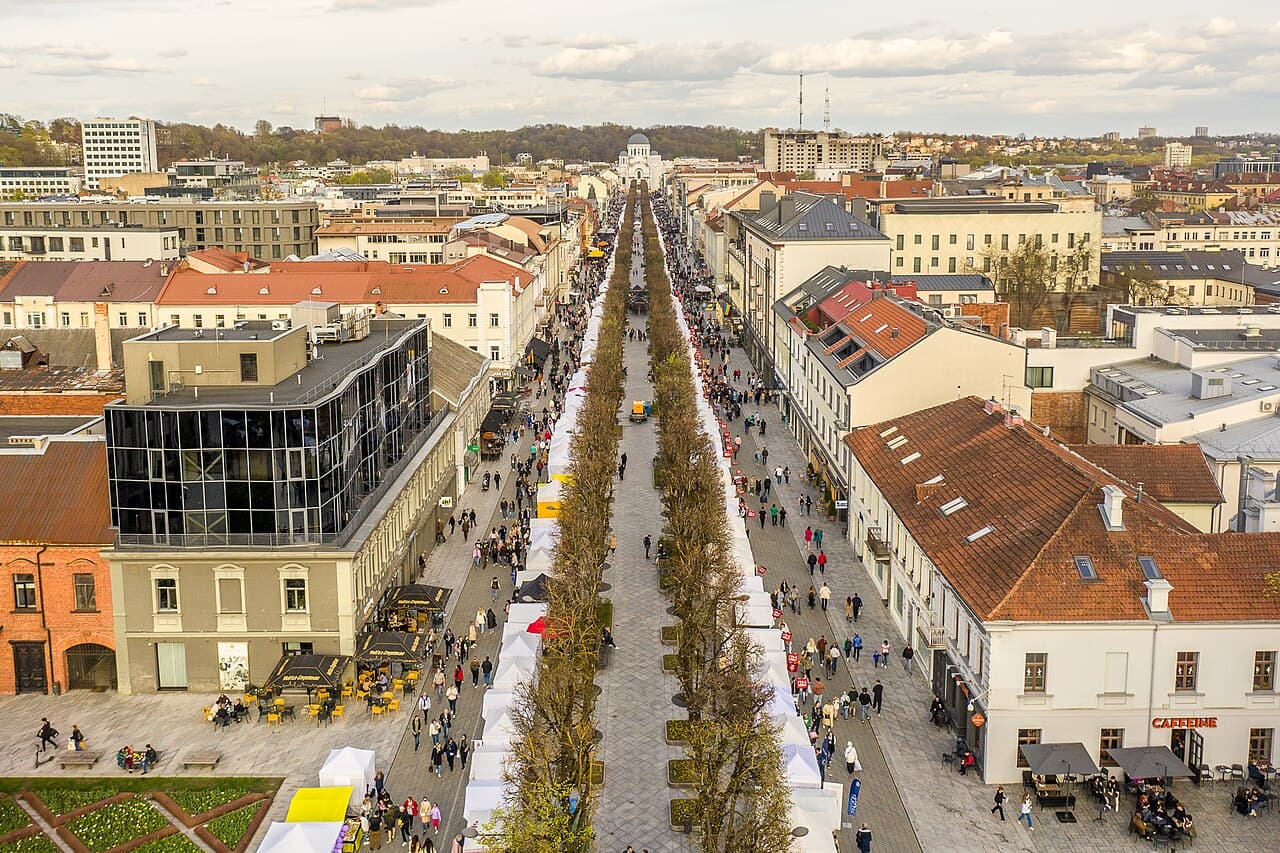
Walk the full length of Laisvės Alėja (Liberty Avenue), the pedestrianised main boulevard lined with Modernist and Art Deco buildings. Stop at St. Michael the Archangel Church and admire the street art murals along the way.
Spend the afternoon at the one-of-a-kind Devil's Museum — a collection of over 3,000 devil figurines from around the world that is equal parts folklore and fun. Then visit the M. K. Čiurlionis National Art Museum nearby.
Head to Naujamiestis neighbourhood for dinner at a hip café or bistro, and explore the area's vibrant bar scene popular with university students.
Ride the Žaliakalnis funicular up the hill for panoramic views over the city and explore the leafy residential streets of this charming neighbourhood. Visit the Resurrection Church, one of Lithuania's most significant interwar buildings.
Cross to Aleksotas via its own funicular for sweeping views of the Old Town and both rivers. Take a leisurely walk along the Nemunas riverbank back toward the city centre.
Settle into a riverside bar or park bench at the confluence of the Nemunas and Neris to watch what locals call one of the city's most spectacular sunsets, then end the night at a craft brewery in the Panemunė area.
Real coworking spaces, laptop-friendly cafés, and libraries mapped near the center of the city — the closest, best-rated desks first.
No coworking-ready spots surfaced for this city yet.
Pick a different category or check back once we’ve indexed more desks for this city.
Ask for cafés, quiet neighborhoods, date-night spots, or a first 48-hour plan.
Mention calls, Wi-Fi needs, or how much of the day has to stay laptop-friendly.
Get faster answers on where to stay, when to move neighborhoods, and what to skip.
There aren’t any, yet!
Block off the weeks you're free. Wanderlust turns this dossier — flights, lodging, neighborhoods, timing — into a single draft itinerary in about ninety seconds.
Wanderlust Pro
Insider tips for Kaunas, unlimited AI-built itineraries, and travel companions you can invite to plan a trip together. From $5.00/month, billed annually.
Wanderlust Pro
Pro members see insider tips for Kaunas: a short list of restaurants, cafés and sights, picked by AI as local suggestions to double-check before you go.